


Ad
Ad
How to Extend Car Battery Life in Indian Conditions: Beat Heat, Monsoons, and Dust for Longer Reliability
Share via:
Follow Us:


649 Views

649 Views

Follow Us:
Extend car battery life in India's heat & monsoons: shade parking, terminal cleaning, long drives, regular checks
Ad
Ad

Key Highlights:
- Indian heat (40–45°C) cuts battery life by up to 50% via evaporation & sulfation.
- Monsoons increase corrosion & failures by 30% due to humidity and water exposure.
- Simple habits (shade parking, terminal cleaning, regular long drives) can double lifespan from 2–3 years to 4–5+ years.
Are you someone who is dealing with a dead battery in Delhi's blistering 45°C heat or during those relentless monsoon downpours? You're not alone; millions of Indian drivers face this headache every year. In a country where the automotive battery market is booming to USD 7 billion in 2023 and projected to grow with the rise of EVs, traditional lead-acid batteries still power most vehicles but struggle against extreme weather. The average car battery lifespan in India hovers around 2-3 years, shorter than in cooler climates, due to high temperatures accelerating degradation by up to 50% and humidity causing corrosion spikes of 30% during rains. But here's the good news: with smart, India-specific tips, you can extend it to 4-5 years or more, saving thousands on replacements.
Understanding the Challenges: Why Indian Weather Wrecks Car Batteries
Before jumping into fixes, let's unpack why India's climate is a battery's worst enemy. From scorching summers in Rajasthan to humid monsoons in Kerala, extreme conditions hit hard. Statistics show that heat above 30°C can halve battery life by evaporating electrolyte fluid and promoting sulfation, a buildup that blocks energy flow. In fact, a study analogous to India's hot zones (like the US Southwest) reveals batteries last just 30 months in extreme heat versus 51 months in cooler areas. Add India's dusty roads and stop-go traffic, and issues multiply: dust clogs vents, reducing cooling, while short city drives (common in Delhi's jams) prevent full recharges.
The Indian automotive lead-acid battery market, valued at USD 1.92 billion in FY2024, is growing at 4.72% CAGR, but failures remain high, up to 40% of roadside assists being battery-related during peaks. For EVs, surging to 139 GWh demand by 2035, heat degrades lithium-ion packs faster, dropping capacity by 12% yearly without care. Humidity during monsoons accelerates corrosion on terminals, leading to poor connections and sudden stalls. Real talk: In Mumbai's rains, battery complaints jump 30%, per service reports. Understanding these foes is step one now; arm yourself with actionable strategies.
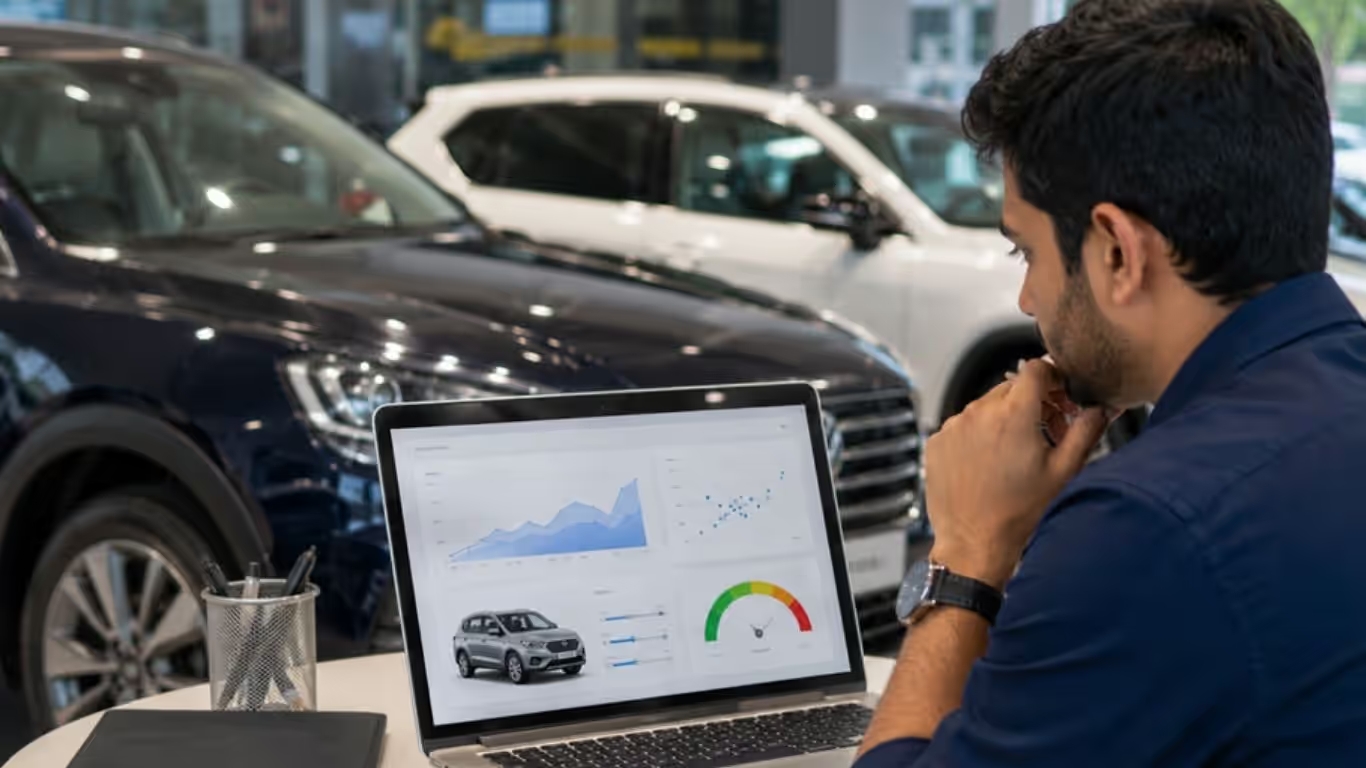
Check this chart illustrating battery life trade-offs in various thermal environments, similar to India's diverse climates from the Himalayas to the Deccan.
Read More: Why Are Top Car Engines Failing in 2026?

Beat the Heat: Mastering Summer Battery Care in India's Sweltering Summers
Summers in India are brutal; temperatures in Delhi or Chennai can cook your battery alive. Heat causes fluid evaporation, leading to underperformance and eventual failure. But you can fight back with these expert tips.
- First, parking habits matter: Always opt for shade or a garage to lower under-hood temps by 10-15°C, extending life by months. If you're in an open lot, use a reflective windshield cover to deflect sun rays. Avoid leaving your car idle for weeks; in hot climates, start it every 5-7 days and drive at least 6 miles to recharge properly.
- Regular inspections are crucial: Check voltage monthly with a multimeter it should read 12.6V when off. If below 12.4V, it's time for a charge. Clean terminals with a baking soda-water mix to remove corrosion, then apply petroleum jelly for protection. For flooded batteries (common in budget cars), top up with distilled water bi-monthly, as India's heat evaporates it fast.
- Ditch short trips: In cities like Hyderabad, frequent 5-10 km drives don't let the alternator work, draining the battery. Aim for longer weekly drives. If your car sits often, invest in a solar trickle charger perfect for sunny India, keeping it topped up without grid power.

- Pro tip for extreme heat: Consider insulating the battery with thermal wraps or relocating it to a cooler spot if feasible, as suggested for desert-like conditions. In EV-heavy areas like Bangalore, use AC to cool the cabin, which indirectly helps battery packs via hybrid cooling fans.
Here's a quick summer maintenance table:
Tip | Why It Helps | Frequency |
Park in the shade | Reduces evaporation by 20-30% | Daily |
Voltage check | Spots early drain | Monthly |
Clean terminals | Prevents resistance buildup | Every 3 months | Prevents resistance buildup | Every 3 months |
Distilled water top-up | Maintains electrolyte levels | Bi-monthly in heat |
Following this can boost lifespan by 20-30%.
Monsoon Mayhem: Waterproofing and Anti-Corrosion Strategies for Rainy Seasons

Monsoons transform India's roads into obstacle courses, with water, mud, and humidity attacking batteries. Corrosion on terminals can cause power loss, and vibrations from potholes loosen fittings issues spiking 30% in rainy months.
- Prep early: Before rains hit, get a pro inspection for tight connections and clean terminals. Apply grease or vaseline to terminals post-cleaning to repel water. Secure the battery tray to prevent shakes on bumpy roads like those in monsoon-flooded Mumbai.
- During drives, avoid deep puddles, as they can short-circuit if water reaches the battery. After wet rides, dry the engine bay with a cloth. Limit accessory use when idling to avoid drain.
- In EVs, monsoons mean checking seals around battery packs to prevent moisture ingress, as India's EV market grows to 2.3 million units in 2023.
Everyday Habits and Advanced Tips: Year-Round Reliability in Dusty, Traffic-Heavy India
Beyond seasons, build habits for longevity. In dusty Rajasthan or polluted Delhi, cover the engine when parked to block grime. Turn off all electronics before shutdown to stop parasitic drain, think forgotten USB chargers sapping power.
For EVs (projected to hit 10 million by 2030), regular software updates optimize charging, and shaded parking prevents overheating. Carry jumper cables or a portable starter for emergencies.
Upgrade wisely: Opt for AGM batteries in hot/humid areas, as they resist heat better and last longer. Recycling is key; only 30% of batteries are recycled in India, but it's growing.
See this map-inspired chart on battery life by temperature zones, adapt it to India: Hot southern states (30 months avg.) vs. cooler north (47+).

Habit | Benefit | When to Do |
Avoid overcharging | Prevents plate damage | Monitor alternator |
Weekly drives | Keeps charged | If parked long |
Pro service | Catches issues early | Every 6 months |
Solar charger use | Eco-friendly top-up | For idle cars |
Read More: Range Rover’s Secret to Silence: Active Noise Cancellation
Empower Your Drive with Smarter Battery Care
Extending your car battery life in India's tough conditions isn't rocket science; it's about consistent, weather-smart habits. From shading in summers to greasing in monsoons, these tips can save you from breakdowns and cut costs in a market where batteries are evolving rapidly with EV growth. Whether you're zipping through Delhi traffic or road-tripping in the rains, stay proactive.
Carbike360 Says
CarBike360 stresses that India's extreme heat and monsoons are silent battery killers. Extreme summer temps speed up corrosion and evaporation, while humidity spikes cause failures during rain. Prioritize shaded parking, regular terminal cleaning, and avoiding short trips to fight back effectively. For EVs, slow home charging and 20-90% limits extend pack life dramatically. Bottom line? Proactive habits like these can easily push your battery beyond the typical 2-3 years in tough Indian conditions. Stay vigilant, and your car stays reliable, no more surprise breakdowns.
Follow Us:


More News
















Ad
Ad