

 ELECTRIC
EV battery materials market to hit USD 154 Billion by 2036
 Add CarBike360 on Google
A new IDTechEx report projects the global EV battery materials market to soar to USD 154 billion by 2036. The study highlights increasing demand for lithium, nickel, and cobalt.

Mar 30, 2026 11:02 am IST
Published On
Mar 30, 2026 10:02 am IST
Last Updated On
Mar 30, 2026 11:02 am IST
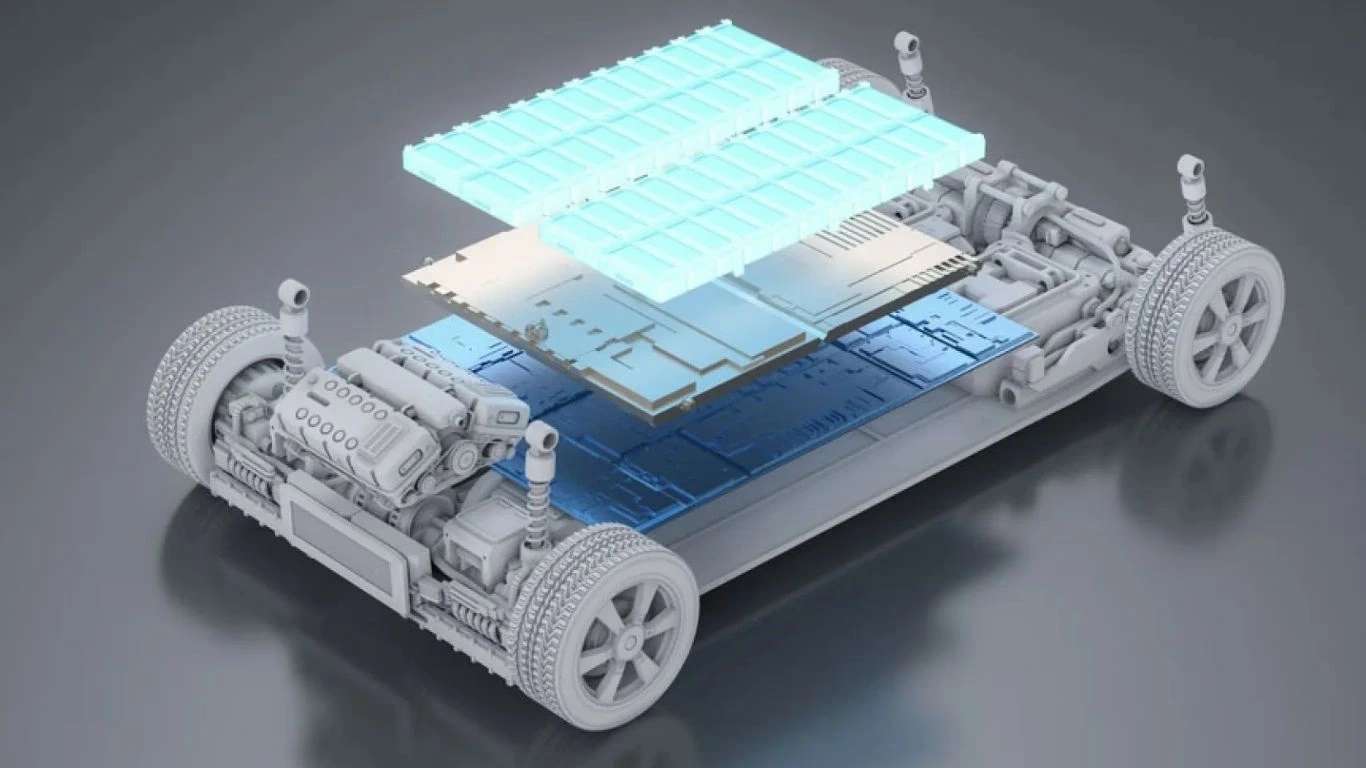
The global market for materials used in electric vehicle (EV) lithium-ion battery cells is projected to reach USD 154 billion by 2036, according to a new IDTechEx report. The study highlights the increasing demand for key battery materials as EV adoption accelerates worldwide. This growth is driven by evolving battery chemistries, cost pressures, and the global shift toward electric mobility.
Key Highlights
- The global EV battery materials market projected to reach USD 154 billion by 2036
- Material demand expected to exceed 17.9 million tonnes by 2036
- LFP and nickel-based chemistries dominate with shifting market shares
- Raw material costs estimated at $34 per kWh for LFP and $39 per kWh for NMC 811 in 2025
- Emerging technologies may reshape future material demand and reduce cobalt reliance
Key Battery Chemistries and Market Trends
Lithium-ion batteries dominate the EV segment and use a range of chemistries, each with unique material needs. Nickel-based chemistries, such as NMC (nickel manganese cobalt) and NCA, along with lithium iron phosphate (LFP), are the most prevalent. LFP batteries, which are widely used in China, are gaining market share in North America and Europe due to their lower cost per kilowatt-hour, despite offering lower energy density compared to nickel-based options.
Nickel-based chemistries remain popular in premium vehicles because of their higher energy density, though they come at a higher cost. The report notes a shift toward higher nickel content in NMC cells, such as NMC 811, to boost performance and reduce reliance on cobalt. Battery cell materials include cathode elements like nickel, manganese, cobalt, iron, and phosphate, as well as anode materials such as graphite and silicon.
Material Demand and Price Volatility
Demand for these materials is expected to rise sharply, with total material consumption projected to exceed 17.9 million tonnes by 2036. The report draws attention to ongoing volatility in the prices of key raw materials, especially lithium, nickel, and cobalt. Lithium prices rose sharply in 2022 and 2023 due to supply constraints and growing demand. These prices continue to fluctuate as mine shutdowns and consumption increase. Cobalt prices have also shown volatility, with spikes linked to supply disruptions in the Democratic Republic of Congo.
In 2025, IDTechEx estimates raw material costs at $34 per kWh for LFP cells and $39 per kWh for NMC 811 cells. This indicates a narrowing cost gap between the two chemistries. These figures exclude processing and manufacturing costs.
Emerging Technologies and Future Outlook
The report identifies several emerging technologies that could reshape material demand. These include increased use of silicon in anodes, the development of solid-state batteries with alternative electrolytes, and new cathode chemistries such as LMFP and LNMO aimed at reducing cobalt use. Other technologies, like lithium metal and lithium-sulfur batteries, are also under development but are expected to have limited market share in EV applications in the near future.
Overall, the study highlights the growing scale and complexity of the EV battery materials market, driven by changing chemistries, cost factors, and the shift to electric vehicles worldwide.
Conclusion
As the EV revolution accelerates, the demand for sustainable and high-performance battery materials will shape the future of mobility and energy storage. The IDTechEx report underscores not only the market’s massive growth potential but also the pressing need for innovation, recycling, and ethical sourcing to ensure a resilient and responsible global EV battery ecosystem.


You May Like


Latest Battery Videos



Other Battery News

IIT Roorkee partners with SkyySkill Academy to launch EV certification programes for engineers

Uno Minda to Invest ₹550 Crore in New Maharashtra EV Powertrain Facility

India extends deadline for rare earth magnet manufacturing scheme bids to June 2026

Emerson expands NI Nigel AI capabilities across test software portfolio
Listen to Battery Audios

Vihan AI - Your Car assistant
Ask me anything about cars, prices, and comparisons.