ELECTRIC
Complete Guide to Lubricants for Passenger Vehicles: Cars, Bikes & Scooters
 Add CarBike360 on Google
Discover the best lubricants for cars, bikes, and scooters. Improve performance, mileage, and engine life with expert tips.

By Robin Attri
Apr 30, 2025 07:32 am IST
Published On
Apr 30, 2025 07:18 am IST
Last Updated On
Apr 30, 2025 07:32 am IST
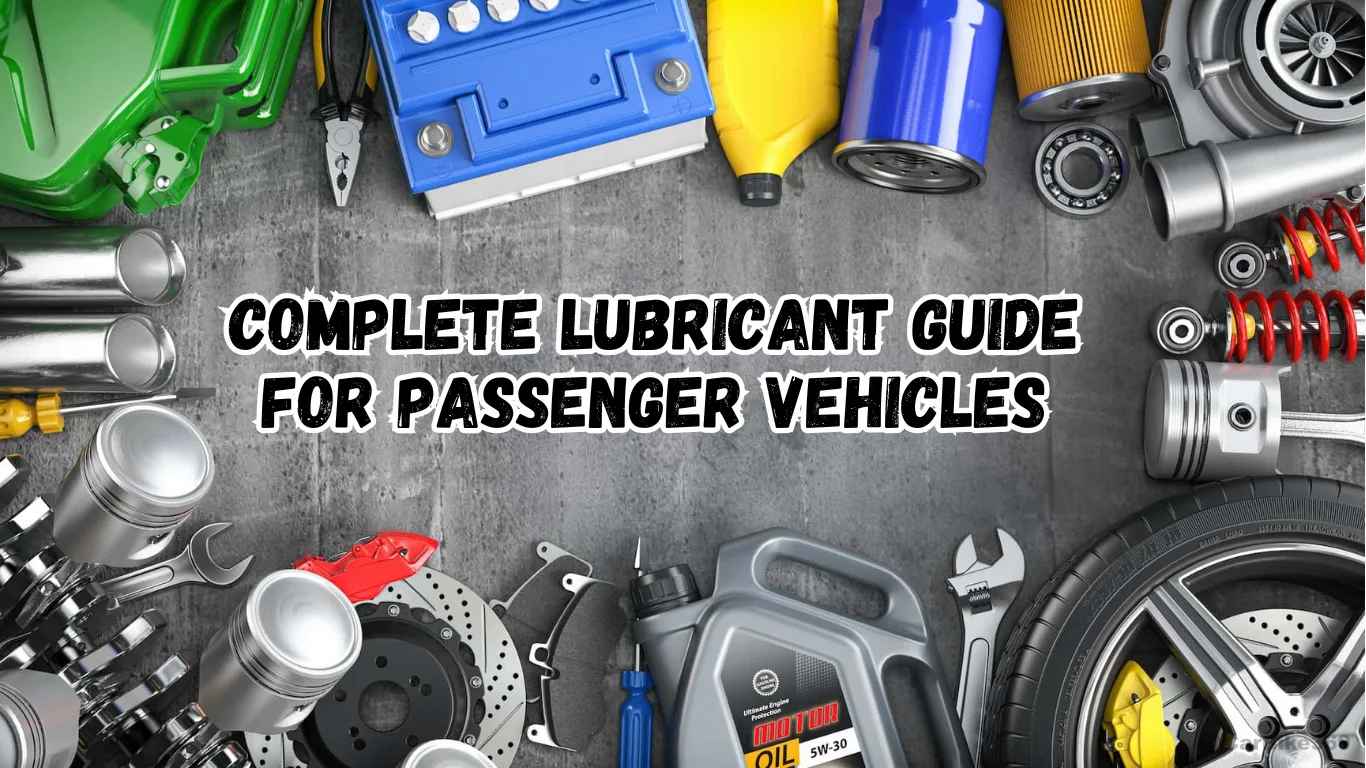
Lubricants are crucial for the performance, efficiency, and longevity of your vehicle, whether it's a car, bike, or scooter. They reduce friction, prevent wear and tear, and ensure the engine runs smoothly and efficiently. Choosing the right lubricant can significantly impact fuel efficiency, engine protection in extreme temperatures, and overall vehicle performance. This comprehensive guide covers everything you need to know about lubricants, from their functions to the differences between high-viscosity and low-viscosity oils, the benefits of synthetic over conventional oils, seasonal considerations, and how to select the right lubricant to keep your vehicle in top condition.
What Are Lubricants and Why Are They Important?
Lubricants are fluids or semi-fluids designed to reduce friction between moving parts in engines, transmissions, and other vehicle components. Without proper lubrication, metal parts would grind against each other, causing overheating, excessive wear, and eventual engine failure.
In addition to reducing friction, lubricants also play key roles in cooling, cleaning, sealing, and protecting the engine. A good lubricant ensures smoother operation, minimizes wear, and helps maintain engine cleanliness over time, contributing to overall vehicle performance and longevity.
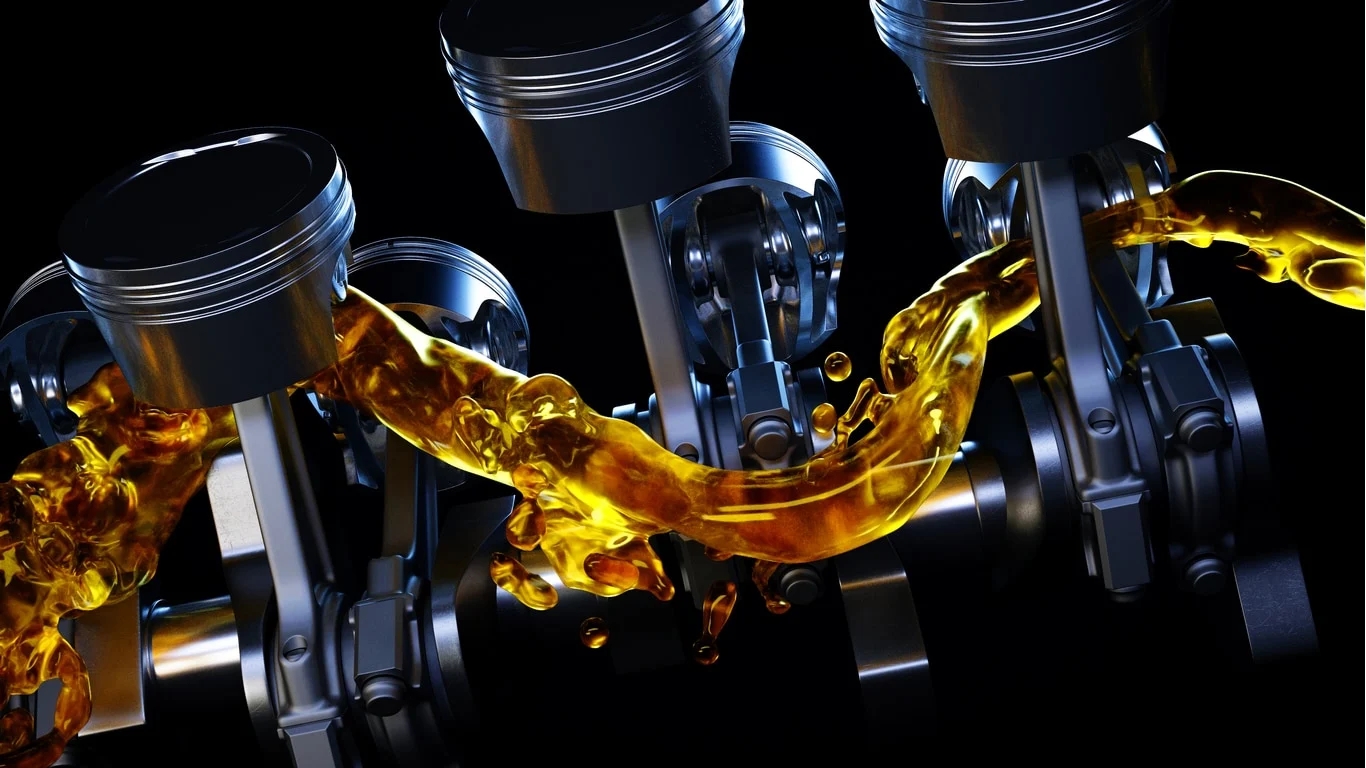
Functions of Lubricants:
Reduce Friction: Lubricants form a thin layer between moving engine parts, reducing friction and wear.
Dissipate Heat: They help absorb heat from engine parts and transfer it away to prevent overheating.
Clean the Engine: Lubricants carry debris and contaminants away from the engine to the oil filter, ensuring internal cleanliness.
Prevent Rust & Corrosion: By coating engine parts, lubricants help protect them from moisture and rust.
Seal: Lubricants also create a seal between piston rings and cylinder walls, improving engine efficiency.
Types of Lubricants Used and Their Applications in Passenger Vehicles
Lubricants serve various functions in a vehicle, each type designed for a specific part or system to ensure optimal performance and longevity. Here's a breakdown of the most common lubricants used in passenger vehicles:
Lubricant Type | Use | Examples |
Engine Oil | Lubricates and cools internal engine parts | 5W-30, 10W-40, 15W-50 |
Gear Oil | Lubricates manual transmission and differential systems | 75W-90, 80W-90 |
Fork Oil | Used in motorcycle front suspension for smooth fork operation | 10W, 15W |
Brake Fluid | Transfers force in hydraulic brake systems | DOT 3, DOT 4, DOT 5 |
Coolant/Antifreeze | Regulates engine temperature and prevents overheating or freezing | - |
Chain Lubricant | Protects and lubricates motorcycle/scooter chains | Spray or liquid chain lube |
Grease | Lubricates bearings, joints, and suspension parts | Lithium or synthetic grease |
Each lubricant type is specifically formulated to withstand unique pressures and temperatures, offering the necessary protection and efficiency for each component. Using the right lubricant ensures smooth operation, minimizes wear, and extends the lifespan of vehicle parts.
Signs Your Vehicle Needs Lubrication
Knowing when your vehicle needs lubrication or an oil change is crucial to prevent engine damage. Here are some common signs that indicate it's time to check or change your lubricant:
Engine Noise: If your engine sounds louder than usual or if you hear ticking noises, it might be a sign of insufficient lubrication.
Overheating: If the temperature gauge rises quickly or stays high, it could indicate that the oil is not properly cooling the engine.
Poor Acceleration: Sluggish or delayed throttle response can be caused by old or degraded oil.
Dirty or Dark Oil: Check the dipstick. If the oil appears black and dirty, it’s time to change it.
Warning Lights: If your oil pressure light or engine check light comes on, it's a sign that the lubricant isn’t doing its job effectively.
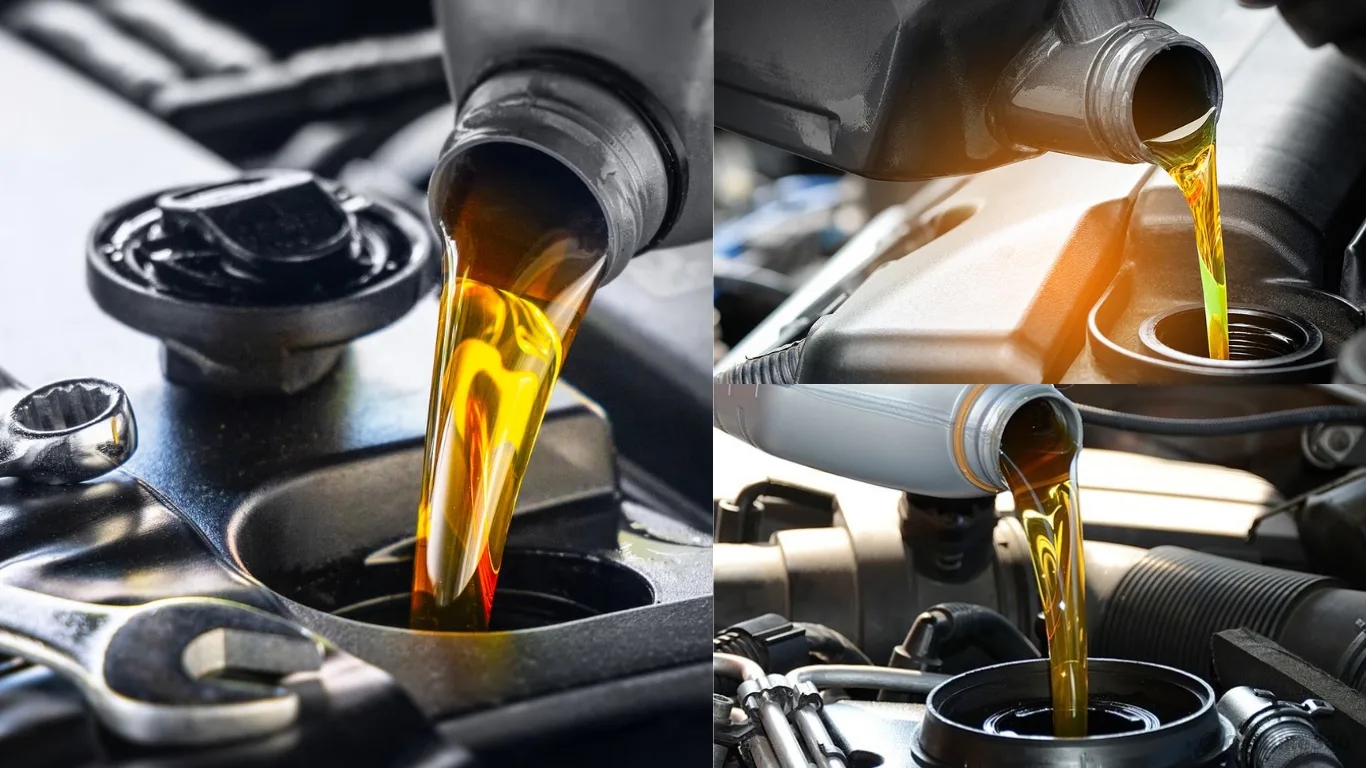
Lubrication Frequency and Maintenance
The lubrication frequency depends on the type of lubricant and the component it’s used for. Here’s a general guideline for when to lubricate different parts of your vehicle:
Component | Lubrication Frequency | Type of Lubricant |
Engine (Car/Bike) | Every 5,000–10,000 km (synthetic) | Engine Oil |
Scooter Gearbox | Every 3,000–6,000 km | Gear Oil (75W-90 or 80W-90) |
Bike Chain | Every 500–800 km | Chain Lubricant |
Bike Fork/Shock | Check every 10,000 km | Fork Oil |
Bearings/Joints | As needed | Grease |
Following the correct lubrication schedule will ensure your vehicle operates smoothly and has a long lifespan.
High Viscosity Lubricants: Pros and Cons
High-viscosity lubricants are thicker and provide better protection in certain conditions. However, they also have their disadvantages, especially regarding fuel efficiency.
Benefits of High Viscosity Oils:
Better Protection: High-viscosity oils offer stronger film strength, which is ideal for older engines or those operating under heavy loads.
Extreme Temperature Resistance: These oils maintain their consistency even in very hot or cold temperatures, providing consistent protection.
Drawbacks of High Viscosity Oils:
Reduced Fuel Efficiency: High-viscosity oils can increase friction, leading to a decrease in fuel efficiency by up to 2.2%.
Poor Cold-Start Performance: Thick oils flow slowly at low temperatures, making cold starts harder on the engine.
Increased Engine Strain: In cold weather, thick oils can cause increased wear due to delayed lubrication and added load on the engine.
More Work for Oil Pumps: Thicker oils require the engine oil pump to work harder, which can lead to higher energy consumption.
Synthetic vs. Conventional Lubricants
When choosing a lubricant, you’ll often have to decide between synthetic and conventional oils. Here's how they compare:
Feature | Synthetic Lubricants | Conventional Lubricants |
Cold Start Performance | Excellent (flows better in cold weather) | Poor (thicker at low temperatures) |
High-Temperature Stability | Excellent (resistant to thermal breakdown) | Moderate (breaks down quicker) |
Drain Interval | Long (10,000–25,000 km) | Short (3,000–5,000 km) |
Engine Cleanliness | Cleaner (fewer deposits and sludge) | May form sludge over time |
Fuel Efficiency | Better (up to 8% improvement) | Less efficient |
Cost | Higher (2–4x more expensive) | Lower |
Synthetic Oils:
Offer better cold-start performance and higher stability at extreme temperatures.
Last longer and maintain engine cleanliness.
Improve fuel efficiency and engine protection, making them ideal for high-performance vehicles.
Conventional Oils:
More affordable but require more frequent changes.
Suitable for older vehicles with less demanding performance needs.
How Weather Affects Lubricants
Different weather conditions can significantly impact how lubricants perform in your vehicle. Here’s how lubricants behave in various seasons:
Winter Effects:
Oil Thickens: In cold weather, oil becomes thicker, making it harder for the engine to start and increasing wear during cold starts.
Engine Wear: Slow oil flow means more metal-to-metal contact until the oil circulates fully.
Recommended Oils: Use low "W" grade oils (e.g., 0W-20, 5W-30) and synthetic oils for better cold-flow performance.
Summer Effects:
Oil Thins: In hot weather, oil becomes too thin, leading to a reduction in film strength and an increased risk of engine damage from overheating.
Overheating: Thin oils can’t absorb heat effectively, leading to poor lubrication and potential engine damage.
Recommended Oils: Use higher-grade oils like 10W-40 or 15W-50 for better heat resistance.
Monsoon Effects:
Moisture Contamination: The rainy season can lead to water contamination, which can cause the oil to emulsify and lose its lubricating properties.
Rust & Corrosion: Moisture can cause rust and accelerate wear if the oil can’t effectively protect engine parts.
Recommended Oils: Use moisture-resistant synthetic oils and apply chain lube frequently on bikes and scooters.
Precautions for Safe Lubrication
To keep your vehicle in the best condition, here are some important lubrication precautions:
Follow Manufacturer’s Recommendations: Always refer to your vehicle’s owner manual for the recommended oil type and viscosity grade.
Store Oils Properly: Keep oils in a cool, dry place away from direct sunlight to maintain their effectiveness.
Clean Tools: Always clean your tools before performing an oil change to prevent contaminants from entering the engine.
Proper Disposal: Never dump used oils on the ground or down drains. Always dispose of used oils at authorized recycling centers.
Frequent Checks in Extreme Climates: In harsh environments (extreme heat or cold), consider more frequent oil changes to avoid oil degradation.
Carbike360 says
Choosing the right lubricant for your car, bike, or scooter is crucial to maintaining optimal performance and longevity. High-viscosity oils offer better protection under heavy loads but may reduce fuel efficiency. Synthetic oils, while more expensive, offer superior performance and longer oil change intervals. Temperature and environmental conditions also affect how lubricants perform, so always adjust your oil selection accordingly.
By staying proactive with regular lubrication checks and choosing the right oils for the right seasons, you can ensure that your vehicle operates smoothly, efficiently, and lasts longer.
Pro Tip: Lubricants are not one-size-fits-all. Always consult your vehicle's owner manual, consider your driving conditions, and select the best quality oils that fit your budget.
This comprehensive guide serves as your go-to reference for understanding and maintaining lubricants in passenger vehicles. Keep it handy to make well-informed decisions and ensure your vehicle stays in prime condition for years to come!