

 ELECTRIC
Why Your EV Won't Start Even at 90% Charge: The Hidden Culprits Behind "Dead" Electric Cars
 Add CarBike360 on Google
EV won't start despite 90% charge? Usually the 12V auxiliary battery dies not the main pack due to drain or age.

Feb 16, 2026 10:34 am IST
Published On
Feb 16, 2026 10:16 am IST
Last Updated On
Feb 16, 2026 10:34 am IST
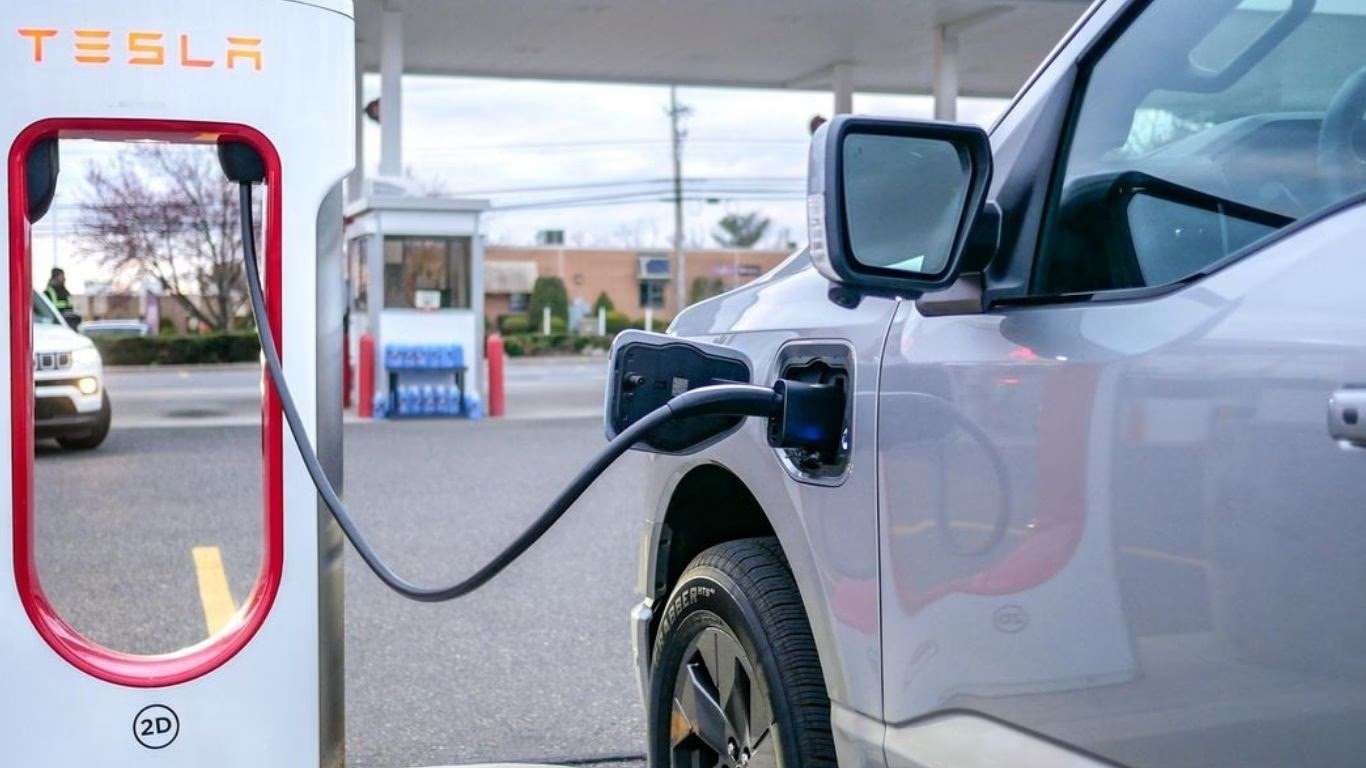
Key Highlights:
- The 12V Battery is the Real Villain - Most EVs won't "wake up" or start if the small 12-volt auxiliary battery is dead or weak, even with the main high-voltage traction battery showing 90% charge.
- Software Glitches, Faulty Contactors & Electrical Issues - Modern EVs rely on complex electronics; a glitch, stuck high-voltage contactor, or sensor fault can prevent power delivery despite ample charge.
- Extreme Temperatures, Parasitic Drains & Key Fob Problems - Cold weather drains the 12V faster, always-on features like Sentry Mode sap power, or a weak key fob can block startup.
Imagine this: You stride confidently to your shiny electric vehicle, plug showing a healthy 90% charge after a full overnight session. You hop in, press the start button... and nothing. No hum, no dashboard lights, no "ready to drive" chime. Frustration sets in. How can a nearly full battery refuse to cooperate?
This scenario baffles many new EV owners, but it's surprisingly common. Unlike traditional gas cars, where a dead starter battery is the obvious culprit, EVs have two battery systems: the massive high-voltage traction battery (what powers the wheels and shows your % charge) and a small 12-volt auxiliary battery (like in ICE cars, but critical for electronics). The high-voltage pack rarely fails outright at 90%, so the problem almost always lies elsewhere.
The Sneaky 12V Battery: The #1 Reason EVs "Won't Start" at High Charge

Every EV has a conventional 12-volt lead-acid or AGM battery. It powers accessories, lights, infotainment, and crucially, the control modules that "wake up" the high-voltage system. When you hit start, the 12V battery energizes relays and contactors to connect the big battery pack. If the 12V is dead, flat, or below ~11.5V, the car acts "dead" no response, even at 90% main charge.
Why does the 12V die so often?
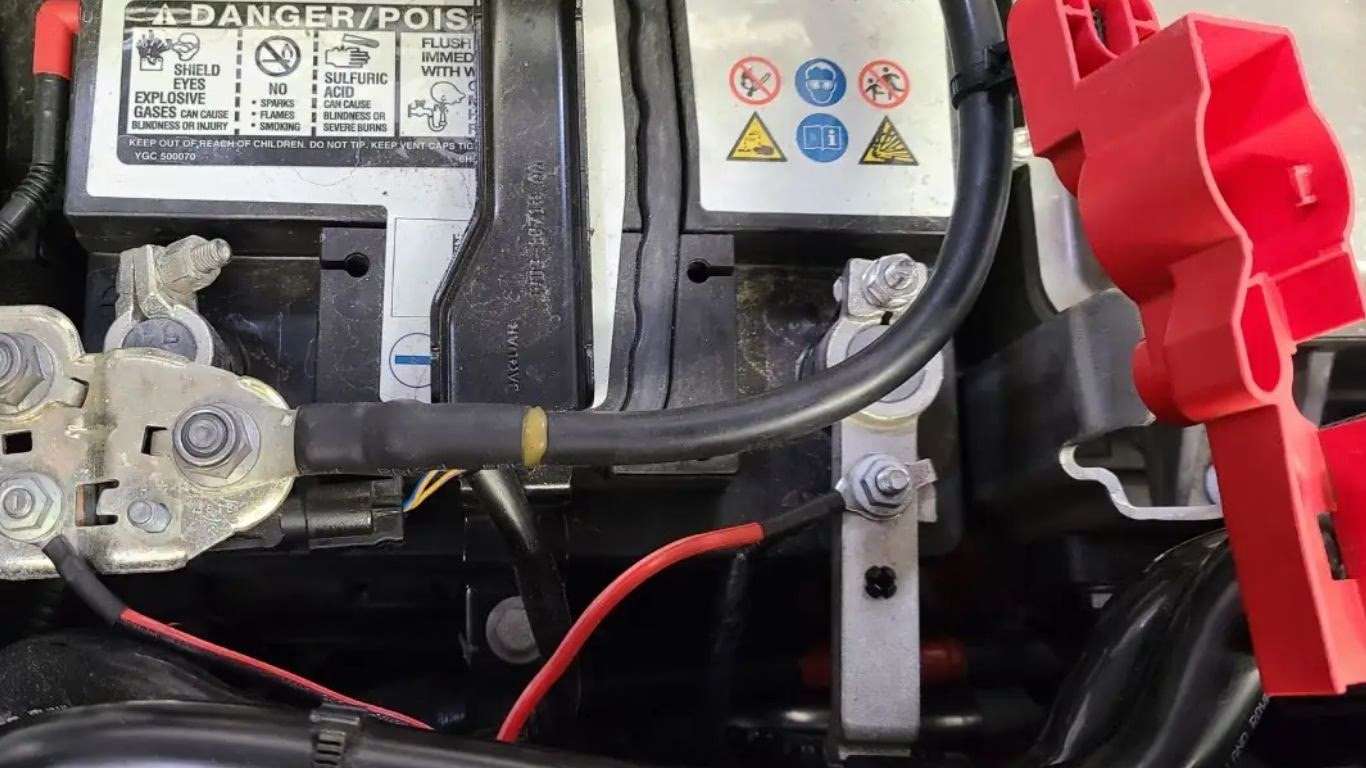
- Parasitic drain: Features like preconditioning, Sentry Mode (Tesla), over-the-air updates, or alarm systems draw power constantly. Leaving the car parked for weeks can kill it.
- Extreme temperatures: Cold weather (below 0°C) reduces 12V capacity dramatically, up to 50% loss in sub-zero conditions. Heat accelerates degradation, too.
- Age & manufacturing quirks: Many EVs use cheaper 12V batteries that last 2–4 years; some models (e.g., certain Hyundai/Kia) have reported premature failures.
- No alternator: Unlike gas cars, EVs don't recharge the 12V while driving (a DC-DC converter does it), so if it's weak, it stays weak.
- Real stat: Forums and reports show 12V issues cause ~60–70% of "no-start" complaints in EVs with charged traction batteries.
Quick Fix Table: 12V Battery Troubleshooting
Symptom | Likely Cause | DIY Check/Fix | When to See Dealer |
|---|---|---|---|
No dashboard lights | Dead 12V | Test voltage (should be 12.4–12.7V) | If under 12V after charge |
Dim lights or clicking | Weak 12V | Jump-start with 12V portable booster | Recurring issues |
Car "sleeps" after park | Parasitic drain | Disconnect accessories; monitor drain | Software update needed |
Cold weather no-start | Temperature effect | Precondition via app; use trickle charger | Battery replacement |
Even with both batteries "good," the car might not start due to:
- Stuck/Faulty Contactors: These high-voltage relays isolate the traction battery for safety. If one sticks open (common after faults or age), no power flows. Error codes like P1AA7 appear.
- Battery Management System (BMS) Errors: The BMS monitors cells; imbalance, sensor failure, or over-temperature protection can lock out startup.
Software Glitches: Outdated firmware or bugs (post-update) prevent "ready" mode. Many owners fix this with a forced reboot (hold brake + power button) or OTA update.
High-Voltage Faults: Rare wiring issues, insulation faults, or inverter problems trigger safety shutdowns.
Common No-Start Causes in EVs (Based on Owner Reports & Tech Data)
- 12V Battery Issues: 65%
- Software/Electrical Glitches: 20%
- High-Voltage Faults/Contactors: 10%
- Key Fob/Other: 5%)
Other Sneaky Culprits: From Key Fob to Environmental Factors
- Key Fob Battery Dead: Proximity key won't authenticate or start, even if the dash powers up.
- Charging Port/Equipment Faults: If recently charged, a bad cable, dirty port, or failed onboard charger might leave residual errors.
- Extreme Weather: Heat can cause thermal protection shutdown; cold reduces effective capacity (though 90% should still start).
- Over-Discharge Protection: If the car sat at a very low charge before, the BMS might limit power until "balanced."
Prevention Tips: Keep Your EV Ready to Roll
- Maintain the 12V: Check voltage monthly; trickle-charge if parked long-term. Replace every 3–5 years.
- Follow the 20-80% Rule: Daily charging to 80% reduces stress; reserve 100% for trips.
- Update Software Regularly: OTA fixes bugs fast.
Precondition in Extremes: Use the app to warm/cool the battery before driving. - Carry a Portable Booster: A compact 12V jumper saves the day.
Conclusion
In summary, a 90% charge is great for range, but EVs are complex computers on wheels. The "no-start" drama usually traces to the humble 12V battery or a software hiccup, not the big pack. Understanding this demystifies the issue and saves unnecessary tow-truck calls. Next time your EV plays hard to get, check that tiny battery first; you'll likely be back on the road in minutes.


अपनी परफेक्ट कार खोजें

Budget

Brand

Body Type

Fuel

Mileage

More
नवीनतम कार वीडियो




Vihan AI - Your Car assistant
Ask me anything about cars, prices, and comparisons.