

 ELECTRIC
BMW F450 GS First Ride: Does The Baby GS Outclass The Royal Enfield Himalayan 450 ?
 Add CarBike360 on Google
The BMW F450 GS first ride in Goa reviews design, performance, and tech. Can it challenge the Royal Enfield Himalayan 450 in India’s ADV segment?

By Animesh Vatsa
Apr 30, 2026 11:30 am IST
Published On
Apr 28, 2026 11:51 am IST
Last Updated On
Apr 30, 2026 11:30 am IST
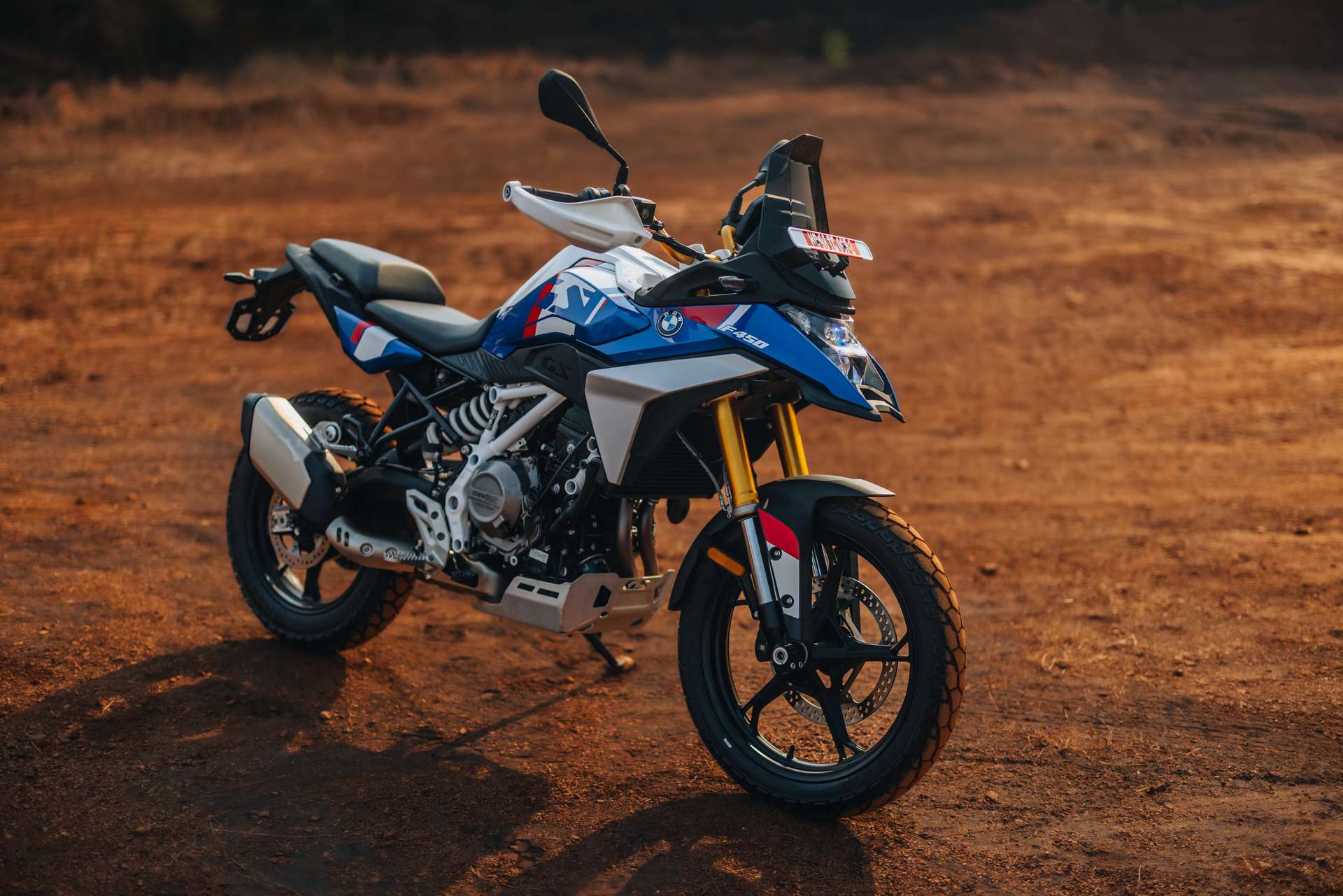
India is a land of adventures, which are not only rectified by the diversified demographics but also in reference to the broken roads and potholes in the metropolitan, followed by an almost off-road tarmac situation in lower-tier cities or townships. Therefore, we acknowledge the rise in the rugged motorcycle category, especially the mass-market ADV, in the past few years. However, given the volumes, the displacement category in ADV has undergone a sudden surge varying from 210cc to 350cc majorly.
Having that said, the 450cc ADV segment is predominantly ruled by just one contender, which needs no introduction: the “Royal Enfield Himalayan 450”. Nevertheless, BMW Motorrad (Bavarian Motor Works) has stepped in, aiming to fill the gap with the introduction of their new entry-level ADV and also the smallest in the family, the GS “F450 GS”.
The TVS-engineered G310 GS replacement was long due for its debut in the world’s third largest auto market, and we have tested the so-called “Social Media Bike” on the coastal roads of a city populated by cultural significance, "Goa", in order to discover whether the parallel-twin 450cc is capable of bringing a shift into the Himalayan kingdom or just ends up a history in the name of German engineering excellence.
Design & Styling:
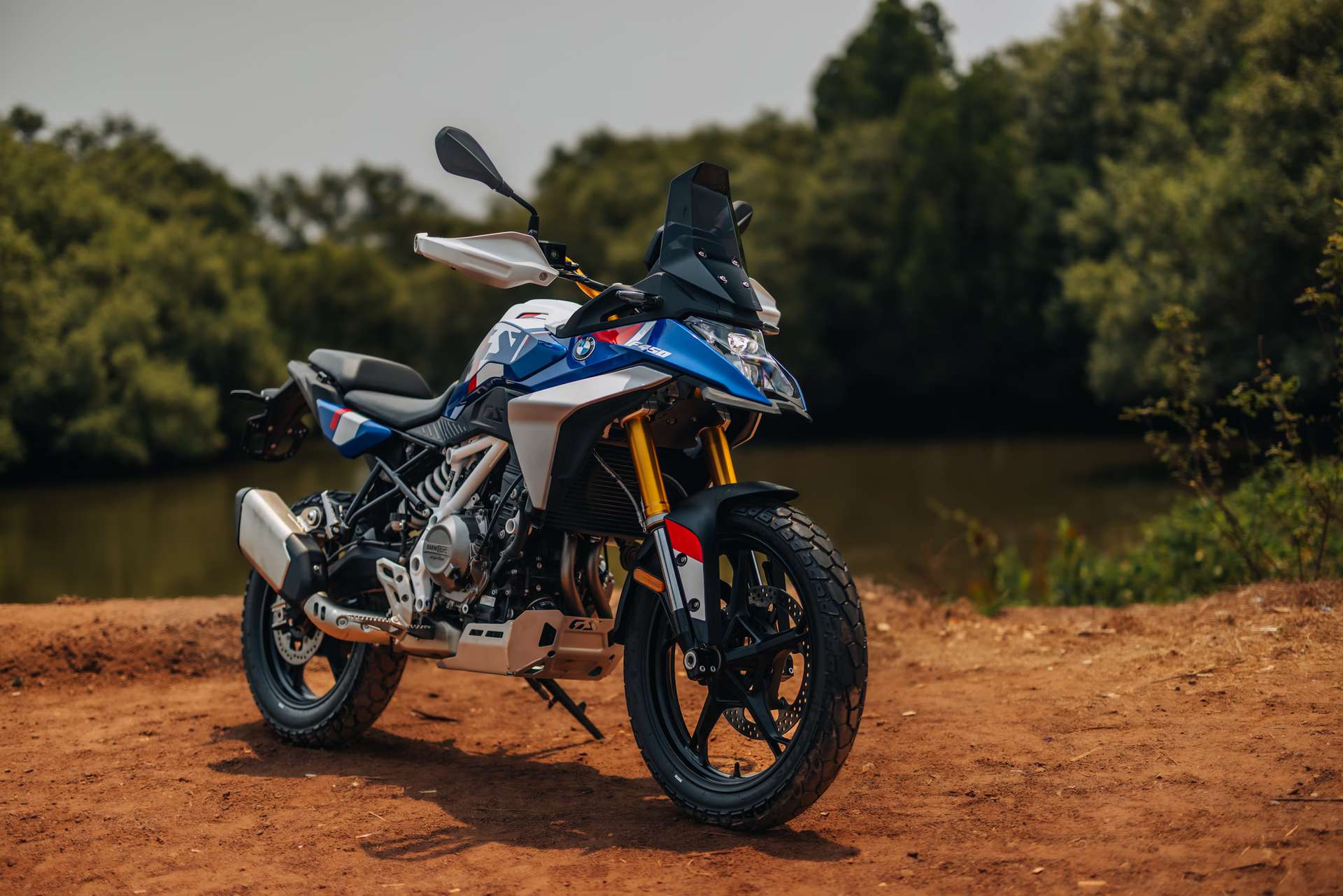
Starting with the design, the F450 GS mimics its higher displacement sibling, the R1300 GS, in many aspects, especially with the overall body proportions, with a cumulative look inspired by both the adventure tourer and the motorsports bike.
The R1300 GS factor reflects from the X-tronic element of the front fascia, sporting an LED-intensity automated projector headlamp. However, it does look distinguished for a unique identity. Moving downwards, the shrouds are integrated into the headlamp’s beak, giving it a rugged theme, and are functional for aerodynamics, which further follows to the functional (non-adjustable) tinted windscreen.
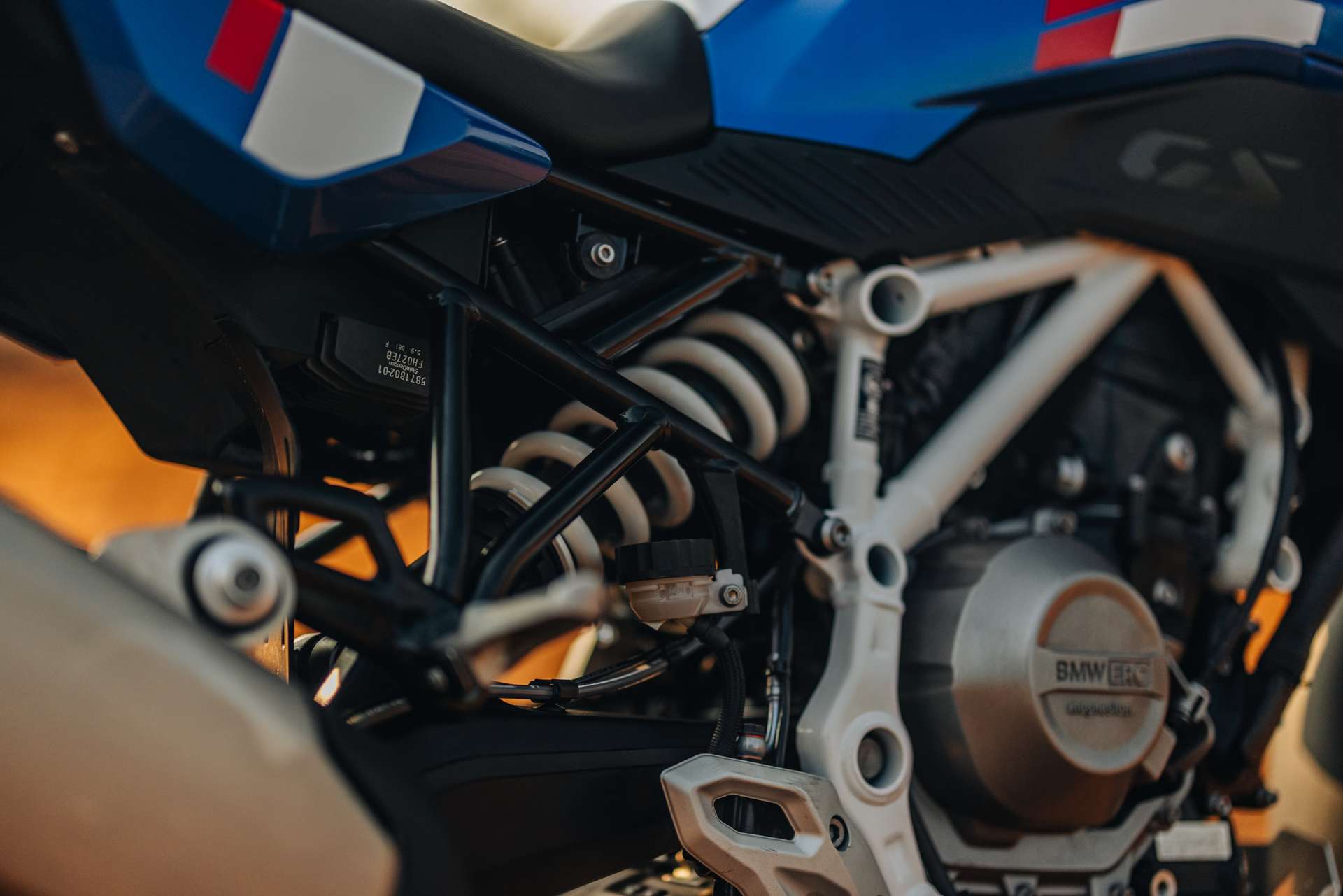
The F450, unlike other GSs, underpins a steel-trellis exposed frame, which portrays a sporty appeal, and this appeal further continues to the extremely sleek tail portion with submerged LED lights. The side blinkers are embedded into the headlamp and the tail-end tastefully and equip emergency brake alert or panic braking hazard functionality. This bike can be opted in three colour options depending on the tree variants, which are standard, exclusive, and trophy – the top-end variant. These variants are available with only alloy wheels, with front 19 and rear 17-inch tubeless profiles.
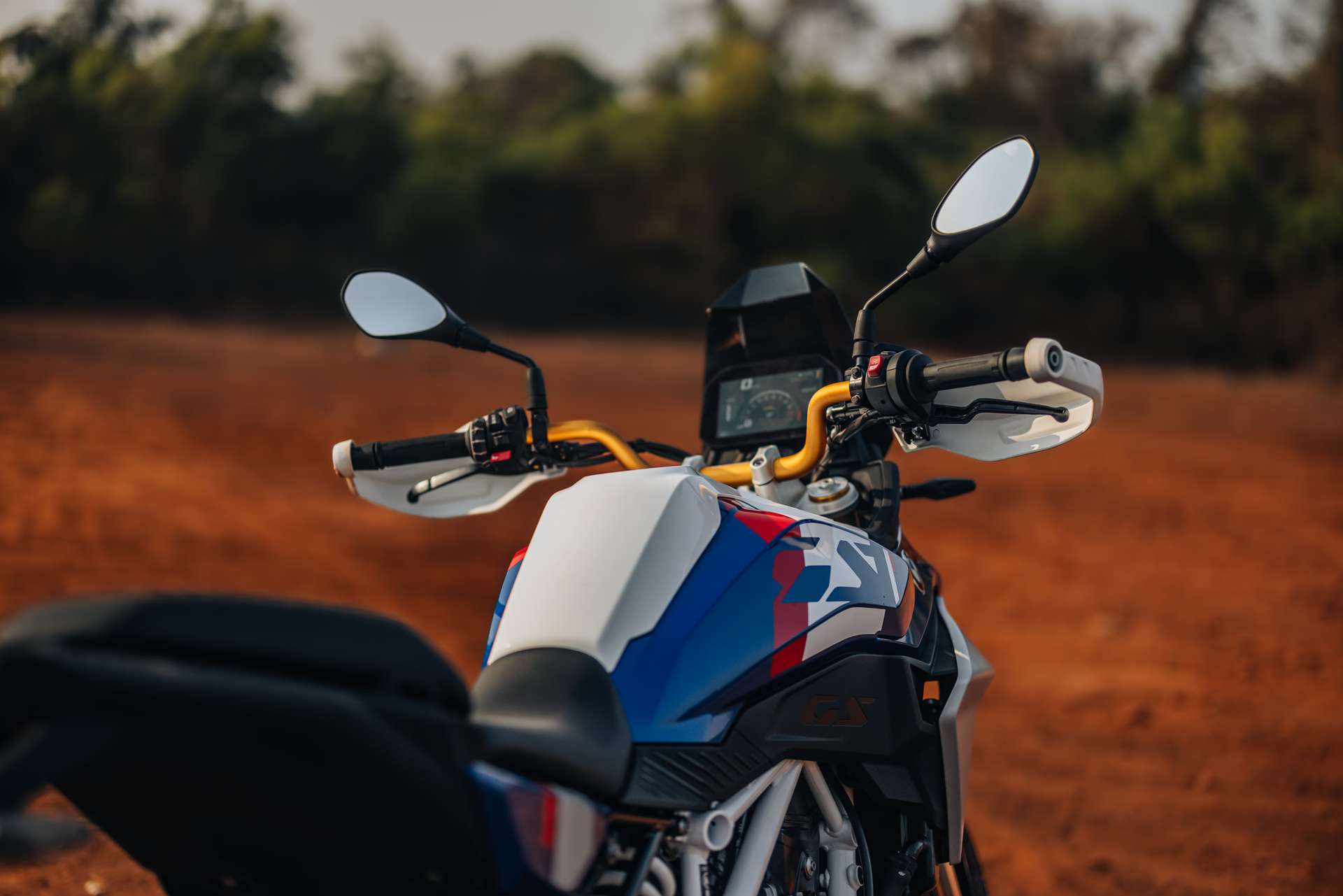
Although the spoked wheels can be had with spoked rims as an accessory. Mentioning the overall fit and finish, the multi-rotary dial and other switchgear experiences are sturdy, and the finishes are premium in feel, replicating any other GS in the market. The golden-shaded aluminium handlebar portions are 20m of risers complying with multiple riders' ergonomics and a 26.1-degree rake with a wider holding proportion.
The tank area also portrays a big-bike perception and has both e10 and e20 fuel compliance based on one’s convenience. The bike is also offered with a host of accessorised kits, including the saddle-rack, panniers, top-box, additional grab handles, handlebar guards, metal engine case, etc. The good part about this is the standard variant could also be equipped with some of the Trophy components.
Technology & Features:
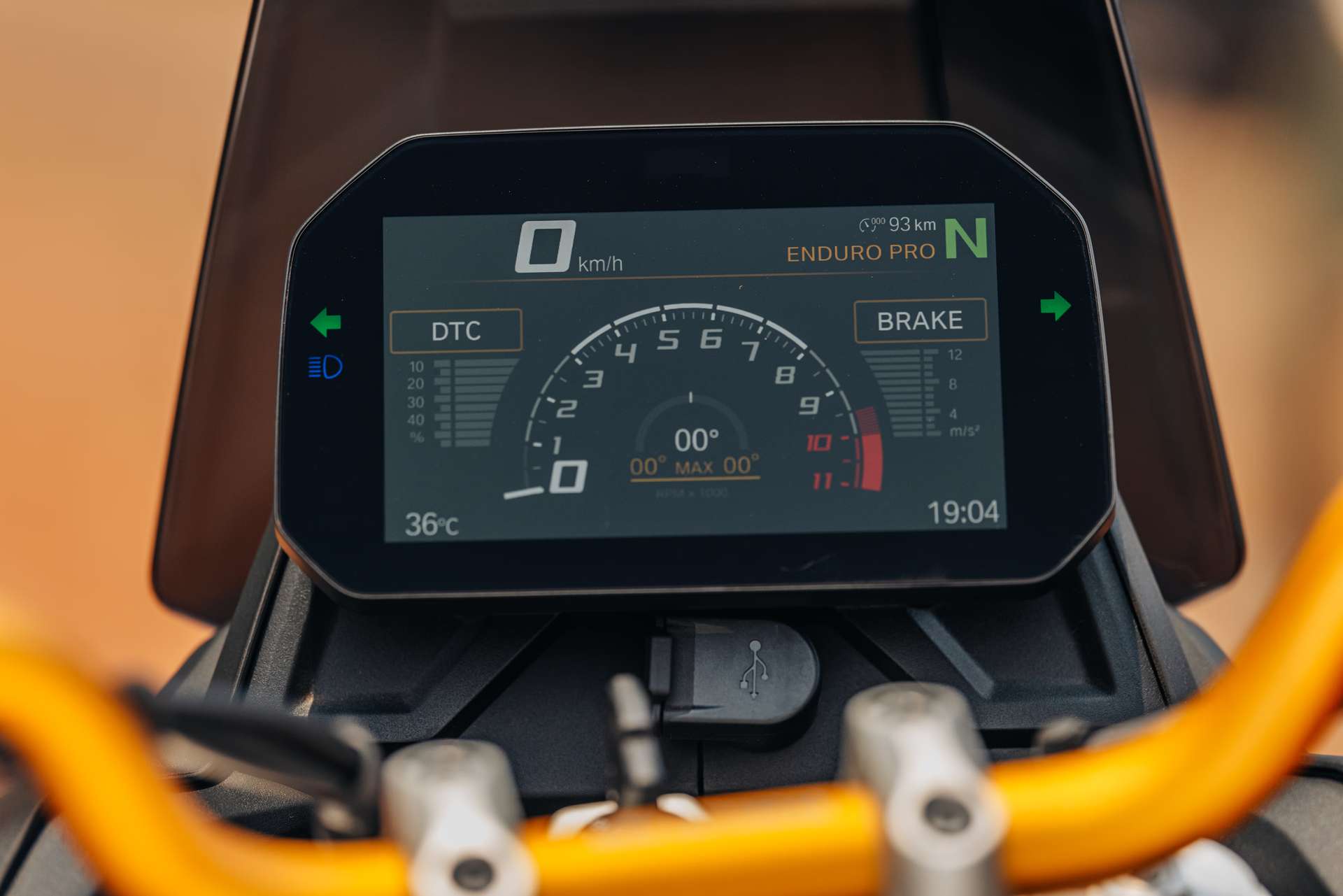
The F450 GS, when it comes to the electronics, is loaded with the bells and whistles in the top-end GS Trophy variant. At the centre, a 6.5-inch coloured TFT is carried from the higher-displacement Motorrad siblings, which doesn’t only pop message/call alerts via Bluetooth connectivity but, through its multi-device pairing, can be connected to the helmet’s intercom at the same time for music and other suits. Besides, as a convenience feature, a type-C charging port is also on offer.
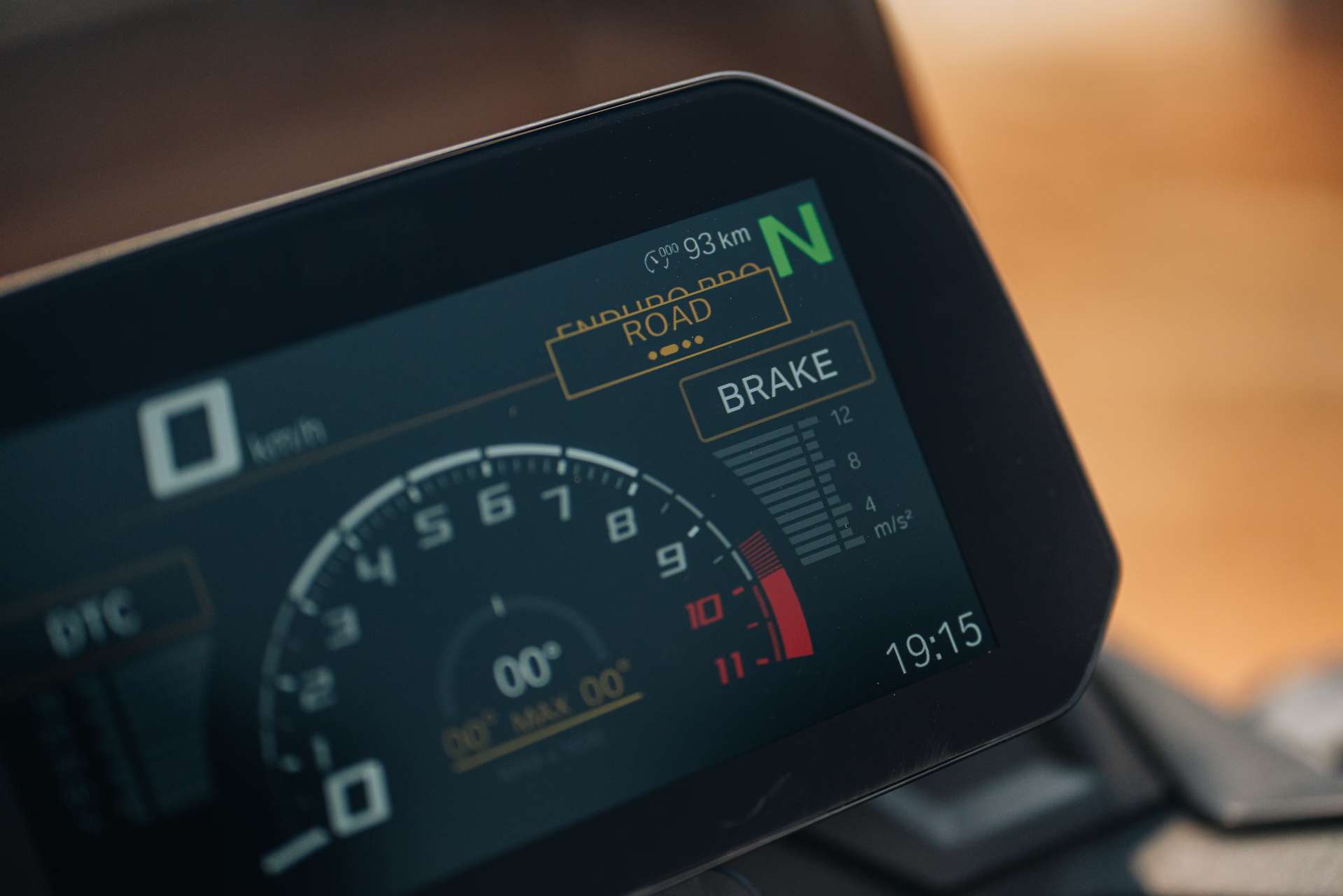
This digital dash also guides you through warning notifications for gear-shifting, clutch heating, or untimely RPM revs. Barring this, the navigation is unavailable. You either have to get it through official Mottorad accessories or use your own smart device clipping through a phone holder, which does seem to be a miss.
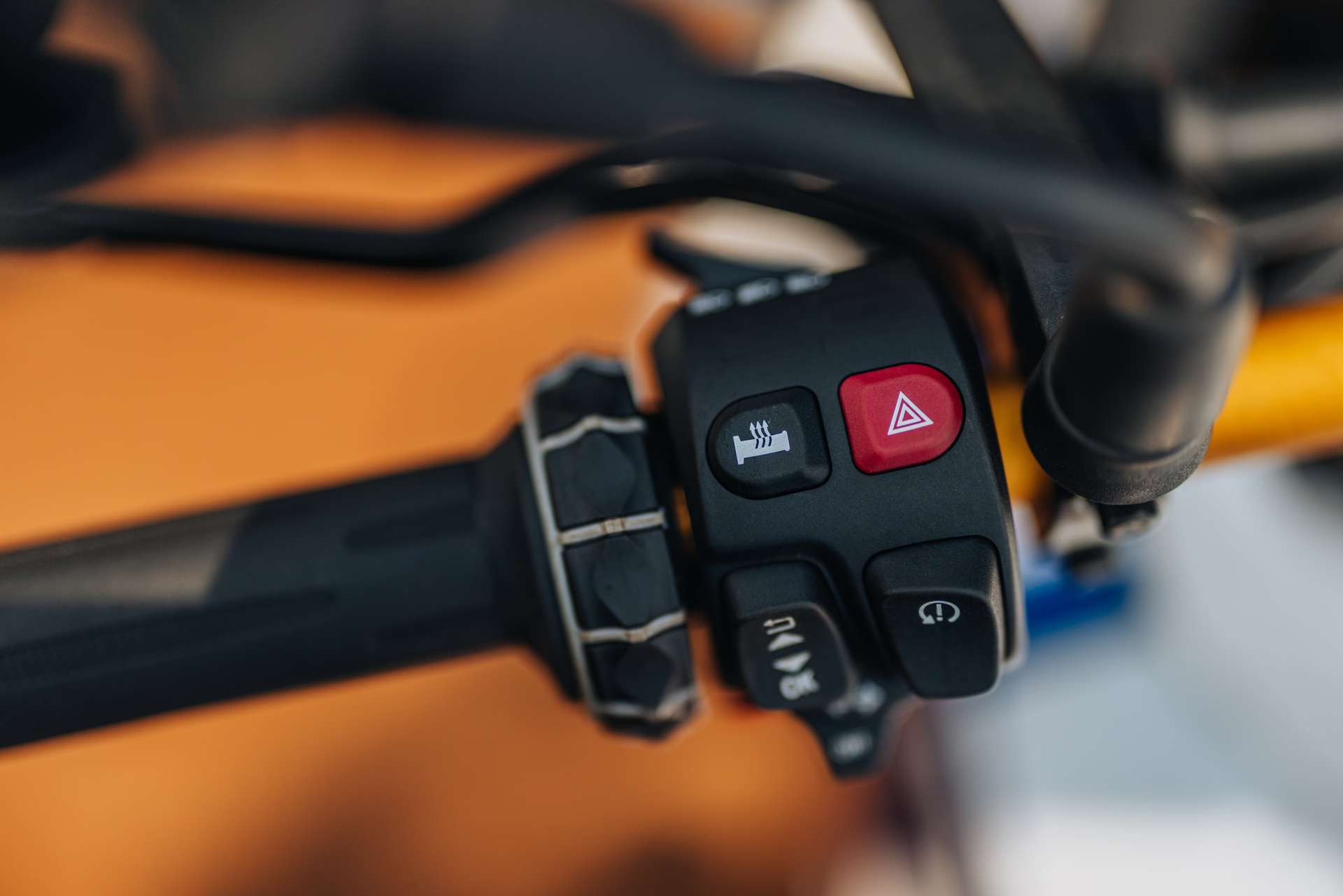
This TFT console features a rotary dial and tactile switchgear for its functionalities, whether it is toggling through multiple widgets or settings to enable certain modes. Besides, the grips are also heated for the convenience of riding in chilly weather.
Engine & Performance:
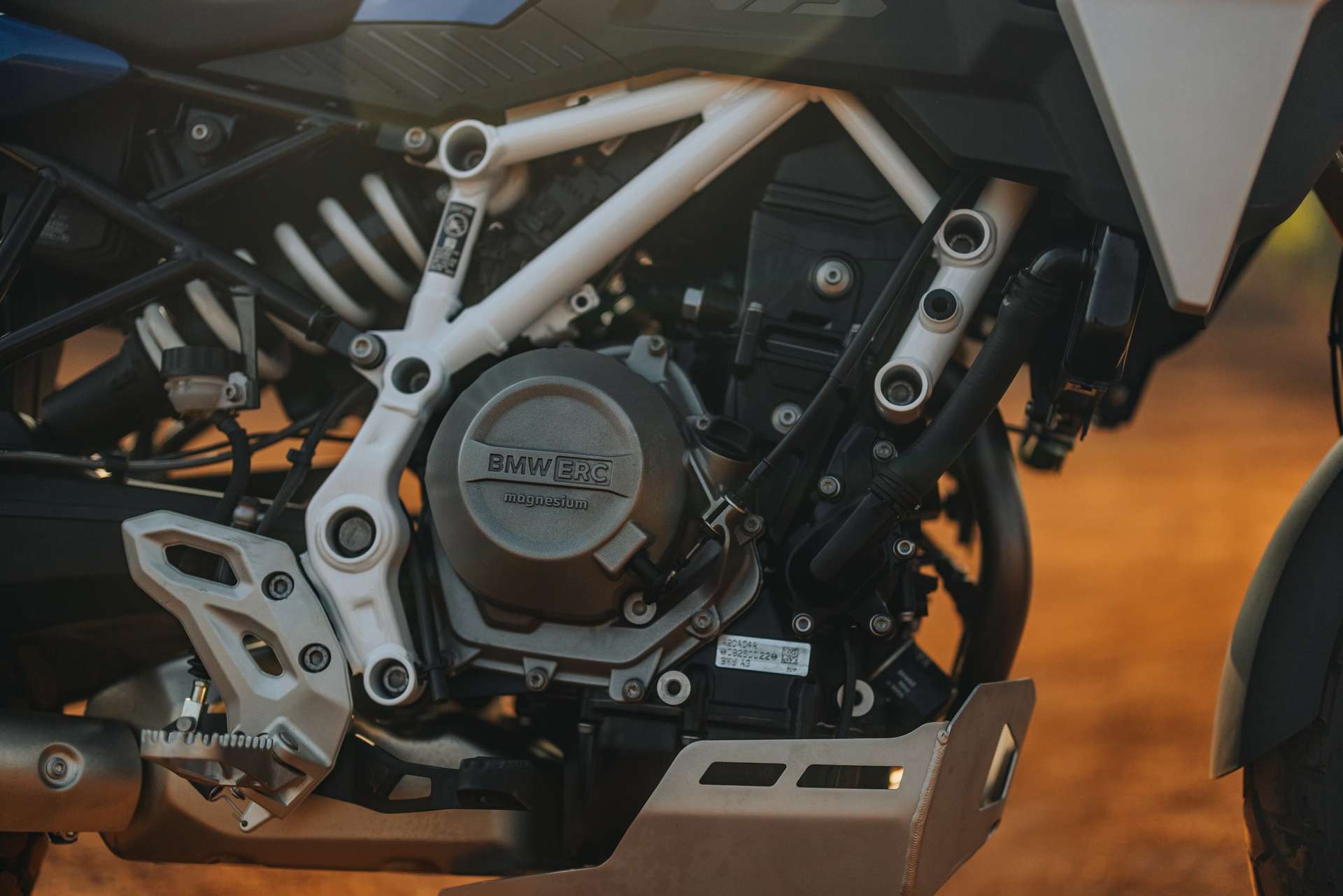
The F450 GS mulls power from an approximately 46.0 kg in weight, 420 cc parallel twin, four valves per cylinder displacement, which produces a power output of 48 bhp redlining at 8,750 RPM and a torque figure of up to 43 Nm at 6,750 RPM, where 80% performance is achievable at 3,000 RPM only. The numbers are equivalent to the Crossfire Storr 500, although it does not deliver on similar aggressiveness, being somewhere around the CF Moto 450 MT with the torque bandwidth.
This is primarily because, despite being a dual-cylinder, the engine features a crank degree of up to 135, whereas others use at least 180 degrees, allowing the torque delivery to be linear. The reason being this motorcycle is designed to cater to the interest of A2 licence holders. This will further let even the ones switching from 350cc onwards be attracted towards this bike, resulting in volumes later.
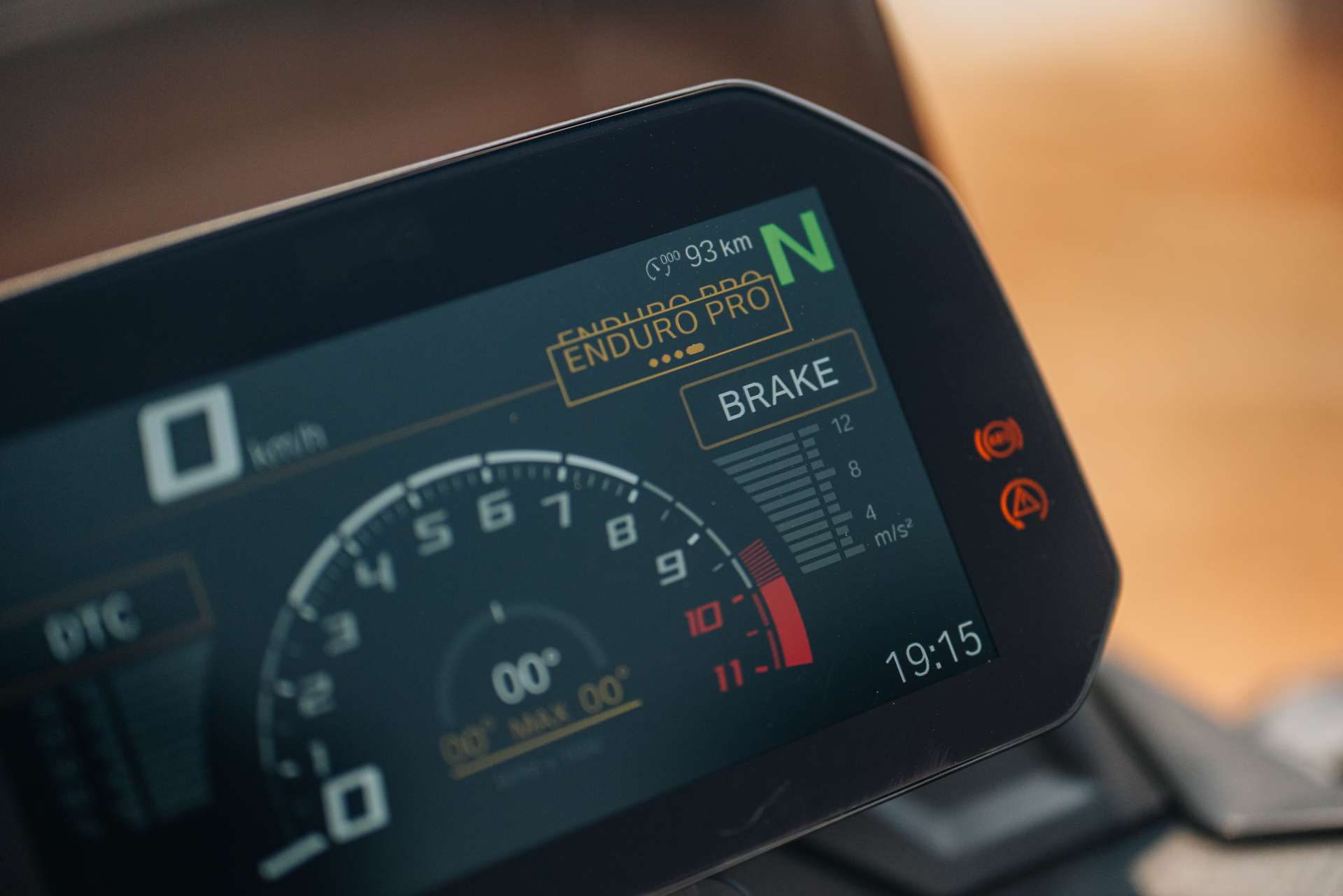
However, this does not mean the bike is underpowered in any sense; it is quite agile and peppy, thanks to the multi-ride modes depending on different scenarios, where the enduro and enduro pro are considered to be the most performance-centric options, where reaching the triple digits, even above 145 km/h, is at ease, and at the enduro pro, sometimes even the limits beyond the claimed top speed of 165 km/h are achievable. Although, I would advise you to stick between 90 and 120 kmph, which does not require these modes to be operated, because that is the sweet spot of this engine, and you can easily do highway laps with the same.
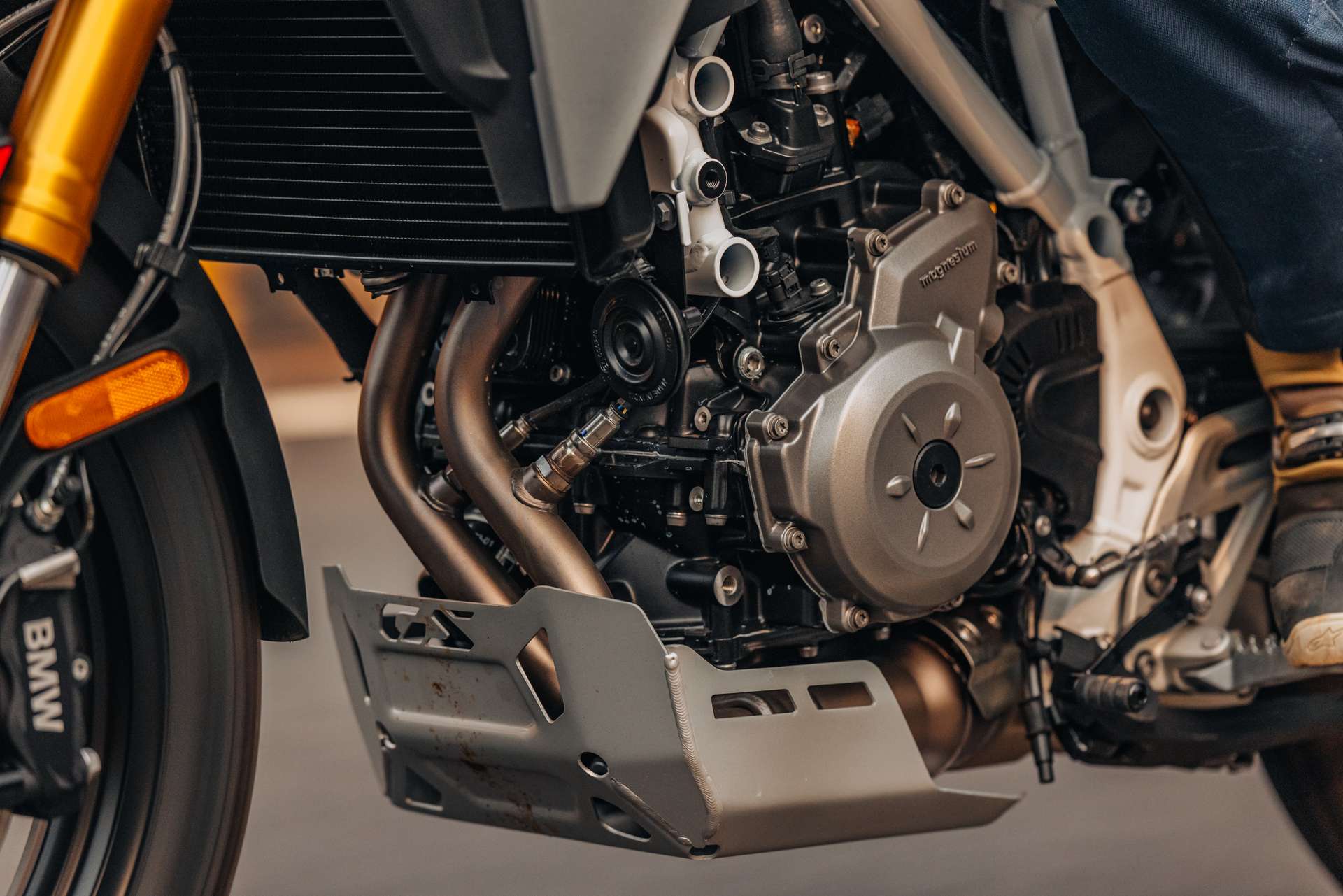
As said, the engine uses 8 valves with variable liquid cooling, due to which, firstly, there is hardly any heating issue, and the engine does not feel stressed inclining a hill-top even on lower gears. The vibrations, though, are noticeable, but only when you accelerate above 170 km/h, and that is also manageable, as the displacement is superbly refined.
This engine is mated to a 6-speed transmission, which utilises a balancer shaft for smooth shifting throughout, maintaining both the high-speed to low gears and low-speed to high gears combinations throughout. This is quite handful during bumper-to-bumper city manoeuvres and immediate overtakings, which I would suggest to avoid for obvious reasons.
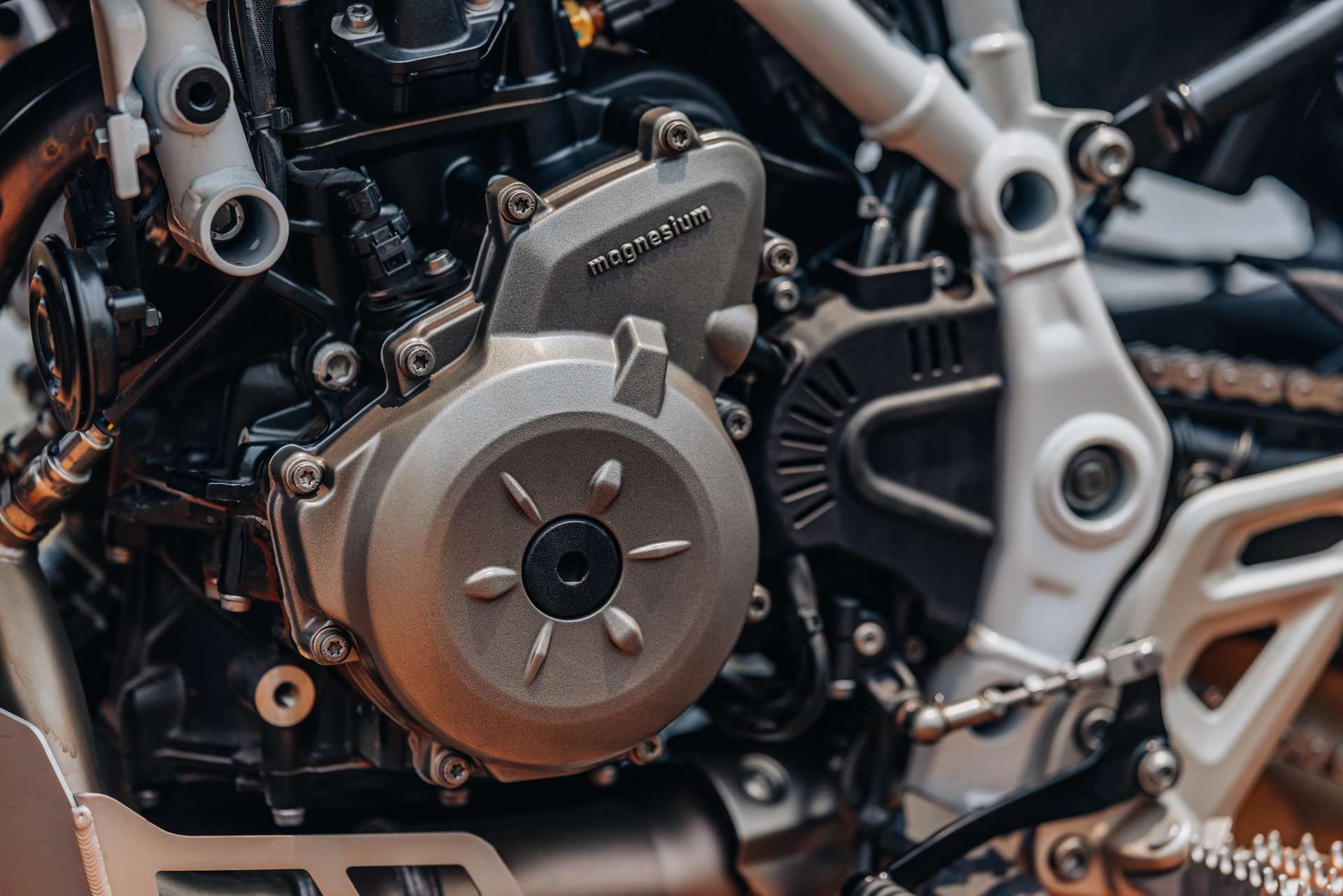
Talking of fuel efficiency, the bike features a 14L tank, which claims a figure of 26.31 kmpl, but for real outcomes, within city rides you can achieve around 14.0 to 17.0 kmpl, and even in extreme riding the figures are not expected to drop below 8.0 kmpl. I know the numbers are not impressive, but for a dual-cylinder bike this is reasonably good.
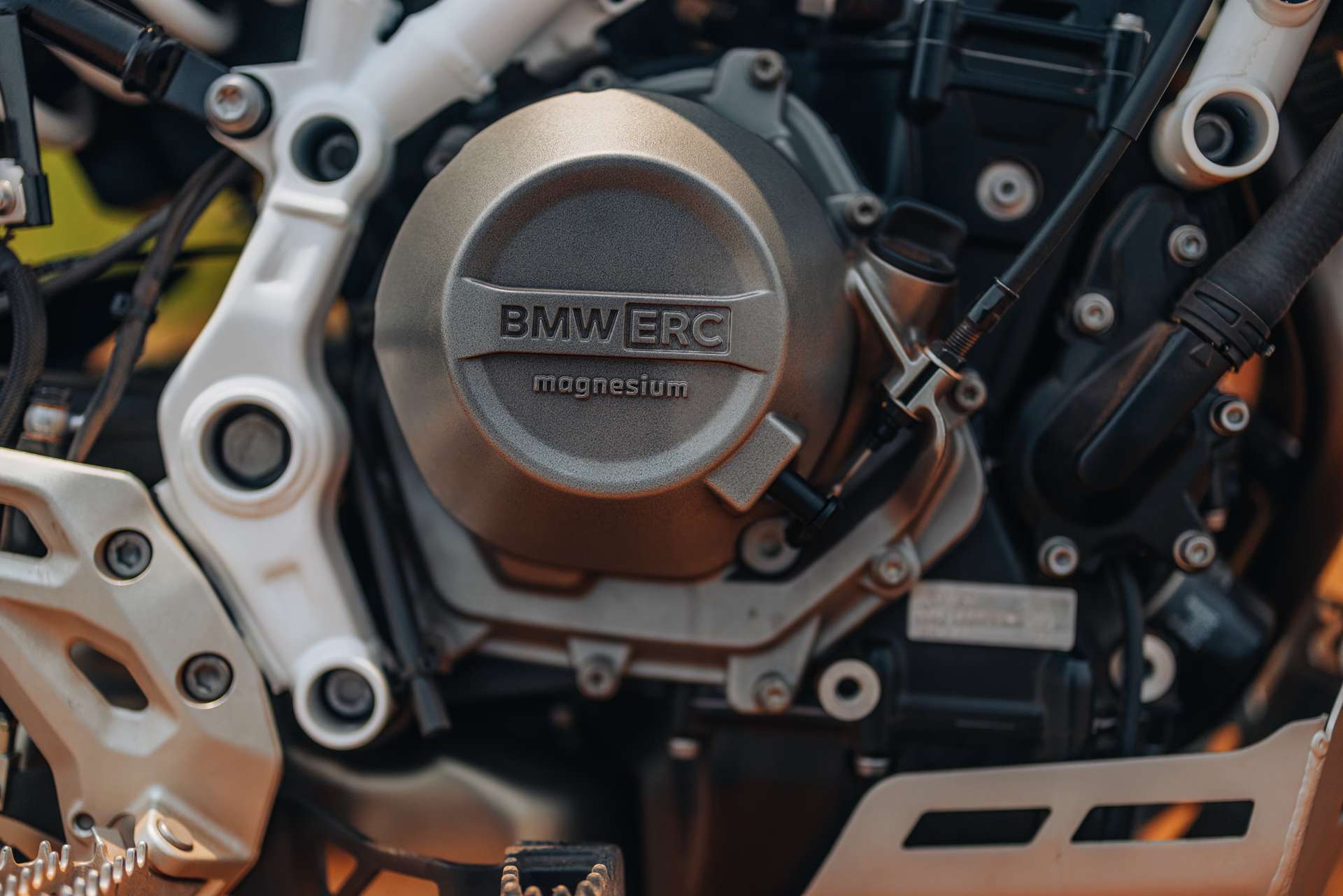
Now, coming onto the major highlight of the powertrain module, the ERC, standing for Easy Ride Clutching. So, what is it? Actually, it disengages your clutch at 2,700 RPM until you override it manually, somewhat similar to Honda E-Clutch with a centrifugal clutching mechanism, without utilising the servo-operated actuator, yet the bi-directional quickshifter is taken care of for both up and down shifts, acting as a semi-automatic transmission, or even to gearshift when not using the quickshifter, mostly during slow manoeuvres until the speed dips to stopping again, avoiding stalls. The levers are also adjustable for light clutching and braking experiences, in case the rider prefers to ride traditionally.
Ride & Handling:
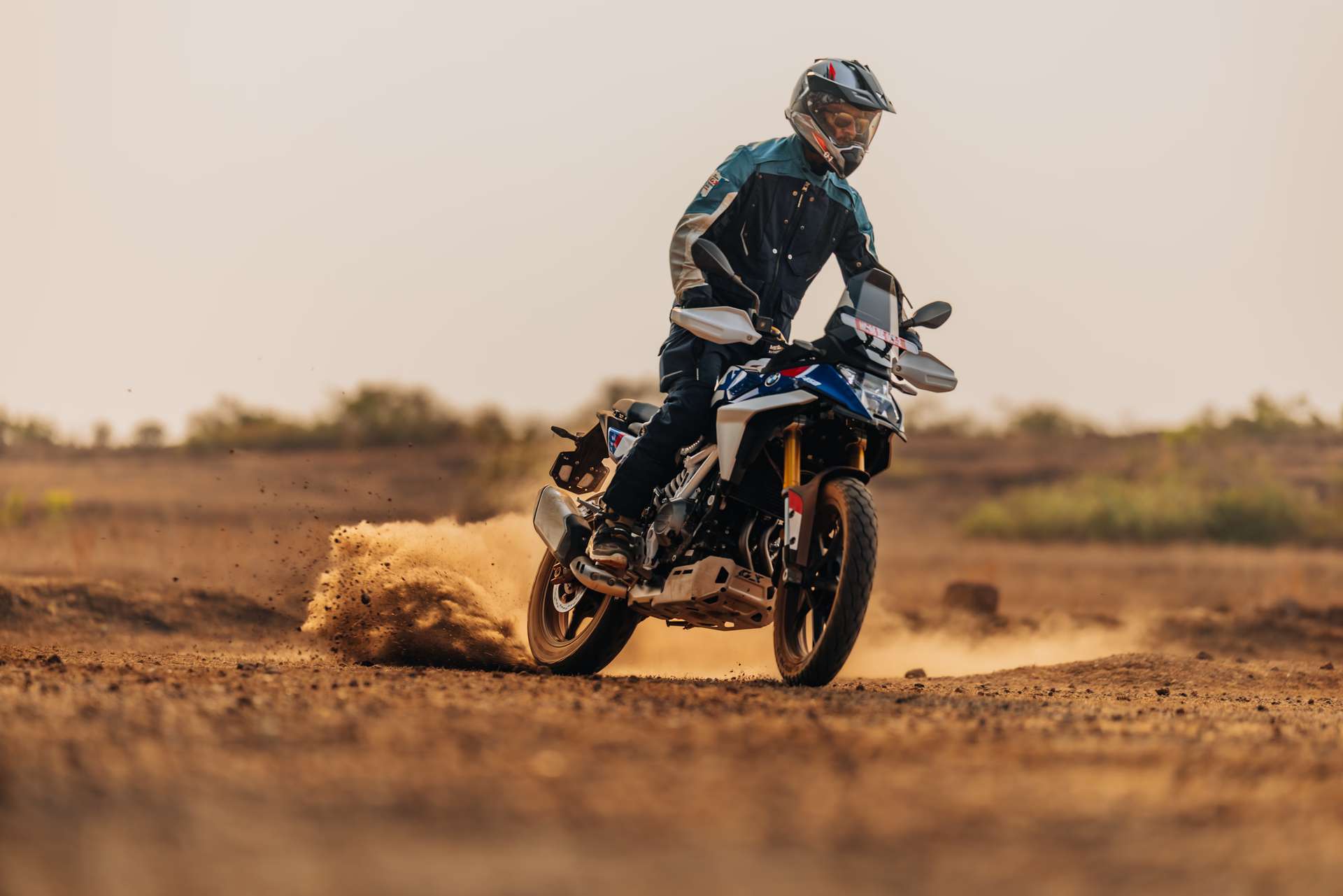
Moving on to the ride & handling, the electronics also pack a dynamic traction control, which boosts the off-roading capabilities of this 178 kg ADV, slowing down the power output from the engine while the bike crawls through slippery surfaces, maintaining a constant speed to avoid undulations. The lightweight is coupled to a wider rear 130-section block-patterned tyre for better gripping around slippery surfaces. Anyway, since the rear tyre is smaller with a 17-inch profile, it provides excellent high-speed cornering stability, which comes in handy during hairpin turns.
The footpegs are set to the centre positioned, so you get a comfortable riding position, and due to its larger area, saddling is also an easy task, which lets you be confident during extreme trailings, highlighting the rugged, yet nimble characteristics of this bike. The handlebar has a rake angle of 26.1 degrees, with a wider handlebar portion that gives a stretch-free, painless experience even in longer rides.
The wheelbase is shorter than the Himalayan 450 at 1,465 mm but suitable for the extended wheelbase category. Therefore, not just the turning radius will be shorter, but the body stability will also be uncompromised in any condition, ensuring safety all round.
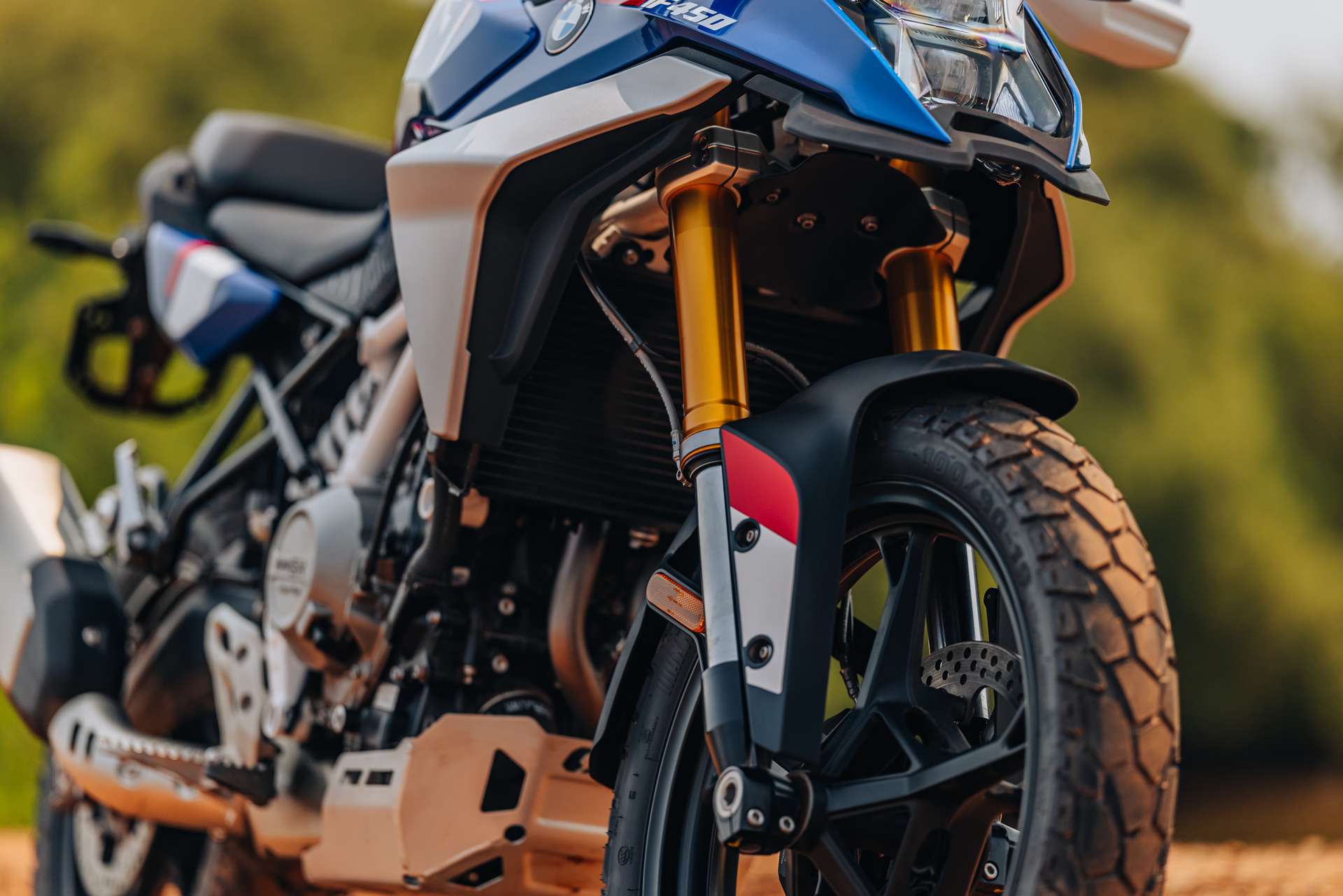
The comfort is further enhanced with the KYB-featured 43mm fully-adjustable front USD (upside-down) forks, which have accurate rebound and damping, and rear suspension is handled by a 7-step preload monoshock with required compression and preload.
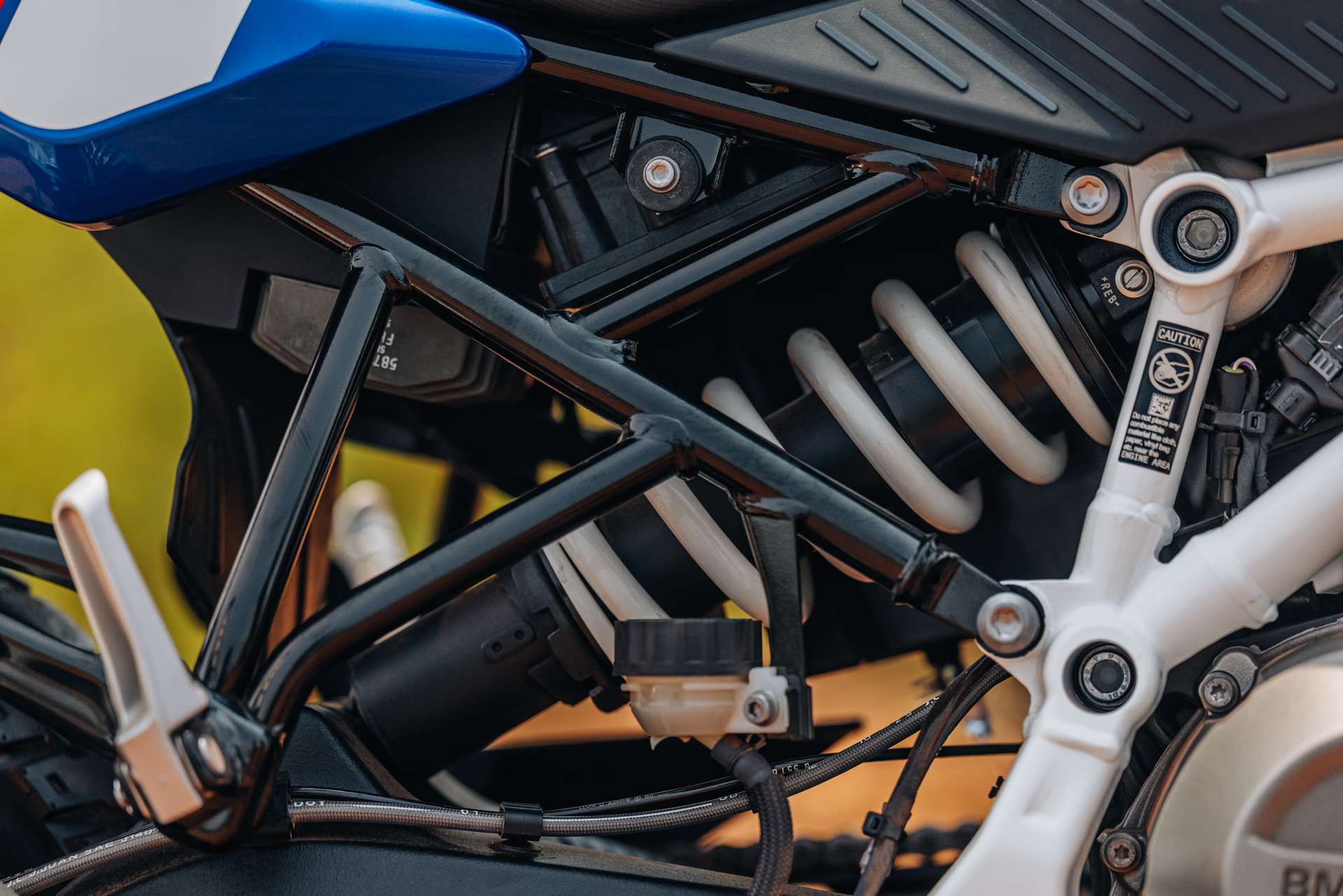
The setup all allover can be adjusted for both stiffness and softness depending on one’s rideability. So, whether it is long highway cruises, mountain rides, or conditional off-roading, the suspension will act as per condition, keeping your ride comfortable and hassle-free without letting any impact be transferred to both the rider and pillion. Furthermore, mentioning the pillion seat has an extendable option of 845 mm.
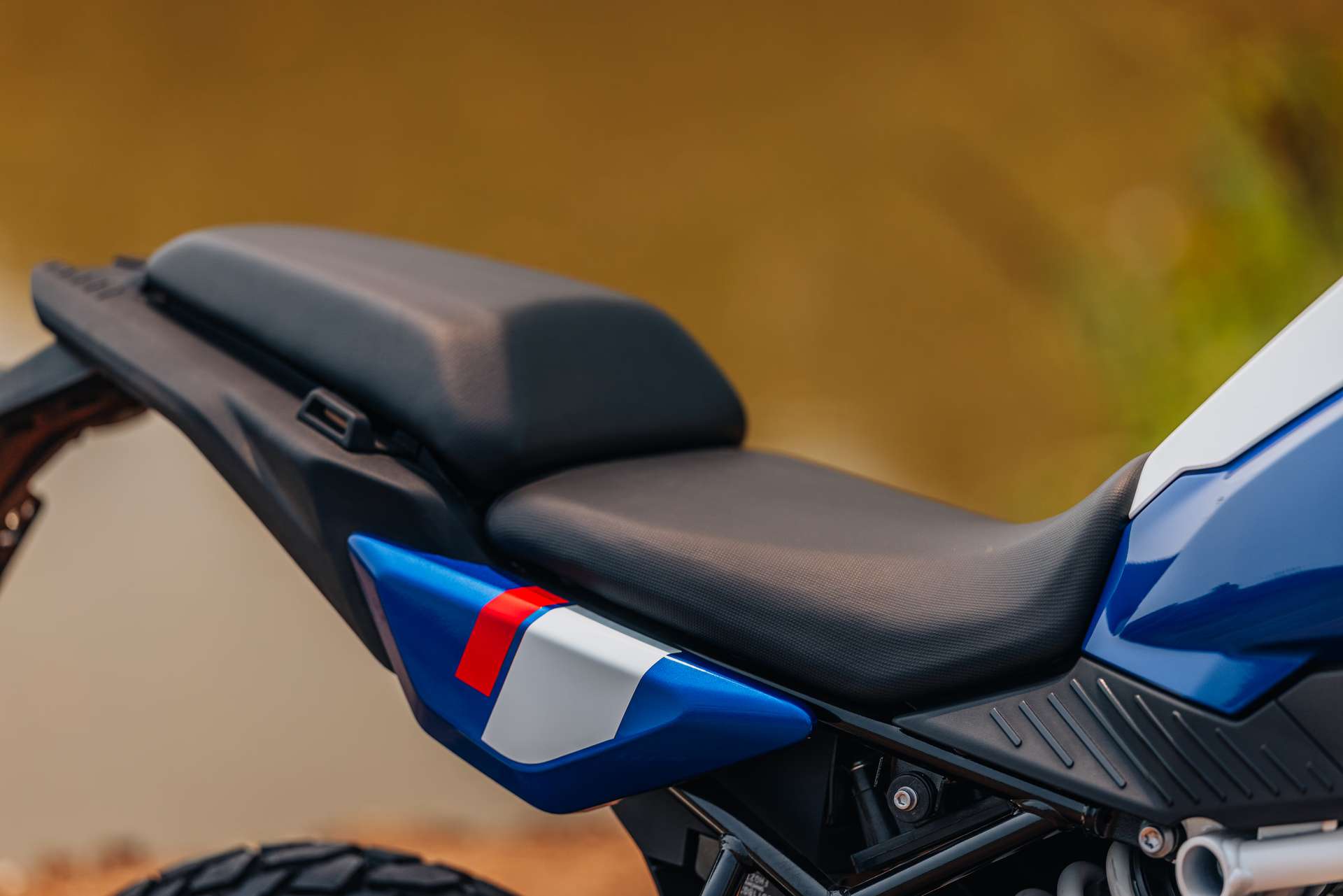
Having that said, the pillion can easily ride for more than 100 Kms in one go. The high ground clearance of 220mm also helps it cross waterlogged or broken roads with comfort since the rider sits at a commanding height from the surface.
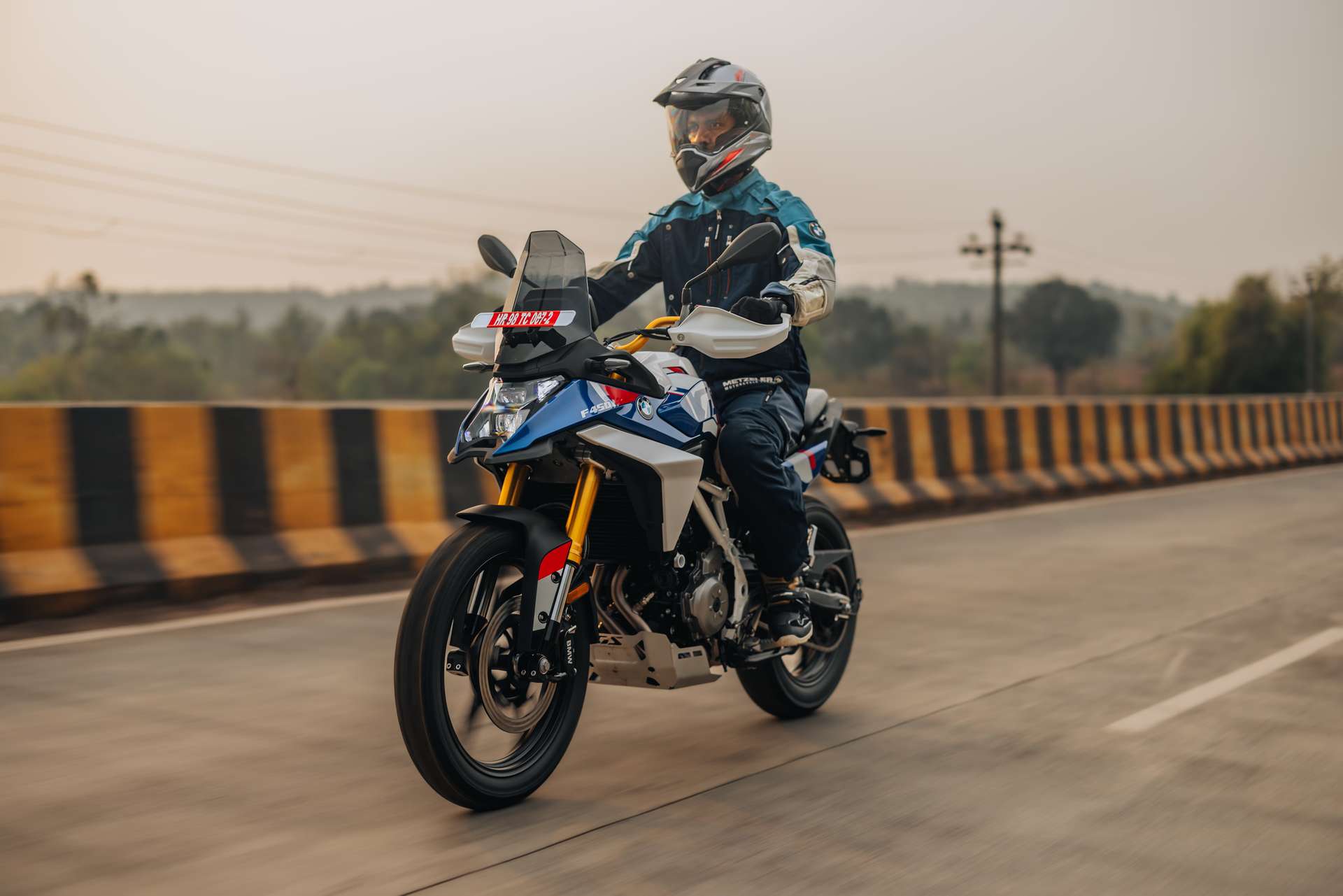
The braking is taken care by four piston radial at front, and single piston floating calliper at the rear end, synchronized with lean sensitive ABS Pro, which slows down the bike at corners for sharp turnings at a constant speed rate. Meanwhile, the dynamic brake control prevents open throttle while the brakes are applied. The sintered pads has a spot on holding without getting the tyre locked; averting wear and tear. I emergency braked at 90 kmph, and was able to brake effectively.
Verdict:
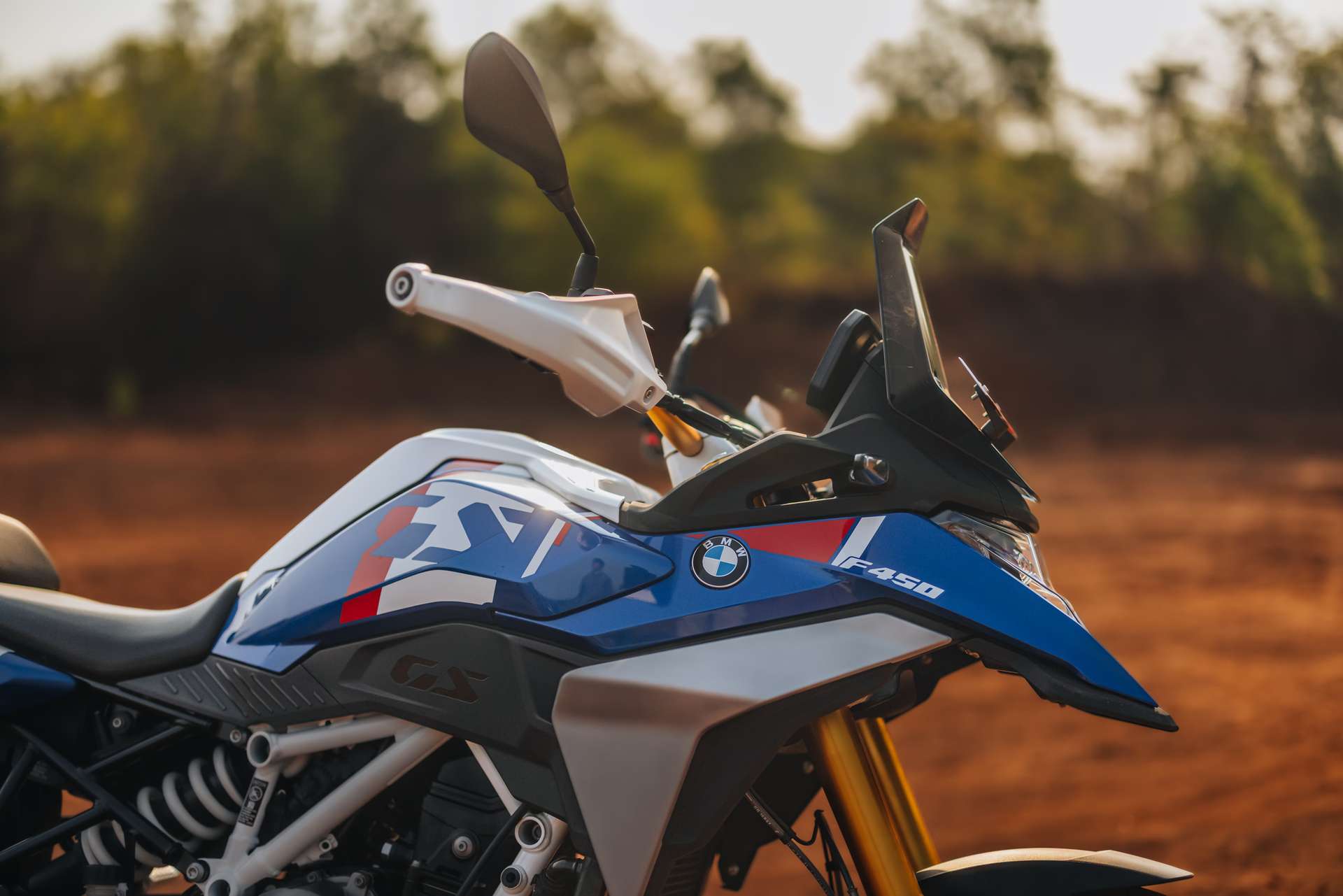
The F450 GS was expected to attract volumes getting head to head with the Himalayan 450, and upcoming rivals such as CF Moto 450 MT and Brixton Crossfire Storr 500. Nothleless, the pricing is set to the premium end. In real world the Honda NX500 is practically a real rival to this bike, but since that is a CBU routed model, it is costlier, and does not offer much in terms of choice. Hence, is incomparable in regards to the Indian market. The cost for the standard variant starts at ₹4.70 Lakh (ex-showroom). Whereas, the Exclusive (mid-end) variant goes till ₹4.90 Lakh (ex-showroom). Similarly, the GS Trophy (top-end) variant costs at ₹5.30 Lakh (ex-showroom).
If you think the pricing places the entry-level GS above the Himalayan then you’re mislead. What sets the F450 GS apart from the 450cc mid-weight ADV segment is the value proposition it has to offer in terms of loaded electronics, higher-end features from the bigger displacement categories under BMW Motorrad, unmatched performance despite designed to cater A2-licencers, and a hoist of customisation options, which can be had with any of the three variants based on one’s budget and preferences. This bike doesn’t feel a competition, but a level forwarded, and thus it signals of creating a separate consumerbase.


अपनी परफेक्ट बाइक खोजें

Brand

Budget

Body Type

Fuel

Mileage

More
नवीनतम बाइक वीडियो

अन्य बाइक विशेषज्ञ समीक्षाएँ


Vihan AI - Your Car assistant
Ask me anything about cars, prices, and comparisons.