ELECTRIC
Impact of Poor Lubrication on Your Vehicle’s Performance and Longevity
 Add CarBike360 on Google
Lubrication is key to your vehicle’s performance and longevity. This article covers the effects of poor lubrication, its causes, and tips to prevent it, ensuring your vehicle runs smoothly and lasts longer.

By Himanshu Joshi
Feb 12, 2025 05:53 am IST
If you own a vehicle, you may be aware of the importance of vehicle maintenance. One of the most important factors of maintenance that is often overlooked is lubrication.
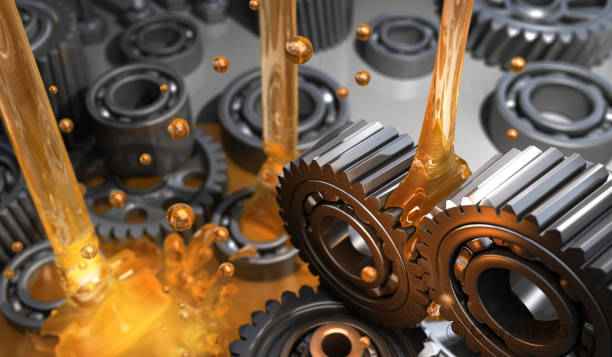
Lubrication is very crucial for moving parts of a machine. It reduces friction, regulates the temperature, and keeps the dust and debris away from the components. Not only that, it also makes it easy for mechanical moving parts to roll smoothly without louder noises.
If you do not lubricate your vehicle with relevant types of lubricants, the components will grind each other and can be damaged completely in the long run. Additionally, the performance of the vehicle will be impacted and it will not be sustained in the long run.
In this article, we will discuss the impacts of poor lubrication on your vehicle’s performance and longevity.
Impact of Poor Lubrication on Your Vehicle’s Performance and Longevity
Lack of proper lubrication on mechanical components in a vehicle can have several negative impacts on its performance and longevity.
Under-Lubrication
A lack of lubrication can cause excess heat and unusual sounds such as creaking or rattling, to come from the engine. Additionally, the moving components can grind with each other which can lead to severe damage to the overall engine. This will cost you a lot of money, so it is better to have your vehicle properly lubricated.
Over-Lubrication
Too much lubrication, often due to the wrong grade or type of lubricant, can cause poor flow, slowing down the engine and increasing power usage, which may result in decreased fuel economy.
Moreover, over-greasing or using excessively thick lubricants can cause buildup within moving components, potentially leading to jams that require additional maintenance and downtime.
Reduced Performance and Functionality
Using improper or the wrong lubricants for transmission systems can cause wear, corrosion, and overheating, potentially leading to system failure. The incorrect transmission lubricant might be either too thick or too thin which increases the risk of metal-on-metal contact or results in a shorter lubricant lifespan and inadequate lubrication.
So it always becomes important to have a close check on the labels of your lubricant product to ensure that you are spending money on an appropriate product that will add to your vehicle’s maintenance and health.
If you do not know how to read the labels of lubricant products, this guide will help you to decode them and ensure you are using them correctly.
Increased Wear and Tear
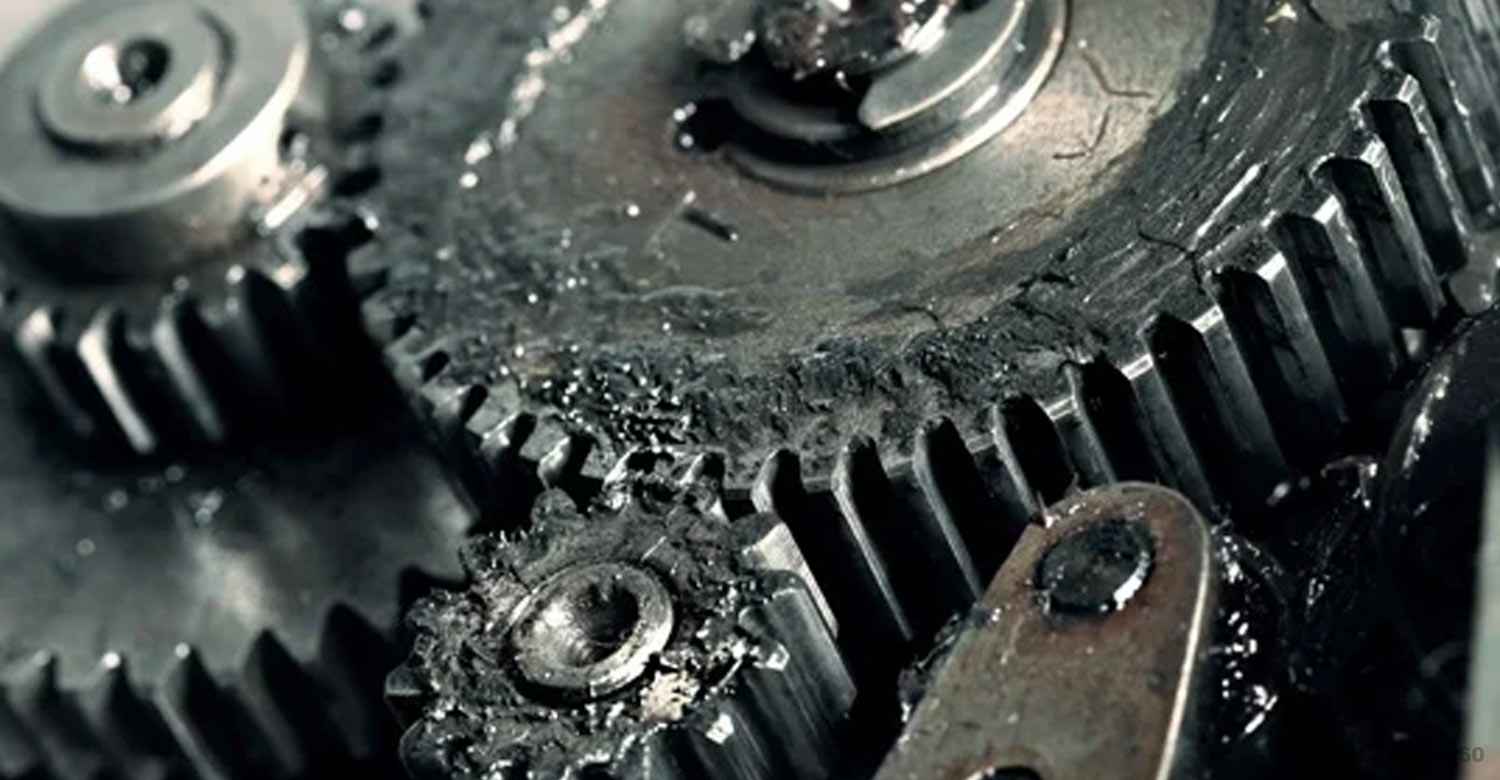
Without proper lubrication, friction between moving parts increases which leads to accelerated wear and tear. Components grind against each other, causing extensive damage over time.
Engine Sludge
Failing to change oil regularly can lead to the formation of sludge, a thick substance that blocks oil flow and can cause engine damage.
Gear Slippage
Insufficient lubrication in the transmission can cause gears to slip, causing high-pitched noises and the engine will not engage gears effectively and efficiently. As a result, you may face costly repairs and the overall vehicle health will be compromised.
Hard Shifting
Dirty or old lubricants make it difficult for vehicle components to move/shift smoothly, which leads to hard movement and damage to the components.
Transmission Failure
In severe cases, a lack of proper lubrication can cause the transmission to fail completely, leading to costly repairs or replacement.
Higher Repair Costs
If you do not lubricate your vehicle properly, it can lead to component wear and costly repairs.
Decreased Vehicle Lifespan
A lack of proper lubrication can shorten the lifespan of a vehicle by causing irreparable damage to key components.
Now you know what will happen to your vehicle and its engine when there is poor or insufficient lubrication on its moving parts. So, what are some causes of insufficient lubrication? Let’s have a look.
Causes of Insufficient or Poor Lubrication
There are various causes of insufficient lubrication. Here are the most common ones that you should take into account.
- Lack of maintenance of oil filter.
- Lack of sufficient oil in the sump.
- The use of an improper oil inlet gasket restricts oil flow.
- The presence of carbon buildup in the oil feed pipe.
- Silicone applied to the oil inlet gasket causing obstructions.
- Sludge or carbon buildup in the bearing housing due to high-temperature shutdowns.
- A malfunctioning, clogged, or poor-quality oil filter.
- Not priming the turbo with oil before its first operation.
- The engine remaining idle for extended periods, particularly in cold conditions.
- Oil feed pipes that are bent or kinked.
- The use of the wrong oil grade.
Prevention of Insufficient or Poor Lubrication
You can consider these steps to ensure that your vehicle is properly lubricated.
- Change your engine oil and lubricate the necessary parts regularly to reduce the risk of wear.
- Use the manufacturer-recommended oil grade in your vehicle.
- Check the oil levels regularly for engine oil, clutch fluid, brake fluid, coolants, etc.
- Keep a close check for leaks and pilferage around the engine or oil pan.
- Regular replacement of oil filters is crucial for sustainable performance.
- Look for clogs and blockages in the oil feed pipe and oil pump.
- Monitor engine temperature as overheating may break down oil that can cause poor lubrication.
- Keep your engine start regularly if you do not drive regularly, especially in cold weather.
- Always use best quality products such as oil filters, gaskets, and seals.
- By following these tips, you can prevent poor lubrication in your vehicle. This will help to keep your vehicle parts healthy and extend their life
Conclusion
Lubrication is essential for every kind of machine. If you overlook best practices to properly lubricate your vehicle, then you may end up spending a lot of money on maintenance and repairs. Also, poor lubrication reduces fuel efficiency and impacts other key aspects of vehicle performance. So, it becomes crucial to lubricate your vehicle components regularly and make them perform smoothly and live longer.
Also Read: How Often Should You Change Your Engine Oil? A Complete DIY Guide


You May Like





Latest Lubricant Videos


Listen to Lubricant Audios