

 ELECTRIC
India’s Traffic Challans Explained: What Every Two-Wheeler Rider Should Know
 Add CarBike360 on Google
Navigate India's traffic rules easily: key challans, fines for no helmet (₹1,000), triple riding (₹1,000), overspeeding & more for safe two-wheeler riding.

Mar 12, 2026 12:06 pm IST
Published On
Mar 12, 2026 06:48 am IST
Last Updated On
Mar 12, 2026 12:06 pm IST
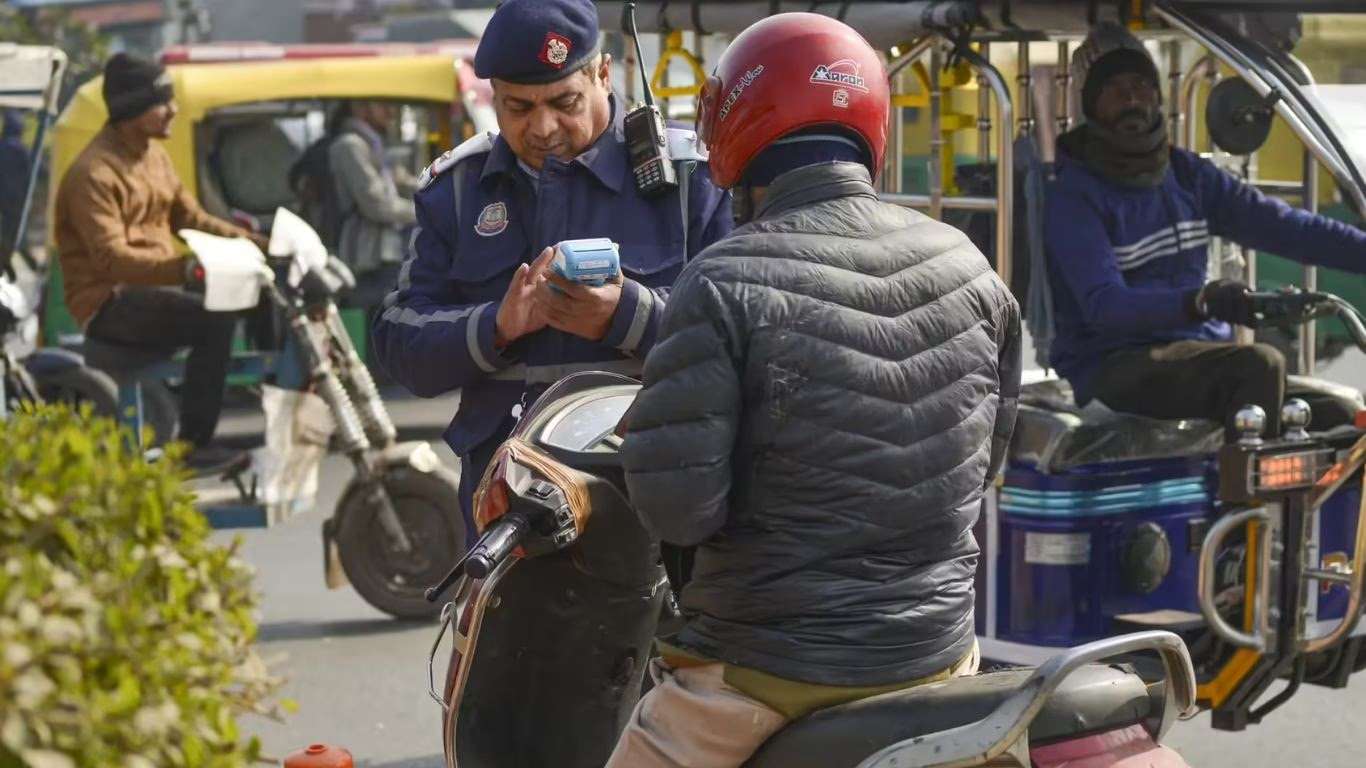
India’s Traffic Challans Explained: What Every Two-Wheeler Rider Should Know
What is a Traffic Challan?
Key Points to Know about Traffic Challans:
- They are issued for offenses ranging from minor violations (like not wearing a helmet) to serious ones (such as drunk riding or reckless driving).
- Payment and tracking of challans can be done online through state transport websites or mobile apps, providing transparency and convenience.
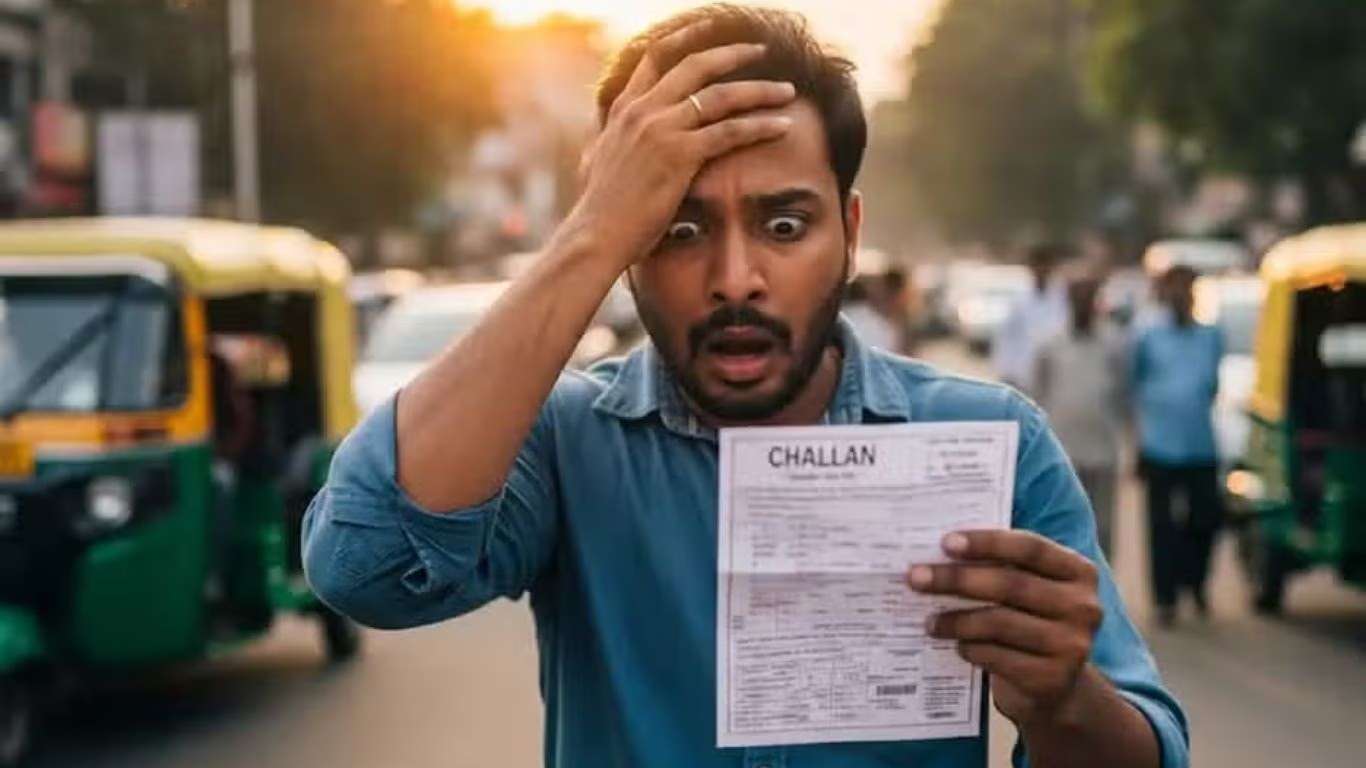
- Ignoring a challan can lead to higher fines, legal notices, or even suspension of your driving licence.
Note: It is essential to understand that receiving a challan does not automatically mean you are guilty; you have rights to verify and contest it, which will be discussed later.
Common Two-Wheeler Fines
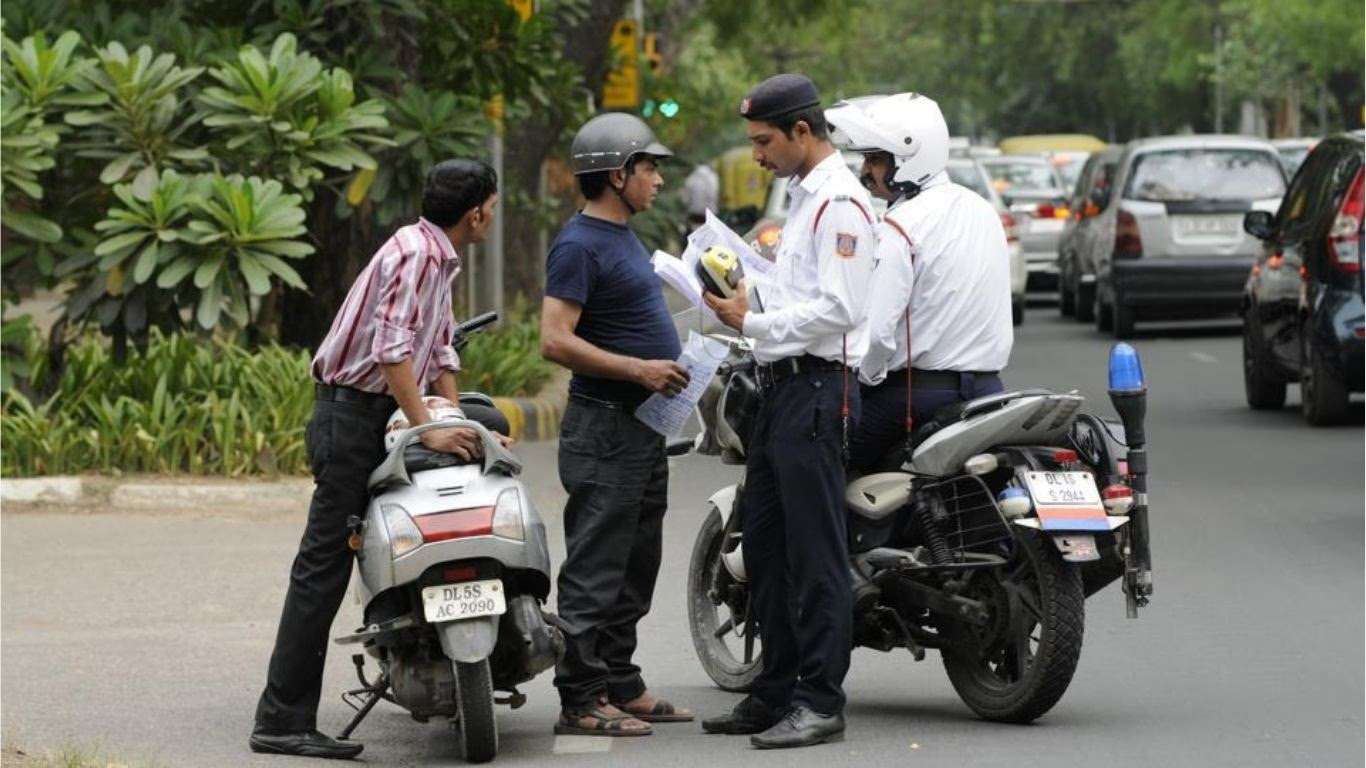
Being aware of the fines associated with common two-wheeler violations can help riders stay cautious on the road and avoid unnecessary penalties. Many riders end up paying fines simply because they are unaware of the rules or the actual penalty amounts. Understanding these fines not only encourages responsible riding but also helps ensure that you are not charged more than what is legally applicable.
The following table summarizes frequent offenses and their approximate fines in India (2026 updates):
Offense | Fine Amount | Additional Penalty |
Riding without a helmet | ₹500-₹1,000 | Licence suspension for 3 months |
Triple riding | ₹1,000 | Licence disqualification for 3 months |
Drunk riding | ₹10,000 | Possible imprisonment up to 6 months |
Using a mobile while riding | ₹500-₹1,000 | - |
Jumping a red signal | ₹500-₹1,000 | - |
Driving without a licence | ₹5,000 | - |
Driving without insurance | ₹2,000 | - |
Driving without a PUC | ₹500-₹10,000 | Possible imprisonment or community service |
Obstructing emergency vehicles | ₹10,000 | - |
Overspeeding | ₹500-₹5,000 | - |
Tip: Always carry your driving licence, insurance, registration certificate, and PUC to avoid fines during checks. Even if digital copies are available, a physical copy can save time and hassle.
Read More: How Post-Purchase Assurances are Changing Used Car Buying for Good
Rights of the Accused
Every rider issued a challan has legal rights designed to prevent misuse and ensure fair treatment. Being aware of these rights is critical:
- Right to Information: You can request full details of the alleged violation, including location, time, and nature of the offense.
- Right to Contest: If you believe the challan is false or wrongly issued, you may contest it through the e-challan portal or the traffic court.
- Right to Legal Assistance: You can consult a lawyer or legal advisor to represent you in court.
- Right to a Receipt: Upon paying the challan, you are entitled to an official receipt or digital confirmation, which serves as proof of compliance.
- Protection Against Double Penalty: You cannot be fined twice in the same day for the same violation unless it involves multiple or repeated offenses in different states.
Understanding these rights empowers riders to handle encounters with traffic authorities confidently while staying fully within the law.
Beware of False Challans
Despite digitization, some riders face false or incorrectly issued challans. Causes include:
- Mistaken vehicle identification by traffic personnel or cameras.
- Duplicate entries in the e-challan system.
- Misinterpretation of minor actions as violations.
If you suspect a false challan, What to do?
- Verify online through official portals to check details.
- Collect evidence, such as dashcam footage, photographs, or witness statements.
- Timely action is crucial to avoid unnecessary fines, court appearances, or licence suspension.
Practical Tips to Avoid Two-Wheeler Challans
Riders can reduce their chances of receiving a challan by following simple precautions:
- Always wear a helmet (driver and pillion).
- Maintain speed limits as prescribed by traffic authorities.
- Carry all necessary documents: licence, insurance, registration, and PUC certificate.
- Avoid riding after even a small amount of alcohol.
- Regularly check your insurance and PUC expiry dates.
- Avoid using mobile phones while riding.
By following these guidelines, riders not only avoid fines but also ensure safer roads for everyone.
Conclusion
Traffic challans are a vital part of India’s road safety system. For two-wheeler riders, understanding the Motor Vehicles Act, common fines, legal rights, and procedures for contesting false challans is essential. Awareness and responsible riding can prevent unnecessary fines, save money, and protect lives. Remember, traffic rules are not just about avoiding financial penalties; they are about ensuring safety, discipline, and fairness on India’s roads. Riding responsibly and knowing your rights allows you to enjoy the freedom of two-wheeler travel while staying fully compliant with the law.


You May Like


Find your perfect car

Budget

Brand

Body Type

Fuel

Mileage

More
Latest Car Videos




Listen to Car Audios


Vihan AI - Your Car assistant
Ask me anything about cars, prices, and comparisons.