

 ELECTRIC
2026 Tata Punch Facelift vs Tata Punch: Differences Explained
 Add CarBike360 on Google
The Tata Punch Facelift evolves with EV-inspired styling, dual 10.25-inch screens, and a new 120 HP turbo-petrol, enhancing the original's 5-star safety and value.

By Utsav Chaudhary
Jan 13, 2026 01:12 pm IST
Published On
Jan 13, 2026 12:52 pm IST
Last Updated On
Jan 13, 2026 01:12 pm IST
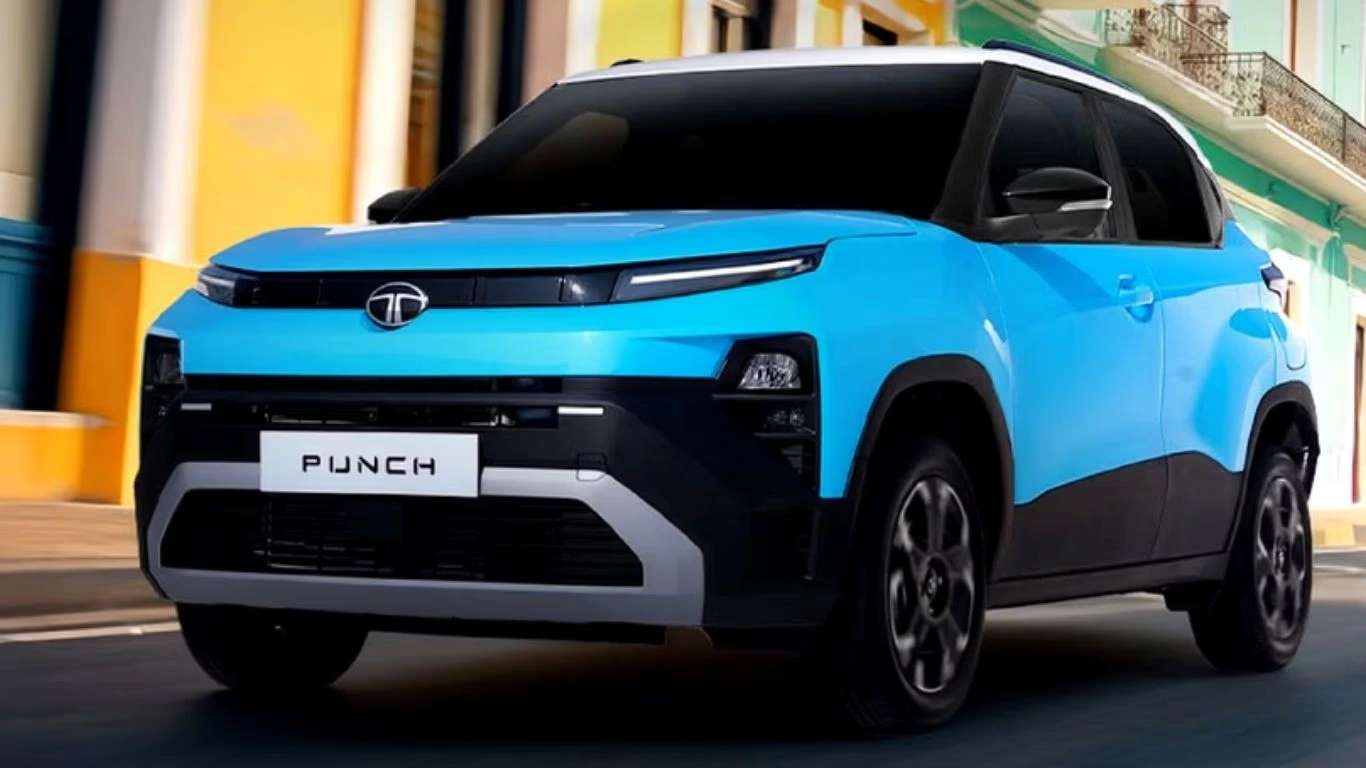
Tata Motors unveils the 2026 Punch facelift on January 13, 2025, marking a bold evolution for India's top-selling micro-SUV. Drawing design inspiration from the Punch EV, this update introduces sharper styling, advanced tech, and a potent new turbo-petrol engine, addressing buyer demands for modernity without abandoning the rugged appeal that propelled over 5 lakh sales since 2021.
However, the car will be on sale with the current model ongoing in parallel. So do the facelift's refreshed aesthetics, premium interior revisions, and power boost justify trading in the reliable current model? This detailed comparison unpacks differences across design, features, performance, pricing, and real-world value, helping decide if the new Punch elevates everyday usability enough to warrant the move. Let’s check out the differences between the 2026 Tata Punch Facelift and the current Tata Punch.
2026 Tata Punch Facelift vs Tata Punch: Exterior Design Changes
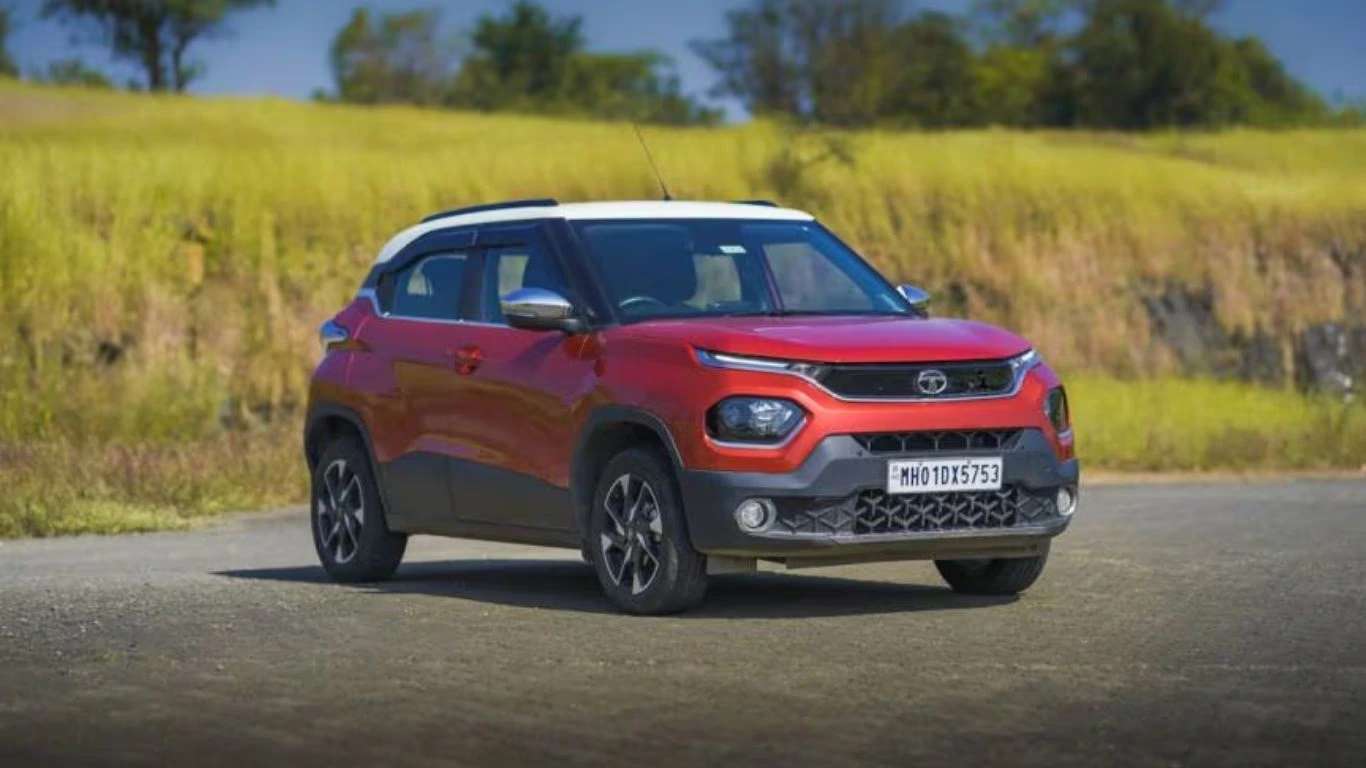
Talking about the design of the 2026 Tata Punch facelift, it adopts a Punch EV-inspired front fascia with black-surround LED daytime running lamps perched above polygonal headlamp housings and a dual-tone bumper featuring a bold slatted air dam. This setup delivers a sharper, more premium look compared to the original's simpler projector headlights and LED DRLs, enhancing road presence while retaining the micro-SUV's muscular silhouette.
Both models share 16-inch alloy wheels, roof rails, and thick black cladding, but the facelift adds a contemporary edge with restyled wheels. While looking at the rear, the car offers interconnected LED taillamps that span a black tailgate panel, paired with a flatter boot lid and revised bumper, over the original's standalone LEDs, creating a cohesive, modern stance aligned with Tata's Nexon family.
Moreover, new color options, potentially including dual tones, further differentiate the facelift, making it visually fresher against rivals like the Maruti Fronx or Hyundai Exter.
2026 Tata Punch Facelift vs Tata Punch: Interior and Feature Enhancements
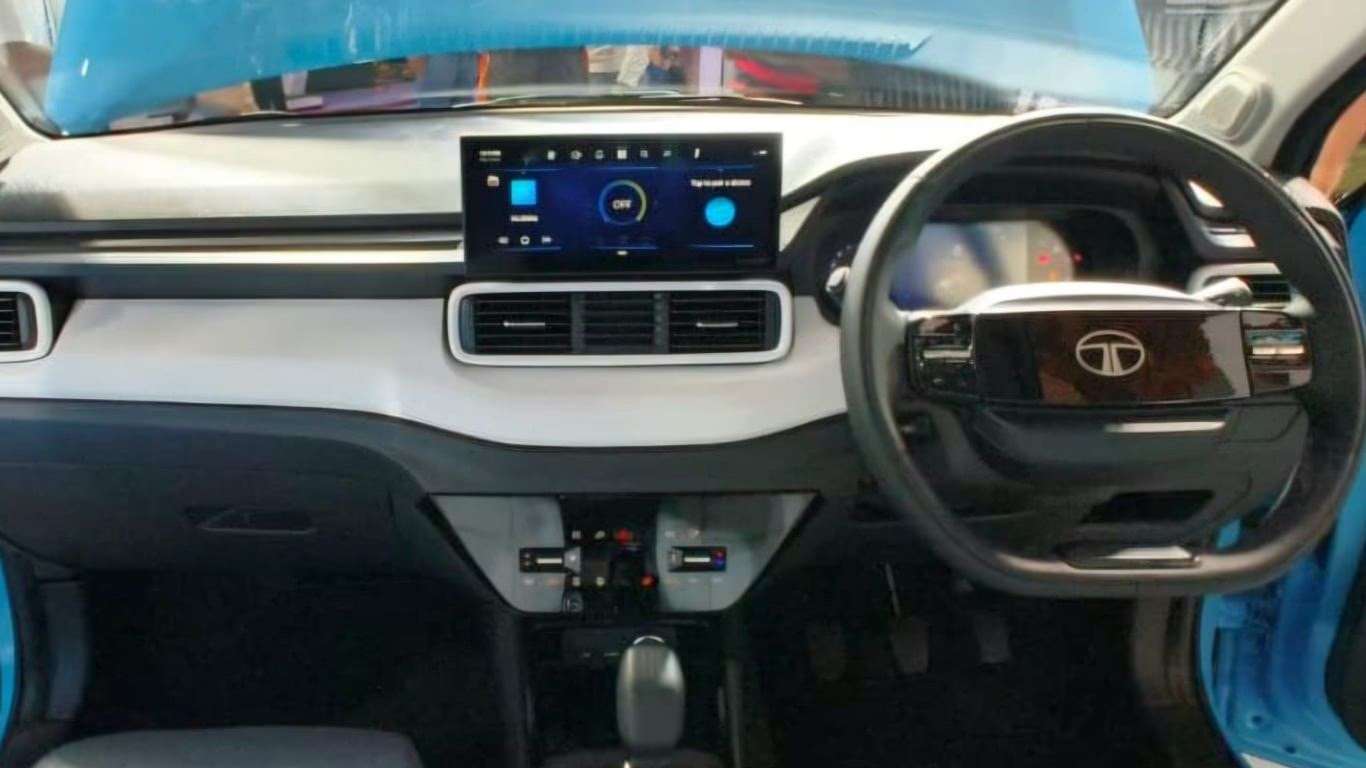
The cabin layout mirrors the predecessor but elevates with a new two-spoke steering wheel borrowed from pricier Tata models and touch-based HVAC controls replacing physical buttons. Dual-tone black-and-blue upholstery replaces the original's monotone seats, alongside revised trim materials for a perceived quality leap, though hard plastics persist for durability.
Inside the cabin, we can expect dual 10.25-inch screens with infotainment and instruments, versus the current 7-inch unit, supporting wireless Android Auto/Apple CarPlay, plus additions like a 360-degree camera, single-zone auto AC, hill-descent control, a cooled glovebox, and rear AC vents.
Safety remains a Punch hallmark with 5-star Global NCAP ratings intact, but the facelift likely standardizes six airbags across trims (previously top-only) and adds electronic stability control. These upgrades address original complaints about dated interfaces, positioning the new model as a tech-forward daily driver for urban families.
Powertrain and Performance Differences
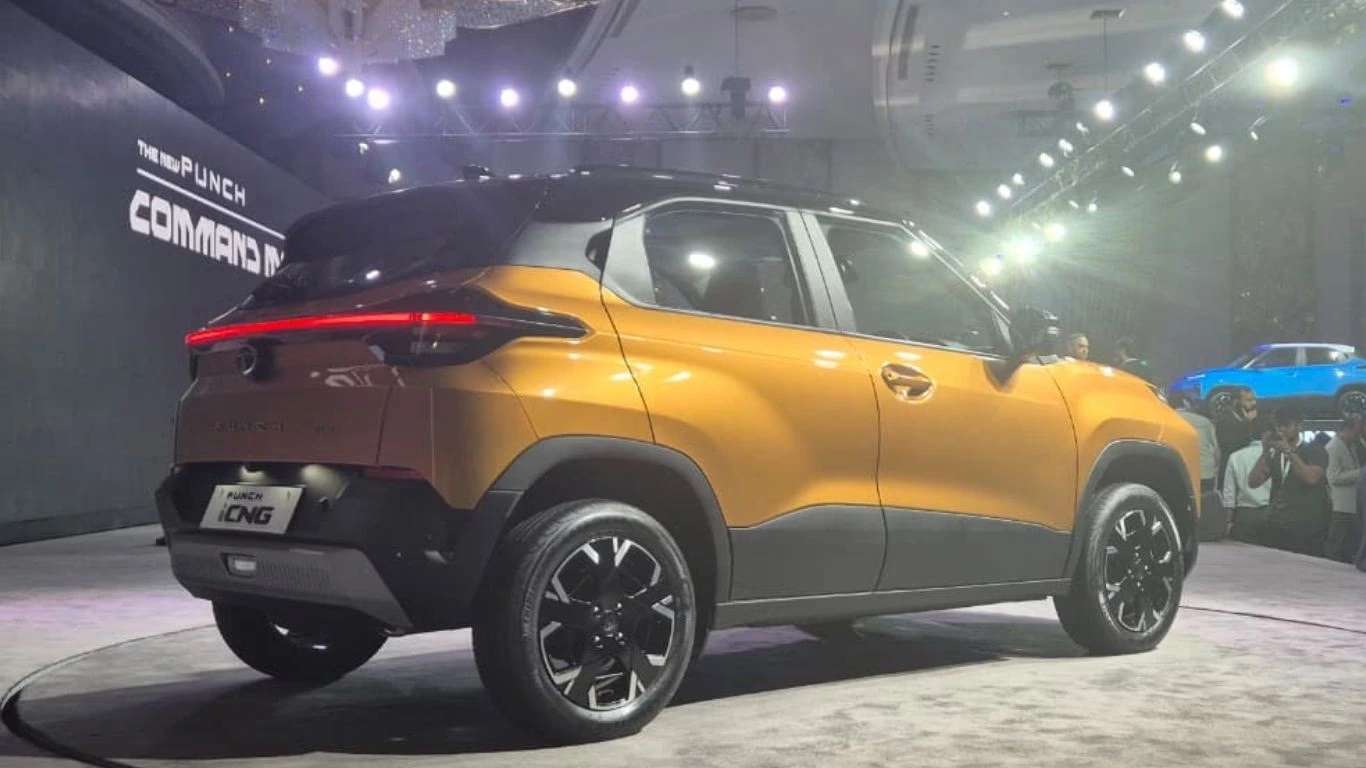
The original Punch relies on a sole 1.2L naturally aspirated petrol engine that produces around 86 HP of power and 113 Nm of torque. Paired with a 5-speed manual or AMT, delivering a claimed mileage of 18 to 20 kmpl. The facelift retains this for base trims but introduces a 1.2-liter turbo-petrol generating 120 HP of power and 170 Nm of peak torque.
Turbo addition expands choices: NA for efficiency-focused buyers and turbo for highway overtakes and loaded hauls, both retaining the Punch's nimble handling and 370-liter boot. Real-world gains include quicker 0-100 kmph under 10 seconds, vital for India's overtaking scenarios, without compromising the original's compact agility.
Ride quality, tuned for bad roads, carries over with independent rear suspension, but facelift refinements could iron out minor NVH issues.
Also Read: Tata Punch Facelift Top Five Highlights: Here's the List!
Pricing and Variant Strategy
Expected pricing starts at Rs 6.5-7 lakh (ex-showroom) for the Pure NA manual, climbing to Rs 11-12 lakh for top turbo Accomplished+ variants, Rs 20,000-50,000 above current equivalents, reflecting added tech and engine options. The current Punch ranges from Rs 5.59 lakh to 10.2 lakh, with discounts up to Rs 18,000 on old stock.
A broader hierarchy emerges from base NA for budget buyers, mid turbo-manual for enthusiasts, and top AMT with full features. This demonstrates Tata's successful Altroz and Sierra strategy, boosting appeal without pricing out mass-market buyers. Existing owners benefit from strong resale, softening upgrade costs.
Service costs align with Rs 25,000-30,000 over 5 years/50,000 km, with the turbo potentially adding Rs 2,000/year. Tata's 3-year/unlimited km warranty extends to the facelift, matching Hyundai and Maruti Suzuki.
Is the Facelift Upgrade Worth It?
Current Tata Punch owners enjoy proven reliability, safety, and value. Upgrading suits those craving turbo thrills, modern screens, and refreshed looks, especially if highway use dominates or family tech demands rise. Base NA similarities mean minimal gains for city-only drivers sticking to 10,000 km/year.
Facelift excels for new buyers with segment-top power, EV-like design, and feature density that disrupts micro-SUVs, potentially reclaiming top sales from Maruti Suzuki Fronx and Hyundai Exter.
Conclusion
Tata Motors nails evolution here by addressing dated visuals and tech while preserving affordability and toughness. For loyalists, the facelift refines without reinventing; for upgraders, it delivers compelling reasons to evolve with India's dynamic micro-SUV arena.


अपनी परफेक्ट कार खोजें

Budget

Brand

Body Type

Fuel

Mileage

More
नवीनतम कार वीडियो


Talking about new Honda City and upcoming ZR-V SUV with Honda India’s Kunal Bahl!
2026 Honda City Launched in India - Better than VW Virtus, Hyundai Verna & Skoda Slavia?

Weekly Auto & EV Wrap-Up: Luxury Launches, AI Tech & Big Industry Updates!

Weekly news wrap-up - CNG sales up, Fortuner prices raised, Hyundai completes 30 years
अन्य कार लेख

Honda Elevate EV 2026: 5 Key Highlights of the Upcoming ACE Project Electric SUV

Honda EV Plans for India: What Can Buyers Expect in 2026 and Beyond?

2026 Mercedes-Benz CLE 53 Coupe Revealed With a New 6-Cylinder Hybrid Engine

Tata Motors and Stellantis Celebrate 20 Years of Partnership, Sign MoU to Expand Future Growth
Vihan AI - Your Car assistant
Ask me anything about cars, prices, and comparisons.