

 ELECTRIC
Will Your Car Be Scrapped in 2026? What Indian Vehicle Owners Need to Know
 Add CarBike360 on Google
Don't let misinformation catch you off guard. Understand how India's Vehicle Scrappage Policy works in 2026, whether your vehicle is affected, and the options available to owners.

By Swati Tomar
Jun 02, 2026 07:12 am IST
Published On
Jun 02, 2026 07:09 am IST
Last Updated On
Jun 02, 2026 07:12 am IST
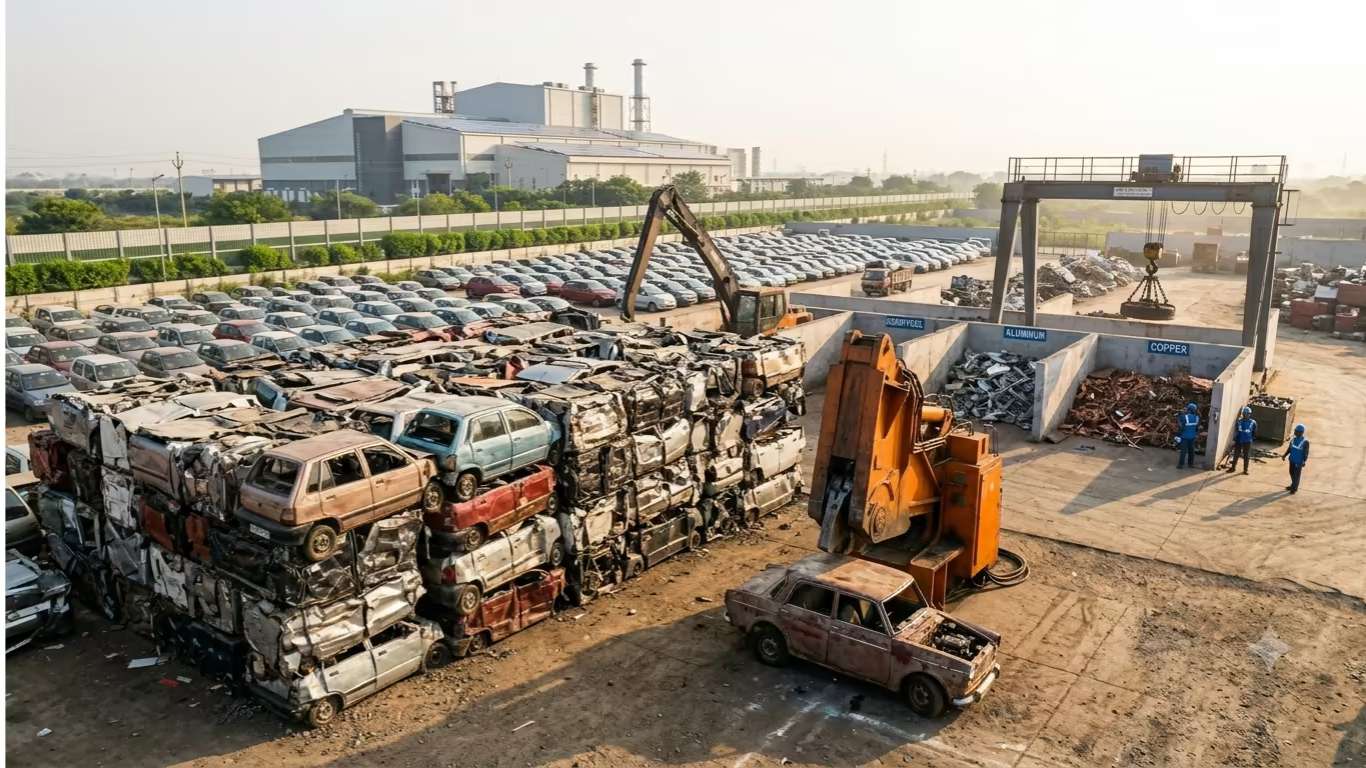
Table of Contents
What Is the Vehicle Scrappage Policy?
Will Your Car Be Scrapped in 2026?
Important Dates and Timeline
Does This Policy Apply to Your Vehicle?
What Is the Fitness Test?
What Happens If Your Vehicle Fails?
Should You Scrap Your Car Voluntarily?
How Much Can You Get When Scrapping?
How to Scrap Your Vehicle Legally
Special Rules for Delhi-NCR
Can Delhi Owners Move Vehicles to Another State?
How the Policy Affects Car Owners
What Used Car Buyers Should Know
CarBike360 Analysis: Is This Policy Good?
Frequently Asked Questions
Final Verdict
What Is the Vehicle Scrappage Policy?
The Indian government’s Vehicle Scrappage Policy, officially called the Voluntary Vehicle Fleet Modernisation Programme (VVMP), represents a significant step toward modernizing the country’s vehicle fleet. It is designed not as a punitive tool but as a framework to phase out vehicles that have become hazardous to the environment and public safety. The policy’s core goal is to eliminate old, polluting, and unsafe vehicles from Indian roads, thereby cutting down emissions and improving air quality.
More than just an environmental initiative, the policy supports the entire automotive ecosystem, from manufacturers to recyclers, by encouraging responsible disposal and recycling of old vehicles. Unlike the misconception that all old cars will be forcibly scrapped, this policy hinges on rigorous fitness testing, allowing vehicles that meet safety and emission standards to remain operational. This approach balances environmental needs with the realities of vehicle ownership in India, where many vehicles serve families for decades.
Will Your Car Be Scrapped in 2026?
The short answer for most vehicle owners is: likely not, if your vehicle is well maintained. The scrappage policy does not automatically mandate scrapping once your vehicle hits a certain age. To determine the roadworthiness of a vehicle, after 20 years for private vehicles and 15 years for commercial vehicles, this policy introduces a fitness test checkpoint.
This means that your vehicle’s future depends on its condition, not just its age. A well-maintained 20-year-old car that passes emissions and safety tests can continue to serve you legally. However, those that fail these tests repeatedly may be declared unfit, triggering mandatory scrappage. This system encourages owners to keep their vehicles in good shape while phasing out those genuinely unsafe or highly polluting.
Important Dates and Timeline
India's Vehicle Scrappage Policy continues to gain momentum, with 129 authorised scrapping facilities operational and over 4.3 lakh vehicles scrapped so far.
The rollout of the Vehicle Scrappage Policy has been steady and deliberate, reflecting the government’s effort to build infrastructure and public awareness.
2021: Policy announcement laid the groundwork for future implementation.
2022: Introduction of Registered Vehicle Scrapping Facilities (RVSF) started formalizing the scrappage process.
2023: A growing number of Automated Testing Stations (ATS) made fitness testing more accessible and standardized.
2024: Strengthening commercial vehicle testing regulations to target heavily polluting goods and passenger carriers.
2025: Expansion of ATS infrastructure aimed to cover more regions, ensuring no vehicle owner is left without access to proper testing.
2026: The year many private vehicles will reach the critical 20-year fitness test milestone, making this a pivotal moment for Indian vehicle owners.
Understanding this timeline is essential to prepare for the inspections and decisions ahead.
Does This Policy Apply to Your Vehicle?
The first step is simple: check your vehicle’s registration date on the Registration Certificate (RC). This date determines when your vehicle will need to undergo mandatory fitness testing.
Here’s a clear breakdown:
Private Cars and Two-Wheelers: Fitness tests apply once your vehicle hits 20 years.
Commercial Vehicles, Trucks, and Buses: Subject to tests after 15 years due to their higher usage and pollution levels.
For example, a private car registered in March 2006 will require a fitness test in March 2026. This means thousands of vehicles registered in the early 2000s will soon face this critical evaluation.
Many owners are surprised that their 20-year-old vehicle can still legally run if it meets standards. This policy sets a fair balance. While age is a trigger for testing, but condition decides the outcome.
Also read: Vehicle Scrappage Policies in India 2025: State-Wise Incentives and How to Avail Them
What Is the Fitness Test?
The fitness test is the heart of the scrappage policy. Conducted at government-approved Automated Testing Stations (ATS), it replaces subjective manual checks with objective, technology-driven assessments.
The test evaluates critical vehicle systems including:
Emissions: Measuring pollutants to ensure compliance with environmental norms.
Brakes and Suspension: Checking for safety and ride stability.
Steering and Tyres: Ensuring control and traction on the road.
Headlights and Structural Integrity: Confirming visibility and vehicle frame strength.
This rigorous process guarantees that only vehicles meeting minimum safety and pollution standards continue to operate. The use of ATS reduces human error and corruption risks, making the system fair and reliable.
What Happens If Your Vehicle Fails?
Failing the fitness test is not the end of the road. Owners receive detailed feedback on why their vehicle did not meet standards and can choose to repair the issues. After repairs, retesting is possible.
However, if a vehicle consistently fails, it will be declared an End-of-Life Vehicle (ELV). ELVs lose their registration and cannot be driven legally. Owners must then scrap these vehicles through authorized facilities equipped to recycle parts and dispose of hazardous materials responsibly.
This approach encourages owners to maintain their vehicles properly, but also ensures roads are not clogged with unsafe or polluting vehicles.
Should You Scrap Your Car Voluntarily?
The decision to scrap versus sell can be complex. For vehicles between 10 and 15 years old, the resale market often still offers attractive prices, especially for popular models like hatchbacks and sedans in good condition.
However, as vehicles approach the 20-year mark, the economics change. Maintenance costs rise steeply, buyers become wary, and resale values often fall. At this stage, scrapping your vehicle can be financially sensible, especially considering the government and manufacturer incentives now available.
Voluntary scrappage can also free you from future uncertainties related to fitness tests and regulatory changes, allowing you to upgrade to a safer, more efficient vehicle.
How Much Can You Get When Scrapping?

Contrary to popular belief, scrapping your vehicle does not mean accepting a low scrap metal price. The government and manufacturers have introduced several incentives to encourage responsible scrapping:
Scrap Value: Compensation depends on vehicle weight, condition, and recyclable parts. Typically, payouts range from ₹15,000 to ₹80,000.
Road Tax Benefits: Many states offer partial or full road tax rebates when you scrap your old vehicle.
Registration Fee Waivers: When buying a new vehicle, registration fees may be waived or reduced if you present a valid scrappage certificate.
Manufacturer Discounts: Several carmakers provide additional discounts on new vehicles linked to scrappage of old ones.
These combined incentives ease the financial burden of upgrading your vehicle.
How to Scrap Your Vehicle Legally
To ensure you receive all benefits and comply with the policy, follow these steps carefully:
Locate a Registered Vehicle Scrapping Facility (RVSF): Only authorized centers can issue the Certificate of Deposit needed for incentives.
Submit Documentation: This includes your Registration Certificate (RC), Aadhaar or valid ID, bank details for payment, and a No Objection Certificate (NOC) if the vehicle has a loan.
Vehicle Verification: The facility will verify chassis and engine numbers to confirm ownership.
Valuation and Payment: After inspection, you receive payment based on scrap value.
Certificate of Deposit: This official document proves your vehicle is scrapped and is key to claiming road tax rebates and registration fee waivers.
This legal process protects owners and ensures environmental compliance.
Special Rules for Delhi-NCR
Delhi-NCR faces some of India’s worst pollution levels. As a result, it has stricter rules than the national policy:
Diesel vehicles older than 10 years are restricted from operating.
Petrol vehicles older than 15 years also face limitations.
These rules aim to improve air quality but mean vehicles legal elsewhere may be banned in Delhi-NCR. Owners should be aware and plan accordingly.
Can Delhi Owners Move Vehicles to Another State?
Yes, vehicle owners in Delhi-NCR can relocate their vehicles to other states with less restrictive rules. The process involves:
Applying for a No Objection Certificate (NOC) from Delhi transport authorities.
Re-registering the vehicle in the destination state.
Complying with that state’s emissions and safety regulations.
However, this process can be time-consuming and involve additional fees, so owners should weigh these factors before deciding.
How the Policy Affects Car Owners
India’s scrappage policy is reshaping vehicle ownership. Besides fuel and maintenance costs, owners must now factor in:
Fitness testing schedules and costs
Potential repair expenses to pass tests
Changes in resale values tied to vehicle age and compliance status
Opportunities to benefit from scrappage incentives
Planning ahead can help owners avoid last-minute surprises and make informed choices about renewing, selling, transferring, or scrapping vehicles.
What Used Car Buyers Should Know
The policy also impacts used car buyers. Vehicles nearing fitness test deadlines often face steeper depreciation because buyers anticipate future compliance costs.
Before purchasing an older vehicle, buyers should:
Verify the registration and fitness status on India’s VAHAN portal
Understand upcoming fitness test deadlines
Factor in possible repair and maintenance costs
Smart buyers will avoid vehicles that could become expensive liabilities.
CarBike360 Analysis: Is This Policy Good?
From an environmental and safety perspective, the Vehicle Scrappage Policy is an overdue step forward. Older vehicles contribute disproportionately to pollution and accidents. Phasing them out benefits all road users.
However, challenges remain. Expanding testing infrastructure and increasing public awareness are crucial to smooth implementation. For consumers, the policy works best when owners understand it early and plan accordingly rather than reacting under pressure.
Frequently Asked Questions
Is scrapping mandatory?
No. Scrapping happens only if your vehicle fails the fitness test or you choose to scrap it.
Can a 20-year-old car keep running?
Yes, if it passes the fitness test.
What is an Automated Testing Station (ATS)?
A government-approved facility that carries out vehicle fitness tests using automated equipment.
What is a Certificate of Deposit?
A document issued after scrapping that allows owners to claim financial incentives.
How much money can I get for scrapping?
Typically between ₹15,000 and ₹80,000, depending on vehicle size and condition.
Can I transfer my vehicle to another state?
Yes, with a No Objection Certificate (NOC) and re-registration in the new state.
Final Verdict
The Vehicle Scrappage Policy is not about banning old vehicles outright; it’s about ensuring only safe, clean vehicles ply Indian roads. Age alone isn’t the deciding factor — fitness is. If your vehicle is well maintained and passes tests, you can continue driving without worry.
The key to navigating 2026 and beyond is knowledge and preparation. Understand the rules, get your vehicle tested on time, and plan whether to renew, sell, or scrap based on sound information.
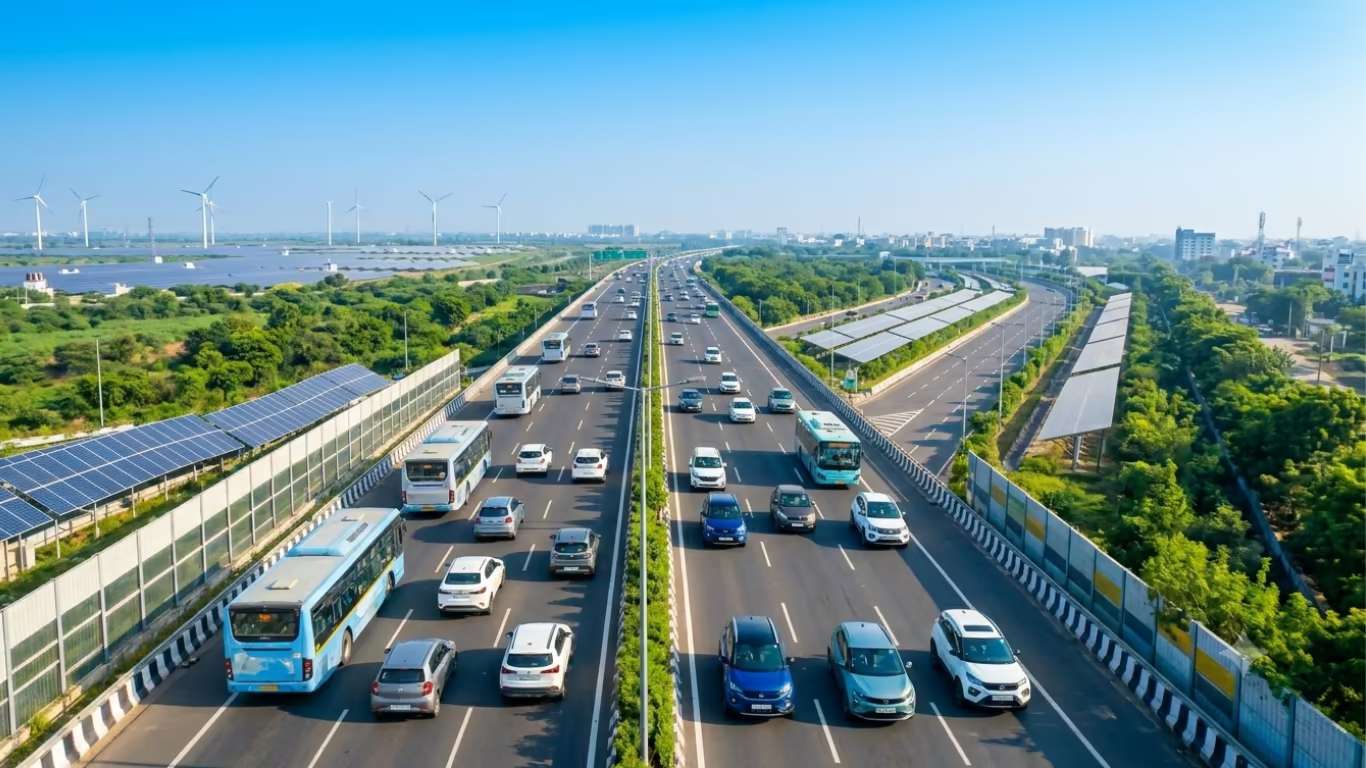
This policy is a major step toward cleaner air and safer roads for everyone. The smarter you are today, the better choices you’ll make tomorrow.
Drive safe, stay informed, and contribute to a healthier India.


अपनी परफेक्ट कार खोजें

Budget

Brand

Body Type

Fuel

Mileage

More
नवीनतम कार वीडियो



अन्य कार लेख


Vihan AI - Your Car assistant
Ask me anything about cars, prices, and comparisons.