ELECTRIC
CEAT Tyres revolutionizes manufacturing with machine learning, slashes defects and waste
 Add CarBike360 on Google
Discover how CEAT Tyres slashed defects using AI and machine learning at its Chennai plant, with 18% faster mixing, 29% less energy, and zero-waste dies. A smart factory revolution boosting quality and efficiency for safer roads.

Feb 25, 2026 07:01 am IST
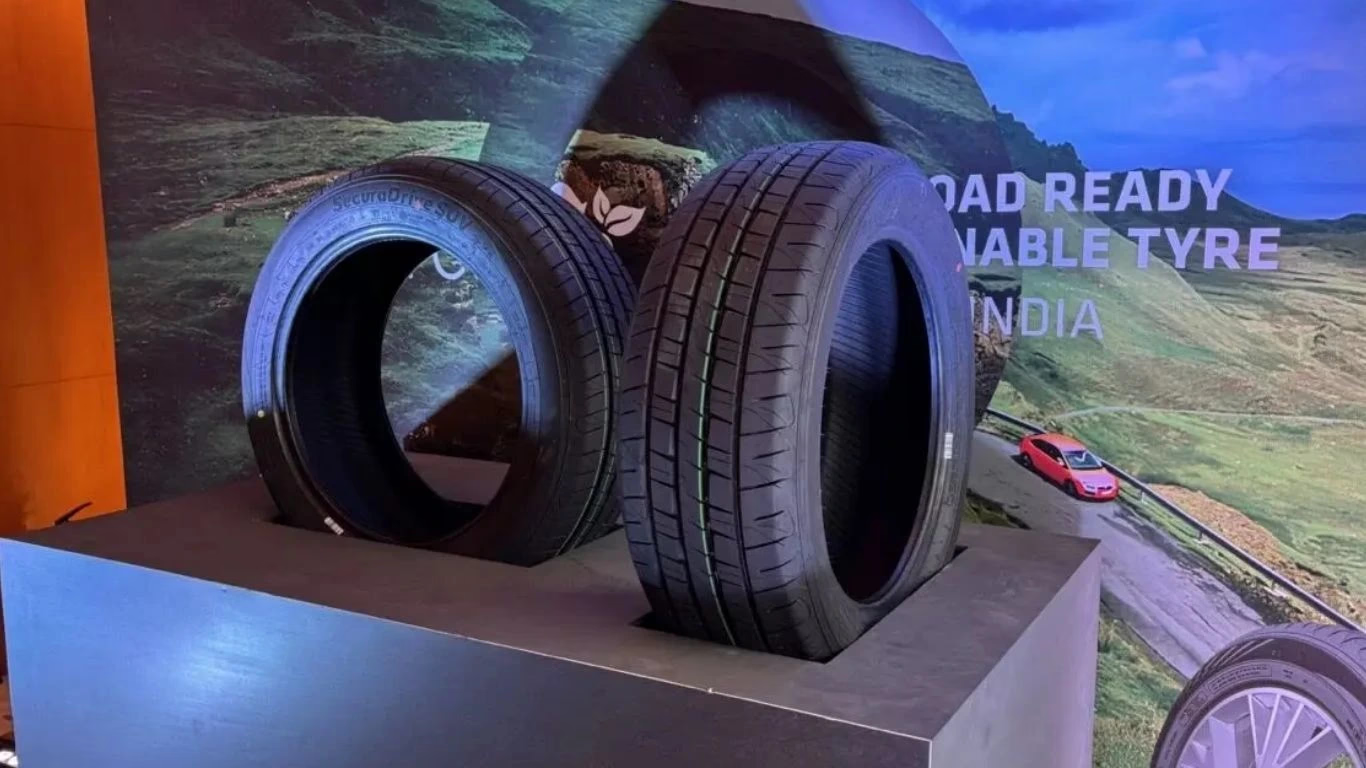
The automotive industry is growing rapidly, and with the introduction of artificial intelligence, performance and production have driven the growth in the modern world. The same goes for the tyre industries, where precision is making a difference between a smooth ride and a roadside hazard. With updated innovation and technology, CEAT tyres are now making a way to reduce defects, waste, and energy use.
At its sprawling Chennai factory in Sriperumbudur, the company has harnessed machine learning to tackle stubborn defects head-on, transforming raw rubber into flawless products with unprecedented accuracy. With sensors blinking, computer vision models, and AI, CEAT tyres can detect defects and increase operations. The factory is running on the latest algorithms.
Mastering Machine Learning
CEAT tyres has now integrated most of the production plant with the latest IntellAIMix, an AI-powered system revolutionizing the critical rubber mixing state. Here, natural rubber, synthetic compounds, carbon black, and chemicals blend into tyre-building batches like kneading dough on steroids, but for high-performance treads.
From the Director’s Desk
According to the latest report, Mr. Debashish Roy, CEAT’s chief digital transformation officer, said that "the mixing process is the very first critical step in tyre manufacturing. Think of it as the industrial equivalent of kneading dough in a bakery.”
He also added, “In the first stage, raw ingredients such as natural and synthetic rubber, carbon black, and chemicals are thrown into a massive mixer to create the base material. The goal is to blend these ingredients until they are perfectly consistent.” This means fewer inconsistencies, less scrap, and tyres that perform reliably whether gripping city streets or snowy highways.
Precision Die Design Cuts Scrap
To design the tyres perfectly round, the factory machine follows a strict, pre-set production plan. With the latest tech and upgrades, natural rubber varies by batch. The metal templates shape tread patterns. CEAT's Gaussian process regression model crunches 60 data points, like viscosity and machine settings, to predict dimensions spot-on.
What’s Ahead?
CEAT's AI push extends further. Computer vision spots tyre flaws automatically, predictive models foresee press leaks to avoid downtime, and agentic AI chatbots guide engineers via video knowledge bases for quick fixes.
Export optimization reduced dispatch times by 54%, while decentralized "business translators" bridge the gap between tech and shop-floor needs. Since 2021, digitization with 10% of capital expenditure on technology.
Also Read: Indian Tyre Industry Faces Natural Rubber Shortage, Urges Government Action
Market Outlook
Looking ahead, CEAT eyes AI for autonomous ops and quality boosts in FY26, aligning with premiumization goals. In a sustainability-driven industry, these gains with less energy, waste, and defects might position CEAT as a leader.
Conclusion
CEAT's ML mastery isn't just cutting defects; it's redefining tyre manufacturing as smarter, greener, and more inclusive. By turning data into decisions, the company sets a benchmark for India's auto sector, promising safer roads and stronger performance for drivers everywhere. Kudos to CEAT for leading the charge.


You May Like






Latest Tyre Videos


Other Tyre News
India auto component industry triples in a decade driven by diversified growth
Continental tyres targets premium growth in India on rising SUV and EV demand
TVS Srichakra approves Rs 220 crore expansion for Madurai tyre plant
CEAT SportDrive CALM vs Michelin Primacy 4: Which tyre is better for premium SUVs?
Listen to Tyre Audios