ELECTRIC
Indian Tyre Industry Faces Natural Rubber Shortage, Urges Government Action
 Add CarBike360 on Google
India's tyre makers face an acute natural rubber shortage amid peak season, with prices at Rs 200/kg. ATMA urges duty-free imports, port reforms, and plantation revival.

Jan 28, 2026 12:52 pm IST
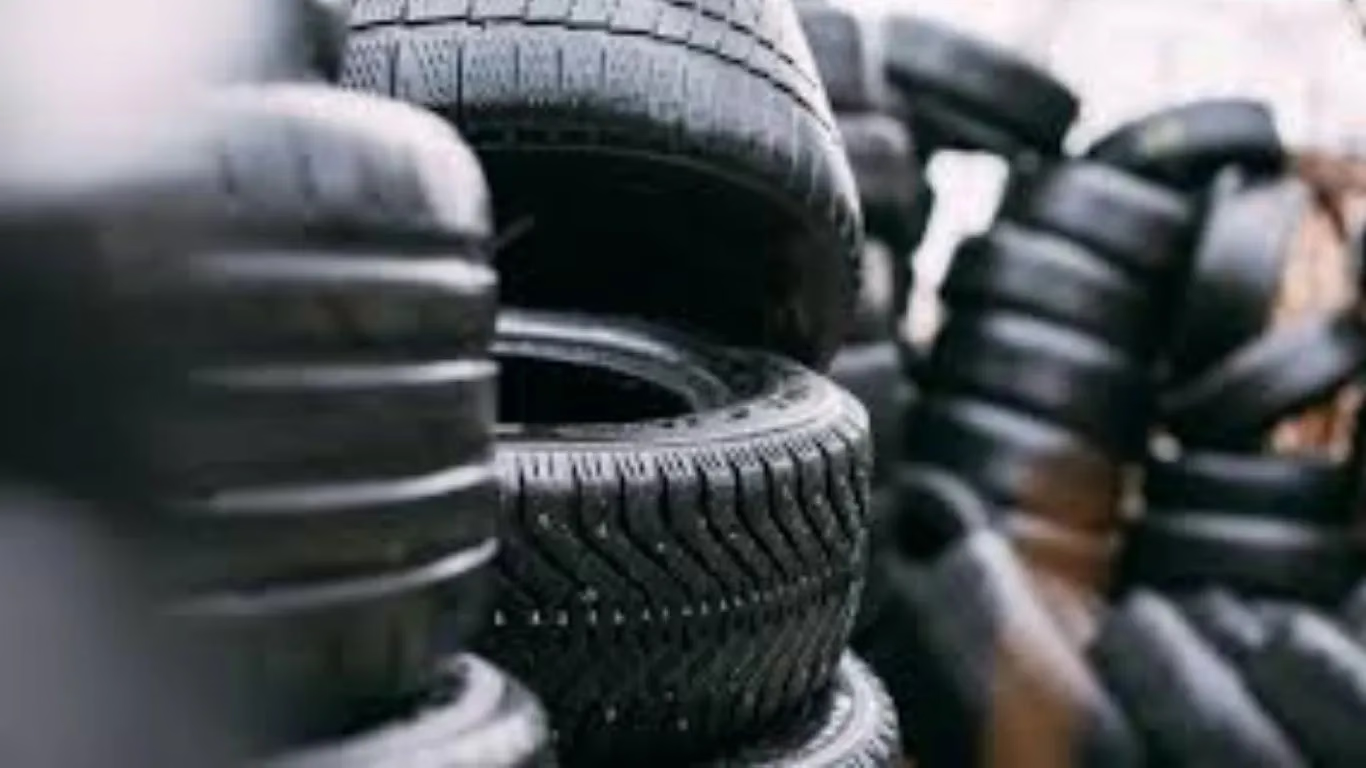
India's tyre makers are staring down a critical shortage of natural rubber right in the heart of the peak production season. Prices have surged to nearly Rs 200 per kg, squeezing manufacturers already grappling with rising demand from automakers and replacement markets.
The Automotive Tyre Manufacturers' Association (ATMA) has sounded the alarm, pinning hopes on urgent government steps to unlock untapped plantations and ease imports. This isn't just a reduction in the market; these sustained issues could halt production lines and jack up tyre prices for everyone from daily commuters to fleet operators.
Supply Decrease Hits Peak Season
Normally, January buzzes with abundant natural rubber from Kerala's tapping fields, but not this year. ATMA Chairman Arun Mammen highlighted how leaf fall disease, scorching temperatures, and whispers of hoarding have choked supplies, leaving factories scrambling.
Domestic output covers just 60% of India's needs, with Rubber Board data showing a puzzling gap between reported stocks and actual availability. Nearly 2 lakh hectares of plantations sit idle, a goldmine waiting to be tapped if the right policies kick in. Recent investments to fuel growth for OEMs and aftermarket buyers now hang in the balance, potentially rippling through the auto sector.
ATMA Poised to Call for Intervention
ATMA released a press statement stating that they want duty-free natural rubber imports to plug the gap immediately. They're also pushing to scrap port restrictions, currently limited to just two entry points, to streamline logistics for plants scattered nationwide.
Bringing those dormant plantations online tops their list, too. The Rubber Board must step up, monitor sales closely, and curb speculation that's inflating prices and starving supply chains.
Swift action from the government and Rubber Board is crucial to stabilize supplies and safeguard growers alongside industries, framing it as a win-win for rural economies and urban drivers alike.
Broader Industry Fallout
This crunch echoes past scares, like 2024's tight supplies, but feels sharper amid booming vehicle sales. Electric vehicles and exports demand more resilient tyres, yet raw material woes could slow innovation and hike costs.
Consumers might see pricier replacements soon, while OEMs delay launches. ATMA's proactive stance aims to avert that, drawing parallels to recent cotton import relief as a model for rubber.
Also Read: EV Tyres in India 2026: Top Brands for Low Rolling Resistance and Maximum Range
What’s Ahead?
Government nods to ATMA's wishlist could restore balance fast with duty waivers, expanded ports, and plantation drives. Long-term, R&D funding and better yield tech will bulletproof the sector against climate quirks and global swings.
Conclusion
As India revs up its auto ambitions, fixing this rubber riddle is non-negotiable. Watch this space: tyre giants like MRF and Apollo are geared for a fight, and with their clout, change feels imminent.


You May Like





Latest Tyre Videos


Other Tyre News
India auto component industry triples in a decade driven by diversified growth
Continental tyres targets premium growth in India on rising SUV and EV demand
TVS Srichakra approves Rs 220 crore expansion for Madurai tyre plant
CEAT SportDrive CALM vs Michelin Primacy 4: Which tyre is better for premium SUVs?
Listen to Tyre Audios