ELECTRIC
10 Tips to Improve Your Bike’s Mileage
 Add CarBike360 on Google
Improving your bike's fuel efficiency isn't rocket science. You can get the most out of every drop of fuel by following smart riding habits, routine maintenance, and a little mindfulness.

By Jahanvi Soni
Dec 30, 2024 01:27 pm IST
Published On
Dec 30, 2024 01:09 pm IST
Last Updated On
Dec 30, 2024 01:27 pm IST
The best travel method, however, in terms of efficiency and enjoyment, is riding a bike. The rising fuel prices, however, have made getting the best mileage from your motorcycle more critical. Being either a daily commuter or long-distance traveler or one of those who love casual rides, improving your bike's mileage can save you money while helping the environment.
Improving your bike's fuel efficiency isn't rocket science. You can get the most out of every drop of fuel by following smart riding habits, routine maintenance, and a little mindfulness. This blog will cover ten simple yet effective tips to boost your bike's mileage.
Why Does Bike Mileage Matter?
Before we get into the tips, let's understand why improving mileage is so important:
- Save Money: Better mileage means fewer trips to the petrol pump and more money in your wallet.
- Reduce Carbon Footprint: Lower fuel consumption leads to fewer emissions, making rides more eco-friendly.
- Extend Bike Life: Smart riding practices reduce engine stress and increase your bike's lifespan.
Smooth rides and consistent performance are obtained with a well-tuned bicycle. So, let's get into the top 10 ways to improve your bike mileage.
1. Maintain Proper Tire Pressure
Tire Pressure Significance
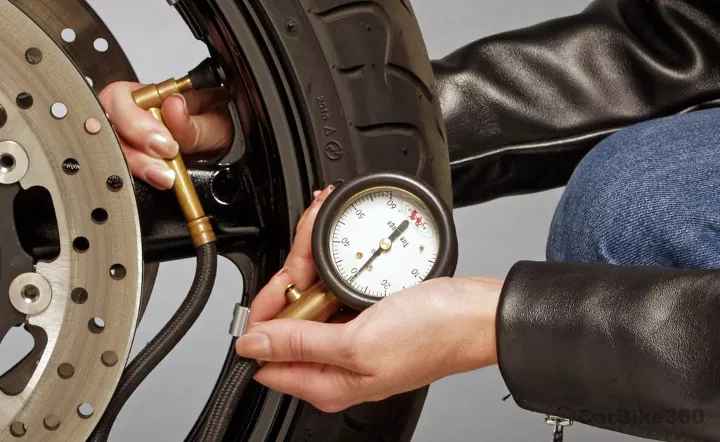
Tires play a crucial role in how your bicycle consumes fuel efficiently. Low tire pressure increases friction and rolling resistance, which the engine has to work harder to overcome, thus increasing the fuel consumption.
Tips to Maintain Tire Pressure
Check Your Tires: Check your tire pressure at least once a week. Use a good quality tire pressure gauge to get accurate readings.
- Maintain Manufacturer Guidelines: Use your bike's manual for the recommended tire pressure.
- Measure When Tires are Cold: Tire pressure is a function of temperature, so take a reading when the tires are cold to get accurate readings.
- Do Not Over Inflate: Over-inflated tires can reduce grip and affect safety. It is best to use the pressure recommended.
Proper pressure of the tires will result in smooth rides, good grip, and better fuel efficiency.
2. Ride Smoothly and Avoid Sudden Acceleration
How Acceleration Affects Mileage
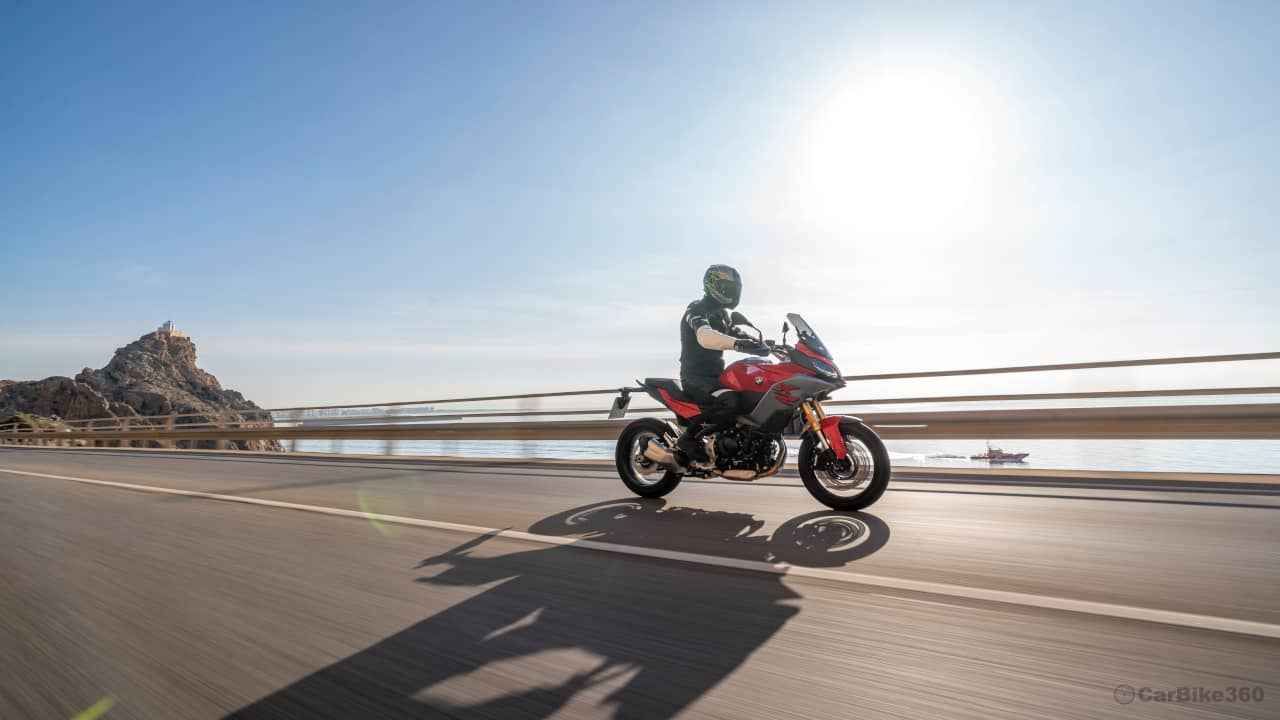
The sudden acceleration and jerks of the throttle cause fuel to burn at a rate that is too high. To ensure fuel efficiency, it should be driven smoothly without making abrupt increases in speed.
Smooth Operating Techniques
- Gradual Application of Throttle: Build up your speed gradually instead of using jerky throttle movements.
- Maintaining Constant Speed: Drive on highways at a constant speed with minimal variations between acceleration and braking.
- Shift Gears Timely: Use higher gears when the bike gains enough speed to reduce engine strain.
Smooth riding improves mileage and enhances your safety on the road.
3. Maintain Your Bike Regularly
Maintenance and Fuel Efficiency
A well-maintained bike is efficient and thus has a better fuel economy. Maintenance of all parts ensures there is no consumption of unnecessary fuel.
Maintenance Checklist
- Engine Oil: This should be changed regularly to reduce friction and keep the engine running smoothly.
- Air Filter: Air filters, when clogged, reduce airflow, which leads to increased fuel consumption. Clean or replace it when necessary.
- Spark Plugs: Check and replace the spark plugs when worn out. Good-quality spark plugs enhance combustion.
- Chain Lubrication: See that the chain is cleaned, lubricated, and has adequate tension to minimize drag.
4. Quality Fuel
Why Fuel Quality Matters
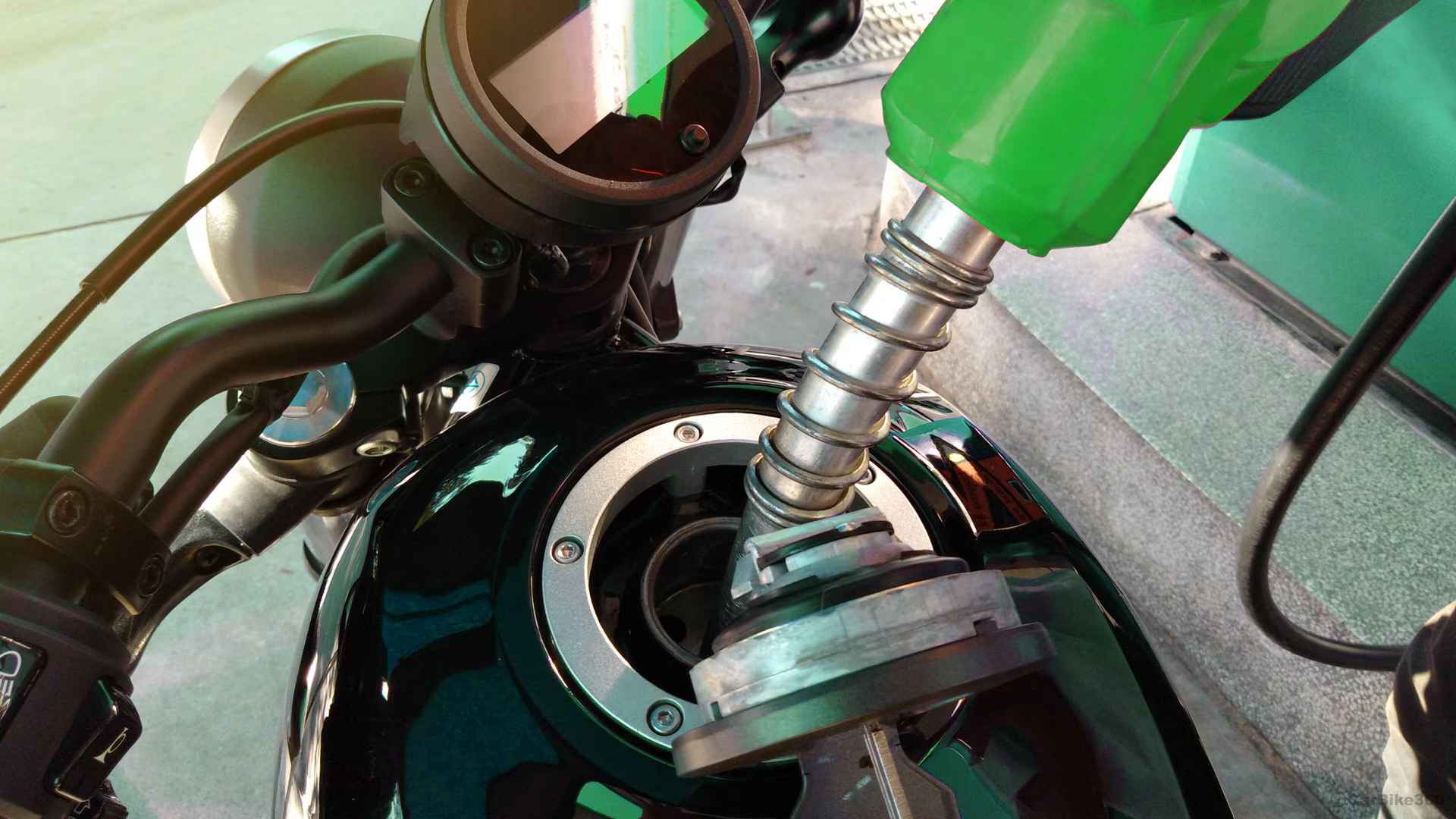
The quality of fuel used affects the mileage of your bike. Low-grade fuel causes carbon deposits in the engine, engine knocking, and incomplete combustion.
Tips for Using Quality Fuel
- Refuel at Trusted Stations: Always fill up at reputable fuel stations to avoid diluted or low-quality fuel.
- Follow Manufacturer Recommendations: Use the octane rating suggested by your bike’s manufacturer.
- Avoid Contaminated Fuel: Avoid using it if it looks or smells odd.
5. Do Not Over-Weight Your Bike
How Excess Weight Impacts Fuel Economy
Excess weight strains the engine to work hard, and it uses a lot of fuel. Weight reduction is one of the ways to increase your bike mileage.
How to Reduce the Weight on Your Bike
- Clear Your Storage Box: Remove unnecessary items like tools, bags, or heavy objects.
- Travel Light: You should carry only what is necessary for your ride.
- Do not Overload: Ensure that you do not overload your bike as this is its capacity.
6. Use the Right Gear at the Appropriate Speed
Why Gear Shifting Matters
Riding in the wrong gear wastes fuel and stresses the engine. Using the appropriate gear for your speed ensures optimal fuel efficiency.
Gear Shifting Tips
- Shift Up Early: Move to higher gears when your bike gains enough speed.
- Avoid Riding in Low Gears: Do not ride in high speed in low gears. This strains the engine and gives low mileage.
- Do not Lug the Engine: Do not ride in a gear that is too high for your speed. It can damage your engine and waste fuel.
7. Turn off the engine when stationary
Why Idling Wastes Gas
An idle vehicle consumes fuel without propelling forward, usually responsible for most fuel wastage.
Best Practices in Cutting Idling
- Turn off at Traffic Lights: If you're at a stop for more than 30 seconds, switch the engine off to save fuel.
- Don't Allow Prolonged Warm-Ups: Allowances boom for many modern bikes, so allow a few minutes, start riding gently, and they'll warm up.
- Anticipate Stops: Signal red lights and smooth out your stops.
8. Ride Steady
How Steady Speed Helps Fuel Economy
With frequent alterations in speed, fuel consumption takes place more than when riding at a steady pace. A constant speed helps the engine operate efficiently.
Allowable Tips for Steady Speed
Use state highways for long runs: A highway provides uninterrupted riding at steady speed.
Do not speed: Draw up to a considerate speed, for this will ensure reduced wind resistance leading to lower fuel consumption.
Cruise control: If fitted in a bike, use cruise control on long stretches to maintain speed.
9. Keeping Aerodynamics in Mind
Aerodynamics and how they matter
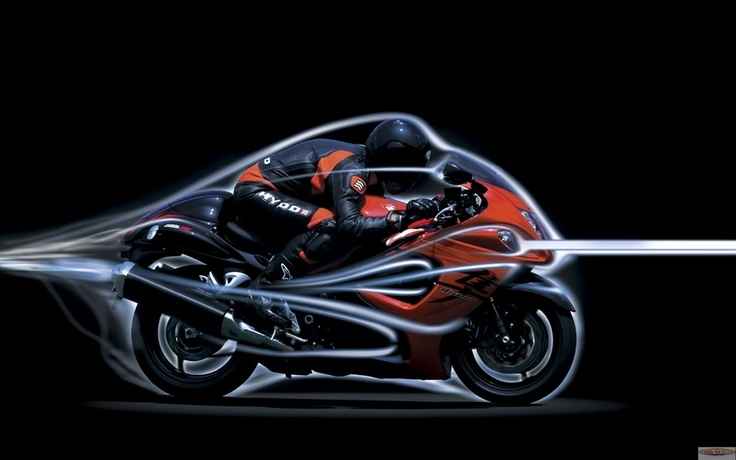
As speed increases, air resistance builds up, slowing down the vehicle, and hence mileage. Retaining an aerodynamic posture generates drag reduction, hence increasing fuel efficiency.
Hints on aerodynamic riding
- Keep a bit of a forward lean: By not sitting upright, this creates resistance.
- Keep elbows close: You need to keep your elbows as tight as possible to your body to reduce drag.
- Wear snug clothes: Loose clothing will flap, increasing wind resistance. Stick to fitted riding gear.
10. Smart Planning
How planning helps in fuel-saving
Thought-out planning will allow the rider to avoid unnecessary stops, stoplights, congested traffic, and rough roads, which have a detrimental effect on fuel economy.
Using planning tips
Riding during not-peak hours minimizes number and duration of stops.
Choose roads that are smooth instead of bumpy.
If you have different errands, then do all of them in one go to save on fuel.
Conclusion
Improving your bike's mileage is perhaps not rocket science. Making use of 10 such simple tips can save you money on fuel while ensuring your trusty machine is in great condition. Some things that may have an extraordinary impact are maintaining tire pressure, smooth riding, gear shifting, reducing weight, and the kind of fuel to use.
Bear in mind that a properly maintained bike is capable of running for an extended period with better mileage and at the same time ensuring you a secure and enjoyable ride. Once you establish the ways, achieving maximum mileage out of every drop will become part of your living.
Wish you happy and fruitful riding!
Also Read: The Effect of Weather Conditions on Motorcycle Mileage


You May Like


Find your perfect bike

Brand

Budget

Body Type

Fuel

Mileage

More
Latest Bike Videos


Other Bike Articles


Listen to Bike Audios