

 ELECTRIC
Buying a Bike? Here’s Why the Real Cost Goes Beyond Just Mileage and Price
 Add CarBike360 on Google
Buying a bike is not just about fuel efficiency and upfront cost. This guide explains the real ownership expenses that impact your long-term budget and riding experience.

May 30, 2026 06:18 am IST
Published On
May 30, 2026 06:11 am IST
Last Updated On
May 30, 2026 06:18 am IST
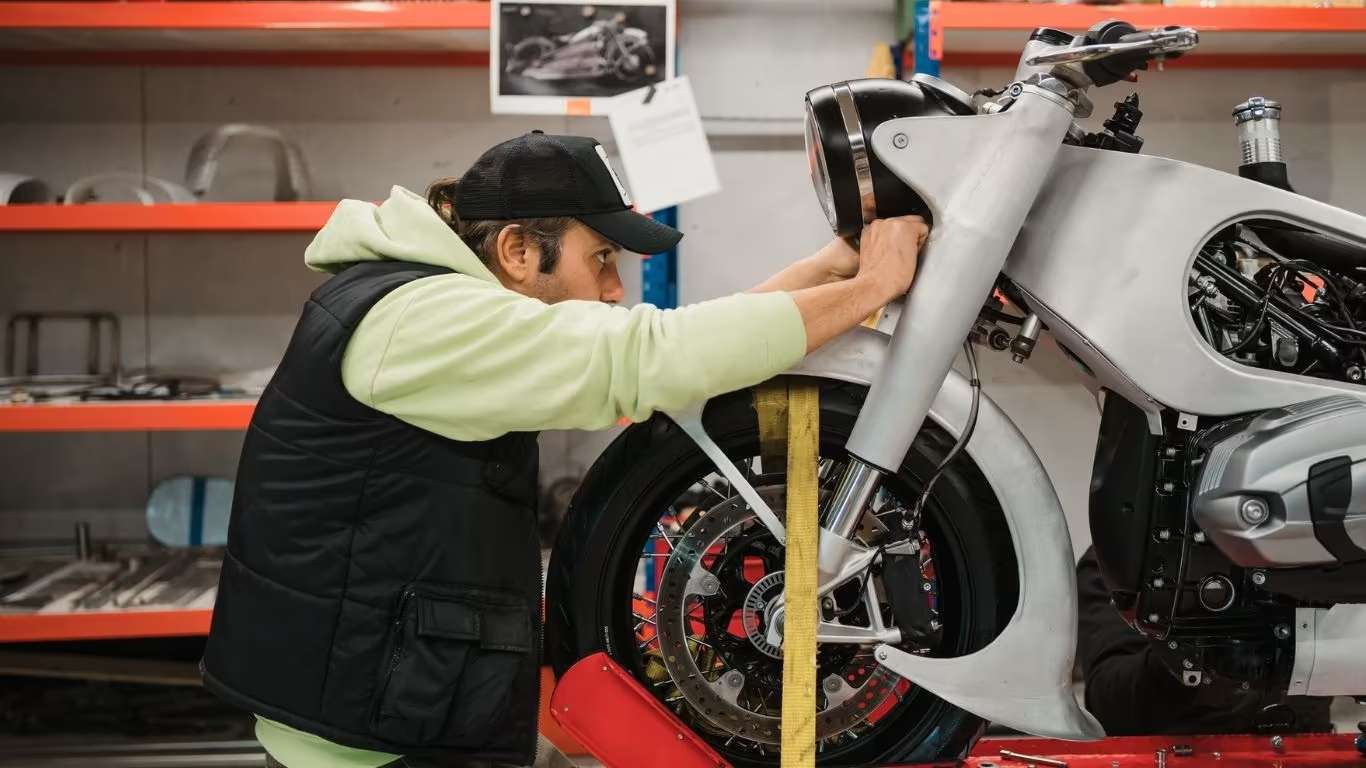
For most buyers, mileage and on-road price are generally the key factors that influence a bike purchase decision. Even though these factors are certainly significant, they do not reflect the full picture regarding the actual cost involved in bike ownership.
The costs of fueling, servicing, insurance, maintenance, and reliability also come into play after purchase. With millions of bikes sold annually in India, understanding the true cost of ownership is essential before making a purchase decision.
The Purchase Cost is Just the First Step
Many buyers often focus only on the advertised ex-showroom price when planning to buy a bike. However, it should be noted that this is just the beginning. The final on-road price includes a range of required payments, including registration charges, road tax, and insurance, which can significantly increase the total cost you end up paying.
Some optional add-ons, such as extra fitted parts and extended coverage plans, increase the total amount. When you understand the gap between ex-showroom and on-road pricing, it becomes easier to shape your budget. Consequently, you will get fewer surprises right at the time of purchase.
Fuel Costs Add Up Over Time
Even though fuel expenses may seem manageable initially, they quickly become one of the largest expenses for a bike owner. Commuting daily, road traffic, riding habits, and constant fluctuations in fuel prices may significantly affect monthly expenses.
Even though a two-wheeler is affordable in terms of purchase price, it will still cost a lot in the long run if it offers poor mileage. However, in the long run, running costs often matter more than the initial purchasing price.
Maintenance and Service Expenses
Often, overlooking the significance of maintaining your bike may sound safe at first. However, minor faults with components such as the engine, brake system, tyres, chain, battery, or air filters can soon escalate into costly maintenance and lower fuel economy.
Appropriate servicing of a bike and its components, along with tyre pressure and engine oil, will enhance bike performance and engine longevity and reduce maintenance costs over time. However, even the most well-maintained bike can be involved in an accident, a robbery, or other problems during routine riding.
This is where having a reliable two-wheeler insurance policy is highly beneficial. Rather than spending too much money on emergency repairs or legal responsibilities, insurance saves you money with a minimal annual premium charge.
Repair Costs Can Be Unexpected
Many bike owners only realize repair costs after purchase. Common repairs include replacing brake pads, batteries, tyres, chains, electrical parts, or the clutch, among other minor repairs.
Preventive maintenance helps keep these risks to a minimum, but the cost of replacing broken or damaged components cannot be predicted. These simple mechanical defects can result in poor fuel efficiency and safety while riding the bike.
Accident Costs Are Often Underestimated
Unexpected events like accidents or theft can create sudden financial strain. In most instances, the expenses incurred not only include repairs but also affect other aspects. This is where comprehensive motorbike insurance becomes immensely beneficial. Apart from third-party insurance, which is a must, this plan helps cover expenses related to the loss of your bike for any reason.
Third‑Party Liability Can Increase Expenses
Third-party bike insurance is not just a legal requirement under the Motor Vehicles Act but also an important financial safeguard for riders. It provides coverage for liabilities incurred in an accident that causes injury to another individual or damages third-party property. This significantly helps avoid unnecessary out-of-pocket outlays.
Since it involves only third-party liabilities, the premium cost is relatively low and regulated by IRDAI. A third-party policy does not usually impact the insured value of your bike when you make a claim. This helps riders manage financial liability in case of accidents involving third parties without significant out-of-pocket expenses.
Why First‑Time Buyers Often Miss These Costs?
When buying their first bike, many people are only concerned with the down payment, the monthly installment, or the bike's showroom price. In reality, ownership involves continuous expenses beyond purchase.
Fuel charges, periodic servicing, insurance renewal, changing tyres, and unexpected repairs keep adding to the cost of ownership. Due to being incurred regularly over time, these costs tend to be overlooked. So, it is necessary to be aware of these costs to make more practical and financially sustainable decisions.
Planning for Total Cost of Ownership (TCO)
The total cost of owning a bike goes far beyond the showroom price or monthly EMI. Expenses like insurance, servicing, fuel, RTO charges, repairs, relocation, and depreciation keep coming and have a significant impact on your expenses.
It is essential to be aware of these direct and indirect expenses, as this will allow potential buyers to make sound decisions about their purchases.
Also Read: 7 Reasons Your Bike Insurance Costs More Than Your Friend’s for the Same Bike
Conclusion
A smart bike buyer looks beyond just mileage and purchase price. Long-term ownership includes fuel, servicing, repairs, depreciation, and insurance costs, all of which add up over time. Understanding these factors helps buyers make informed decisions and avoid unexpected financial stress in the future.


You May Like


Find your perfect bike

Brand

Budget

Body Type

Fuel

Mileage

More
Latest Bike Videos

Other Bike Articles

Listen to Bike Audios


Vihan AI - Your Car assistant
Ask me anything about cars, prices, and comparisons.