ELECTRIC
Don’t Let the Wrong Oil Drain Your Engine’s Power – How to Choose the Best Engine Oil?
 Add CarBike360 on Google
Choosing the right engine oil is essential for your vehicle's engine health and performance. Learn about viscosity, oil types (mineral, semi-synthetic, synthetic), and key factors to consider when selecting the best oil for your vehicle.

By Himanshu Joshi
Feb 12, 2025 05:28 am IST
Engine oil is the blood of your engine. Choosing the best oil for your vehicle is very important for your engine's long life and optimal performance. Just like the human blood performs vital functions in the body, engine oil plays a crucial role in the engine. It is responsible for lubrication, temperature regulation, and internal cleaning of the engine's internal components from combustion leftovers. Moreover, it reduces friction and minimises heat generation which is caused by the fast-moving components inside the engine.
Before we go into the nitty gritty of engine oil, take out your vehicle’s manual, where you can find detailed information about the oil essentials such as viscosity, certificates, and standards recommended by the manufacturer for your engine.
If you're not familiar with it, don't worry. We will start with the fundamentals.
Engine Oil Fundamentals
Viscosity
Viscosity is basically the flow at which the engine oil flows in different temperatures to protect the engine components. To bring it into perspective, imagine water and honey. If you pour them from a container, both of them have different flowing speeds - That’s what viscosity is. A higher viscosity level means the oil is thicker and more difficult to flow.
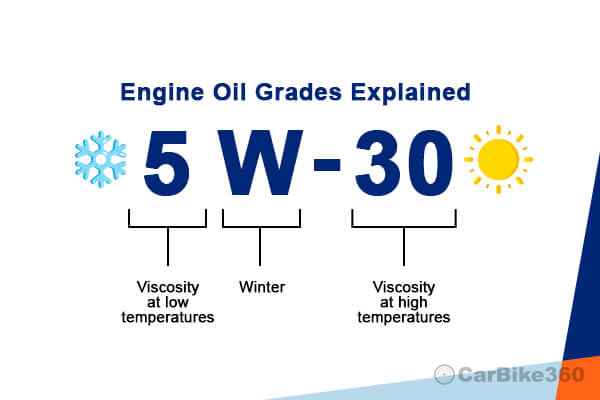
If you use an engine oil with high viscosity, your engine will become unresponsive. This means your engine will require more fuel to overcome the oil's resistance to flow and reach crucial engine components. Furthermore, the viscosity formats are printed on engine oil containers as “5W30”, “10W40” etc. See the image below to understand what this format entails.
Standards and Certifications
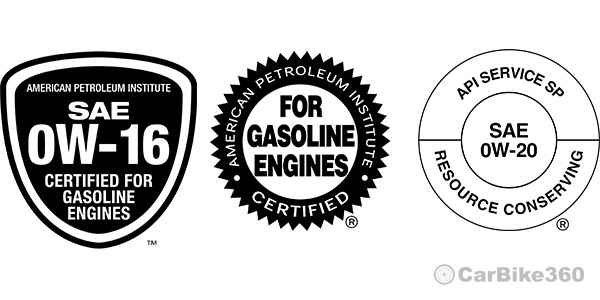
Every engine oil needs certification to ensure that it aligns with the standards set by the automotive authorities. These standards provide guidelines for the formulation and testing of engine oils, ensuring that they meet specific performance criteria. Some major engine oil standards include:
- API (American Petroleum Institute)
- SAE (Society of Automotive Engineers)
- JASO (Japanese Automobile Standards Organisation)
- ILSAC (International Lubricant Standardization and Approval Committee)
- ACEA (Association of Certified European Automakers)
Therefore, when you spot the above acronyms on your engine oil bottle, you can be confident that it has been approved by professionals.
Types of Engine Oil
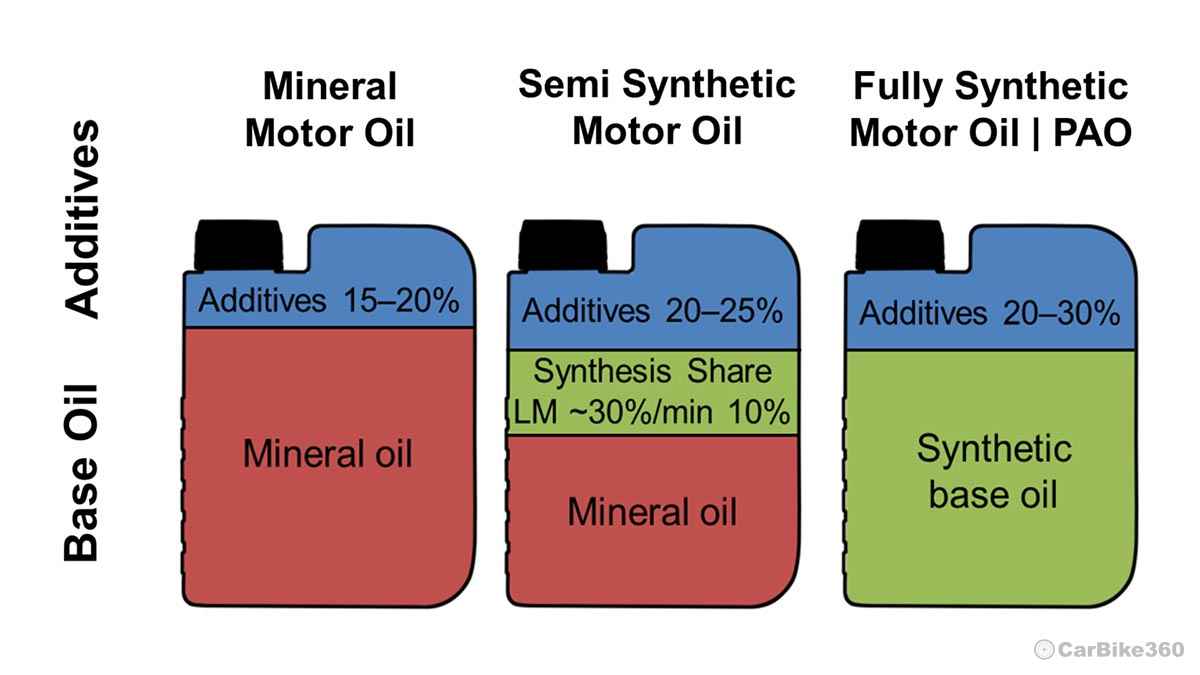
Engine oils are of three types - Mineral, Full-Synthetic, and Semi-Synthetic engine oils. Let’s understand the difference between them.
Mineral Oil
Mineral oil is the most basic type of engine oil and is made out of crude oil. Although mineral oil is affordable, its performance advantages are limited. However, mineral oils are often used in automotive engines and are specifically recommended for older engines.
Synthetic Oil
Fully synthetic oil is developed in laboratories by combining several additives and chemicals that work together to provide greater friction protection, regulate thermal efficiency, and extend the life of internal components. Fully synthetic engine oils outperform in severe temperatures and offer superior engine protection. This is also why engines that use 100% synthetic oil will require longer service/oil change intervals.
Semi-Synthetic Oil
Semi-synthetic oils are the compound of mineral and synthetic oils that provide a good balance of performance and cost. It outperforms mineral oil but falls short of full synthetic. These oils are ideal for transitioning from mineral oils to more contemporary mixes in older engines. They assist these engines run cleaner by adding detergents that decrease the accumulation of combustion residues.
Now, that you have a good understanding of engine oils, let’s jump right into the main topic -
How to select the best engine oil for your vehicle?
To select the best engine oil for your vehicle, you have to consider several factors including:
Vehicle Manufacturer's Specifications
Always start by checking your vehicle’s manual for the manufacturer’s recommended oil specifications. This typically includes the viscosity grade (e.g., 5W-30, 10W-40) and the type of oil (conventional, synthetic, or a blend). The manufacturer’s guidelines take into account the engine's design and performance needs.
Oil Viscosity
Viscosity refers to how thick or thin the oil is and how easily it flows at different temperatures. It's measured by two numbers, such as 5W-30:
First number (5W): This is the oil’s flow at cold temperatures (W stands for winter). The lower this number, the better it performs in cold conditions.
Second number (30): This is the oil’s viscosity at high temperatures (100°C or 212°F). A higher number means thicker oil, which is more beneficial for high-performance engines.
Choose the right viscosity for your local climate and your vehicle’s operating conditions.
Oil Type
Conventional Oil: Standard mineral oil, suitable for older vehicles or those with lower performance needs. It generally needs to be changed more frequently.
Synthetic Oil: Man-made and designed to offer superior performance, longevity, and protection, especially under high-temperature or high-stress driving conditions. Ideal for modern engines and high-performance vehicles.
Synthetic Blend: A mix of conventional and synthetic oils, providing a balance of cost-effectiveness and performance. It’s good for vehicles that require frequent oil changes or in extreme driving conditions.
High-Mileage Oil: Designed for vehicles with over 75,000 miles, these oils contain additives to help prevent leaks, reduce oil burn-off, and improve the overall condition of older engines.
API (American Petroleum Institute) Rating
Look for the API certification mark, which indicates the oil’s performance level. It’s often denoted by a two-letter code (e.g., SN, SM), where the first letter refers to the oil's performance in terms of engine protection, and the second letter reflects the oil’s suitability for newer engine technology.
Additives
Modern oils contain additives that serve various purposes, such as improving viscosity, preventing wear, reducing friction, and keeping the engine clean. Some oils may also contain detergents or dispersants to remove contaminants like dirt and sludge from the engine.
Driving Conditions
If you drive in extreme conditions (e.g., very hot or cold climates, towing, off-roading, or frequent stop-and-go driving), you might need a more robust oil that can handle higher stress. Synthetic oils often perform better under such conditions.
Oil Change Interval
Different oils have different lifespans. Full synthetic oils generally last longer and allow for extended oil change intervals, often between 7,500 to 10,000 miles. Conventional oils may require changes every 3,000 to 5,000 miles. Always adhere to the recommended oil change interval for your vehicle to maintain optimal engine performance.
Brand Reputation
Choose reputable brands, as they tend to maintain consistent quality and meet rigorous standards for performance and reliability.
Fuel Economy
Some oils are designed to improve fuel efficiency by reducing friction within the engine. This can be particularly beneficial if you want to boost gas mileage.
Conclusion
Choosing the appropriate engine oil for your vehicle is critical to maintaining the engine health, performance, longevity, and overall mechanical efficiency. Whether you use mineral oil, synthetic oil, or semi-synthetic engine oil, choosing the correct viscosity and quality will help avoid engine wear, enhance fuel efficiency, and keep your engine running smoothly. There are various reputable brands on the market, so you have lots of options for finding the best engine oil for your vehicle. If you want to explore such brands, click here to visit and get full information about the available options.
Also Read: Best Engine Oil For Your Sports Bike


You May Like






Latest Lubricant Videos


Other Lubricant Articles

HPCL and Castrol India Partner to Develop RRBO Ecosystem in India: A Step Towards Sustainable Lubricants

Low SAPS Engine Oil in India 2026: Why Your BS6 Car Will Die Without It

Impact of Poor Lubrication on Your Vehicle’s Performance and Longevity
How to Read Engine Oil Labels: Understanding API, ACEA, and SAE Ratings
Listen to Lubricant Audios