ELECTRIC
Gear Up for Fall: Essential Bike Maintenance Tips After Summer Miles
 Add CarBike360 on Google
Don't let neglected summer miles spoil your autumn rides. Learn the essential bike maintenance tips to keep your machine performing flawlessly this fall.

Sep 28, 2025 06:49 am IST

Fall is here. After months of long summer rides, your bike needs immediate attention to stay safe and ready for the cooler weather. Many bikes have traveled hundreds of miles on dusty trails and city streets, resulting in wear and tear that can impact performance and safety. As temperatures drop and riding conditions change, neglecting essential maintenance now can lead to bigger problems later, putting riders at risk.
Experts advise all cyclists to thoroughly inspect their bikes, focusing on critical components such as brakes and chains. Tires, to ensure a smooth and enjoyable transition into autumn riding. This timely check-up is crucial for extending your bike's life and preventing unexpected breakdowns on the road.
Why do bikes need care after summer fun?
The vibrant days of summer often mean endless miles on your bike, exploring new paths, commuting to work, or simply enjoying the outdoors. These adventures, while fun, can put a lot of stress on your bicycle. Dirt, dust, sweat. Sometimes, even rain can build up and affect how your bike runs. As the cooler air of fall arrives, it is the perfect moment to give your bike some well-deserved attention.
This special care, often called bike maintenance tips, is vital not just for safety but also to keep your bike working well and lasting longer. Taking care of small issues now can stop them from becoming big, costly problems later. It ensures your bike is ready for the different conditions fall weather can bring, like wet roads and falling leaves.
First, clean your bike thoroughly

After a summer full of rides, your bike likely has a collection of dirt and grime. A clean bike is a happy bike. It makes checking for other issues much easier. You do not need fancy products; a bucket of warm, soapy water, and a sponge. A few brushes (an old toothbrush works great for small spots) will do the trick. Start by washing the frame, moving from top to bottom. Pay special attention to areas like the handlebars and the seat post.
If your bike has disc brakes, try to avoid getting soap on the rotors and pads. You can use a specific cleaner or rubbing alcohol for these parts. After cleaning the main frame, move to the drivetrain, which includes the chain and gears. Crankset. This area is usually the dirtiest. Using a degreaser here helps remove stubborn grease and dirt. Always rinse your bike carefully with low-pressure water, avoiding direct high-pressure sprays on sensitive bearing areas. Finally, dry your bike completely with a clean rag to prevent rust.
Check your brakes for safety

Your brakes are very vital for safe riding, especially as fall weather can bring wet and unpredictable road conditions. After summer, it is a good idea to inspect your brake pads for wear. For rim brakes, look at the pads directly; if they are worn down to the wear line, they need replacing. For disc brakes, checking the pads might be a bit harder. Look for signs of wear or contamination. Worn pads can make squealing or grinding noises and reduce your stopping power.
If your pads are thinning or worn down to less than 3mm, including their metal holder, it is time to replace them. It is also essential to clean your brake rotors or rims to remove any dirt or oil, as these can reduce braking effectiveness. Make sure your brake levers feel firm and responsive. Check cables for any fraying if you have mechanical brakes. Proper bike maintenance tips for brakes can prevent accidents and ensure you can stop quickly when needed.
Look at your tires and air pressure

Your tires are the only part of your bike that touches the ground, making their condition vital for a safe and smooth ride. After many summer miles, inspect your tires for any signs of wear and tear, such as cracks, cuts, or thinning tread. If the tread is worn down, especially if you ride in wet conditions, consider replacing your tires with ones that offer better grip. Proper tire pressure is another key factor.
Over time. With temperature changes, tire pressure can drop. Under-inflated tires make pedaling harder and increase the risk of punctures. It can wear out faster. On the other hand, over-inflated tires can lead to premature wear in the center of the tread and offer a harsher ride. Always check your tire pressure before each ride and adjust it to the level recommended by the tire manufacturer, usually found on the side of the tire.
Keep your chain in good shape
The chain is a hardworking part of your bike's drivetrain, transferring power from your pedals to the rear wheel. After a summer of riding, your chain is likely to be dirty and may have accumulated grit and sand, which can speed up wear on the chain itself and other drivetrain parts like the cassette and chainrings. Keeping your chain clean and well-lubricated is one of the most essential bike maintenance tips for extending the life of your drivetrain. Start by cleaning your chain thoroughly with a degreaser and a brush.
After cleaning and drying, apply a fresh layer of lubricant. For fall riding, a 'wet lube' is often recommended as it provides better protection against moisture and lasts longer in damp conditions than a 'dry lube'. Remember to wipe off any excess lube to prevent it from attracting more dirt. Regular cleaning and lubrication, especially after wet rides, will keep your chain running smoothly and prevent rust.
Make sure the gears shift smoothly

Smooth gear shifting makes for a much more enjoyable ride. If your bike has been ridden a lot over the summer, your gears might start to feel less responsive, or the chain might struggle to move between cogs. This could mean your derailleurs, the parts that move the chain between gears, need adjusting. Visually check your derailleurs for any signs of bending or damage, especially if your bike has fallen over.
Also, ensure there is no mud, leaves, or sticks caught in the gears. If your chain is having trouble shifting up to a larger gear, you might need to increase the cable tension by turning the barrel adjuster counterclockwise. If it struggles to shift down to a smaller gear, you might need to decrease tension by turning the adjuster clockwise.
These are small adjustments, usually done a quarter-turn at a time. If basic adjustments do not fix the issue, or if the chain is falling off the gears, you might need to adjust the 'limit screws' on the derailleurs, which control their range of motion. For complex shifting problems, or if you are unsure, a visit to a bike mechanic is often the best solution.
Examine moving parts like bearings
Bearings are found in many places on your bike where parts need to turn, such as the wheels (hubs) and the bottom bracket (where your pedals attach). Headset (where your handlebars turn). Over time. With exposure to dirt and moisture, bearings can wear out, become contaminated, or lose lubrication, leading to less smooth operation.
To check your wheel bearings, lift your bike and spin each wheel by hand, listening for any unusual sounds or feeling for roughness. Then, hold the wheel at the top and bottom and try to wiggle it side to side; there should be minimal to no movement. For the bottom bracket, grab the crank arms and check for any play or looseness.
For the headset, rotate the handlebars and feel for any grittiness or rough spots. If you notice any of these signs, your bearings might need to be serviced, cleaned, re-greased, or even replaced. Regular inspection of these critical components is an essential part of bike maintenance tips to ensure a safe and efficient ride.
Tighten all the nuts and bolts
Your bike is held together by many bolts that can loosen over time due to vibrations from riding. Loose bolts can cause parts to shift and affect handling. Even lead to accidents, so regularly checking and tightening them is crucial for your safety and your bike's longevity. Common areas where bolts can loosen include handlebars, seat post, wheels, and crankset. Brakes. It is vital to use the correct tools, like Allen wrenches (also called hex keys) or Torx wrenches, for each bolt. For many critical components, using a torque wrench is highly recommended.
A torque wrench allows you to tighten bolts to the manufacturer's specific settings, which prevents overtightening (which can damage parts or bolts) and undertightening (which allows parts to come loose). If you are unsure about the correct torque settings, your bike's manual or a local bike shop can provide this data. A quick check of major bolts before rides can save you from potential problems and is a simple yet effective part of routine bike maintenance tips.
What are bike experts saying?
Bike repair shops and mechanics often see a rush in the spring as people get their bikes ready for the riding season. This can lead to longer wait times for service. Many experts suggest that fall is actually the perfect time to bring your bike in for a professional check-up and service. "In the fall, since the biking season is ending, not everyone brings their bikes in for maintenance. Your bike will be ready in a day or two," states one expert.
This means you can get faster service and more detailed attention from mechanics. Getting your bike serviced in the fall can also be more budget-friendly, as you might avoid urgent repair costs and benefit from off-season pricing on parts. A full tune-up in the fall ensures that any wear and tear from summer riding is addressed before winter storage, preventing corrosion and bigger issues from developing. It means your bike will be in top shape and ready to ride as soon as the warmer weather returns, without any delays.
The good things about taking care of your bike
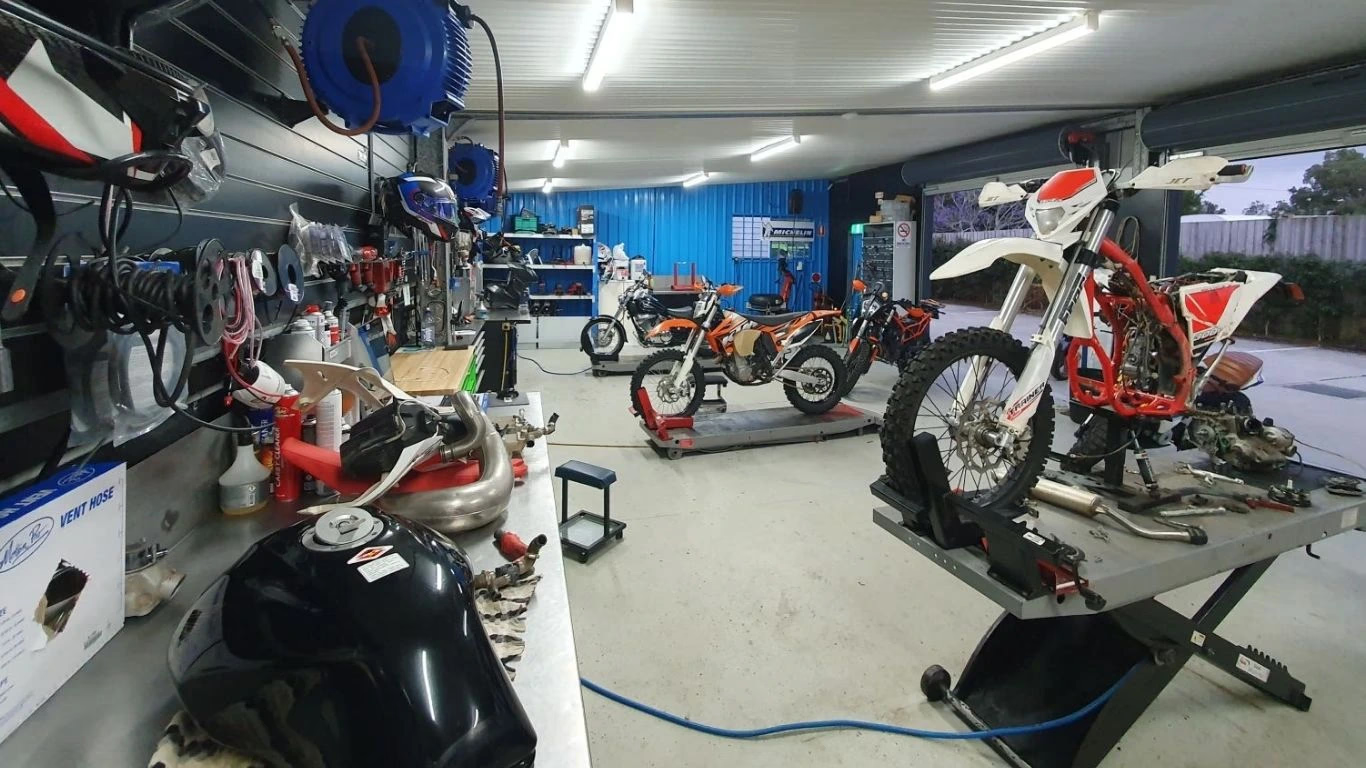
Following these bike maintenance tips offers many benefits beyond just keeping your bike running. One major advantage is that it helps to make your bike last much longer. By addressing small issues before they become big problems, you prevent greater wear and tear, which saves you money on expensive repairs or even having to buy a new bike. Regular care also greatly improves your safety on the road. Properly working brakes and gears. Tires reduce the risk of accidents and ensure you can ride with confidence.
Moreover, a well-maintained bike performs better; it feels smoother and shifts gears more precisely. Requires less effort to pedal. This leads to a more enjoyable and comfortable riding experience every time you head out. Taking the time for bike maintenance tips is an investment in your safety and your enjoyment.
Getting ready for cooler rides

As the vibrant colors of fall spread across the landscape, many riders find this season perfect for cycling due to cooler temperatures and scenic routes. But fall also brings unique challenges like wet leaves and unpredictable weather. Shorter daylight hours. Preparing your bike for these conditions is essential for continued enjoyment and safety. Beyond the basic bike maintenance tips, consider adding accessories like fenders to protect yourself and your bike from splashes.
Ensure you have reliable front and rear lights for better visibility as days get shorter. Reflective gear, both on your bike and clothing, adds an extra layer of safety. If your bike has suspension, fall is also a good time to check it for wear from mud and grit. Ensure it is working properly. By actively performing these bike maintenance tips and making adjustments for the changing season, you ensure your bike is a reliable companion for all your fall adventures.


You May Like




Find your perfect bike

Brand

Budget

Body Type

Fuel

Mileage

More
Listen to Bike Audios