ELECTRIC
How To Buy A Used Car Without Regret
 Add CarBike360 on Google
The same budget that buys you a new hatchback could land you a well-kept midsize sedan, a premium SUV or even a luxury car with years of life left in it. Here’s a comprehensive guide to buying a used car the right way.

By Ashish Masih
Jun 09, 2026 07:26 am IST
1. Start With Your Usage, Not Your Wishlist
Before browsing listings or watching endless review videos, define what the car actually needs to do.
Ask yourself:
Is this primarily a city commuter or a highway machine?
Will the car regularly carry family members?
How many kilometres will it cover monthly?
Is fuel efficiency a priority?
Do you need high ground clearance?
Will maintenance costs matter in the long run?
A diesel SUV may look tempting, but if your usage is mostly city-based and under 1,000km a month, a petrol hatchback or hybrid sedan may make far more sense.
The smartest used car buyers are practical first and emotional later.
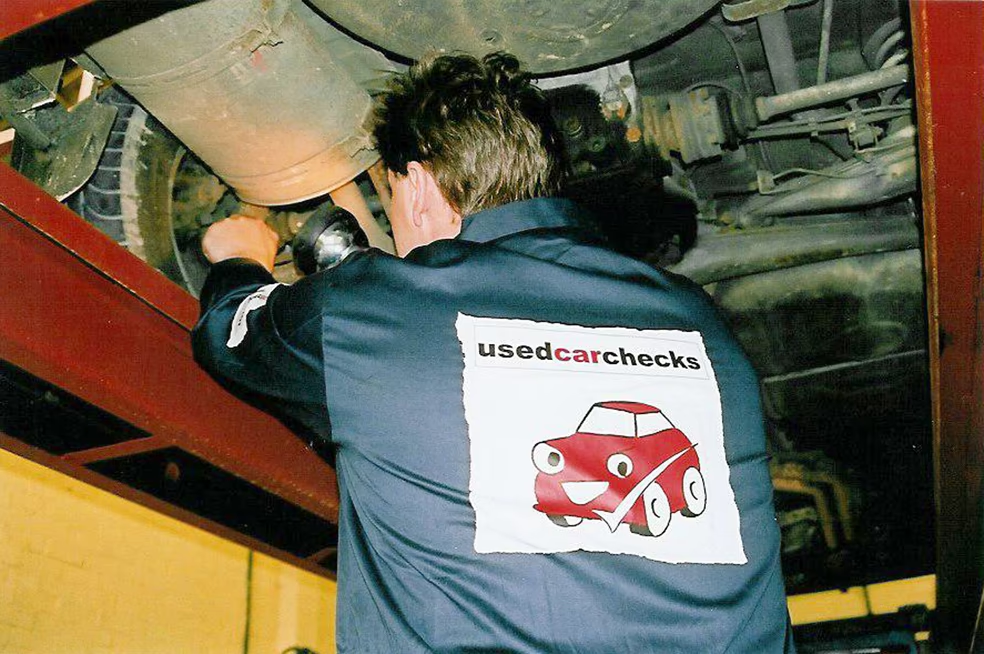
2. Set A Realistic Budget — Including Hidden Costs
Many buyers spend their entire budget on the car itself and forget the ownership costs that follow immediately after purchase.
Always keep aside money for:
Insurance renewal
RC transfer charges
Initial servicing
Tyre replacement
Battery replacement
Brake pads and fluids
Minor cosmetic fixes
As a rule of thumb, keep 10-15 percent of your total budget reserved for post-purchase expenses.
For example, if your budget is ₹8 lakh, shop in the ₹6.8-7.2 lakh range instead.
3. Research Reliability Before Falling In Love
A used car’s long-term ownership experience matters more than its showroom appeal.
Some cars age beautifully. Others become financial nightmares after 60,000km.
Research:
Common mechanical issues
Spare part costs
Service network quality
Reliability reputation
Fuel efficiency in real-world conditions
Japanese cars like the Honda City, Toyota Corolla Altis and Maruti Ciaz typically age gracefully. German luxury cars may offer incredible driving pleasure, but older examples can become expensive to maintain.
The key is understanding what you’re signing up for.
4. Avoid Cars With Suspiciously Low Prices
If a deal looks too good to be true, it usually is.
A heavily discounted used car may have:
Accident damage
Flood history
Engine issues
Pending challans
Loan disputes
Odometer rollback
Insurance claim history
Compare prices across multiple platforms before visiting the seller. If one car is dramatically cheaper than the market average, approach it cautiously.
In the used car market, desperation pricing often hides desperation problems.
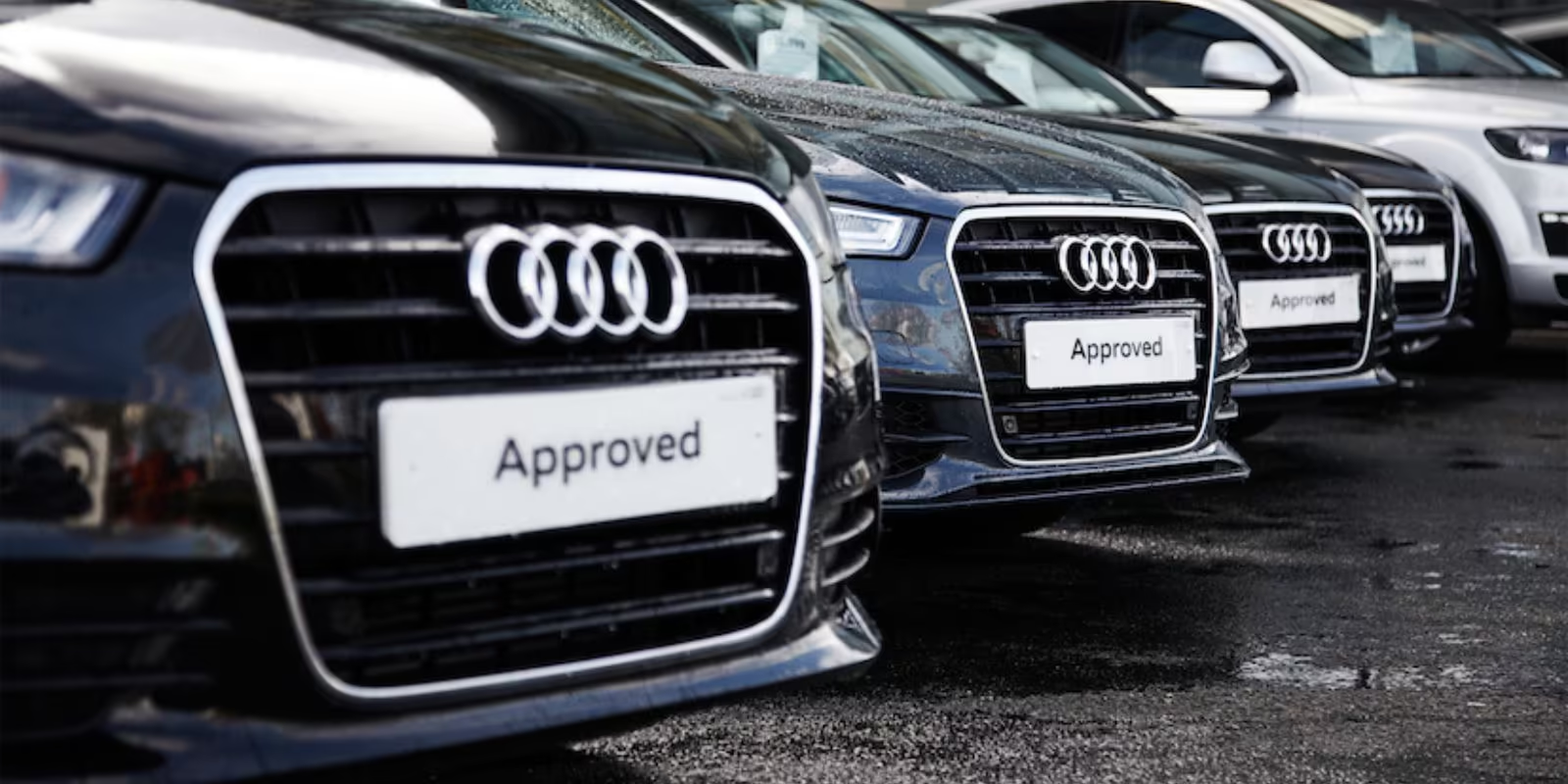
5. Prefer Stock Cars Over Modified Examples
Modified cars may look attractive online, but they often indicate hard usage.
Avoid examples with:
Loud exhausts
ECU remaps
Lowered suspension
Aftermarket turbo kits
Poorly fitted body kits
Oversized wheels
A completely stock car maintained by a mature owner is usually a safer bet than an aggressively modified enthusiast car.
Factory-spec cars also retain better reliability and resale value.
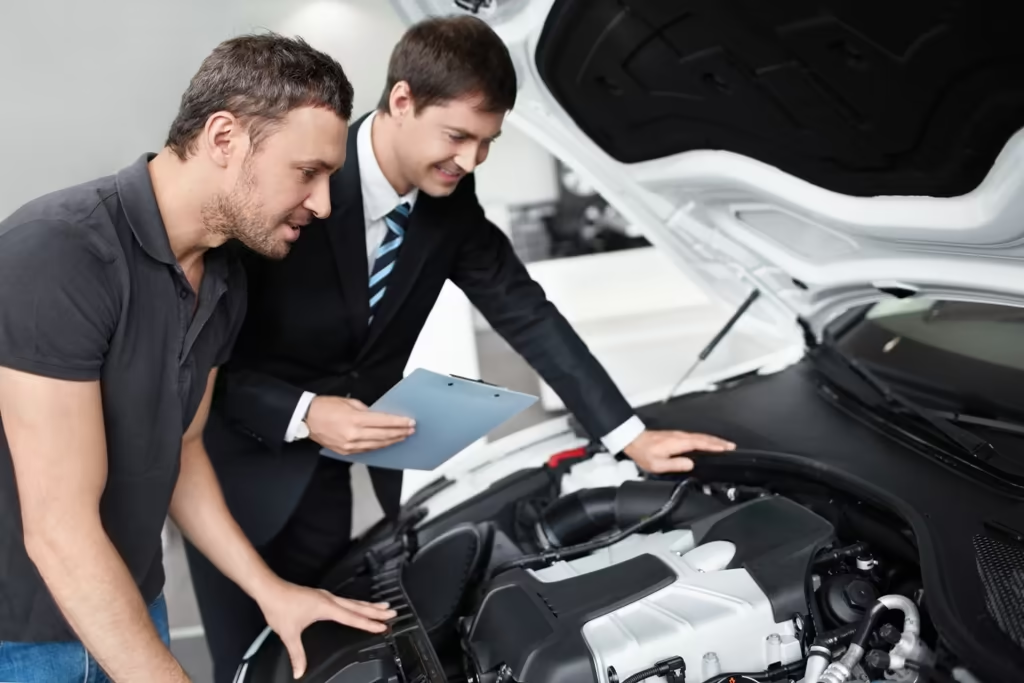
6. Service History Is More Important Than Kilometres
One of the biggest myths in the used car market is that lower kilometres automatically mean a better car.
A well-maintained 80,000km car with complete service records is often safer than a neglected 35,000km example.
Always ask for:
Service invoices
Insurance history
Pollution certificate records
Major repair bills
Battery replacement details
Tyre replacement invoices
Regular servicing tells you far more about ownership quality than the odometer does.
7. Inspect The Car In Daylight
Never inspect a used car at night or in poor lighting.
Daylight reveals:
Paint mismatches
Panel gaps
Repainted sections
Rust spots
Scratches and dents
Uneven body alignment
Walk around the car slowly and inspect every panel carefully.
Different paint shades between adjacent panels often indicate accident repairs.
Also check:
Tyre wear consistency
Windshield cracks
Headlamp fogging
Roof dents
Rust under door seals
Take your time. Rushed inspections lead to expensive mistakes.
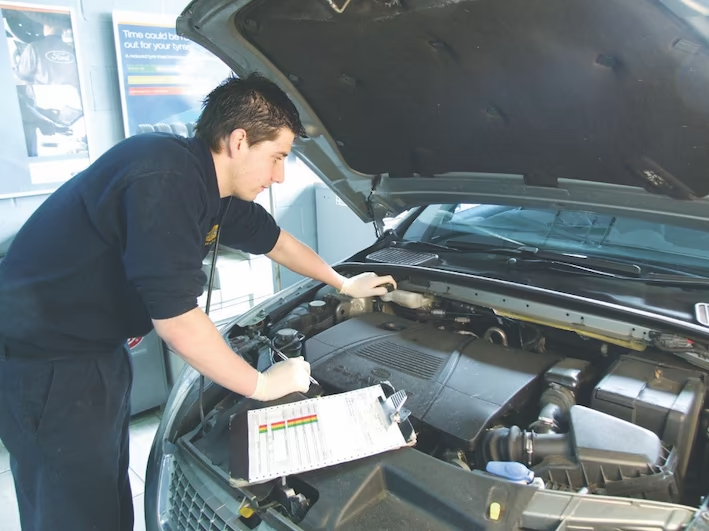
8. Learn To Spot Accident Repairs
Minor repairs are common and usually acceptable. Structural accident damage is not.
Warning signs include:
Uneven panel gaps
Weld marks in the engine bay
Fresh underbody coating
Misaligned doors
Chassis repairs
Water leakage in the cabin
Open the bonnet and inspect the inner fenders. Factory welds are neat and uniform. Uneven welds or repainting inside the engine bay often indicate accident work.
If unsure, get the car inspected professionally.
It’s money well spent.
9. Never Skip A Proper Test Drive
The test drive tells you more than any online listing ever can.
Drive the car at:
Low speeds
Highway speeds
Over bad roads
In stop-go traffic
Pay attention to:
Engine smoothness
Steering alignment
Suspension noises
Brake feel
Clutch condition
Gearshift quality
AC performance
Turn the music off and listen carefully.
Any knocking sounds, vibrations or warning lights deserve investigation.
Also check whether the car pulls to one side under braking — a common sign of alignment or accident-related issues.
10. Verify Documents Thoroughly
A clean-looking car with problematic paperwork can become a legal headache.
Check:
Original RC
Insurance validity
Engine and chassis number match
Pollution certificate
Road tax status
Loan/NOC status
Service records
Make sure the seller’s identity matches the RC owner details.
If buying through a dealer, verify whether the car has already been transferred into the dealer’s name or is being sold on behalf of the original owner.
11. Beware Of Odometer Tampering
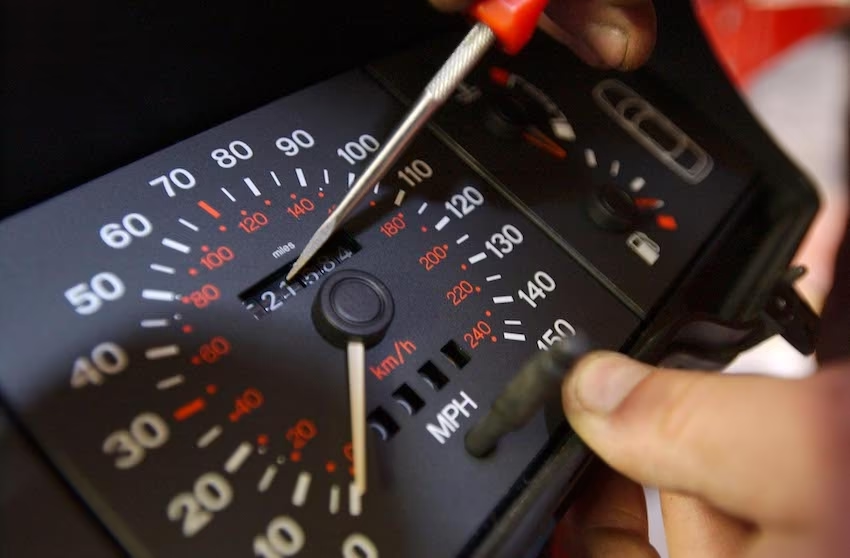
Odometer fraud is still common in India.
Warning signs include:
Excessive steering wear on a “low-mileage” car
Worn pedals
Sagging seats
Shiny gear knob
Faded buttons
Tyres older than expected
A 25,000km car should not feel heavily worn inside.
Cross-check service records to confirm mileage consistency.
12. Get A Professional Inspection Done
Even experienced enthusiasts miss hidden issues.
A professional inspection can uncover:
Flood damage
Engine compression issues
Suspension wear
Chassis damage
ECU fault codes
Hidden leaks
For expensive purchases, this step is absolutely essential.
Spending a few thousand rupees on an inspection can save lakhs later.
13. Understand Depreciation Before Buying
Some cars hold value exceptionally well. Others depreciate rapidly.
Strong resale cars typically include:
Toyota Innova
Maruti Swift
Hyundai Creta
Honda City
Mahindra Scorpio
Meanwhile, luxury sedans and discontinued models often depreciate heavily.
A cheap purchase price may feel attractive initially, but resale value matters later too.
14. Don’t Buy Emotionally
This is perhaps the most important advice of all.
The used car market rewards patience.
Don’t rush because:
The seller says “another buyer is coming”
The deal looks urgent
You’ve travelled far to inspect the car
The car looks beautiful in photos
There will always be another car.
Walk away if:
The seller avoids questions
Documents feel unclear
The car feels neglected
The story doesn’t add up
A calm buyer usually gets the best deal.
15. Buy The Owner As Much As The Car
Enthusiasts often say: “Condition reflects ownership.”
A careful owner usually keeps:
Clean service records
Original accessories
Proper tyre maintenance
Neat interiors
Honest documentation
Meanwhile, neglected ownership habits usually reveal themselves quickly.
Meeting the owner often tells you more than the car listing itself.
Final Verdict
A good used car can offer extraordinary value. It can save money, reduce depreciation losses and even allow buyers to experience cars that would otherwise be out of budget.
But the smartest used car purchases are rarely impulsive.
Research deeply. Inspect patiently. Verify documents thoroughly. And most importantly, don’t let emotions override logic.
Because in the used car world, the best deal is not the cheapest car.
It’s the car that stays reliable long after the excitement of buying it fades.


You May Like


Find your perfect car

Budget

Brand

Body Type

Fuel

Mileage

More
Other Car Articles


Listen to Car Audios