ELECTRIC
How to Check Car’s Engine Oil Level - A detailed Step-by-Step Guide
 Add CarBike360 on Google
Learn how to check your car's engine oil level with this step-by-step guide. Proper maintenance is essential for the longevity of your vehicle!

Apr 11, 2023 06:43 pm IST
Regularly checking your car's engine oil level is an essential part of vehicle maintenance. It helps to ensure that your engine has adequate lubrication, which is necessary to prevent costly engine damage and wear. In this blog post, we will provide you with a detailed step-by-step guide on how to check your car's engine oil level.
Our guide is designed to be easy-to-follow and comprehensive, making it suitable for both seasoned drivers and new car owners. By following our instructions, you will be able to quickly and easily check your engine oil level and determine if it needs to be topped up or changed. So, let's dive into the details and learn how to keep your engine running smoothly!

Why is Engine Oil important for vehicles?
Engine oil is a crucial component for maintaining a vehicle's engine. It serves several important functions:
- Lubrication: Engine oil lubricates the moving parts of the engine, reducing friction and wear. This helps the engine run smoothly and minimizes the risk of damage.
- Cooling: Engine oil helps to cool the engine by carrying heat away from the combustion chamber and other hot areas.
- Cleaning: The detergents and other additives in engine oil help to keep the engine clean by removing dirt, sludge, and other contaminants.
- Corrosion protection: Engine oil contains anti-corrosion additives that protect the engine from rust and other types of corrosion.
- Sealing: The oil film created by engine oil helps to seal gaps between the pistons and cylinders, preventing leaks and the entry of combustion gases into the crankcase.
It's important to follow the manufacturer's recommendations for oil type and change intervals to ensure the best performance and longevity of your vehicle's engine.
Which Engine Oil is the Best for Your Motor Vehicle?
There are a variety of engine oils available in India, each with unique benefits and uses. Here are some of the most common types of engine oils and how they can benefit your vehicle:
- Mineral Oil: This is the most basic type of engine oil, derived from crude oil. It's affordable and easily accessible, but may not provide the best protection for your engine in extreme conditions.
- Synthetic Oil: This type of engine oil is made from chemical compounds and provides superior performance in extreme temperatures and conditions. Although more expensive than mineral oil, synthetic oil can help extend the life of your engine.
- Semi-Synthetic Oil: A blend of mineral and synthetic oils, this engine oil provides better protection than mineral oil and is more affordable than full synthetic oil.
- High-Mileage Oil: Designed for vehicles with high mileage (typically over 75,000 miles), this engine oil contains additives that can help prevent leaks and reduce engine wear and tear.
- Racing Oil: Engineered specifically for high-performance vehicles and racing applications, racing oil provides superior protection and performance under extreme conditions.
Choosing the right engine oil for your vehicle can improve its performance, increase its lifespan, and prevent costly repairs. Factors such as your vehicle's age, mileage, and usage should be considered when selecting the type of oil to use. Additionally, it's crucial to follow the manufacturer's recommendations for oil type and change intervals to ensure the best performance and longevity of your vehicle's engine.
How to Check Your Car's Engine Oil - A 3-Step Guide
Regularly checking your car's engine oil is an essential part of maintaining your vehicle. Here's a simple 3-step guide to help you check your car's engine oil:
Step 1: Locate the Dipstick
The dipstick is usually found near the front of the engine and can be easily located by referring to your vehicle's owner's manual or looking for a bright-colored handle under the hood.
Step 2: Check the Oil Level
With the car parked on a level surface and the engine turned off, remove the dipstick and wipe it clean with a rag or paper towel. Insert it back into its tube and then remove it again. Check the oil level, which should fall between the two marks on the dipstick. If the level is below the lower mark, add more oil. It's important to use the recommended oil for your vehicle, which can be found in the owner's manual.
Step 3: Check the Oil Condition
Along with checking the oil level, it's crucial to check the oil's condition. Rub a small amount of oil between your fingers and check for any debris or metal particles. If the oil appears gritty or has visible contaminants, it may be time for an oil change. Healthy oil should be transparent and amber-colored.
By checking your car's engine oil regularly, you can ensure it remains at the appropriate level and in good condition, which can prevent engine damage and prolong your vehicle's life.
How to add Engine Oil in Your Car?
Adding engine oil to your car is an essential part of maintaining your vehicle's health. Here are the steps you need to follow to add engine oil to your car:
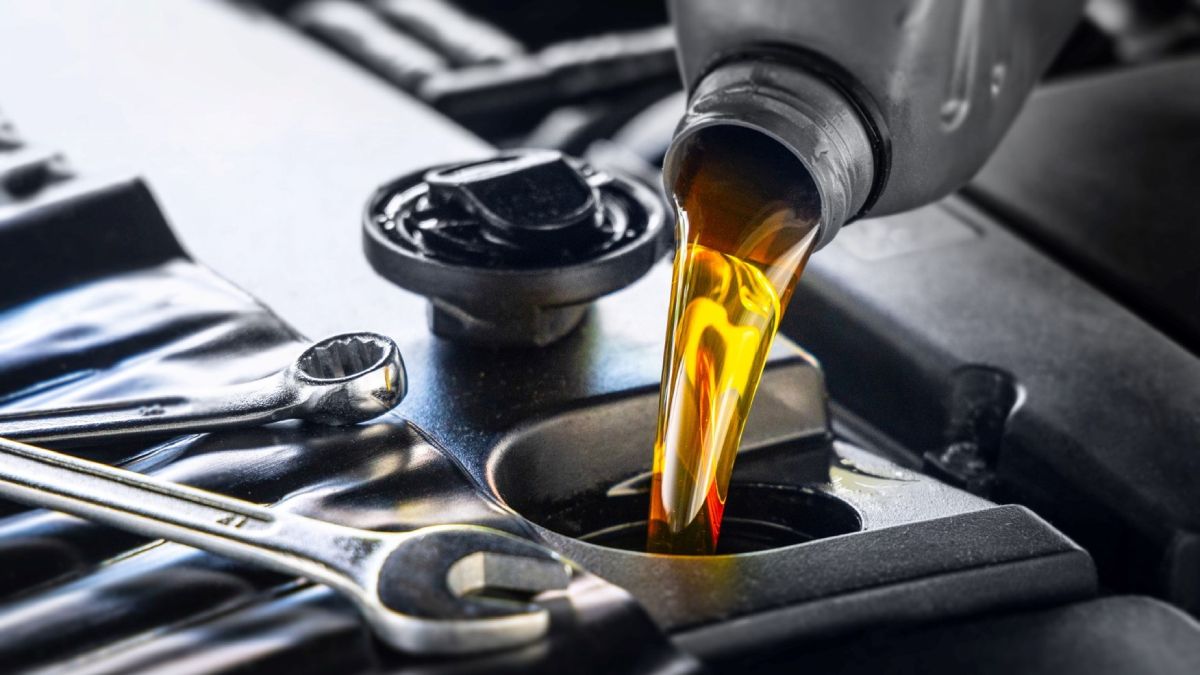
Step 1: Check the Owner's Manual
The first step is to check the owner's manual to determine the type of oil recommended for your car's engine. Indian cars may require different types of oil depending on the make and model, so it's crucial to use the recommended oil type to avoid damaging the engine.
Step 2: Gather the Tools and Oil
Once you have identified the recommended oil type, you'll need to acquire the necessary amount of oil and a funnel to pour it into the engine. You may also need a clean cloth to wipe any spills. It's essential to purchase oil from a reputable dealer to ensure its authenticity.
Step 3: Locate the Oil Filler Cap
Next, locate the oil filler cap, which is typically located on top of the engine and marked with an oil can symbol. In Indian conditions, the engine may still be hot, so it's crucial to use caution when removing the cap.
Step 4: Add the Oil
Using the funnel, pour the oil into the engine, allowing it to flow slowly to avoid spills. You may need to add oil gradually, checking the dipstick periodically to ensure you don't overfill the engine. Once the oil level is at the recommended level, replace the oil filler cap and wipe any spills or excess oil from the engine.
Step 5: Check the Oil Level
After adding the oil, wait a few minutes for it to settle in the engine. Check the oil level again using the dipstick, and add more oil if necessary. Remember not to overfill the engine, as this can cause damage.
By following these simple steps, you can add engine oil to your car and ensure it's running smoothly in Indian conditions. It's crucial to check the engine oil level regularly and add more oil as needed to keep your car's engine properly lubricated, which can extend its lifespan.
Frequently Asked Questions
How can I find out the quality of my car’s engine oil?
To find out the quality of your car's engine oil, you can check the color, consistency, and smell of the oil. Regularly checking the oil level and date of the last oil change is also important.
How can I find out how much engine oil my car needs?
To determine how much engine oil your car needs, you can consult the owner's manual or check the dipstick. The dipstick is usually located near the engine and can be used to check the oil level and estimate how much oil needs to be added.
Are there any special tools to check a car’s engine oil?
Checking a car's engine oil level is a relatively simple process that does not require any special tools. The only equipment you need is the dipstick, which can be located near the engine. However, it is recommended to have a clean cloth or paper towel handy to clean the dipstick before checking the oil level to ensure accuracy.
How to determine whether my car needs an engine oil change?
One way is to check the color and texture of the oil by using the dipstick. If the oil appears dark, gritty, or has a burnt smell, it may be time for a change. Another way is to check your car's mileage since the last oil change. Generally, most manufacturers recommend an oil change every 3,000 to 5,000 miles. Additionally, some cars have a warning light on the dashboard that illuminates when the oil needs changing.


You May Like






Find your perfect car

Budget

Brand

Body Type

Fuel

Mileage

More
Other Car Articles




Listen to Car Audios