

 ELECTRIC
Turbo Engines: Know What are the Advantages & Disadvantages before selecting your Car
 Add CarBike360 on Google
Turbo engines for car buyers in India: advantages, disadvantages, how they work, maintenance, fuel efficiency, and more. Find out if a turbo engine is the right choice for you.

Apr 11, 2023 01:50 pm IST
Published On
Apr 11, 2023 01:48 pm IST
Last Updated On
Apr 11, 2023 01:50 pm IST
For car buyers in India, the term "turbo engine" is becoming more and more common. But what exactly is a turbo engine, and how does it work? Let's explore this technology from a car buyer's perspective.

What is a Turbo Engine?
A turbo engine, also known as a turbocharged engine, is an engine that uses a turbocharger to increase its power output. The turbocharger is a device that compresses the air entering the engine, allowing more air to enter the engine's combustion chamber. The increased amount of air results in more fuel being burnt, leading to more power output.
How Does a Turbo Engine Work?
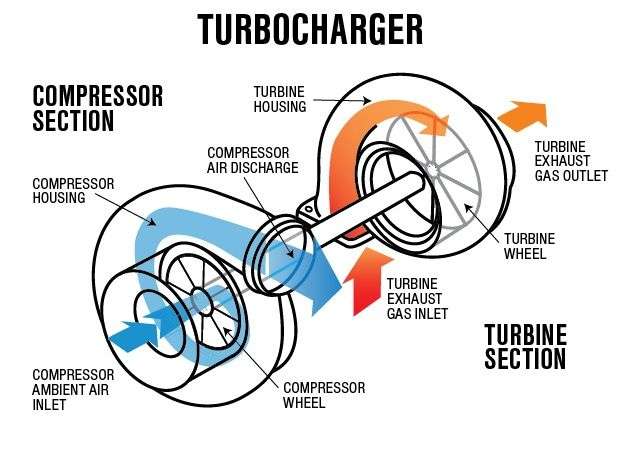
When you press the accelerator, the exhaust gases produced by the engine flow towards the turbocharger.
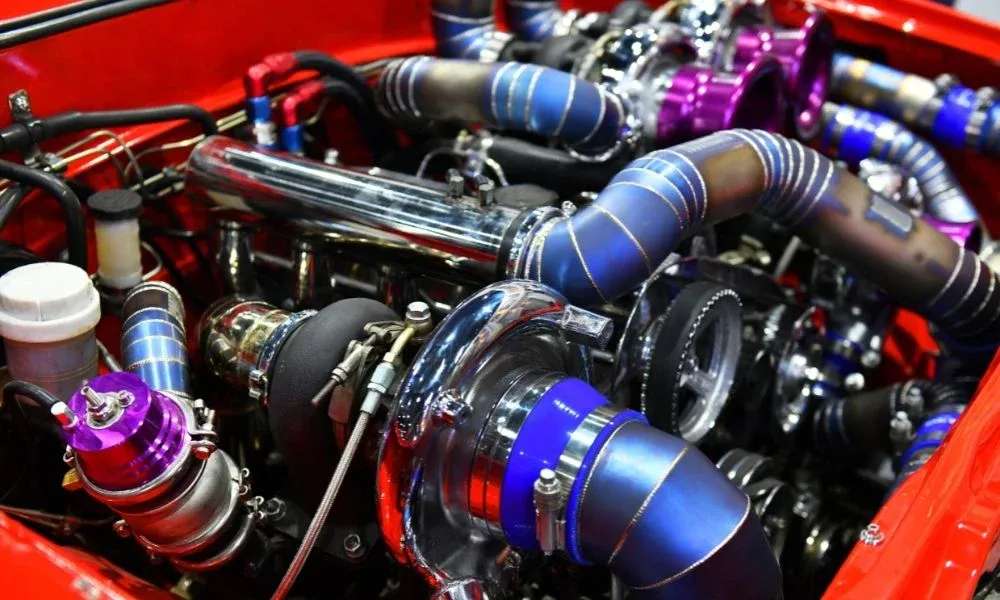
The turbocharger contains a turbine and a compressor connected by a shaft. The exhaust gases flow over the turbine, causing it to spin and in turn causing the compressor to spin. The compressor compresses the air before sending it to the engine's combustion chamber.
The compressed air mixes with fuel and ignites in the engine's combustion chamber, producing a more powerful explosion than a non-turbo engine. The result is more power output and better acceleration.
However, a turbocharged engine may require more maintenance and fuel than a non-turbocharged engine due to the increased power output.
Advantages of Turbo Engines
One of the significant advantages of a turbo engine is that
- It can produce more power output from a smaller engine. This means that car manufacturers can produce smaller, more efficient engines that still provide good performance.
- In addition, turbocharged engines can be more fuel-efficient than non-turbocharged engines, as they can produce more power output with less fuel consumption.
Disadvantages of Turbo Engines
While there are many advantages to a turbo engine, it's essential to consider the potential disadvantages.
- Turbocharged engines may require more maintenance than non-turbocharged engines, as there are more components that can wear down or break over time.
- Additionally, a turbocharged engine may require higher octane fuel, which can be more expensive than regular fuel.
Is a Turbo Engine Right for You?
Ultimately, whether a turbo engine is right for you will depend on your individual needs and preferences.
If you're looking for a car that provides good acceleration and power output without sacrificing fuel efficiency, a turbocharged engine may be a good choice.
However, if you're looking for a car that's easy and inexpensive to maintain, a non-turbocharged engine may be a better fit.
When considering a car with a turbo engine, it's also important to research the specific make and model you're interested in. Look into the engine's reliability and durability, as well as any potential maintenance or repair costs you may incur down the line.
In conclusion, a turbo engine is an engine that uses a turbocharger to increase its power output. As a car buyer, do your research on CarBike360 and take the time to determine whether a turbo engine is the right choice for you.
Frequently Asked Questions on Turbo Engine
How does a turbocharger work?
A turbocharger works by utilizing the energy from the engine's exhaust gases to spin a turbine, which then powers a compressor to compress the air entering the engine's combustion chamber. This compressed air allows more fuel to be burnt, producing more power output.
Are turbo engines more powerful than non-turbo engines?
Yes, turbo engines tend to produce more power output than non-turbo engines of the same size, thanks to the turbocharger's ability to increase the volume of air entering the engine.
Do turbo engines require more maintenance than non-turbo engines?
Turbo engines require additional maintenance compared to non-turbo engines due to the added components and wear and tear on the turbocharger. However, proper maintenance can ensure a long and reliable lifespan for the engine.
Can turbo engines be more fuel-efficient than non-turbo engines?
Turbo engines can be more fuel-efficient than non-turbo engines since they can produce more power output with less fuel consumption, but this can vary depending on the specific engine and driving conditions.
Can turbo engines be upgraded to produce even more power?
Yes, turbo engines can be upgraded with aftermarket parts, such as a larger turbocharger or intercooler, to increase their power output. It's important to consult with a professional mechanic or tuner to ensure safe and effective modifications.
What are the potential disadvantages of a turbo engine?
Turbo engines come with a few potential disadvantages, such as higher upfront costs, potential maintenance and repair costs, higher octane fuel requirements, and potential reliability issues if not properly maintained.
Can any car be retrofitted with a turbo engine?
While technically any car can have a turbo engine installed, it's essential to consider the compatibility and feasibility of such an installation, as well as any legal or safety implications.
Are there different types of turbochargers?
Yes, there are various types of turbochargers available, such as single-scroll, twin-scroll, and variable-geometry turbochargers. These different types can impact the engine's performance and characteristics.


You May Like


Find your perfect car

Budget

Brand

Body Type

Fuel

Mileage

More
Latest Videos





Other Articles


Listen to Audios


Vihan AI - Your Car assistant
Ask me anything about cars, prices, and comparisons.