ELECTRIC
Why Do Many Riders Choose Comprehensive Insurance Even Though Third-Party Cover is Mandatory?
 Add CarBike360 on Google
Comprehensive bike insurance offers wider protection, covering own damage, theft, and natural disasters, making it a preferred choice for riders seeking complete financial security beyond basic third-party coverage.

Jun 15, 2026 09:17 am IST
Published On
Jun 15, 2026 09:12 am IST
Last Updated On
Jun 15, 2026 09:17 am IST
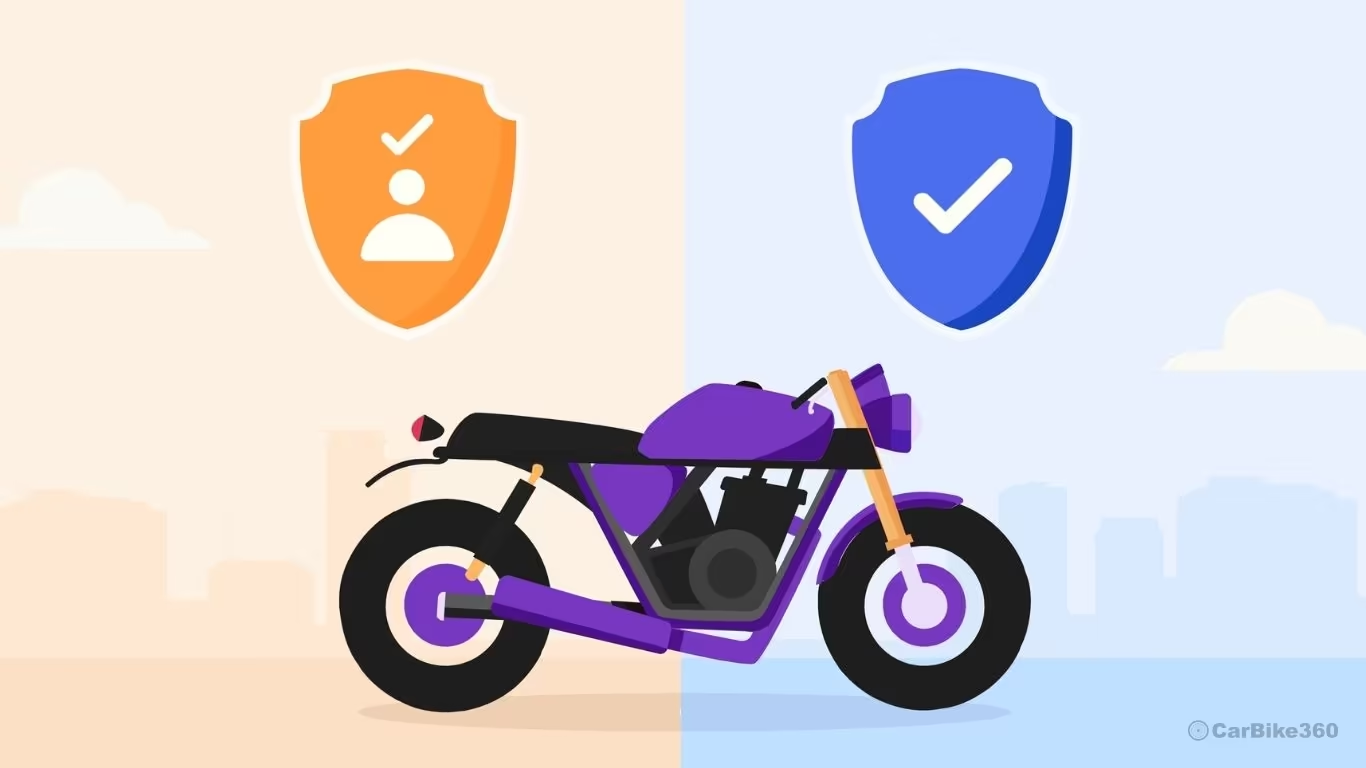
Many riders choose comprehensive bike insurance because the mandatory third-party cover pays only for harm you cause to others, not for your own bike. This guide is for riders who already have the legal minimum and want to know if the extra cover is worth it.
What Does Mandatory Third-Party Bike Insurance Cover?
Third-party bike insurance covers the cost of injuries or damage you cause to others. It is the legal minimum every two-wheeler must carry under the Motor Vehicles Act, 1988. It does one job, and it stops there. It pays nothing toward your own bike.
So a third-party policy pays for:
- Injury or death of another person
- Damage to another person's vehicle or property
- The legal cost that follows such an accident
Riding without it is itself an offense, which is why it is required by law.
> Riding without valid third-party cover can mean a fine of Rs 2,000 the first time and Rs 4,000 the next, with jail up to three months.
What Protection Do Riders Get from Comprehensive Cover?
Comprehensive cover provides own-damage protection in addition to third-party liability. In plain terms, it covers your own bike too, not just other people. The table below shows what each policy includes.
What it pays for | Third-Party | Comprehensive |
Injury or damage to others | Yes | Yes |
Accident damage to your own bike | No | Yes |
Theft of your bike | No | Yes |
Fire and natural disasters | No | Yes |
Optional add-ons | No | Yes |
Premium cost | Lower | Higher |
The IDV (the most your insurer will pay if the bike is stolen or written off) applies only to the own-damage part.
Why Do Riders Prefer the Wider Comprehensive Cover?
Riders prefer comprehensive coverage to close the gap that third parties leave open. A third party gives nothing back if your own vehicle is hurt. So riders weigh the wider cover against the slightly higher premium.
Common reasons riders prefer the wider cover:
- The insurer pays your repair bill after an accident, not you
- A stolen bike is paid for up to its IDV
- Fire, floods, storms, and riots are covered
- Add-ons can be attached, such as zero depreciation and roadside help
- Owner-driver accident cover can be added
For a newer bike, one theft can cost far more than years of the extra premium.
When Should Riders Choose Comprehensive Bike Insurance?
Riders should choose comprehensive bike insurance for a new, high-value, or daily-use two-wheeler. A third-party can be enough for an old, low-value one you rarely ride. A simple test helps: ask what you would pay from your own pocket if it were stolen tomorrow.
Switching is usually easy. With ACKO, for example, riders can move from third-party to comprehensive online coverage, with no paperwork or vehicle check, and add only the covers they want.
Frequently Asked Questions
Is third-party insurance enough for a bike?
It is enough only to stay legal and to cover harm you cause others. It will not repair, replace, or pay for your own bike, so most riders with a newer or daily-use bike add own-damage cover.
Is comprehensive bike insurance mandatory?
No, only third-party cover is required by law. Comprehensive is optional, but many riders buy it because the legal minimum leaves their own bike unprotected against theft, fire, and accidents.
Does third-party insurance cover bike theft?
No, theft of your own bike is never paid under a third-party policy. Only a comprehensive plan pays you for a stolen bike, up to its insured value at the time of the loss.
Why is comprehensive coverage more expensive than third-party?
Because it does much more. A comprehensive plan covers your own bike on top of the third-party part and lets you add covers like zero depreciation, so the premium is higher.
Can you switch from third-party to comprehensive later?
Yes, you can move up to comprehensive when your current policy is due or sometimes mid-term. With some insurers the switch is fully online, with no paperwork and no vehicle inspection.
Key Takeaways
- Third-party cover pays only for harm you cause others. Your own bike is not covered for damage, theft, or loss.
- Comprehensive adds its own damage protection. It pays for accident damage, theft, fire, and natural disasters to your bike.
- Riders upgrade to close the theft and repair gap. They can also add covers like zero depreciation and roadside help.
- Match the cover to the bike. A comprehensive suit is for new or daily-use bikes; a third-party one can suit old, low-value ones.
Also Read: Which Car Insurance Add-Ons are Actually Worth It?
CarBike 360 Says
While third-party insurance meets legal requirements, it offers limited protection. Comprehensive insurance goes a step further by safeguarding your bike against accidents, theft, and natural calamities. For riders who value peace of mind and financial security, the broader coverage and long-term benefits make comprehensive insurance a smart and practical choice.


You May Like


Find your perfect bike

Brand

Budget

Body Type

Fuel

Mileage

More
Other Bike Articles


Listen to Bike Audios