

 ELECTRIC
Mastering Manual and Automatic Transmissions: Essential Tips for Indian Drivers
 Add CarBike360 on Google
Master manual & automatic transmissions with practical India-specific tips for safe, fuel-efficient driving in traffic, hills, and highways

Mar 03, 2026 08:07 am IST
Published On
Mar 03, 2026 05:40 am IST
Last Updated On
Mar 03, 2026 08:07 am IST
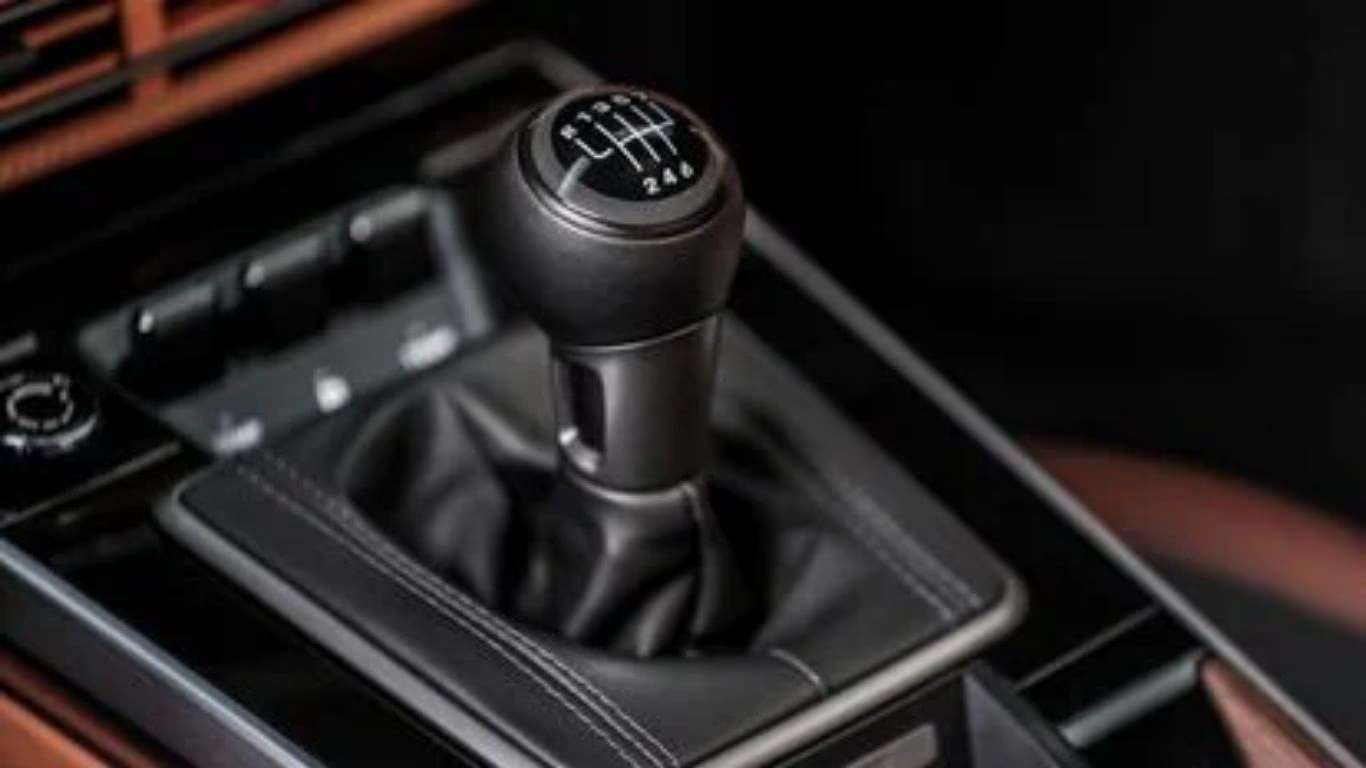
Key Highlights:
- Master both transmissions - Practical, India-specific tips to drive manual & automatic cars smoothly in heavy traffic, hills, and highways.
- Save fuel & avoid costly repairs - Learn correct gear usage, clutch control, and habits that reduce wear in real Indian road conditions.
- Boost confidence & safety - From stall-free starts to monsoon driving tricks – become a better, safer driver on chaotic Indian roads.
Driving in India is an adventure like no other, think bustling city streets in Delhi, winding ghat roads in the Himalayas, or the chaotic highways connecting Mumbai to Pune. Whether you're zipping through traffic on a scooter-dodging commute or embarking on a family road trip to Rajasthan's deserts, your car's transmission plays a starring role in making the journey smooth, safe, and efficient. But how do you use manual and automatic transmissions properly? If you've ever stalled at a red light in Bangalore or felt the frustration of gear shifts in Hyderabad's stop-and-go traffic, this guide is for you.
In this article, we'll dive deep into the art of handling both transmission types, tailored specifically for Indian driving conditions. From fuel-saving tricks on pothole-ridden roads to mastering hill starts without rolling back, we'll cover it all. By the end, you'll feel confident behind the wheel, whether you're in a budget hatchback like the Maruti Swift or a premium SUV like the Hyundai Creta. Let's gear up and get started, pun intended.
Read More: Honda Ev Plans for India
Understanding Transmissions: Why It Matters in India's Diverse Driving Landscape
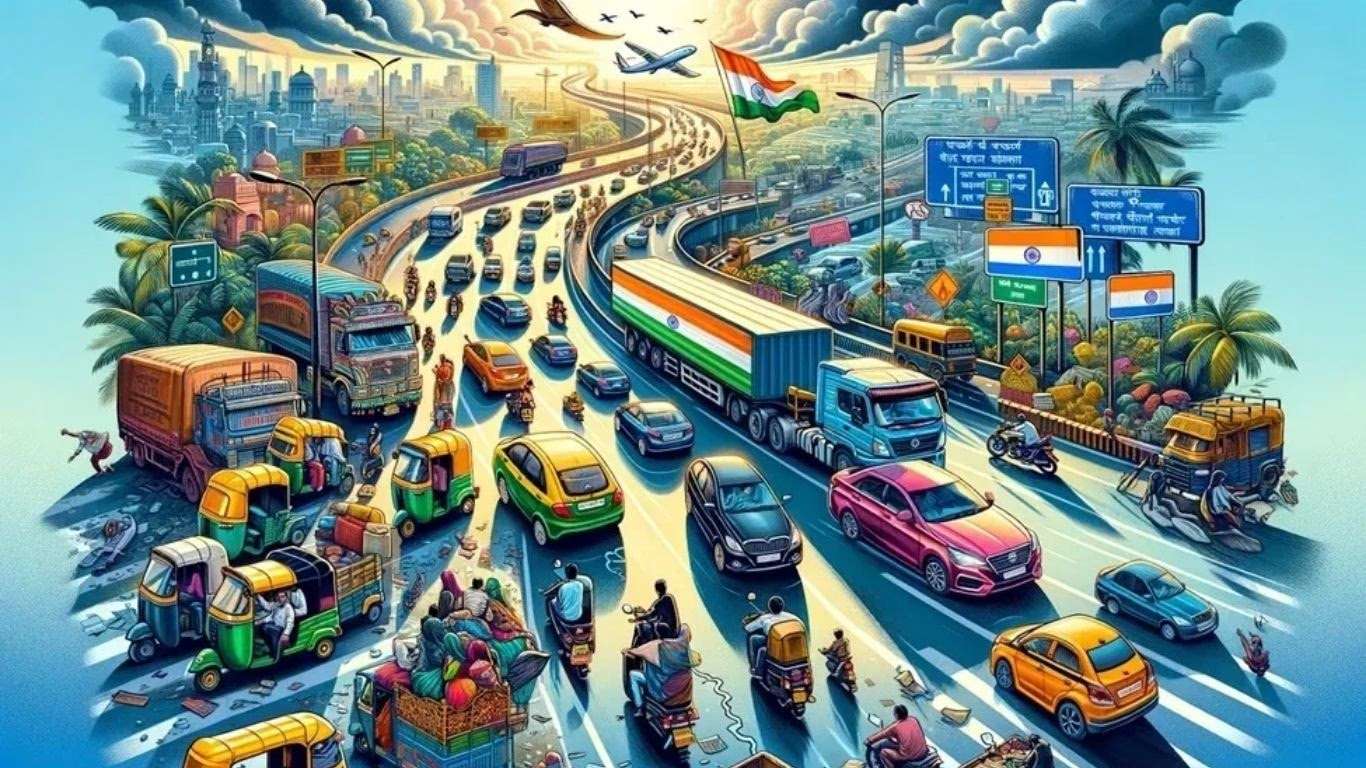
India's roads are as varied as its cultures: smooth expressways like the Yamuna Expressway contrast with rural dirt tracks in Uttar Pradesh, and monsoon floods in Kerala demand a different approach than dry summers in Gujarat. Your car's transmission, essentially the system that transfers power from the engine to the wheels, determines how efficiently and safely you navigate these challenges. There are two main types: manual (stick shift) and automatic. Manuals require you to manually change gears using a clutch pedal and gear stick, while automatics handle gear shifts for you, often with modes like Drive (D), Park (P), Reverse (R), and Neutral (N).
Why focus on the 'right way' to use them? Improper handling can lead to higher fuel consumption (a big deal with petrol prices hovering around ₹95-₹100 per liter in 2026), premature wear on components, or even accidents in high-traffic zones like Chennai's IT corridors. According to the Ministry of Road Transport and Highways, over 1.5 lakh road accidents occur annually in India, many due to driver errors like poor gear management. Learning the correct techniques not only saves money, potentially reducing maintenance costs by 20-30%, but also enhances your driving pleasure.
Let's break it down creatively: Imagine your transmission as a DJ at a desi wedding. A manual is like a hands-on DJ mixing tracks manually for that perfect bhangra beat, giving you control but requiring skill. An automatic is the auto-playlist version, smooth and effortless, ideal for when you're busy dodging cows on the road to Agra. But both need the right moves to avoid a flop.
To make this engaging, consider this: Have you ever wondered why manuals dominate Indian car sales (over 60% as per SIAM data in 2025), while automatics are surging in popularity in metros like Delhi and Mumbai? It's because manuals offer better fuel efficiency on long hauls, but automatics shine in urban crawls. We'll explore the pros and cons with a handy table below.
Aspect | Manual Transmission | Automatic Transmission |
|---|---|---|
Fuel Efficiency | Generally higher (up to 15-20% better on highways) due to driver control | Slightly lower, but improving with CVT tech; great for city driving |
Cost | Cheaper to buy and maintain (e.g., ₹50,000 less for a manual variant) | Higher upfront cost, but lower repair frequency |
Driving Ease | Requires practice; fun for enthusiasts | Beginner-friendly; reduces fatigue in traffic |
Suitability in India | Ideal for rural roads and budgets | Perfect for urban jams and monsoons |
Resale Value | High in second hand market | Growing, especially in premium segments |
This table highlights key differences. Use it as a quick reference when car shopping at places like Delhi's Karol Bagh auto markets. Now, let's visualize fuel efficiency trends. If we plot average mileage (km/l) for popular Indian cars like the Tata Nexon, manuals often edge out automatics by 2-3 km/l on highways.
Read More: Kia Seltos 2026 Rocks the Segment: Creta & Harrier Left Shocked
Mastering Manual Transmission: Gear Up for Control and Efficiency on Indian Roads
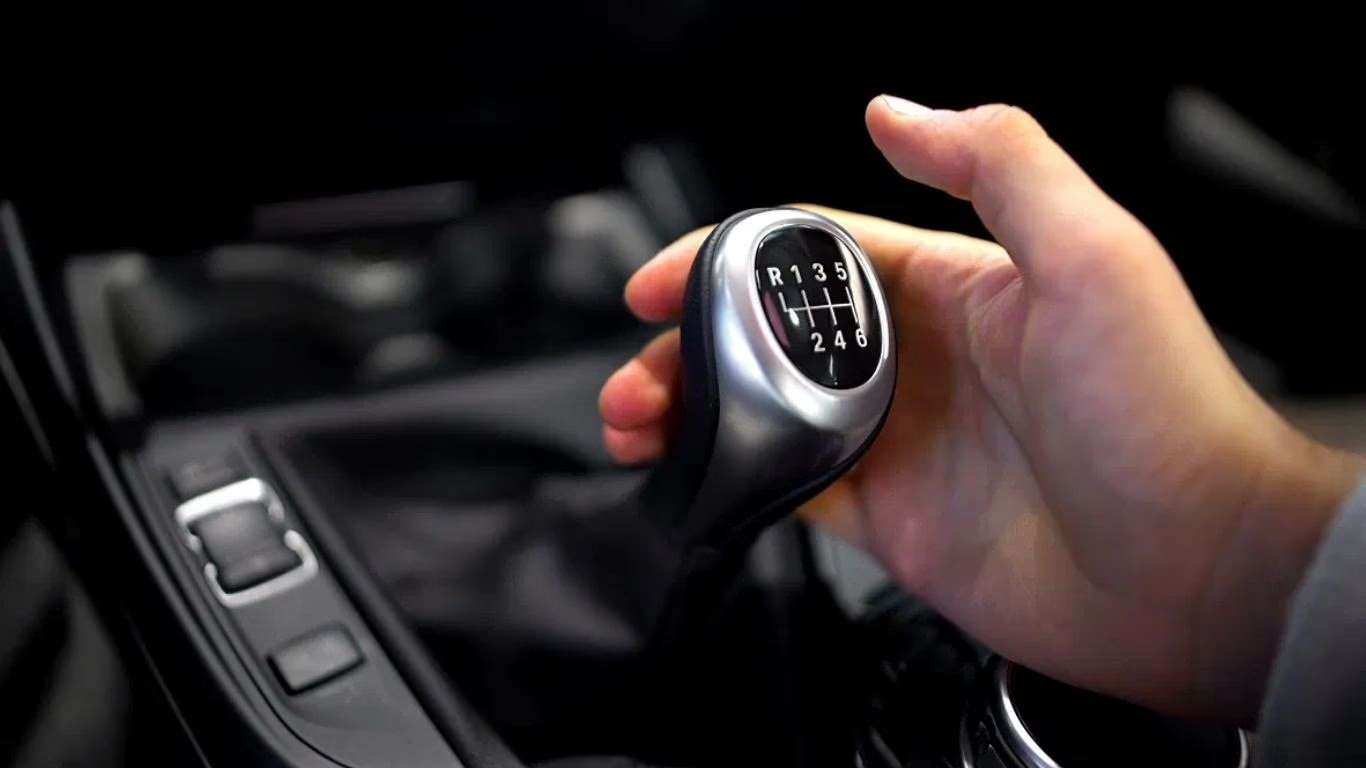
Ah, the manual transmission, the classic choice for millions of Indian drivers. Remember your first driving lesson? That heart-pounding moment when you release the clutch too fast and the car jerks like a startled elephant? We've all been there. But done right, manuals offer unparalleled control, especially on India's unpredictable terrains.
STEP 1: Starting the Engine and Moving Off. Park on a flat surface (crucial in hilly Shimla or Pune's slopes). Depress the clutch fully with your left foot, shift to neutral, and start the ignition. To move, press the clutch again, shift to first gear (usually left and up on the H-pattern stick), and gently release the clutch while pressing the accelerator. The 'bite point' is key to feeling the engine's revs drop slightly as the clutch engages. In Indian traffic, avoid riding the clutch (keeping it half-pressed); it wears out the plate faster, costing ₹5,000-₹10,000 in repairs.
For hill starts, use the handbrake trick: Pull it up, release the clutch to bite point, then release the handbrake as you accelerate. This prevents rollback, a common mishap on inclines like those leading to Ooty.
STEP 2: Shifting Gears Smoothly. Manuals have 5-6 forward gears plus reverse. Up-shift when engine RPM hits 2000-2500 (listen for the revving sound). Downshift before turns or slowdowns to avoid stalling. In city traffic like Kolkata's, stay in lower gears (1-3) for quick acceleration past rickshaws. On highways like the Mumbai-Pune Expressway, cruise in 5th or 6th for better mileage.
Creative tip: Think of gears as spices in a curry, too low (undercooked), and the engine labors; too high (over-spiced), and it bogs down. Match gear to speed: 1st for 0-20 km/h, 2nd for 20-40, and so on. Avoid "lugging" the engine (driving in high gear at low speed), which strains it and reduces efficiency.
Maintenance Matters: In dusty Indian conditions, change transmission oil every 40,000 km (use API GL-4 grade). Signs of issues? Grinding noises during shifts could be worn synchros, common in high-mileage cars like the Honda City.
Safety First: Never shift to reverse while moving forward; it can damage the gearbox. In monsoons, avoid deep puddles to prevent water ingress. Engage the clutch fully during shifts to prevent wear.
Pros of manuals in India: They're forgiving on bad roads, allowing engine braking downhill (down-shift instead of braking hard). Cons: Fatigue in stop-go traffic, like Delhi's ring roads during rush hour (10 AM-8 PM in 2026).
Engaging anecdote: Picture this, a family drive to Jaipur. You're in manual mode, down-shifting seamlessly through Amber Fort's climbs, saving fuel while enjoying the control. That's the thrill.
Excelling with Automatic Transmission: Effortless Driving for India's Urban Jungle
Switching to automatics? It's like upgrading from a cycle to an e-bike, less effort, more enjoyment. Automatics are booming in India, with sales up 25% in 2025 per industry reports, thanks to tech like AMT (Automated Manual Transmission) in affordable cars like the Renault Kiger.
STEP 1: Basics of Operation. No clutch pedal, yay! Start in Park (P), foot on the brake, ignition on. Shift to Drive (D) for forward, Reverse (R) for back. Neutral (N) for idling, like at long signals in Ahmedabad. Many have a manual override (Tiptronic) for gear control, use paddles or a stick for hilly drives.
In Indian contexts, automatics excel in traffic snarls. No stalling worries when creeping forward in Mumbai's Andheri jams. But don't get complacent, always brake before shifting from P to D.
STEP 2: Advanced Modes and Tips. Use Low (L) or 1-2 gears for steep inclines, like Goa's Dudhsagar falls roads. In CVT (Continuously Variable Transmission) cars like the Nissan Magnite, it simulates gears for smooth acceleration. For fuel efficiency, coasting in D without accelerating downhill regenerative braking in hybrids like the Toyota Innova Hycross saves energy.
Creative analogy: Automatics are like autopilot on a flight from Delhi to Kochi, set it and relax, but monitor for turbulence (potholes). In monsoons, use traction control if available to avoid wheel spin on slippery Chennai roads.
Maintenance: Fluid changes every 60,000 km (ATF Dexron type). Watch for the slipping gears sign of low fluid, costing at ₹20,000+.
Safety: Automatics reduce driver distraction, lowering accident risks in distracted driving hotspots like Punjab highways. But avoid 'neutral coasting' to save fuel—it's illegal and dangerous, per Indian traffic rules.
Table for Automatic Types in India:
Type | Description | Popular Models | Best For |
|---|---|---|---|
AMT | Affordable auto with manual base | Budget city drives | |
CVT | Seamless ratios | Smooth highways | |
DCT | Dual-clutch for quick shifts | Sporty performance | |
Torque Converter | Traditional, robust | Off-road and towing |
Conclusion
In conclusion, whether manual or automatic, the key is practice and awareness. For Indian drivers, blend these tips with local wisdom like yielding to buses in crowded cities or using horns judiciously. Drive safe, save fuel, and enjoy the ride. What's your transmission story?


अपनी परफेक्ट कार खोजें

Budget

Brand

Body Type

Fuel

Mileage

More
नवीनतम कार वीडियो



Vihan AI - Your Car assistant
Ask me anything about cars, prices, and comparisons.