ELECTRIC
BIS introduces standards for high ethanol-blended petrol amid rising energy concerns
 Add CarBike360 on Google
In a major step toward energy security, BIS has introduced standards for higher ethanol-blended petrol, paving the way for wider E20 adoption in India.

May 21, 2026 12:38 pm IST
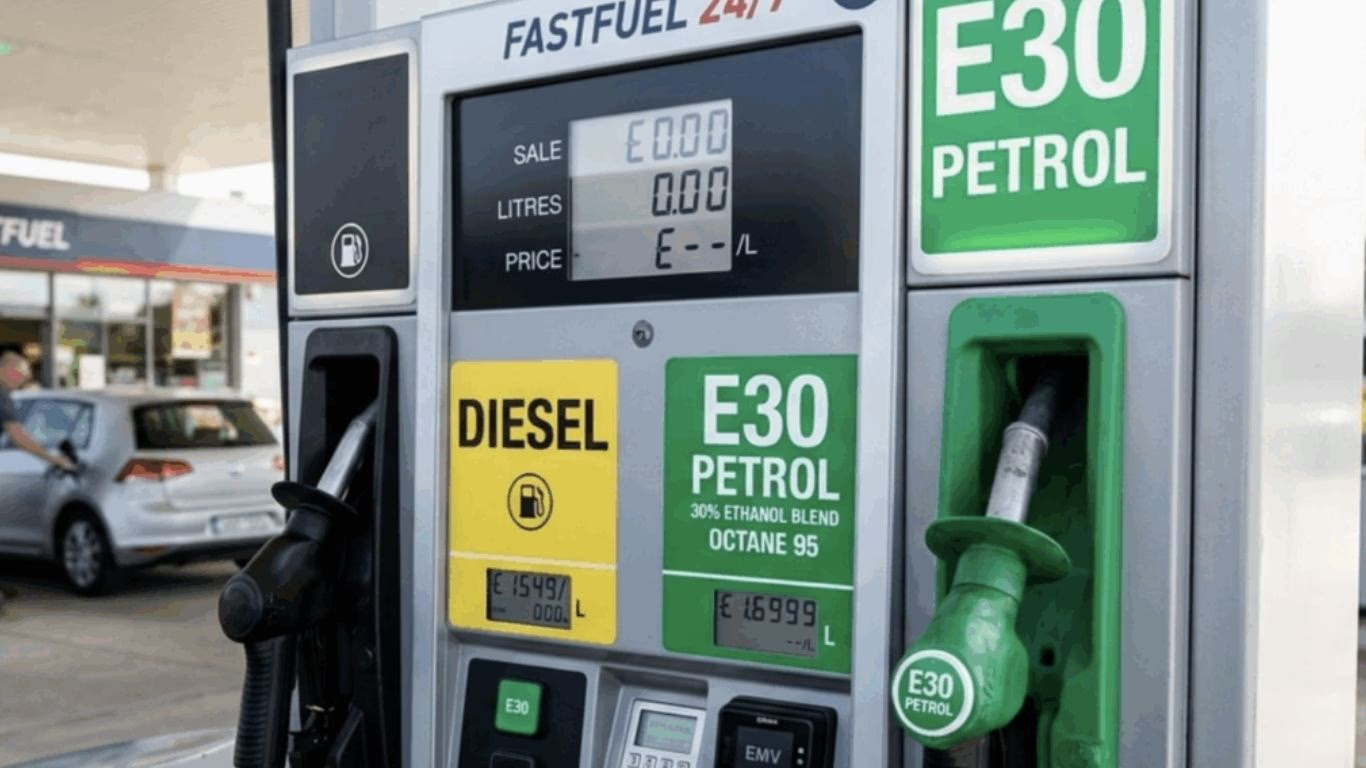
The Bureau of Indian Standards (BIS) has notified technical standards for E22, E25, E27, and E30 fuels. These numbers indicate the percentage of ethanol blended with petrol. The notification does not mandate higher blends but sets a framework for future adoption. This move comes as the global energy crisis continues, driven by geopolitical factors.
Key Highlights
- BIS provides standards for E22 to E30 ethanol blends in petrol
- India currently uses E20 blend, with carmakers like Honda already compliant
- Higher blends require new fuel system components for compatibility
- Existing vehicles may face challenges adapting to increased ethanol content
Ethanol Blending Standards Explained
India has already shifted to the E20 blend, meaning petrol now contains 20 percent ethanol. Carmakers, including Honda, have adapted their vehicles to meet this standard. The new BIS notification prepares the industry for possible increases in ethanol content, potentially up to flex fuel levels. Most current vehicles were designed for blends up to 20 percent. Higher blends will require changes to fuel system components, as existing materials may degrade faster with more ethanol.
The notification acts as a precaution, signaling manufacturers to get ready for higher ethanol blends. It does not require immediate changes but outlines technical specifications for E22, E25, E27, and E30. This allows the industry to plan for future transitions.
Implications for Industry and Consumers
New vehicles can adapt more easily to changing emission norms and fuel blends. However, existing car owners may face challenges. Upgrading fuel lines and injectors to handle higher ethanol content is not always practical on a large scale. The industry must consider the costs and logistics of retrofitting older vehicles.
Higher ethanol content in petrol can reduce dependence on fuel imports. However, it also brings technical challenges. Ethanol absorbs moisture more easily than petrol, which can affect engine performance. Ethanol has a lower power density, leading to reduced power output and changes in combustion. Fuel economy may also decrease with higher ethanol blends.
The BIS notification is not a signal for immediate action but serves as a guideline for future readiness. The next steps could involve pilot tests with blends slightly higher than E20. These tests would be followed by certification and validation processes before any nationwide rollout of higher blends.
Next Steps for the Automotive Sector
The Indian automotive industry is expected to monitor the impact of higher ethanol blends. Manufacturers may begin pilot projects to assess vehicle compatibility with E22 and above. The government could use these results to plan a phased introduction of higher blends. The industry will need to ensure that new vehicles and possibly some existing models can operate safely and efficiently on these fuels.
In summary, the BIS notification sets technical standards for higher ethanol blends but does not require immediate changes. It provides a roadmap for the industry to prepare for future shifts in fuel composition, balancing energy security with technical feasibility.
Also Read: India evaluates E25 fuel impact on existing vehicles amid Ethanol blending push
CarBike 360 Says
The introduction of BIS standards for higher ethanol blends marks a crucial step in India’s transition toward cleaner and more self-reliant energy solutions. As automakers adapt and infrastructure evolves, the move is expected to reduce oil imports and emissions. However, its long-term success will depend on vehicle compatibility, consumer awareness, and consistent fuel quality nationwide.


You May Like






Latest Lubricant Videos


Other Lubricant News
BSSPL deploys AI-Driver monitoring across aviation fuelling fleet at major airports
LIQUI MOLY introduces hybrid and OAT ready mix motorcycle coolants globally
Tata Motors and HPCL Pilot used lubricant recycling initiative in India

Petrol prices rise again in Delhi and Mumbai amid global supply disruptions
Listen to Lubricant Audios