

 ELECTRIC
FADA Survey Shows Cautious Optimism for Indian Auto Dealers in FY27
 Add CarBike360 on Google
FADA's April 2026 dealer survey shows cautious optimism, with over 50 per cent expecting growth. Supply disruptions from the West Asia conflict and rising fuel prices are key concerns, but structural demand drivers remain strong.

By Utsav Chaudhary
Apr 06, 2026 04:19 am IST
Published On
Apr 06, 2026 04:00 am IST
Last Updated On
Apr 06, 2026 04:19 am IST
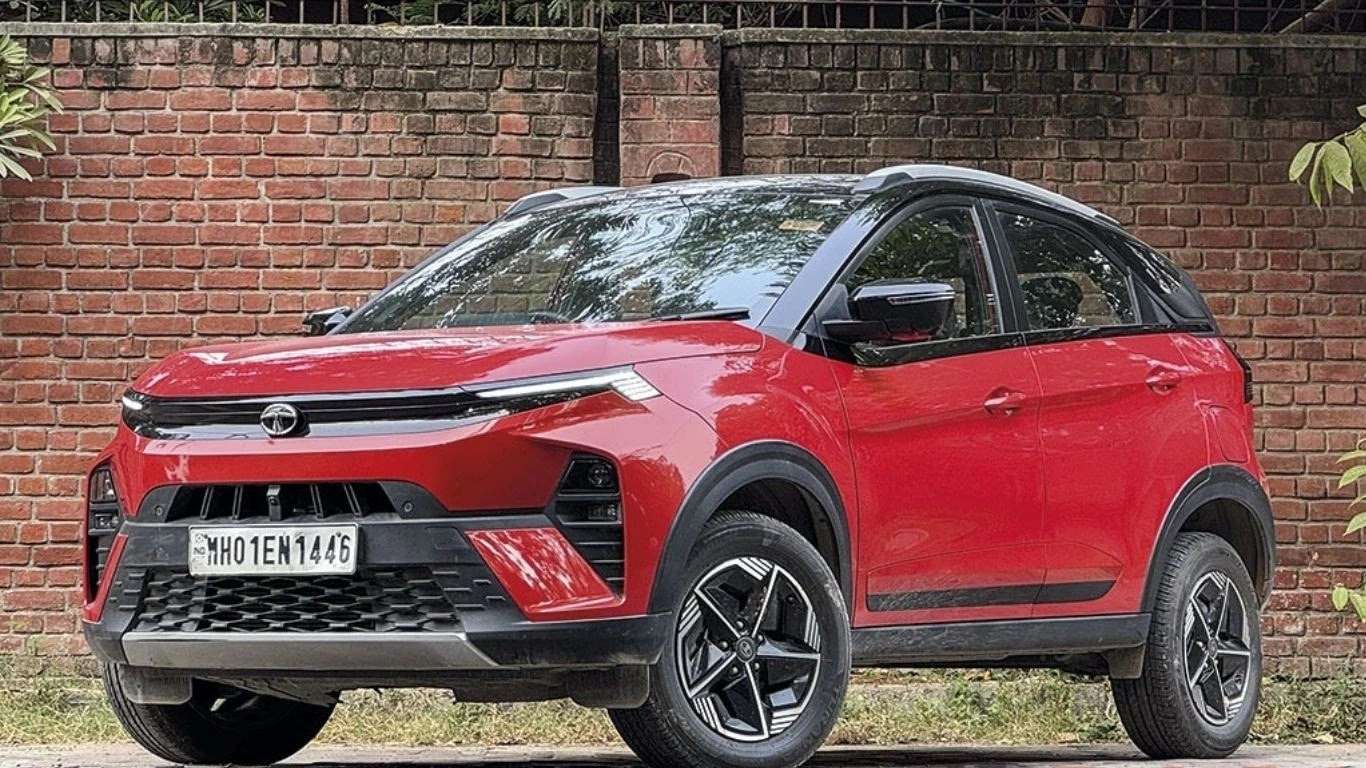
The Federation of Automobile Dealers Associations (FADA) survey for April 2026 shows cautious optimism among Indian auto dealers. About 50.56 per cent of dealers expect growth in April, while 40.15 per cent anticipate flat performance. The industry enters FY 2026-27 with nearly three-quarters of dealers expecting growth for the full year, despite near-term challenges.
Key Highlights
- 50.56 per cent of dealers expect growth in April 2026
- West Asia conflict causes supply disruptions for over half of dealers
- 74.72 per cent of dealers expect full-year growth in FY27
- Interest in electric and CNG vehicles rises due to fuel price concerns
Dealer Sentiment and Key Risks
FADA President C S Vigneshwar describes the current outlook as a natural recalibration after a record-setting March. The start of a new financial year often brings changes as OEM schemes adjust, new inventory arrives, and consumers pause after year-end purchases. Seasonal factors such as the marriage season and Akshaya Tritiya are expected to support demand in some regions.
For the April-June quarter, 49.81 per cent of dealers expect growth, 40.52 per cent expect flat performance, and 9.67 per cent anticipate de-growth. Looking at the full FY27, confidence rises, with 74.72 per cent of dealers expecting growth, mainly in the 3-7 per cent range. Only 3.35 per cent foresee de-growth for the year.
The West Asia conflict is the most immediate concern, causing supply and dispatch disruptions for 53.2 per cent of dealers. Of these, 17.1 per cent report significant delays of three or more weeks. The commercial vehicle segment faces the most impact, but passenger vehicle and two-wheeler dealers also report variant-level delays.
Dealers identify three main risks: economic slowdown and declining consumer sentiment (40.5 per cent), OEM supply disruption and model unavailability (30.5 per cent), and rising fuel prices (14.9 per cent). Fuel prices are affecting purchase decisions for 36.5 per cent of dealers, leading to longer decision cycles and a shift toward CNG and electric vehicles.
Market Drivers and Structural Trends
Despite challenges, credit conditions remain stable. About 72.5 per cent of dealers report no change in financing terms in the last 30 days. Liquidity is adequate for most, with 51.30 per cent reporting good liquidity and only 8.55 per cent reporting it as poor.
Interest in electric and CNG vehicles is rising, with 56.9 per cent of dealers noting increased demand. Higher fuel prices are encouraging a shift in powertrain preference, with customers considering total ownership costs more closely.
Structural drivers such as urbanisation, rising incomes, rural mobility, and electrification continue to support demand. The completed rabi harvest is expected to improve rural cash flows and sustain demand into the first quarter. New model launches in passenger vehicles and two-wheelers will maintain enquiry levels, and GST 2.0-led affordability should help conversions.
FADA's overall stance for FY27 is "constructively cautious." The main variable will be the West Asia situation and its effects on fuel prices, supply, and consumer sentiment. Responsible pricing, disciplined inventory, reliable supply, and efficient financing will be key for industry performance in the coming months.


You May Like


Find your perfect bike

Brand

Budget

Body Type

Fuel

Mileage

More
Latest Bike Videos





Other Bike News
Listen to Bike Audios


Vihan AI - Your Car assistant
Ask me anything about cars, prices, and comparisons.