

 ELECTRIC
From Bullock Carts to Electric Vehicles: A Journey through Indian Automotive History
 Add CarBike360 on Google
In this article, I have talked about the different phases of development in Indian automotive history.

By Mohit Kumar
Jul 24, 2024 08:49 am IST
Published On
Mar 18, 2023 12:42 pm IST
Last Updated On
Jul 24, 2024 08:49 am IST
Introduction:
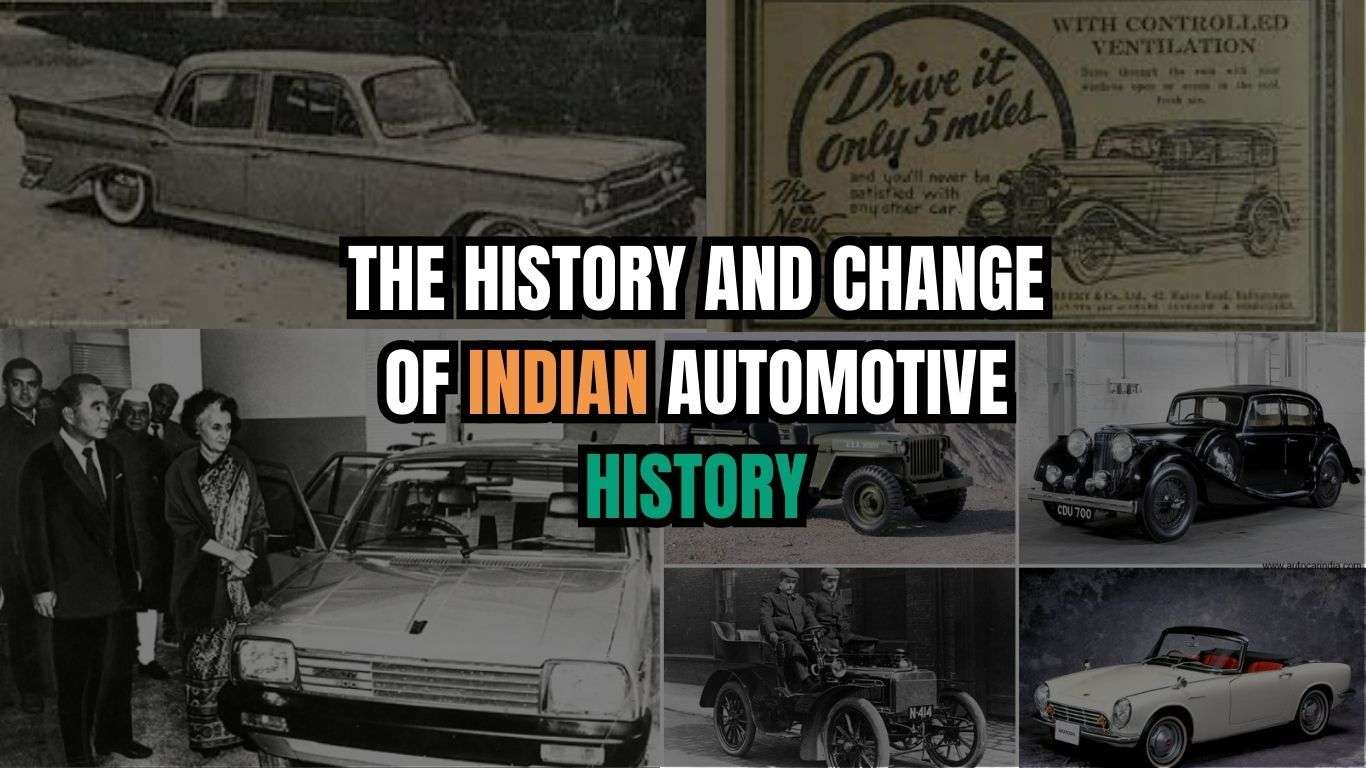
The Indian automotive industry has come a long way since the first motor vehicle arrived in India in 1897. The country has witnessed the evolution of transportation from bullock carts and horse-drawn carriages to high-tech electric vehicles.
The history of the Indian automotive industry is rich and diverse, and it is a reflection of the country's socio-economic and political changes. In this story, we will take a journey through the Indian automotive industry's history, from its inception to its present-day state.
Table of Contents
- The Early Days of the Indian Automotive Industry
- The Pre-Independence Era: The Rise of Indian Automakers
- The Impact of World War II and the Post-Independence Era
- The Era of License Raj and Maruti Suzuki
- The Rise of International Automakers and Economic Liberalization
- The Push towards Electric Vehicles and Sustainable Transportation
- The Growth and Challenges of the Indian Automotive Industry
- The Future of the Indian Automotive Industry
The Early Days of the Indian Automotive Industry:
The first motor vehicle to arrive in India was a French-made car that was imported by a Parsi gentleman in 1897. The first car in India was imported by Jamsetji Tata, founder of the Tata Group, in 1898. It was a French-made De Dion-Bouton three-wheeled car, which he used for personal transportation. It wasn't until 1901 that the first motorcar, a French-made Peugeot, was sold in India.
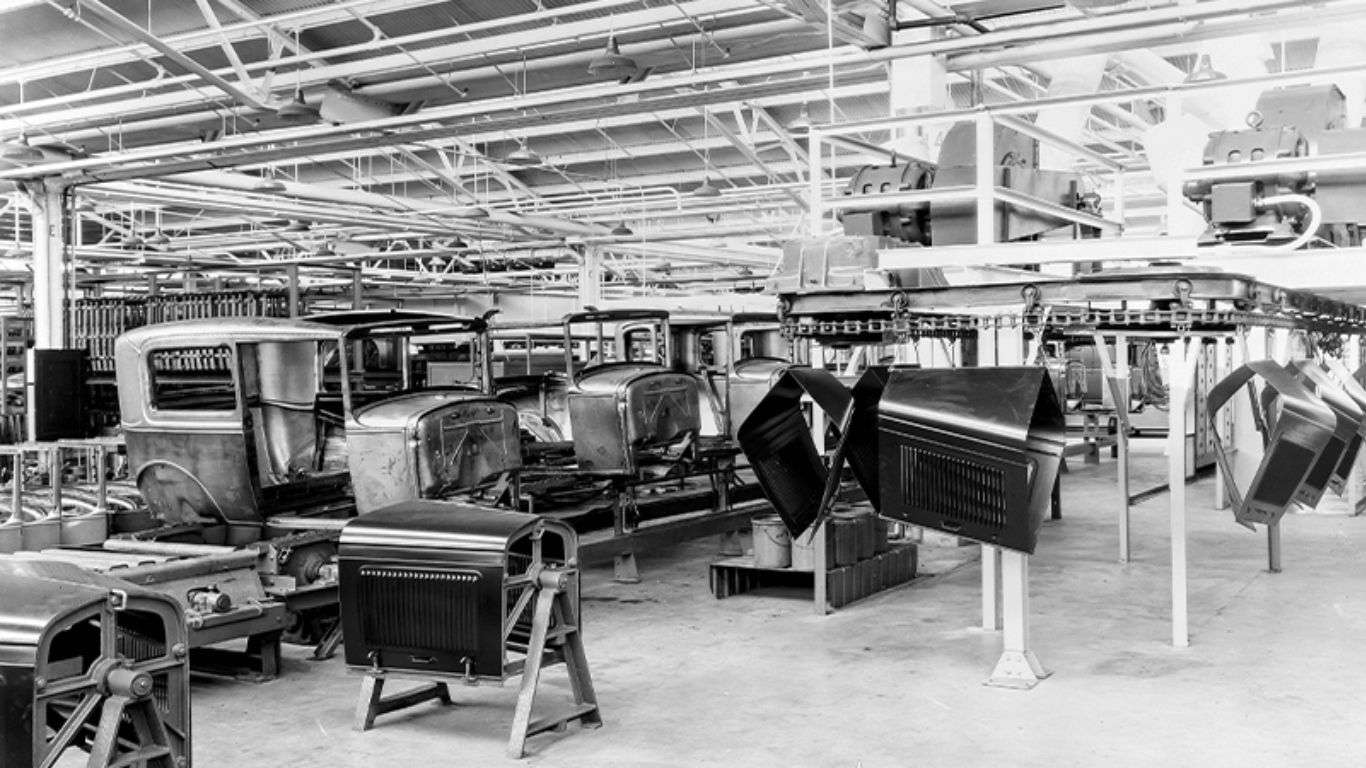
Over the next few years, more foreign-made cars began to arrive in India, but they were expensive and were mostly owned by the wealthy. However, it was only after the First World War that the Indian automotive industry started to take shape.
In 1928, Hindustan Motors was established, which was the first Indian car manufacturing company.
Other Indian automakers followed suit, such as Premier Automobiles, Mahindra & Mahindra, and Tata Motors. The industry's initial focus was on assembling and manufacturing commercial vehicles, such as trucks and buses.
The Pre-Independence Era: The Rise of Indian Automakers
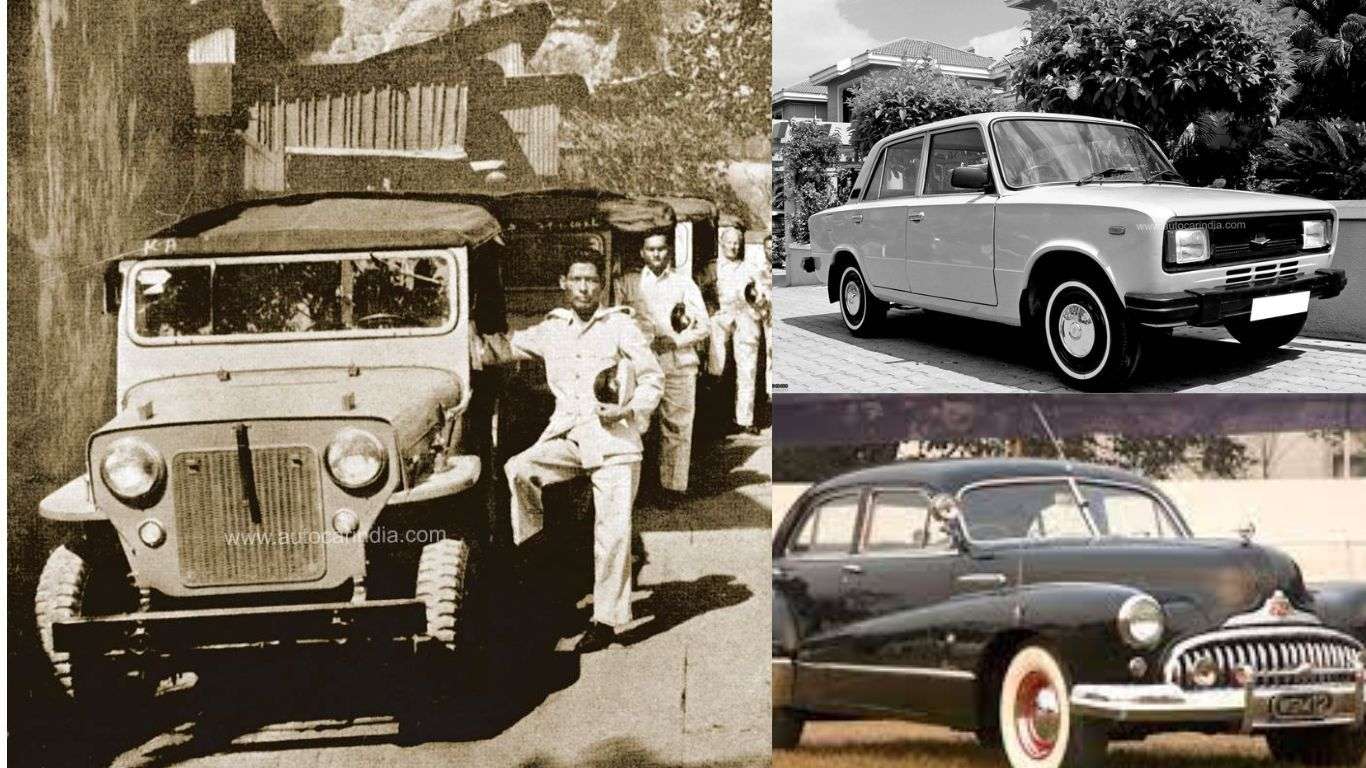
The pre-independence era saw the emergence of Indian automakers like Hindustan Motors and Premier Automobiles Limited. Hindustan Motors introduced the iconic Ambassador car in 1958, which became a symbol of status and prestige. Premier Automobiles Limited launched the Fiat 1100 in 1954, which quickly became popular among the middle class.
The Impact of World War II and the Post-Independence Era:
During World War II, the Indian automotive industry played a crucial role in providing military vehicles and equipment. After India gained independence in 1947, the government's focus shifted towards building a self-sufficient economy.
The government established the Hindustan Machine Tools in 1953 to manufacture machine tools and later expanded its operations to produce tractors and trucks.
The Era of License Raj and Maruti Suzuki:
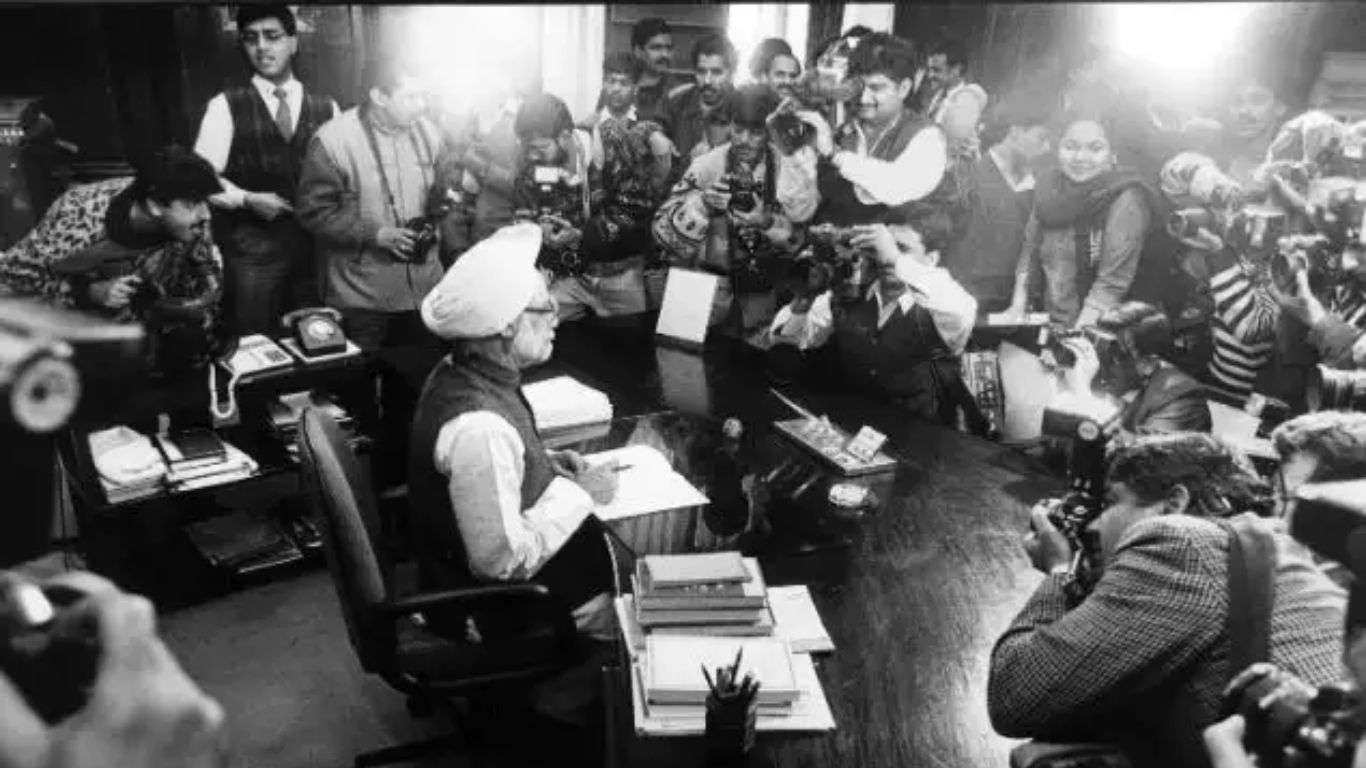
In the 1960s, the Indian government adopted the License Raj policy, which required companies to obtain licenses for the production, expansion, and import of goods. The policy aimed to protect local manufacturers and reduce dependence on foreign companies.
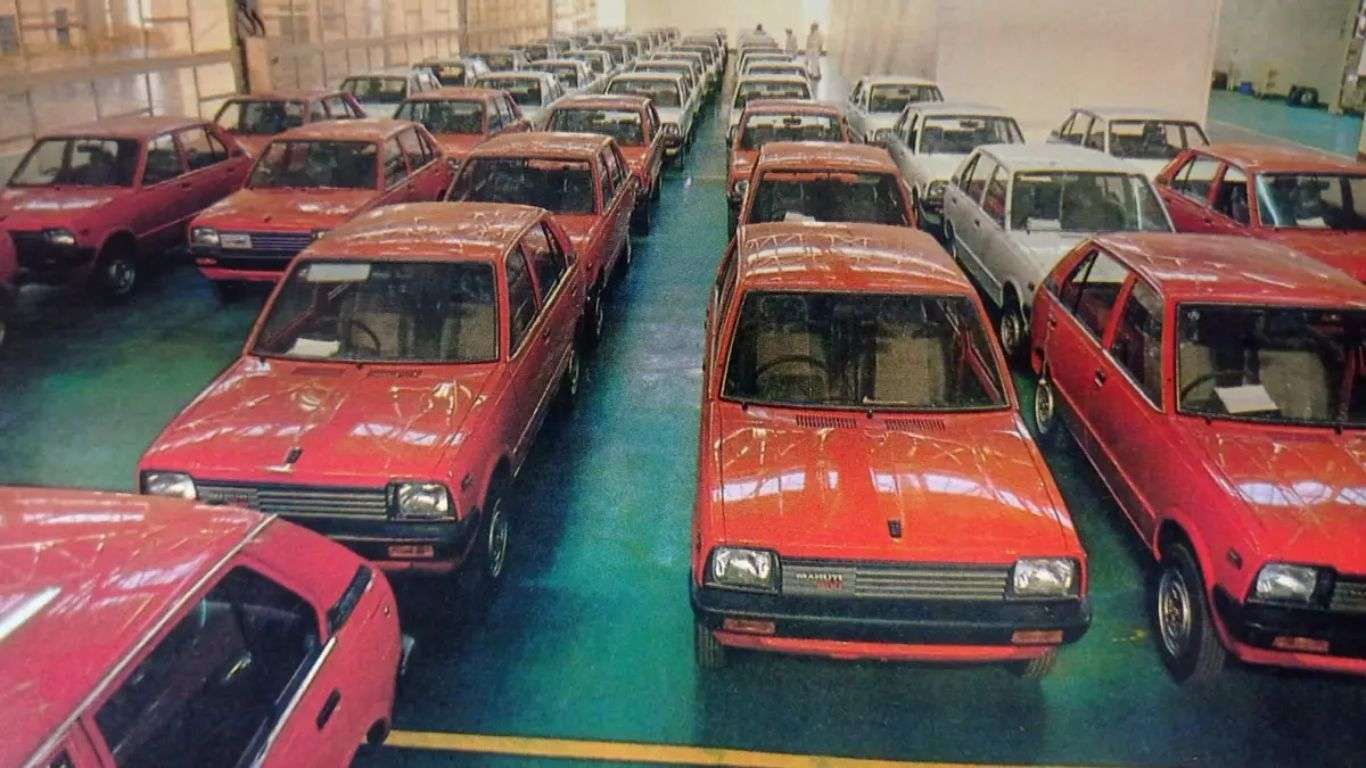
In 1983, Maruti Suzuki was established, which was a joint venture between the Indian government and Suzuki Motor Corporation. Maruti 800 became the country's first mass-produced small car, and it revolutionized the Indian automotive industry.
The Rise of International Automakers and Economic Liberalization:
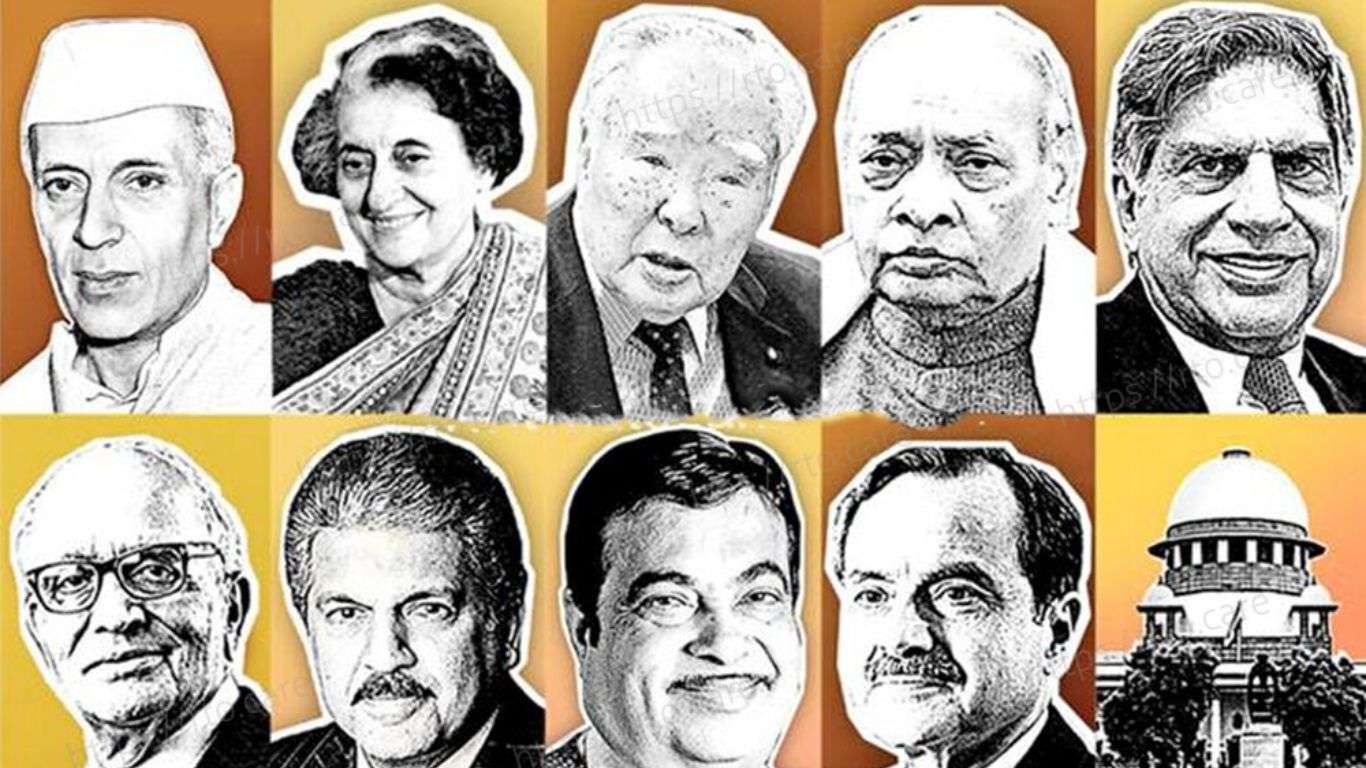
In the 1990s, the Indian government implemented economic liberalization policies that opened up the Indian market to international companies.
This led to the entry of several international automakers such as Hyundai, Toyota, Honda, and General Motors. The Indian automotive industry saw rapid growth during this period, with new models being launched and increasing competition.
The Push towards Electric Vehicles and Sustainable Transportation:
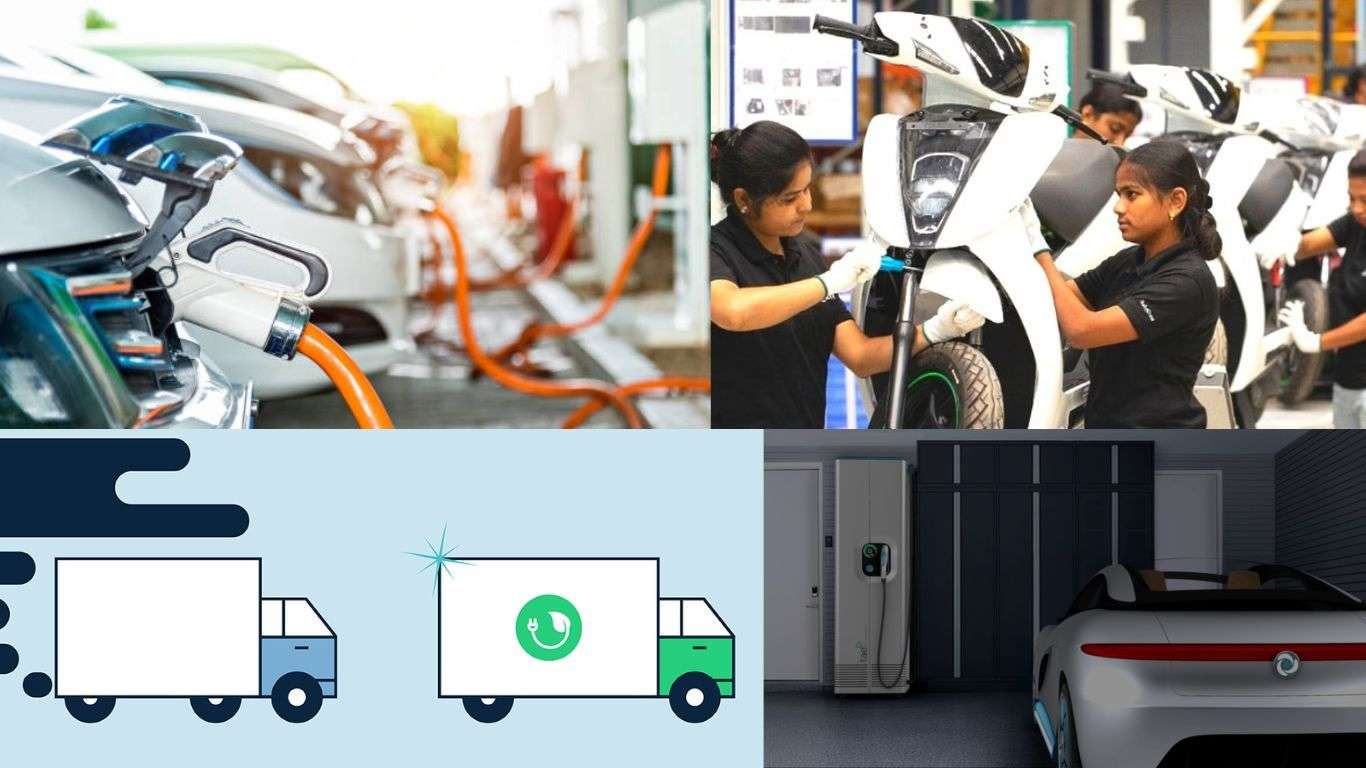
With the increasing concerns over air pollution and climate change, the Indian government has been pushing towards electric vehicles and sustainable transportation.
In 2013, the National Electric Mobility Mission Plan was launched to promote electric vehicle adoption in the country. The government has also introduced several incentives and subsidies for electric vehicles and is working towards developing charging infrastructure.
The Current Era: The Growth and Challenges of the Indian Automotive Industry
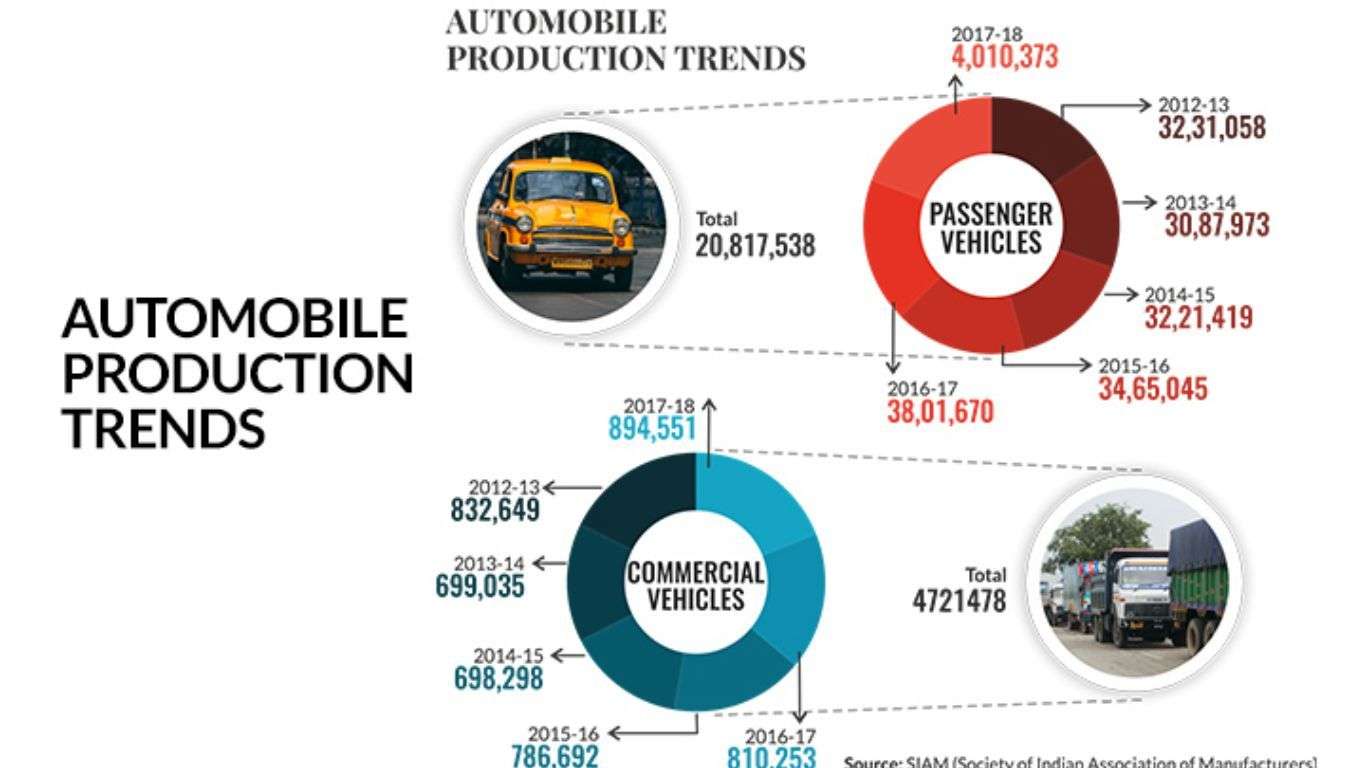
Today, the Indian automotive industry is one of the largest in the world, with a turnover of over $120 billion. It employs over 35 million people and contributes significantly to the country's GDP. However, the industry faces several challenges rising fuel prices, increasing competition, and changing consumer preferences. The industry is also adapting to new technologies like electric vehicles and connected cars, which are expected to shape the future of the automotive industry in India.
The Future of the Indian Automotive Industry:
The Indian automotive industry is poised for significant growth in the coming years. With the push towards electric vehicles, the industry is expected to undergo a significant transformation.
The government's recent announcement to ban the sale of internal combustion engine vehicles by 2030 is a step towards this goal. The industry is also expected to adopt new technologies such as autonomous vehicles and connected cars.
Conclusion:
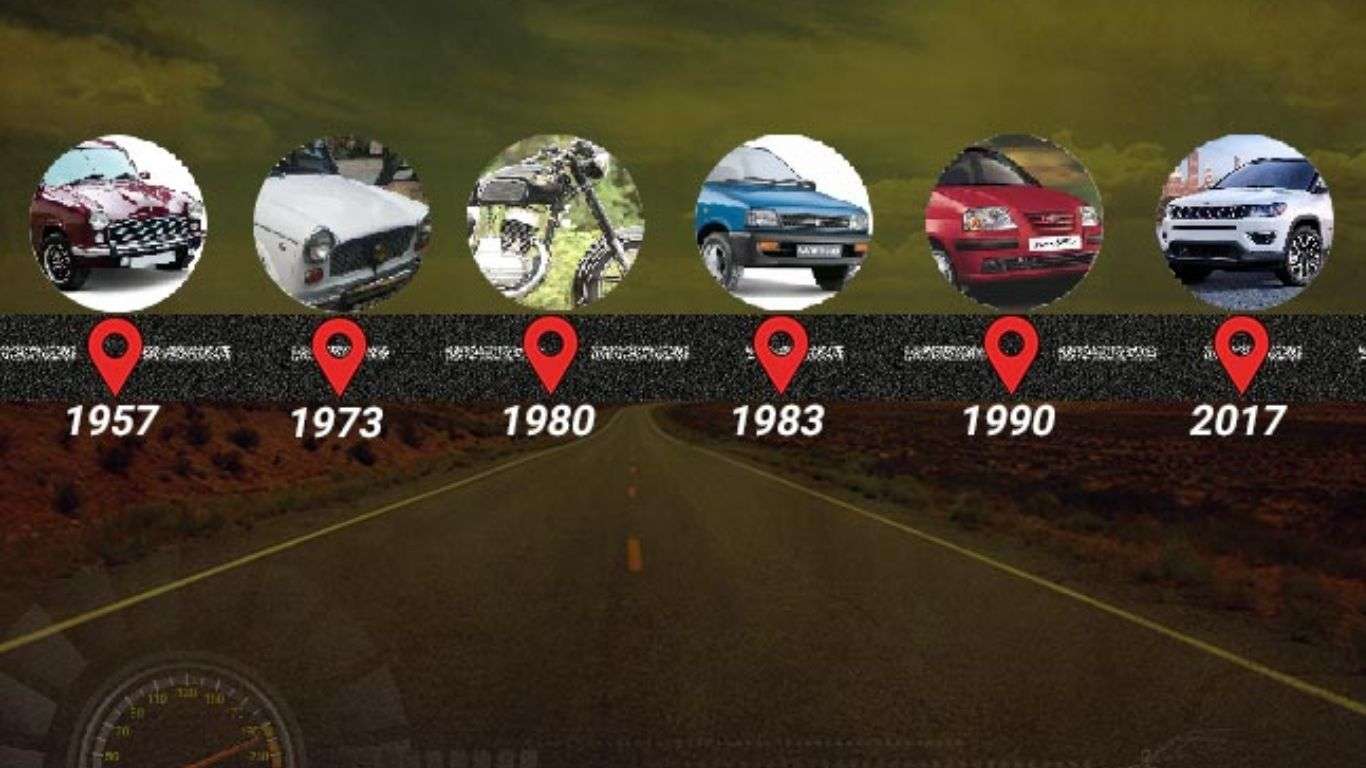
The Indian automotive industry has come a long way since the arrival of the first car in the late 1800s. It has witnessed several changes, from the emergence of Indian automakers to the entry of global players.


You May Like


Find your perfect car

Budget

Brand

Body Type

Fuel

Mileage

More
Latest Videos

Talking about new Honda City and upcoming ZR-V SUV with Honda India’s Kunal Bahl!
2026 Honda City Launched in India - Better than VW Virtus, Hyundai Verna & Skoda Slavia?

Weekly Auto & EV Wrap-Up: Luxury Launches, AI Tech & Big Industry Updates!
Weekly news wrap-up - CNG sales up, Fortuner prices raised, Hyundai completes 30 years
Other News


Listen to Audios


Vihan AI - Your Car assistant
Ask me anything about cars, prices, and comparisons.