ELECTRIC
Horse Powertrain Unveils Flexible Multi-Powertrain Platform for Automakers
 Add CarBike360 on Google
Horse Powertrain has launched a system that lets automakers use one BEV platform for multiple powertrain types, reducing costs and enabling faster adaptation to market needs. This flexible approach supports both manufacturers and consumers.

By Rohan Verma
Apr 21, 2026 07:28 am IST

Horse Powertrain has launched a new system that enables a single battery electric vehicle (BEV) platform to support multiple powertrain types. This module allows automakers to convert a BEV platform into hybrid or range-extended systems. The innovation aims to help manufacturers reduce costs, speed up development, and respond quickly to changing market demands.
Key Highlights
- Horse Powertrain introduces a module enabling one BEV platform to support multiple powertrain types
- Automakers can reduce costs and speed up development by using a single flexible vehicle platform
- Flexible design allows adaptation to local market needs and supports faster electric vehicle adoption
Flexible Platform Technology
The new module from Horse Powertrain lets automakers use one vehicle design for several powertrain options. This flexibility means companies do not need to build separate platforms for different vehicle types. As a result, they can manage risk and control spending more effectively. Engineering teams can focus on improving performance and reliability rather than creating new designs for each powertrain.
This approach also supports faster innovation. Automakers can test new powertrain ideas without making large investments in new platforms. The system reduces the number of parts and suppliers, leading to simpler production processes. Companies can adapt their strategies quickly as market conditions change.
Benefits for Automakers and Consumers
Automakers benefit from lower design and production costs. They can introduce vehicles with powertrains that match local needs, such as hybrids in areas with limited charging infrastructure. This adaptability is especially valuable in markets like India, where infrastructure varies widely between regions. Flexible platforms can help accelerate the adoption of electric vehicles in such markets.
Consumers also gain more choices. Vehicles can be tailored to specific regional requirements, offering better options for buyers. The ability to switch between powertrain types means automakers can meet diverse consumer preferences without major redesigns.
Industry Impact and Future Outlook
This development signals a shift in the automotive industry’s approach. Instead of relying on one technology, companies are moving toward flexible vehicle designs. As demand for electric vehicles changes, adaptable solutions like multi-powertrain platforms may become key to future growth. The industry may see faster innovation and broader adoption of new mobility technologies as a result.


You May Like


Find your perfect car

Budget

Brand

Body Type

Fuel

Mileage

More
Latest Car Videos


Top Auto News of the Week: Tata Sierra EV, BMW X6, E85 Fuel & More - Weekly Wrap

Top Auto News of the Week | Hyundai i20 Leak, Honda ZR-V, Tata Sierra EV, Skoda EV & More!

Talking about new Honda City and upcoming ZR-V SUV with Honda India’s Kunal Bahl!
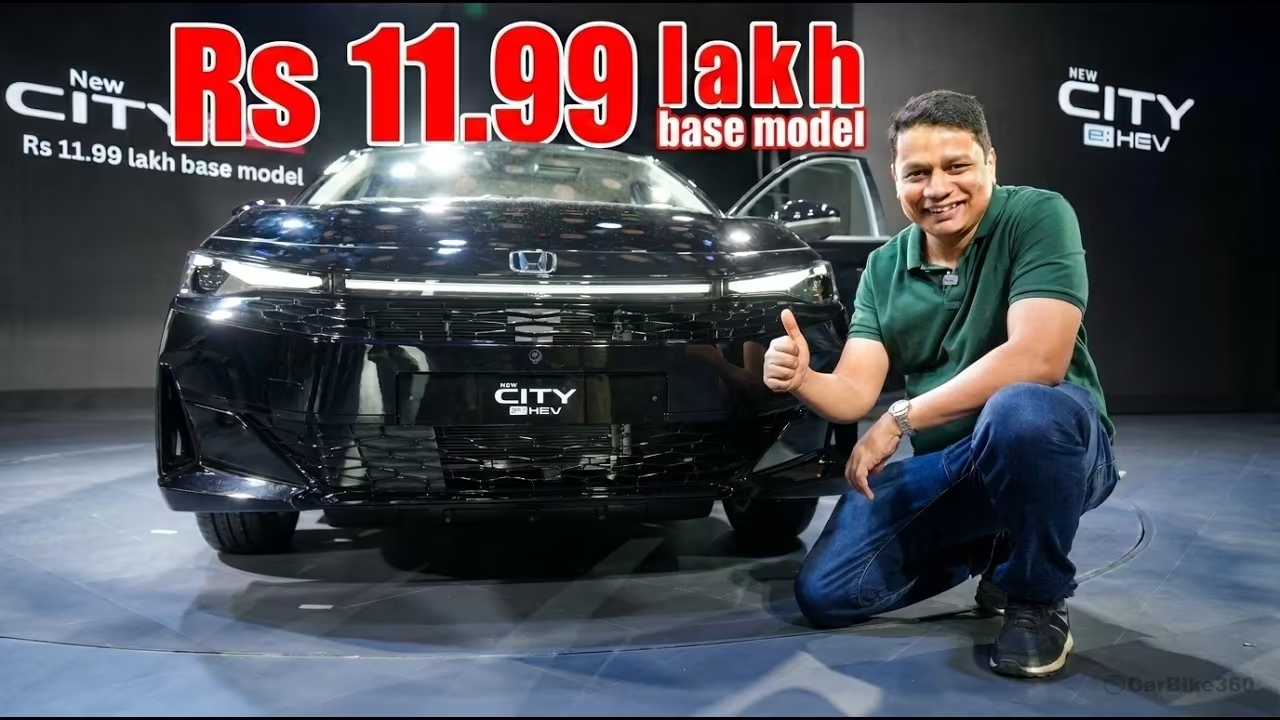
2026 Honda City Launched in India - Better than VW Virtus, Hyundai Verna & Skoda Slavia?
Other Car News
Volkswagen India introduces Virtus sedan anniversary offers with new finance schemes
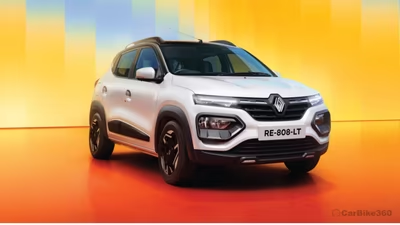
2026 Renault Kwid Facelift launched in India at Rs 4.53 lakh
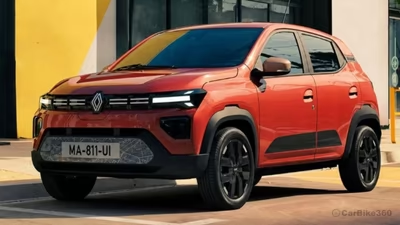
2026 Renault Kwid Facelift launching today: Here’s everything you need to know
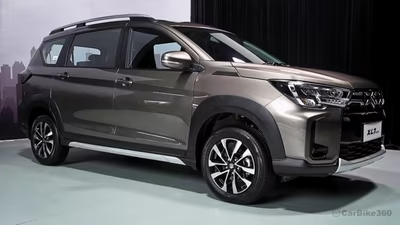
Maruti Suzuki XL7 Facelift India launch expected by year end with new design and features
Listen to Car Audios