

 ELECTRIC
India’s passenger vehicle industry to invest Rs 3.5 lakh crore in EVs and exports by FY30
 Add CarBike360 on Google
India’s PV industry is set for a massive transformation with a Rs 3.5 lakh crore investment aimed at accelerating EV adoption and boosting export potential by FY30.

May 22, 2026 12:42 pm IST
Published On
May 22, 2026 11:00 am IST
Last Updated On
May 22, 2026 12:42 pm IST
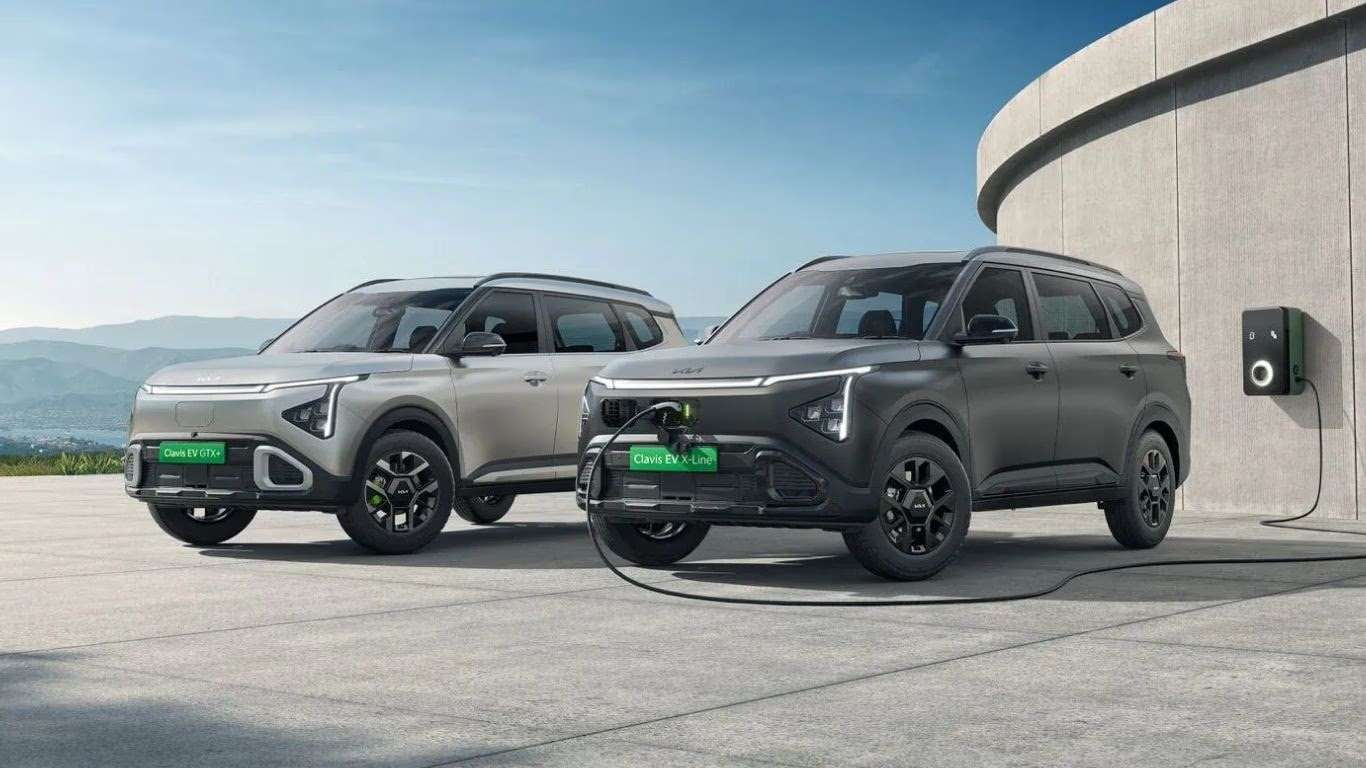
India’s passenger vehicle sector will invest Rs 3.2 lakh crore to Rs 3.5 lakh crore between FY26 and FY30, according to India Ratings and Research (Ind-Ra). The primary focus will be on electric vehicles (EVs), export expansion, and premiumization. These investments aim to drive long-term growth, but near-term returns and capacity utilization may face pressure as spending is front-loaded before demand rises.
Key Highlights
- India’s passenger vehicle sector to invest up to Rs 3.5 lakh crore between FY26 and FY30
- 60-70 percent of investments will target EV platforms and battery technologies
- Exports accounted for 18.7 percent of total passenger vehicle volumes in FY26
- Industry capacity addition may outpace demand in the short term
- EV penetration remains at 3-4 percent due to infrastructure and supply chain constraints
Major Investment Drivers
Ind-Ra estimates that 60-70% of planned investments will go to EV platforms, battery technologies, and ecosystem development. The top five original equipment manufacturers (OEMs) account for over Rs 2 lakh crore of the capex pipeline. Industry-wide capital expenditure increased from Rs 25,900 crore in FY22 to Rs 64,400 crore in FY25. Capex intensity has remained disciplined at 6-8% of revenues in recent years, compared to 9-10% during FY15-FY20.
“The Indian PV sector is in a structurally driven capex cycle, led by EV transition and export scale-up,” said Shruti Saboo, director, corporate ratings, Ind-Ra. She noted that near-term return metrics, especially for EVs, will likely remain under pressure due to the gradual pace of EV adoption.
Return on capital employed (ROCE) stood at 15-20% during FY23-FY25 but may moderate in the near term. This is due to higher capital employed ahead of earnings growth. Over the medium term, returns are expected to improve as EV volumes increase and operating leverage strengthens.
Exports and Capacity Expansion
Exports are a key growth driver for the sector. Passenger vehicle exports made up 18.7% of total volumes in FY26 and grew at a compound annual growth rate of about 12% between FY23 and FY26. OEMs are investing in flexible, globally compliant manufacturing lines to serve both domestic and export markets. This approach helps improve asset utilization and reduce earnings volatility.
The industry is adding 3 million to 3.5 million units of manufacturing capacity to the existing base of 6.1 million units. This capacity addition may outpace demand in the short term, potentially weighing on utilization levels.
Financial Stability and Government Support
Despite high investment levels, major OEMs maintain stable financial profiles. The sector reported net leverage of negative 0.8x in FY25. Cash flow from operations to capex stood at about 2.4x, indicating strong internal funding. Most investments are expected to be funded through internal accruals, parent support, and equity infusions into EV-focused subsidiaries, reducing reliance on debt.
The government’s Production-Linked Incentive (PLI) scheme supports project viability. The ₹25,900 crore PLI-Auto scheme has approved 82 companies, with committed investments of around ₹35,700 crore as of December 2025. However, only Rs 2,380 crore in incentives had been disbursed by February 2026.
EV Adoption and Outlook
EV adoption remains the key variable for the success of the investment cycle. EV penetration in India’s passenger vehicle market is at 3-4%, limited by charging infrastructure and supply chain gaps, especially in battery cell manufacturing. Ind-Ra maintains a stable outlook for most PV OEMs for FY27 but continues to monitor risks related to EV adoption, utilization, and capital allocation strategies.
Also Read: EV Makers Face Margin Pressure Amid Rising Raw Material and Chip Costs
CarBike 360 Says
India’s passenger vehicle sector is entering a transformative phase, with strong investments set to reshape mobility and global competitiveness. The Rs 3.5 lakh crore push toward electrification and exports reflects long-term confidence in innovation and sustainability. As automakers scale production and expand globally, this strategic shift could position India as a key hub in the evolving global automotive ecosystem.


You May Like


Find your perfect car

Budget

Brand

Body Type

Fuel

Mileage

More
Latest Car Videos





Other Car News


Listen to Car Audios


Vihan AI - Your Car assistant
Ask me anything about cars, prices, and comparisons.