Ad
Ad
PM E-DRIVE Scheme is Now in Action: INR 10,900 Crore EV Subsidy Initiative


PM E-DRIVE introduces subsidies for electric two-wheelers, three-wheelers, e-buses, and charging infrastructure with state-level incentives to promote EV adoption in India.

To promote EVs in India, the government has been initiating many schemes since 2015 and FAME was the first initiative. For electric two-wheelers, a demand incentive of up to ₹10,000 per kWh was provided in the first phase. FAME first phase carried out till 2019 and later they launched FAME II with a demand incentive of ₹15,000 per kWh for e2Ws was provided in the second phase. Later they launched a temporary scheme called EMPS with a lower budget after the discontinuation of FAME II. But rather than continuing the FAME series they have ended it.
The Government of India has officially launched the PM E-DRIVE scheme with a budget outlay of INR 10,900 crore, aimed at promoting the adoption of electric vehicles (EVs) in the country. The scheme will be in effect from 1st October 2024 to March 2026, offering various subsidies and grants to encourage EV purchases and the development of EV infrastructure. The program also encourages state governments to supplement these efforts by providing additional fiscal and non-fiscal incentives.
PM E-Drive Overview
|
Scheme Name |
PM E-DRIVE (Electric Vehicle Subsidy Scheme) |
|
Outlay |
INR 10,900 crore |
|
Duration |
October 2024 - March 2026 |
|
Subsidies |
For electric two-wheelers, three-wheelers, e-ambulances, e-trucks, e-buses, and emerging EV categories |
|
Grants |
Creation of charging infrastructure, capital assets like e-buses, upgrading testing agencies |
|
Incentives |
Fiscal and non-fiscal incentives from state governments |
|
Key Beneficiaries |
EV manufacturers, charging infrastructure developers, state governments |
|
Subsidy Allocation |
INR 4,391 crore for e-buses, INR 1,772 crore for two-wheelers, INR 8,070 crore total for EVs |
|
Localization Requirement |
50% Domestic Value Addition (DVA) for EV chargers by December 2024 |
|
Subsidy Reduction |
INR 5,000 per electric two-wheeler and INR 25,000 per electric three-wheeler from 2025-26 |
Scheme Details and Objectives
The government issued a gazette statement announcing the commencement of the PM E-DRIVE program on October 1, 2024, with a target completion date of March 31, 2026. The principal objectives of the project are to accelerate the adoption of electric vehicles, establish a vast charging infrastructure throughout India, and enhance the ecosystem supporting EV manufacture.
Furthermore, the Electric Mobility Promotion system (EMPS), 2024, will be incorporated into the system. "The number of vehicles and the expenditure under EMPS, 2024 is subsumed under the PM E-DRIVE Scheme," said the announcement.
Also Read: Impact of the PLI Scheme on India’s Auto Sector
Subsidies and Financial Support
PM E-DRIVE will offer subsidies for electric two-wheelers, three-wheelers, e-ambulances, e-trucks, and other new and emerging EV categories. It also includes grants for the creation of capital assets such as electric buses, charging stations, and upgrading testing agencies designated under the scheme.
The financial breakdown under the scheme allocates INR 8,070 crore in total subsidies for EVs. Electric buses will receive the largest share, with INR 4,391 crore, while two-wheelers will receive INR 1,772 crore. There is also a Phased Manufacturing Programme (PMP) under PM E-DRIVE to promote the localization of EV components. From December 1, 2024, EV chargers will need to have at least 50% domestic value addition (DVA) to qualify for incentives under the scheme.
Incentives for States
While the central government is taking the lead with PM E-DRIVE, the scheme calls for active participation from state governments. States are encouraged to provide additional fiscal and non-fiscal incentives, such as exemption from permits, concessional road tax, toll tax exemptions, reduced parking fees, and waived registration charges.
The government emphasised that these state-level incentives are essential to ensure the success of the scheme and further promote e-mobility across the country.
Reduction in Subsidies Over Time
The scheme also outlines a gradual reduction in financial support for EVs over time. Starting in 2025-26, the subsidy for electric two-wheelers will be reduced to INR 5,000 per vehicle, and for electric three-wheelers, the subsidy will be capped at INR 25,000 per vehicle.
Heavy Penalty in Case of Misuse
PM E-DRIVE follows in the footsteps of its predecessor, the Faster Adoption and Manufacturing of Electric Vehicles (FAME) scheme. However, the earlier program faced issues with companies taking advantage of subsidies by selling imported vehicles. To address this, the new scheme includes stringent measures and checks to prevent misuse, ensuring that subsidies are only available for locally manufactured vehicles.
Ad
Ad
Follow Us:




More News

Mini Cooper S Convertible Launched in India at Rs 58.50 Lakh in India: Check Details Here
Mini Cooper S Convertible brings a refreshed Convertible to India with a folding soft-top, modern tech, sporty performance and signature styling, offering a fun and premium open-top experience.
12-Dec-2025 01:11 PM
Read Full NewsMini Cooper S Convertible Launched in India at Rs 58.50 Lakh in India: Check Details Here
Mini Cooper S Convertible brings a refreshed Convertible to India with a folding soft-top, modern tech, sporty performance and signature styling, offering a fun and premium open-top experience.
12-Dec-2025 01:11 PM
Read Full News
Mahindra XUV 7XO Pre-Bookings To Open On December 15
Mahindra kicks off XUV 7XO pre-bookings on December 15 for its feature-rich premium SUV, world premiering Jan 5, 2026. Pay Rs 21K via dealers or online for priority access to advanced petrol-diesel variants.
12-Dec-2025 12:47 PM
Read Full NewsMahindra XUV 7XO Pre-Bookings To Open On December 15
Mahindra kicks off XUV 7XO pre-bookings on December 15 for its feature-rich premium SUV, world premiering Jan 5, 2026. Pay Rs 21K via dealers or online for priority access to advanced petrol-diesel variants.
12-Dec-2025 12:47 PM
Read Full News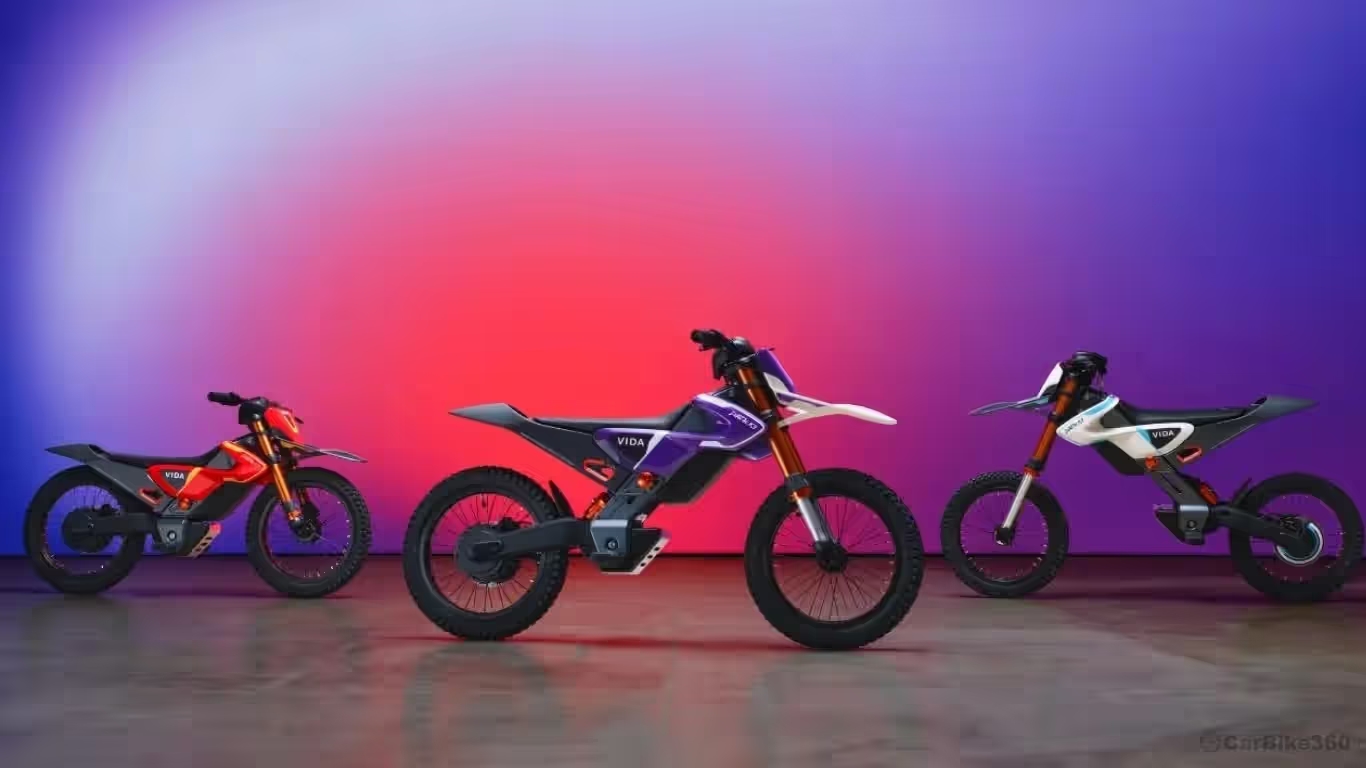
Hero VIDA Dirt-E K3 Kids Electric Dirt Bike Is Launched in India
Hero Vida's Dirt-E K3 is a groundbreaking electric dirt bike for kids aged 4-10, with adjustable ergonomics, a 350W motor, and parental app controls. Launched at Rs 69,990, it sparks off-road passion safely in India.
12-Dec-2025 11:36 AM
Read Full NewsHero VIDA Dirt-E K3 Kids Electric Dirt Bike Is Launched in India
Hero Vida's Dirt-E K3 is a groundbreaking electric dirt bike for kids aged 4-10, with adjustable ergonomics, a 350W motor, and parental app controls. Launched at Rs 69,990, it sparks off-road passion safely in India.
12-Dec-2025 11:36 AM
Read Full News
The Next-Gen BMW M440i Convertible To Debut in India in 2026
BMW's M440i xDrive Convertible arrives in India by mid-2026, delivering 374 HP from its B58 engine, xDrive grip, and a folding fabric roof. Priced around Rs 1.1 crore, it targets performance enthusiasts post-Z4 era.
12-Dec-2025 10:03 AM
Read Full NewsThe Next-Gen BMW M440i Convertible To Debut in India in 2026
BMW's M440i xDrive Convertible arrives in India by mid-2026, delivering 374 HP from its B58 engine, xDrive grip, and a folding fabric roof. Priced around Rs 1.1 crore, it targets performance enthusiasts post-Z4 era.
12-Dec-2025 10:03 AM
Read Full News
2025 MG Hector Facelift Leaks Ahead of Debut, Reveals Major Design Shift and Tech Updates
The 2025 MG Hector facelift leaks reveal major styling updates, fresh tech, and a sharper road presence. Here’s a quick look at what’s new.
12-Dec-2025 07:06 AM
Read Full News2025 MG Hector Facelift Leaks Ahead of Debut, Reveals Major Design Shift and Tech Updates
The 2025 MG Hector facelift leaks reveal major styling updates, fresh tech, and a sharper road presence. Here’s a quick look at what’s new.
12-Dec-2025 07:06 AM
Read Full News
Nissan Is Ready To Unveil Its New Compact MPV On December 18
Nissan's upcoming compact MPV debuts in India on Dec 18, 2025, offering modular seating, modern tech, and an efficient powertrain to challenge Triber in the budget segment. Launch slated for early 2026.
12-Dec-2025 06:26 AM
Read Full NewsNissan Is Ready To Unveil Its New Compact MPV On December 18
Nissan's upcoming compact MPV debuts in India on Dec 18, 2025, offering modular seating, modern tech, and an efficient powertrain to challenge Triber in the budget segment. Launch slated for early 2026.
12-Dec-2025 06:26 AM
Read Full NewsAd
Ad






Cars In India

MINI Cooper S Convertible
₹ 58.50 Lakh

Mahindra XEV 9S
₹ 19.95 - 29.45 Lakh

Tata Sierra
₹ 11.49 - 18.49 Lakh

Porsche Cayenne EV
₹ 1.76 - 2.26 Cr

Maserati GranTurismo Folgore
₹ 3.05 Cr

BMW iX Facelift
₹ 1.45 Cr

Audi A5 2025
₹ 50.00 Lakh

Audi Q6 e-tron
₹ 1.00 - 1.10 Cr

MG Hector Facelift
₹ 14.20 - 22.50 Lakh

Kia New Seltos
₹ 10.99 - 20.80 Lakh
Ad
Ad
Ad