ELECTRIC
Triumph Tracker 400 vs Speed 400: Key Differences in Design, Ergonomics, and Performance
 Add CarBike360 on Google
Triumph introduces the Tracker 400, a sportier and more powerful alternative to the Speed 400. The Tracker 400 features unique design elements, revised ergonomics, and a 349cc engine with higher output, priced at Rs 2.46 lakh ex-showroom.

By Utsav Chaudhary
Apr 11, 2026 05:31 am IST

Triumph Motorcycles has expanded its 400cc lineup with the launch of the Tracker 400. This new model offers a sportier and more stylised alternative to the Speed 400. Both motorcycles share the same platform, but the Tracker 400 introduces significant changes in design, ergonomics, and performance.
Key Highlights
- Triumph launches Tracker 400 as a sportier alternative to Speed 400
- Tracker 400 features flat-track-inspired design and dual-purpose tyres
- Tracker 400 engine produces 39.5bhp and 32Nm torque, about 3bhp more than Speed 400
- Tracker 400 priced at Rs 2.46 lakh, Speed 400 at Rs 2.32 lakh ex-showroom
Design and Styling Differences
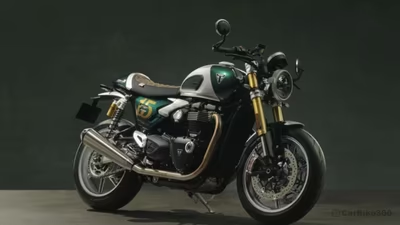
The Tracker 400 features a flat-track-inspired design. It stands apart from the Speed 400's modern-retro roadster look. The Tracker 400 has a stubby front cowl, a flatter fuel tank, and large side panels that resemble flat-track race bikes. Its tail section is unique, with a flat seat and a standard seat cowl that enhance its sporty appearance.
In contrast, the Speed 400 comes with a teardrop-shaped fuel tank, conventional side panels, and a raked tail with a stepped seat. The Speed 400 also includes bar-end mirrors as standard, adding a distinctive touch to its styling.
Ergonomics and Riding Position
The Tracker 400 uses a flat and wide handlebar, resulting in a slightly bent-forward riding stance. This setup provides a more engaging and sporty riding position, especially when cornering. The Speed 400, on the other hand, offers a relaxed, roadster-oriented stance for comfortable everyday riding.
Performance and Mechanical Updates

The Tracker 400 is powered by a new 349cc engine tuned similarly to the Thruxton 400. It delivers 39.5bhp and 32Nm of peak torque, making it about 3bhp more powerful than the Speed 400. This increase should provide the Tracker 400 with a livelier performance.
Both motorcycles ride on 17-inch wheels. However, the Tracker 400 features a different wheel design and comes equipped with dual-purpose tyres, supporting its sporty and versatile look. The Speed 400 uses road-focused tyres, which are better suited for tarmac riding.
The Tracker 400 also has a revised tail section with a flatter profile, thanks to a subframe borrowed from the Thruxton 400. It is equipped with a dual-barrel exhaust canister, which is expected to produce a deeper and more pronounced exhaust note compared to the Speed 400.
Pricing and Market Position
The Tracker 400 is priced slightly higher than the Speed 400. The Speed 400 is available at Rs. 2.32 lakh (ex-showroom), while the Tracker 400 retails at Rs. 2.46 lakh (ex-showroom). This positions the Tracker 400 as a more direct competitor to other sportier models in the segment.


You May Like


Find your perfect bike

Brand

Budget

Body Type

Fuel

Mileage

More
Latest Bike Videos



Other Bike News
Listen to Bike Audios