

 ELECTRIC
JK Tyre shifts sourcing to East Asia amid rising raw material costs
 Add CarBike360 on Google
JK Tyre adapts to rising input costs by diversifying sourcing to East Asia, aiming to improve cost efficiency and maintain competitiveness in a challenging market.

May 27, 2026 05:59 am IST
Published On
May 26, 2026 05:00 pm IST
Last Updated On
May 27, 2026 05:59 am IST
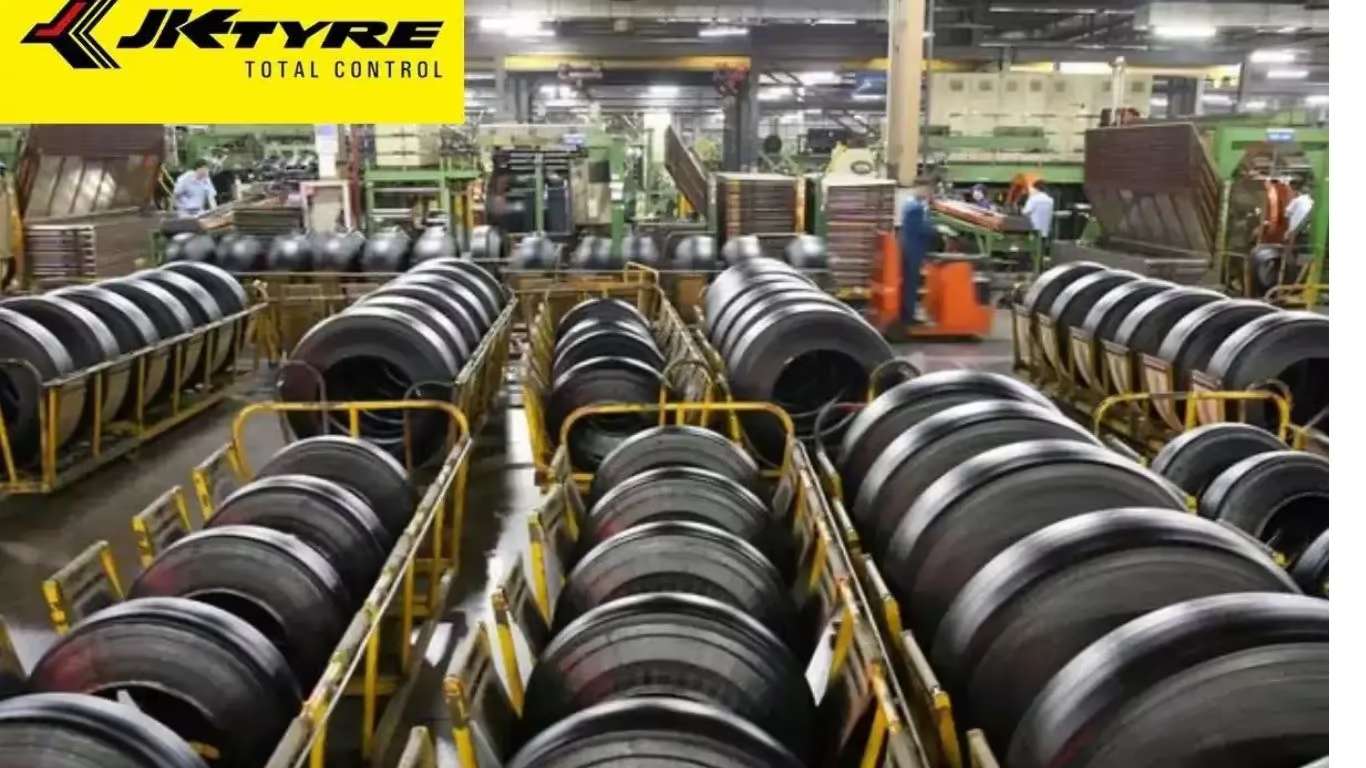
JK Tyre & Industries Ltd is changing its supply chain strategy due to rising crude-linked raw material costs. The company is moving its sourcing from West Asia to East Asia as geopolitical tensions disrupt supply chains and increase freight costs. This shift aims to counter an expected 16% to 20% surge in raw material prices in the first quarter of FY27.
Key Highlights
- JK Tyre shifts raw material sourcing from West Asia to East and Southeast Asia
- The company expects 16 to 20 percent increase in raw material costs in Q1 FY27
- Staggered price hikes of 5 to 6 percent planned to offset rising input costs
- JK Tyre develops passenger car radial tyre with 80 percent biodegradable material
- Rupee depreciation and freight cost increases add pressure on industry margins
Supply Chain Realignment
Chairman and Managing Director Raghupati Singhania explained that the ongoing crisis in West Asia has sharply increased crude oil prices. These higher prices have led to inflation in tyre raw materials and logistics costs. Synthetic rubber, carbon black, and nylon tyre cord, all crude-linked inputs, are key components for the tyre industry in India.
To reduce reliance on West Asia, JK Tyre has accelerated procurement from East and Southeast Asian countries. Singhania identified Taiwan, Korea, and China as new sourcing hubs. This realignment comes as the industry faces container shortages and higher freight rates, further pressuring margins.
Price Increases and Margin Impact
JK Tyre has already implemented price hikes of about 5% in the replacement market. The company plans further increases of 5% to 6% to offset rising raw material costs. Price revisions in the original equipment manufacturer (OEM) segment will follow, but with a delay.
Other tyre makers, including Apollo Tyres, CEAT, and Balkrishna Industries, have also warned of margin pressure and announced calibrated price increases. The combined effect of raw material inflation and rupee depreciation is expected to impact profitability for JK Tyre in Q1 FY27.
Research and Development Initiatives
JK Tyre is investing in research and development to reduce dependence on volatile commodity-linked materials. The company has developed a passenger car radial tyre using 80% biodegradable material. This tyre is currently undergoing testing. Singhania said this R&D effort aims to find cost-effective and more readily available alternatives for tyre production.
He noted that using alternative materials could help manage costs and ensure better availability in the long term. JK Tyre continues to explore new solutions to address supply chain and cost challenges.
Industry Outlook
Robust domestic demand, export opportunities, and high plant utilization have supported the company’s operations. However, the industry remains cautious as global supply chain disruptions and rising input costs persist. JK Tyre’s ongoing adjustments reflect broader trends in the tyre sector as companies seek to maintain profitability amid challenging conditions.
CarBike 360 Says
JK Tyre’s strategic pivot towards East Asian sourcing highlights the growing pressure of volatile raw material prices on Indian manufacturers. While the move may help stabilize costs in the near term, it also reflects a broader industry shift towards supply chain diversification. Going forward, the company’s ability to balance cost efficiency with quality and reliability will be crucial in sustaining its competitive edge.


You May Like


Latest Tyre Videos




Other Tyre News


Listen to Tyre Audios


Vihan AI - Your Car assistant
Ask me anything about cars, prices, and comparisons.