

 ELECTRIC
Electric Vehicles Hacking: Assessing the Security Challenges Ahead
 Add CarBike360 on Google
Lets get into the world of cybersecurity threats and explore the measures in place to ensure a secure electric vehicle experience.

By Mohit Kumar
Mar 10, 2025 06:38 am IST
Published On
Jun 09, 2023 02:13 pm IST
Last Updated On
Mar 10, 2025 06:38 am IST
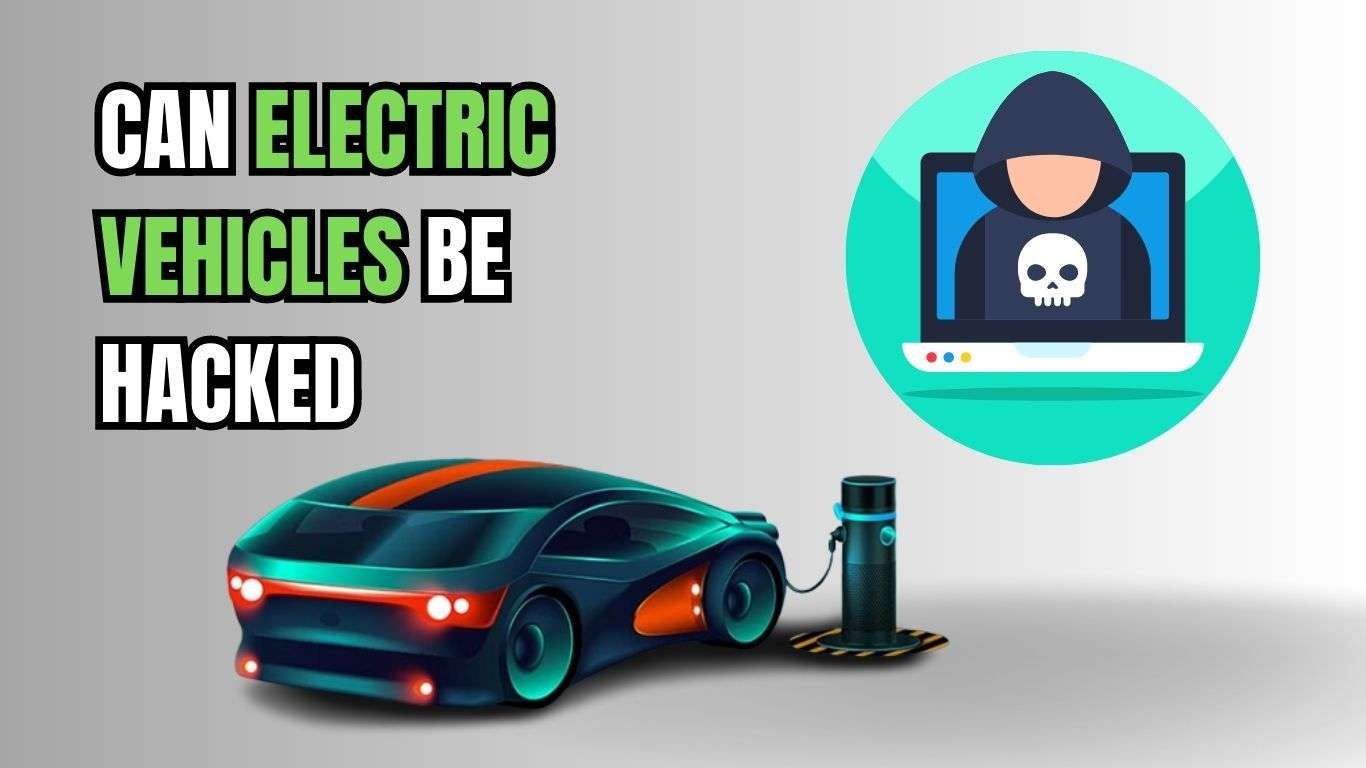
In the midst of a remarkable surge in global electric vehicle (EV) sales, a disquieting development has emerged, signalling a rise in the peril of cyberattacks aimed at EV charging stations and interconnected power grids. Recent data reveals that EV sales have soared by an astounding 60% worldwide, with an astonishing one in every seven passenger cars purchased globally being an EV.
This unprecedented growth in consumer demand for EVs has given rise to a pressing concern outlined in a comprehensive report by cybersecurity company Check Point Research.
The report sheds light on the potential security challenges that accompany this rapid expansion of the EV industry. While new EV charging stations have become ubiquitous, popping up in parking lots and adorning street corners like technological oases, these installations unwittingly present a ripe target for cyber attackers.
The nefarious intentions of these perpetrators encompass not only the charging networks themselves but also the vulnerable EVs and their intricate connectivity with power grids.
With the ongoing proliferation of EVs and the inevitable expansion of charging infrastructure, it is imperative that the industry, governments, and cybersecurity experts collectively address these emerging threats.
Failure to fortify the security measures surrounding EV charging stations and power grids could result in catastrophic consequences, jeopardizing the promising trajectory of electric mobility and impeding the widespread adoption of sustainable transportation.
Amidst the dynamic landscape of India's automotive market, the realm of electric vehicles (EVs) has witnessed a remarkable milestone. In the financial year 2023, the nation proudly recorded a staggering 1.17 million units of EV sales.
However, within this narrative of progress, a disquieting revelation emerges from the depths of a comprehensive report. It appears that even in India, where innovation and technological advancements flourish, the Indian Computer Emergency Response Team (CERT-In) has received reports detailing vulnerabilities in products and applications pertaining to electric vehicle charging stations.
EV Charging Station Hacking
As these vulnerabilities become apparent, the spectre of potential cyberattacks looms ominously over the EV charging infrastructure. Meticulous researchers have already stumbled upon weaknesses that, if exploited by malicious hackers, could grant them the power to remotely disable EV chargers or surreptitiously pilfer electricity. This unsettling prospect serves as a poignant reminder that the digital realm is not impervious to the sinister machinations of cyber criminals.
In the realm of cyber warfare, EV charging stations become vulnerable targets. By capitalizing on these weaknesses, hackers may orchestrate attacks that disrupt the delicate balance of power. In their nefarious quest, they could instigate power fluctuations and, in more severe cases, orchestrate power outages. Such acts would unleash chaos upon the unsuspecting EV charging networks, forcing them to contend with sudden and erratic shifts in energy demands.
This poignant report underscores the pressing need for heightened vigilance and fortified security measures within the domain of EV charging stations. If left unchecked, these vulnerabilities could unleash untold havoc, casting a dark shadow over the promising trajectory of electric mobility in India.
It is imperative that industry stakeholders, authorities, and cybersecurity experts join forces to address these pernicious threats, safeguarding the future of sustainable transportation and preserving the nation's drive towards a greener, cleaner future.
In the tumultuous realm of connected devices, where the race to market often takes precedence, a startling revelation comes to light regarding the vulnerability of EV chargers to hacking. The report astutely points out that the cybersecurity measures implemented for these chargers were more of an afterthought—a mere "bolted-on" addition rather than an integral part of their design. This oversight is particularly concerning considering the intricate interlinking of EV chargers with various other infrastructural components.
The gravity of the situation becomes evident when we delve into the assessment provided by the esteemed US-based National Institute of Standards and Technology (NIST). According to their findings, the Electric Vehicle Supply Equipment (EVSE) heavily relies on electronic systems, both for charging the vehicles themselves and facilitating crucial communications. It is this reliance on electronics that renders the EVSE susceptible to an array of cybersecurity vulnerabilities and potential attacks.
Moreover, the significance of EVSE extends beyond the confines of a single sector. It serves as the connective tissue binding together two vital domains: transportation and energy, specifically the power grid.
This unprecedented electronic integration gives rise to a whole new realm of potential attacks, the repercussions of which could reverberate throughout the fabric of society. The report warns of dire consequences, encompassing financial losses, severe business disruptions, and even compromising the safety of human lives.
This revelation casts a stark spotlight on the urgent need for comprehensive and robust cybersecurity measures within the EV charging infrastructure. It is imperative that the industry acknowledges the inherent risks, shifting from a reactive stance to one that proactively embeds cybersecurity at the core of EV charger design and implementation.
Only by adopting a holistic approach, where security is intricately woven into the very fabric of these chargers, can we safeguard against the looming threats posed by hackers. Failure to do so could have far-reaching consequences, jeopardizing not only the financial well-being of businesses but also the stability and safety of the interconnected transportation and energy sectors.


You May Like


Find your perfect car

Budget

Brand

Body Type

Fuel

Mileage

More
Latest Videos




Other Articles

Hero Xpulse 210 vs Kawasaki KLX230: Price, features, and off-road performance compared

2026 Kia Seltos EMI details, features, and variant overview

7 Reasons Your Bike Insurance Costs More Than Your Friend’s for the Same Bike

Skoda Kushaq 1.0 TSI automatic real-world mileage tested: city & highway results
Listen to Audios


Vihan AI - Your Car assistant
Ask me anything about cars, prices, and comparisons.