ELECTRIC
Kia Syros EV vs Syros ICE: Differences explained
 Add CarBike360 on Google
A comprehensive side-by-side analysis of Kia's electric and internal combustion engine Syros SUVs, helping buyers decide between EV innovation and ICE reliability based on budget, usage patterns, and feature priorities.

Jul 22, 2026 04:49 pm IST
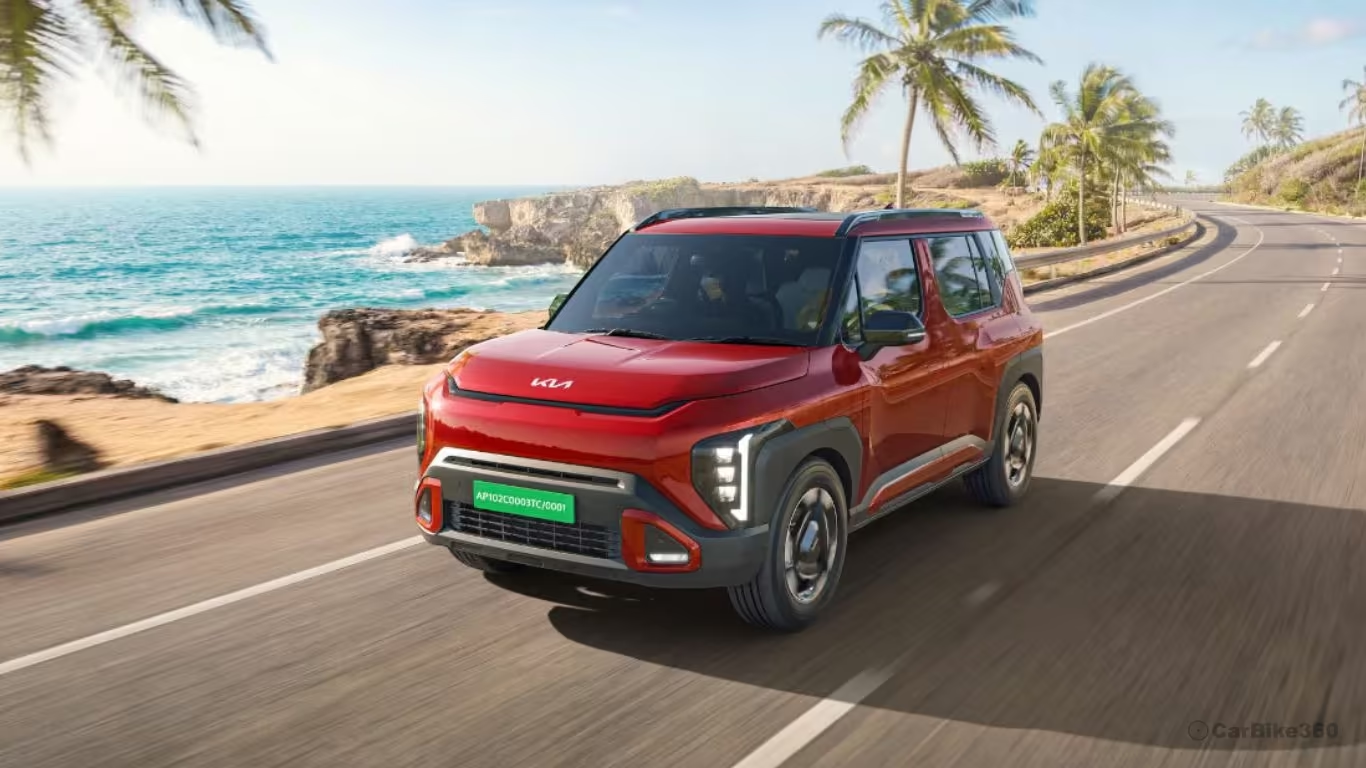
Kia has redefined the sub-4-metre SUV segment with the Syros and now raises its game with the all-electric Syros EV. Both siblings share the same K1 platform and bold design language yet cater to distinctly different buyer mindsets—one rooted in familiar combustion reliability and the other in zero-emission innovation.
For buyers weighing the Syros EV against its ICE counterpart, the decision isn't just about powertrains. It's a holistic choice spanning design subtleties, interior tech, safety suites, performance character, and long-term ownership economics. Here's a deep-dive comparison to help you pick the right Syros for your driveway.
Exterior Design and Styling
At first glance, the Kia Syros EV and ICE versions look nearly identical—both boast Kia'sSignature Digital Tiger Face, Ice Cube MFR LED headlamps, and Starmap LED tail lamps. However, keen observers will spot EV-specific touches: a closed-off grille, aero-optimised R17 dual-tone alloy wheels, and auto-streamlined door handles that enhance aerodynamic efficiency.
Dimensionally, they're twins except for height—the EV sits 10 mm lower (1,670 mm vs 1,680 mm) thanks to its underfloor battery pack
Both offer the same 2,550 mm wheelbase, ensuring comparable cabin space. The EV also adds unique garnish-type roof rails and puddle lamps with Kia logo projection on top trims, reinforcing its premium EV identity.
Interior Layout, Comfort, and Space
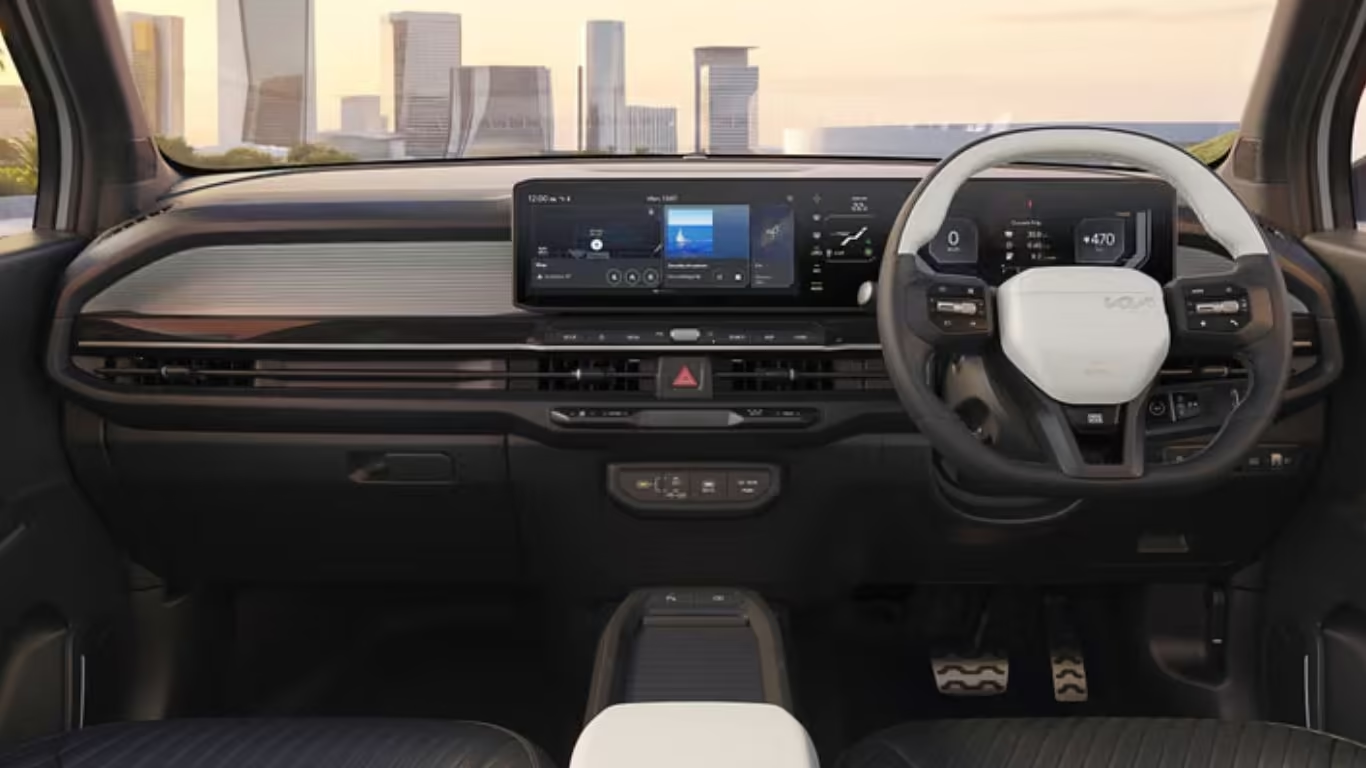
Step inside, and both Syros variants impress with segment-leading rear space, 60:40 split sliding/reclining seats, and a dual-pane panoramic sunroof from mid-trims upward. The EV, however, elevates the experience with a shift-by-wire column gear selector, freeing up centre console space for a floating design with retractable cup holders and premium sliding covers.
Both share the 76.2 cm (30") Trinity Panoramic Display—combining a 12.3-inch touchscreen, a 12.3-inch digital cluster, and a 5-inch AC control panel.
Ventilated front and rear seats (rear thigh-only on EV) are available on higher trims for both, but the EV's top X-Line variant adds 64-colour ambient lighting with LED footwell lamps, creating a more customisable cabin mood.
Infotainment, Connectivity, and Tech Features
Tech is where the Syros EV pulls ahead. While both get wireless Android Auto/Apple CarPlay, OTA updates, and Kia Connect 2.0 with 95+ features, the EV introduces a digital key (X-Line), remote window control, scheduled charging, and smartwatch integration. The ICE relies on a conventional smart key with a push-button start.
Both offer Harman Kardon 8-speaker systems on top trims, but the EV adds a dual-camera smart dashcam with mobile app access across more variants. Paddle shifters on the EV control i-Pedal regenerative braking levels, whereas ICE paddles (auto variants only) manage manual gear selection.
Safety and Driver Assistance Systems
Safety is a strong suit for both. Standard equipment includes 6 airbags, ESC, HAC, TPMS, and 20+ safety features on ICE and 25 on EV. The real differentiator is ADAS Level 2 with 16 autonomous functions. ICE offers similar ADAS only on select auto trims.
Both earned 5-star Bharat NCAP ratings, but the EV's 360-degree camera with Blind View Monitor and Find My Car with Surround View (X-Line) provides extra confidence in urban environments.
Powertrain, Performance, and Driving Dynamics
Under the hood—or rather, under the floor—the divergence is stark.
Syros ICE offers two engines:
- 1.0L Turbo Petrol: 120 PS, 172 Nm (6MT/7DCT)
- 1.5L Diesel: 116 PS, 250 Nm (6MT/6AT)
- Mileage ranges from 17.68 to 20.75 kmpl depending on the variant.
Syros EV comes with two battery-motor combos:
- 42 kWh (Standard Range): 135 PS, 255 Nm, 443 km range
- 51.4 kWh (Extended Range): 171 PS, 255 Nm, 526 km range
On the road, the EV delivers instant torque, smoother acceleration, and one-pedal driving via i-Pedal. The ICE, especially the diesel, feels more refined at highway speeds but lacks the EV's responsiveness in city traffic. Regenerative braking can feel jerky initially, though it improves with familiarity.
Also Read: Why Kia Cars Are Gaining Ground in India's Used SUV Market
CarBike 360 Says
Choosing between the Kia Syros EV and Syros ICE ultimately depends on your priorities and driving habits. The EV offers cutting-edge technology, zero emissions, and lower running costs, while the ICE variant provides familiar refuelling convenience and a lower upfront price. Both deliver Kia's signature design and feature-rich cabin, making either a compelling choice for modern SUV buyers in India.


You May Like


Find your perfect car

Budget

Brand

Body Type

Fuel

Mileage

More
Other Car Articles
Listen to Car Audios