

 ELECTRIC
Why Are Electric Cars Better Than Petrol Cars? And How Do They Work?
 Add CarBike360 on Google
The continuous technological advancement and economic consideration have also strengthened the position of electric cars and helped these modern mobility solutions emerge as a sustainable and environment-friendly option to conventional petrol-powered vehi

Mar 10, 2025 06:38 am IST
Published On
Oct 18, 2023 11:40 pm IST
Last Updated On
Mar 10, 2025 06:38 am IST
With the increasing global concern about climate change and greenhouse gas emissions, the demand for electric cars has seen an incredible surge. The continuous technological advancement and economic consideration have also strengthened the position of electric cars and helped these modern mobility solutions emerge as a sustainable and environment-friendly option to conventional petrol-powered vehicles.
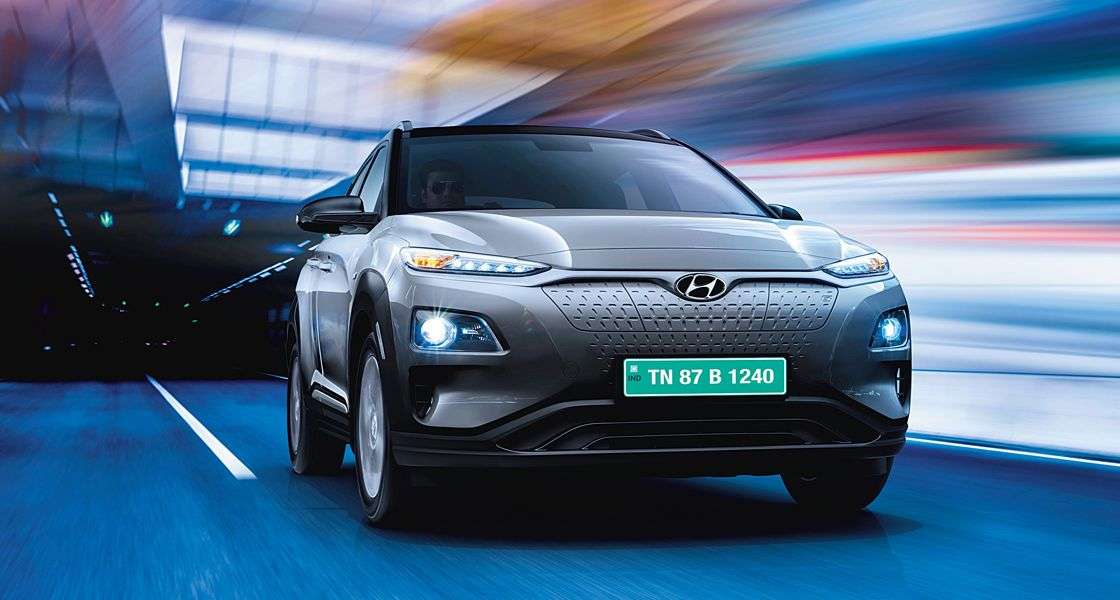
Electric cars are cheaper to maintain and more efficient than traditional vehicles available in the market. Additionally, the growing number of EV startups in India and internationally and several launches from already emerged players like Tesla, Tata, and MG Motor have now offered potential car owners a series of options to select the ideal electric car to drive regularly. Let’s explore more about the benefits of electric cars and why they are better than petrol cars.
Why Are Electric Cars Better Than Petrol?
1. Zero Tailpipe Emission
The major benefit of electric cars is their environmental friendliness. Traditional fuel-powered cars emit harmful gasses like carbon dioxide (CO2) and nitrogen oxides (NOx) that have a negative impact on our environment and even cause critical threats like climate change and global warming. In comparison, EVs have zero tailpipe emissions, meaning they do not produce harmful gasses in the open environment and contribute to lowering greenhouse gasses and air pollution.
2. Decreasing Carbon Footprints
Electric vehicles are not completely emission-free because the carbon footprint depends upon the source of electricity used. If these vehicles are charged through fossil fuel-generated electricity, they still have minimum emissions compared to petrol or diesel vehicles. As power grids become more greener and adopt sustainable technologies like generating electricity through solar cells, the adoption of electric cars can be pivotal in decreasing carbon footprints.
3. Lower Operational Cost
Electricity is viable and more affordable than fossil fuels like petrol and diesel when the prices of conventional fuel in the retail market are increasing, and car owners are paying significantly even for traveling a short distance. The engine components of electric cars are more energy efficient than petrol or diesel cars. These vehicles have fewer moving parts that require minimum maintenance in the long run.
Related: Popular Electric Cars in India
4. Less Maintenance Cost
With fewer moving parts, EVs require minimum maintenance or service in the long term, increasing your savings and ensuring a better ownership experience. In comparison, conventional fuel-powered vehicles require frequent maintenance and service for their engine and other core components, making maintenance of these vehicles expensive.
5. Tax and Financial Aids
The Indian government has launched a series of initiatives to promote and increase the adoption of electric cars across the country. The buyers of EVs can avail of exciting financial aid and claim tax benefits. The government has its FAME as part of a national incentive scheme; it aims to benefit both the customers and manufacturers by ensuring increasing acceptance of electric vehicles. Further, eligible electric car owners can claim up to Rs 1.5 lakh of income tax deduction on the interest amount paid for taking a loan for their electric vehicle purchase under section 80EEB of the Income Tax Act.
6. Option of Charging at Home
Think of a day when you are busy or getting late to reach your workplace and need fuel to be filled in your vehicle’s fuel tank. Thankfully, you don’t need to face such problems with electric cars. You can simply charge your vehicle through a home charger for 4-5 hours before you go. Many carmakers like Tata and MG Motor India have also offered fast charging in their vehicles.
7. Silent Operation
They don’t create noise like petrol, diesel, and CNG cars. These vehicles also don’t have any gears and are convenient to drive. By driving electric cars, you reduce air pollution and take the next step to limit noise pollution.
Related: Top Upcoming Electric Cars
How Do Electric Cars Work?
Electric cars work on the principle of converting electrical energy maintained in the battery into mechanical energy to run the vehicle. Here is a detailed explanation of how electric cars work:
1. Battery
The core component of any EV is its battery pack. In most cases, these batteries are lithium-ion and work to store electrical energy. With cutting-edge technology and innovation, modern batteries have become capable of matching the performance benchmarks of conventional or petrol vehicles.
2. Motor
Electric cars draw power from their lithium-ion battery packs, later converted into mechanical energy to drive the wheels. Electric motors are responsible for fetching electric power from the battery pack and converting it into mechanical power. Generally, electric motors have high torque at low speeds, ensuring quick acceleration and high vehicle responsiveness.
3. Power Electronics
Another critical element of EVs is their power electronics that manage the electricity flow between the battery pack and its electric motor. These inputs have control of the vehicle’s speed and power output to ensure efficient performance on urban terrains.
4. Charging
Electric cars need to be charged to drive them for the next trip. They can be charged using an alternating current (AC) home charger or direct current (DC) charger at EV charging stations. However, the charging time varies based on the kind of charger you are using. Many automakers have now started offering fast charging features in their electric cars to reduce the charging time.
Related: Latest Electric Cars in India
5. Regenerative Braking
Responsible for increasing operational efficiency and reducing energy loss, regenerative braking works in such a way as to recover the energy at the time of braking and send it back to the vehicle’s battery pack.
Conclusion
Electric cars are gaining momentum and global acceptance as a future of the automotive sector. These vehicles are environment friendly, offer a plethora of economic advantages, and also have the potential to play a critical role in reducing CO2 emissions and addressing climate change issues. With rising technological innovation and the world’s attention to sustainable power generation, electric cars have the potential to replace conventional fuel cars as a reliable and environment-friendly mode of transportation.


You May Like


Find your perfect car

Budget

Brand

Body Type

Fuel

Mileage

More
Latest Videos




Other Articles


Listen to Audios


Vihan AI - Your Car assistant
Ask me anything about cars, prices, and comparisons.