Ad

Best Hybrid Cars

There are 36 of Hybrid cars currently available in India, starting from an entry-level price of around ₹10.50 Lakh and going up to premium luxury segments. Some of the most popular Hybrid cars in India include Land Rover Defender (₹1.03 Cr - ₹2.60 Cr), Maruti Suzuki Victoris (₹10.50 Lakh - ₹19.99 Lakh), Toyota Innova Hycross (₹18.70 Lakh - ₹32.95 Lakh) and Maruti Suzuki Grand Vitara (₹10.77 Lakh - ₹19.72 Lakh) known for their balance of performance, mileage, features, and reliability.

On this page, you can explore the latest Hybrid car prices in India, along with detailed information on variants, specifications, mileage, images, reviews, and current offers. Simply select your preferred Hybrid car from the list below to compare models and find the best option for your budget and driving needs.

10 Best Hybrid Cars in India

The price range of Hybrid cars in India ranges from ₹10.50 Lakh to ₹8.70 Cr. Check out the table of all on-sale Hybrid cars with their starting ex-showroom prices.

ModelPrice
Land Rover Defender₹1.03 Cr - ₹2.60 Cr
Maruti Suzuki Victoris₹10.50 Lakh - ₹19.99 Lakh
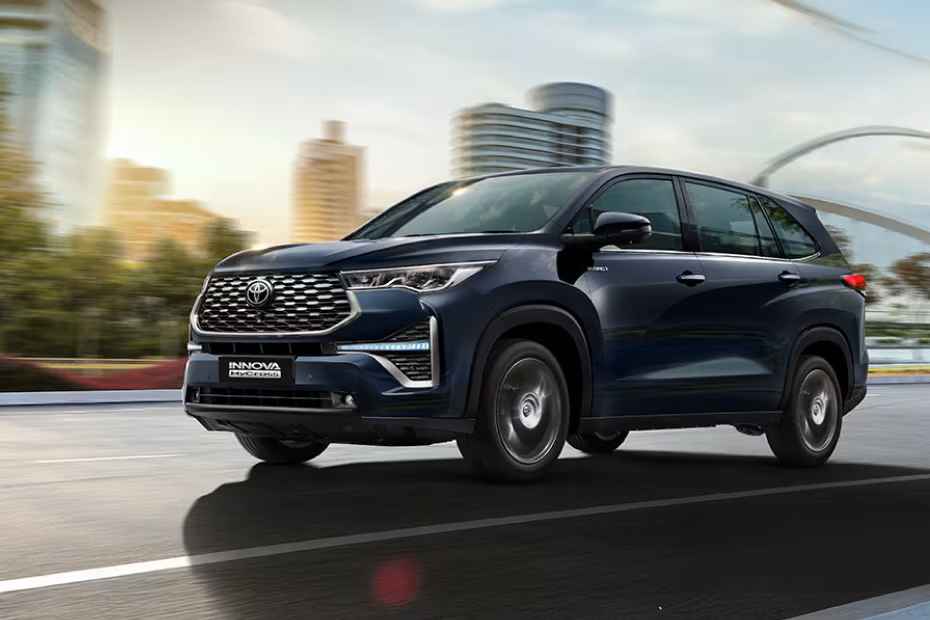
Toyota Innova Hycross₹18.70 Lakh - ₹32.95 Lakh
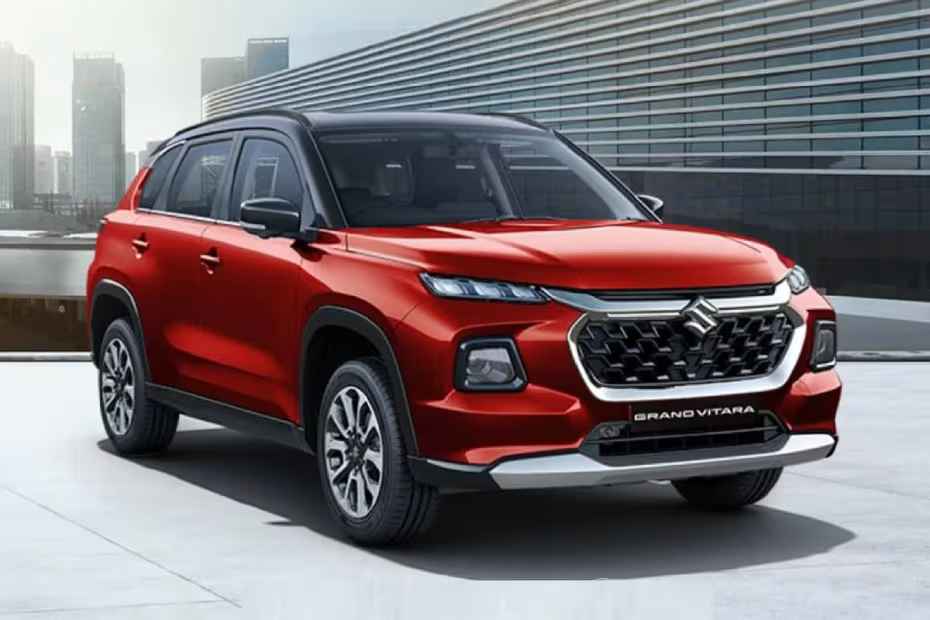
Maruti Suzuki Grand Vitara₹10.77 Lakh - ₹19.72 Lakh
Land Rover Range Rover Sport₹1.40 Cr - ₹2.35 Cr
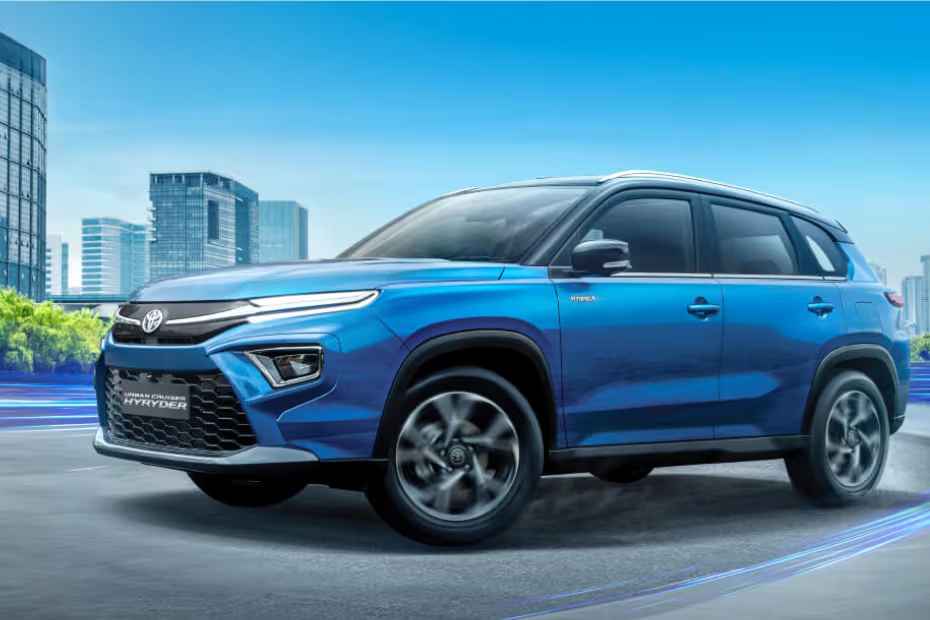
Toyota Urban Cruiser Hyryder₹10.99 Lakh - ₹20.19 Lakh
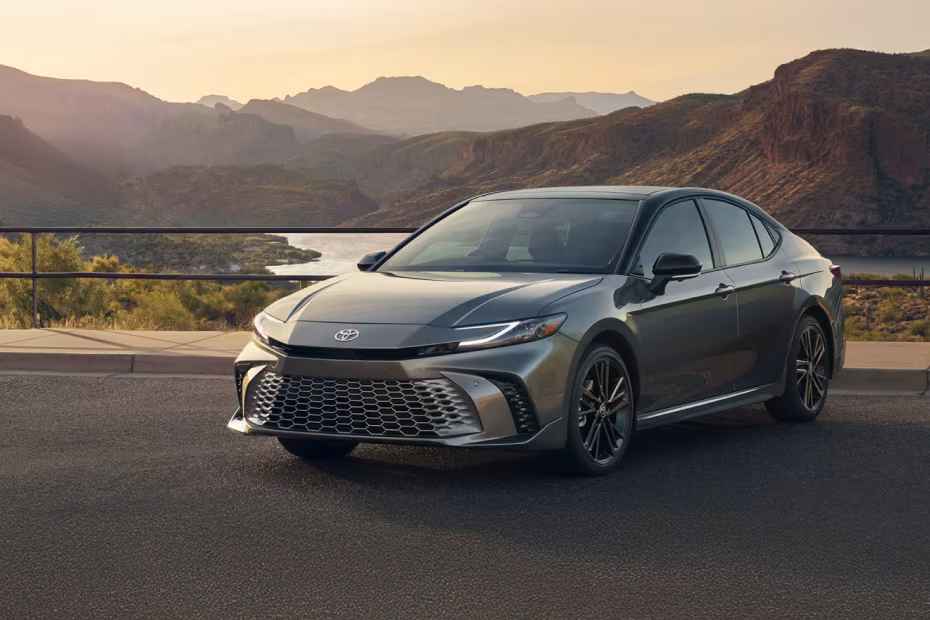
Toyota Camry₹47.48 Lakh - ₹47.62 Lakh
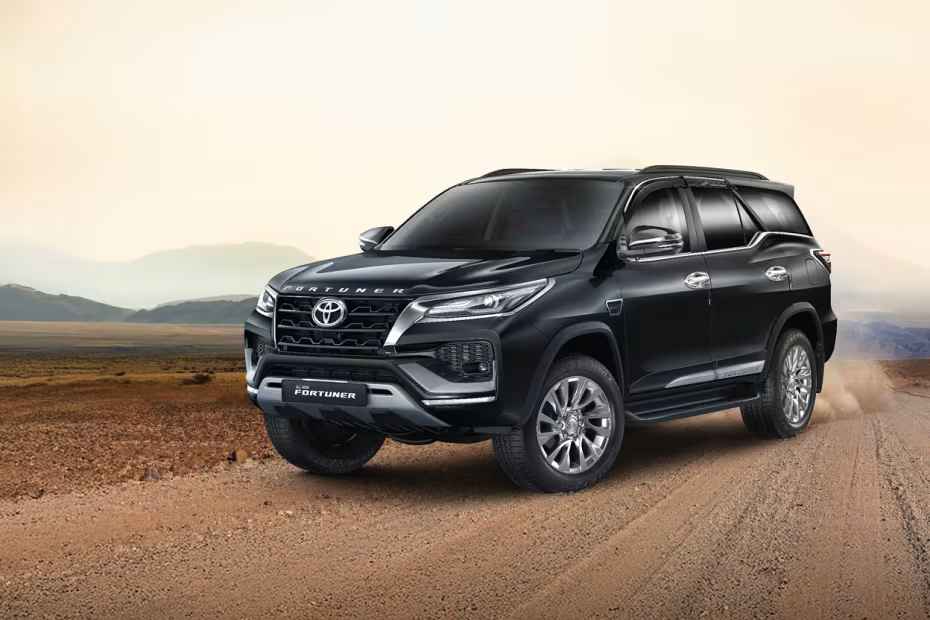
Toyota Fortuner₹34.76 Lakh - ₹50.46 Lakh
Maserati Ghibli₹1.17 Cr - ₹1.88 Cr
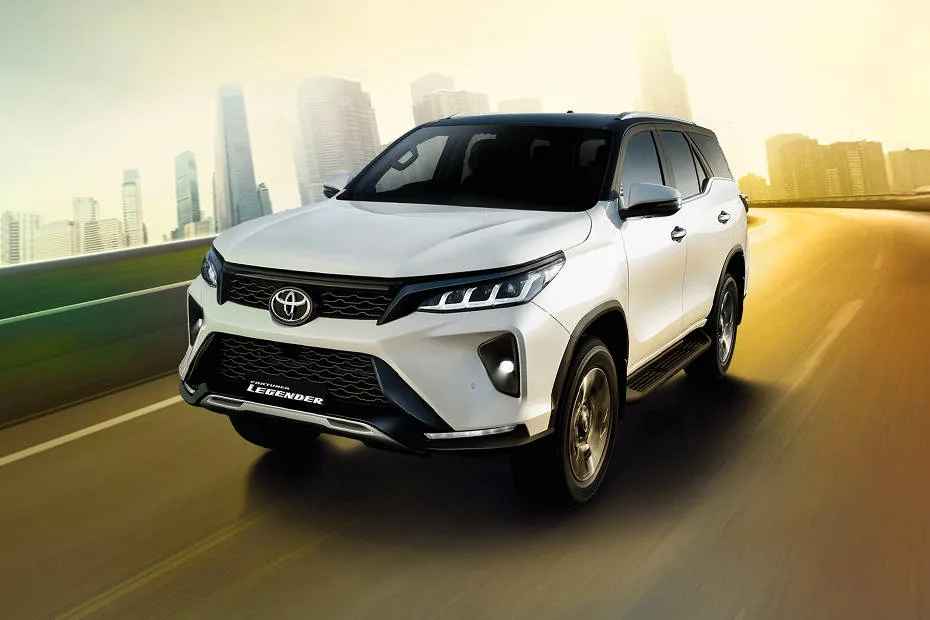
Toyota Fortuner Legender₹42.92 Lakh - ₹48.29 Lakh
Sort ByFilter
FiltersFilter
36 Cars are matching your filter
Land Rover DefenderprevImageprevImage
AWD/4WD
5 Seater
Sunroof
  • Iconic Boxy Design With D7x Aluminium
  • Terrain Response 2 Multi-Mode Off-Road
  • Up To 291 mm Adjustable Air Suspension
  • 90, 110, 130 Body Style Options
₹1.03 - 2.60 Cr
Get on road priceview more
4VariantsMore
Maruti Suzuki VictorisprevImageprevImage
19.07-28.65 Kmpl
5 Seater
6 Airbags
  • 5-star Bharat NCAP with 6 airbags standard
  • Level 2 ADAS — first on a Maruti Arena car
  • Mild hybrid, strong hybrid & underfloor CNG
  • 28.65 kmpl; Alexa Voice AI built-in
₹10.50 - 19.99 Lakh
Get on road priceview more
8VariantsMore
Toyota Innova HycrossprevImageprevImage
7 Seater/8 Seater
FWD
2 Airbags
  • Strong hybrid tech for better efficiency
  • Premium cabin with captain seat comfort
  • Smooth petrol engine with e-drive feel
  • Advanced features with connected tech
₹18.70 - 32.95 Lakh
Get on road priceview more
14VariantsMore
Maruti Suzuki Grand VitaraprevImageprevImage
AWD/FWD
5 Seater
Sunroof
  • 360 degree camera
  • Strong hybrid powertrain enables electric-assisted driving
  • AllGrip AWD system supports light off-road capability
  • Panoramic sunroof creates a bright and premium cabin
₹10.77 - 19.72 Lakh
Get on road priceview more
9VariantsMore
Land Rover Range Rover SportprevImageprevImage
2997 cc
Automatic
290 Kmph
  • 635 HP V8 SV Edition 0-100 In 3.9s
  • 900 mm Water Wading Depth Capability
  • 13.1-Inch Curved Touch Infotainment
  • Air Suspension With Off-Road Cruise
₹1.40 - 2.35 Cr
Get on road priceview more
7VariantsMore
Ad
Toyota Urban Cruiser HyryderprevImageprevImage
AWD/FWD
5 Seater
  • Strong hybrid SUV with high efficiency
  • AWD option for better all-road capability
  • Feature-rich cabin with modern tech
  • Smooth petrol engine for city driving
₹10.99 - 20.19 Lakh
Get on road priceview more
5VariantsMore
Toyota CamryprevImageprevImage
5 Seater
9 Airbags
FWD
  • Strong hybrid sedan with smooth drive
  • Premium cabin with luxury comfort feel
  • Silent performance with electric drive
  • Advanced safety and driver aids
₹47.48 - 47.62 Lakh
Get on road priceview more
4VariantsMore
Toyota FortunerprevImageprevImage
RWD/AWD
7 Seater
  • Legendary SUV with strong road presence
  • Powerful diesel engine for tough terrains
  • Proven reliability for long-term ownership
  • High resale value in premium SUV segment
₹34.76 - 50.46 Lakh
Get on road priceview more
2VariantsMore
Maserati GhibliprevImageprevImage
3799 cc
Automatic
326 Kmph
₹1.17 - 1.88 Cr
Get on road priceview more
1VariantsMore
Toyota Fortuner LegenderprevImageprevImage
RWD/AWD
7 Seater
  • Sporty styling with premium SUV appeal
  • Powerful diesel engine performance
  • Enhanced features over standard Fortuner
  • Strong road presence with bold design
₹42.92 - 48.29 Lakh
Get on road priceview more
1VariantsMore
Ad

FAQs Of Hybrid Cars

A hybrid car combines a traditional petrol or diesel engine with an electric motor and battery pack to deliver improved fuel efficiency. The system intelligently switches between the combustion engine and electric motor based on driving conditions. During city traffic, the electric motor powers the vehicle for zero-emission driving, while the petrol engine kicks in during highway cruising or when additional power is needed. The battery recharges automatically through regenerative braking and engine power, eliminating the need for external charging unlike pure electric vehicles.

There are 36 hybrid car models across various segments and price points on sale in India. Popular choice include the Land Rover Defender and Maruti Suzuki Victoris in the SUV category. Toyota Camry and Maserati Ghibli dominates the sedan hybrid car. Prices range from ₹10.50 Lakh lakh for entry-level models to over ₹8.70 Cr lakh for luxury hybrid SUVs, catering to diverse buyer preferences.

Mild hybrid systems use a smaller electric motor (typically 48V) that assists the petrol engine during acceleration and enables start-stop functionality, resulting in 10-15% fuel savings. The electric motor cannot independently power the vehicle. Strong hybrid (also called full hybrid) systems feature a more powerful electric motor and larger battery that can drive the car independently at low speeds for several kilometers, delivering 30-40% better fuel efficiency. Strong hybrids like the Maruti Grand Vitara and Toyota Hyryder offer pure electric mode for city driving, while mild hybrids like Maruti Ertiga provide modest efficiency gains at a lower price point.

Hybrid cars in India deliver significantly higher mileage compared to conventional petrol vehicles. Strong hybrid models like the Land Rover Defender and Maruti Suzuki Victoris achieve 40 km/l with ARAI-certified figures. Actual fuel economy varies based on driving style, traffic conditions, and terrain.

No, hybrid cars do not require external charging infrastructure. The battery charges automatically through two methods: regenerative braking (converting kinetic energy during deceleration into electricity) and excess power from the petrol engine. This self-charging capability makes hybrids more practical than plug-in hybrids or pure EVs, especially in areas lacking charging stations. You simply refuel at any petrol pump like a conventional car, making hybrid ownership hassle-free without range anxiety or charging time concerns.

Hybrid cars offer multiple advantages for Indian buyers: superior fuel economy (25-40% better than petrol cars) reduces running costs significantly in high fuel price scenarios. Lower emissions qualify for potential tax benefits and make hybrids environmentally friendlier. The dual powertrain provides instant torque from the electric motor for responsive city driving while maintaining highway performance. No charging infrastructure requirement ensures convenience across India. Strong hybrid models offer silent electric-only driving in traffic, reducing noise pollution. Additionally, hybrid technology provides a practical stepping stone toward electric mobility without range limitations.

Hybrid car maintenance costs are comparable to conventional petrol vehicles for most components. Regular servicing includes standard items like engine oil changes, air filters, and brake maintenance. However, hybrids experience less brake wear due to regenerative braking, potentially reducing long-term costs. Battery packs come with extended warranties (typically 8 years or 1.6 lakh km from manufacturers like Maruti and Toyota), addressing durability concerns. Authorized service centers have trained technicians for hybrid-specific components. While battery replacement after warranty expiry represents a significant cost, modern hybrid batteries often outlast the vehicle useful life with proper maintenance. Keywords naturally included: hybrid car maintenance, service cost, battery warranty, maintenance cost, hybrid service

The choice between hybrid and diesel depends on your usage pattern. Hybrid cars excel in city driving with stop-go traffic, delivering 25-28 km/l compared to diesel 18-20 km/l in similar conditions. Diesels maintain an edge on long highway journeys. With diesel prices often ₹10-15 higher per liter than petrol and stricter emission norms increasing diesel car prices, hybrids offer better value for urban and mixed driving. Hybrids run quieter, produce lower emissions, and eliminate diesel particulate concerns. However, if you drive extensively on highways (30,000+ km annually), diesel might still be economical despite higher initial costs.

Currently, the Indian government does not offer direct purchase subsidies for hybrid cars under the FAME II scheme, which focuses exclusively on battery electric vehicles (BEVs) and plug-in hybrids. However, hybrid cars may qualify for lower GST rates compared to conventional vehicles in some categories. Some states offer road tax exemptions or reductions for hybrid vehicles—benefits vary by state government policies. While lacking EV-level incentives, hybrids benefit from exemptions in certain pollution control zones and potential corporate tax advantages. Check your state transport department for current hybrid vehicle benefits and registration concessions.

Strong hybrid (full hybrid) cars can run purely on electric power at low speeds, typically up to 40-50 km/h for limited distances of 2-3 kilometers on a full battery charge. This electric-only mode is ideal for parking lot maneuvering, residential area driving, and slow-moving traffic. The petrol engine automatically engages when you accelerate hard, drive at higher speeds, or when the battery charge depletes. Mild hybrid systems cannot operate independently in electric mode—the electric motor only assists the petrol engine. Models like the Land Rover Defender, Maruti Suzuki Victoris and Toyota Innova Hycross with strong hybrid technology offer genuine electric-only driving capability for emission-free city commutes.

Hybrid cars typically feature smaller fuel tanks compared to conventional vehicles due to their superior fuel efficiency. Most hybrid SUVs in India come with 40-48 liter fuel tanks—for example, the Maruti Grand Vitara has a 45-liter tank, while the Toyota Hyryder offers 42 liters. Despite smaller tanks, hybrids achieve longer driving ranges: a 45-liter tank delivering 27 km/l provides over 1,200 km range between refueling stops. The reduced tank size helps offset the weight of the battery pack and electric motor, maintaining optimal vehicle balance and cargo space.

For city driving, strong hybrid SUVs like the Land Rover Defender and Maruti Suzuki Victoris are excellent choices, offering electric-only mode for traffic crawls and delivering up to 40 km/l in urban conditions.

Hybrid cars are maintaining competitive resale values as awareness and acceptance grow in India. Strong hybrid models from established brands like Maruti and Toyota show 55-65% value retention after 3 years, comparable to their petrol counterparts. Battery warranty transferability (remaining coverage from the original 8-year warranty) positively impacts resale confidence. As fuel prices remain high and emission norms tighten, used hybrid demand is increasing in metro cities. However, resale markets in smaller towns remain developing due to limited awareness. Maintaining complete service records and battery health documentation helps maximize resale value.

Hybrid cars generally offer slightly reduced boot space compared to their conventional petrol counterparts due to battery pack placement. The Maruti Grand Vitara hybrid provides 373 liters of boot capacity versus 416 liters in the non-hybrid version—a difference of approximately 40-50 liters. However, manufacturers optimize packaging to minimize impact: the Toyota Hyryder offers 370 liters, adequate for family luggage needs. Premium hybrids maintain better space management through advanced battery designs. For most buyers, the boot space reduction is negligible for daily use, and the fuel savings far outweigh the minor storage compromise. Always check real-world boot dimensions during test drives. Keywords naturally included: boot space, luggage capacity, battery placement, cargo space, storage