

 ELECTRIC
Delhi Government Mandates a Complete Shift to Electric Fleet for Cab Aggregators and Delivery Services by 2030
 Add CarBike360 on Google
The Delhi government mandates a complete shift to electric fleets for cab aggregators and delivery services by 2030, to combat air pollution. Enforcement measures indicates the government's commitment to environmental health.

By Robin Attri
Nov 30, 2023 01:17 pm IST
Published On
Nov 30, 2023 01:05 pm IST
Last Updated On
Nov 30, 2023 01:17 pm IST
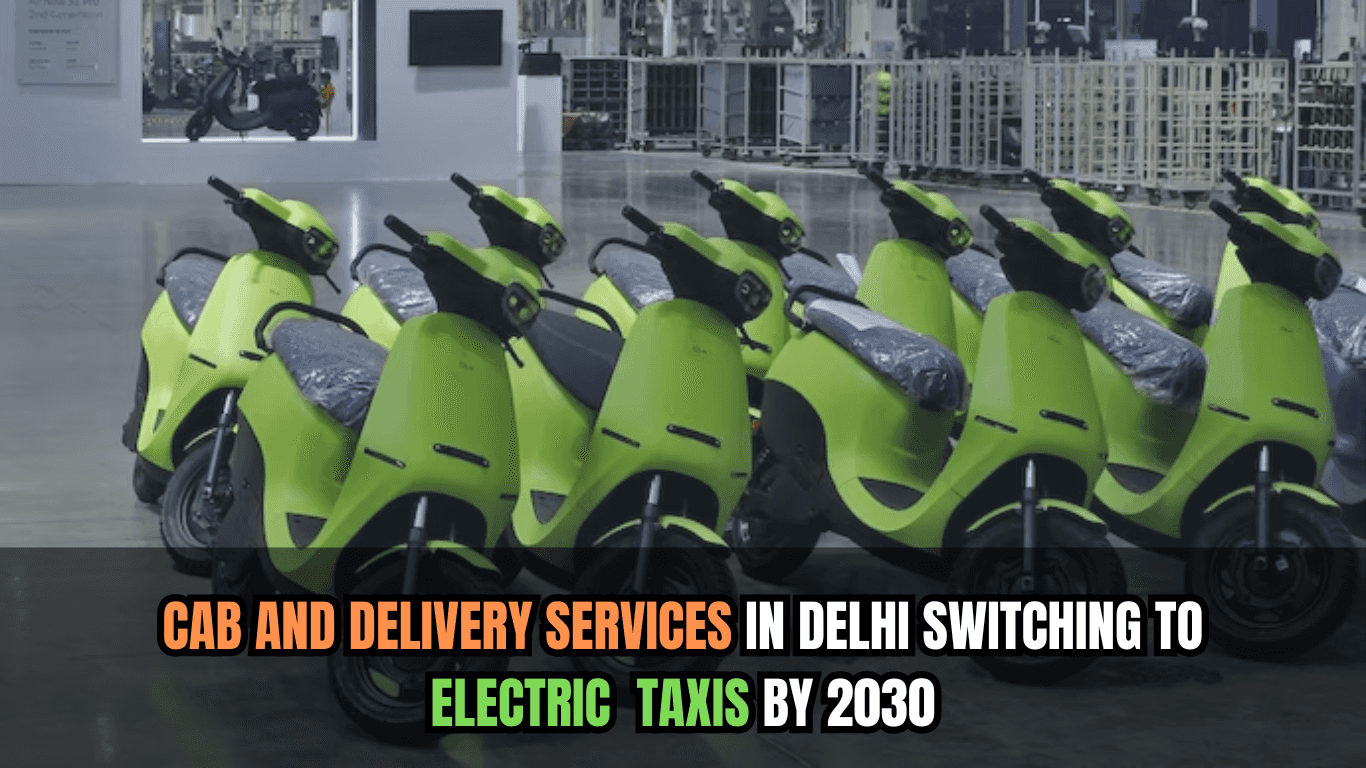
The Delhi government lifted the ban on BS3 and BS4 vehicles as the quality of air improved, drawing mixed reactions from the experts while caution continued vigilance and with a groundbreaking move to address the severe crisis of air pollution in the capital, the government of Delhi officially announced the Delhi Motor Vehicle Aggregator and Delivery Service Provider Scheme.
This policy mandates all cab aggregators and delivery service providers to convert their entire fleets to electric vehicles (EVs) by 2030. This initiative is aimed at restraining the detrimental impact of vehicular emissions on the annual air quality crisis in Delhi. The government is now promoting and encouraging electric vehicles for sustainability.
Key Highlights of the Policy:
- Registration and Licensing:
- Interested cab aggregators and delivery service providers must register with the government within 90 days of the notification.
A five-year license is mandatory for operation and will be granted upon successful registration.
Various Services that are Involved:
The policy encompasses all aggregators involved in passenger transport, delivery services, and e-commerce vehicles.
Electric Bike Taxis:
- While bike taxis are permitted under the scheme, only electric two-wheelers will be considered valid.
The government had also previously called for a halt to all bike taxi services by imposing fines for non-compliance.
Phased Transition for Various Vehicles:
- Different vehicle categories, including commercial two-wheelers for goods, are all given four to five years to phase out the conventional fuel-based fleets and switch to electric ones.
Immediate acceptance of only electric two-wheelers for bike taxis.
Concerns from Bike Taxi Operators:
- Bike taxi operators express the need for more time to transition to EVs citing the higher cost of electric vehicles with longer ranges.
- Approximately 100,000 riders are expected to be impacted by these restrictions.

Implementation and Enforcement:
- Registration of Electric Vehicles:
Only electric bikes will be registered, and non-electric bikes are liable to be confiscated.
Command and Control Centre:
- Aggregators are required to establish a 24x7 "command and control center" to monitor the movements of the vehicles and also respond to the alerts of panic buttons.
The government will also have access to this control center.
Timelines for Transition:
- Aggregators must switch a certain percentage of their fleets to EVs within specified timelines.
- Penalties, ranging from ₹5,000 to ₹100,000 per instance, will be imposed for violations.
Expert Opinions and Environmental Impact:
- Commendable Move:
- Experts commend the government's move, stating that enforcing a mandate is a crucial step in promoting EVs.
Swift transitions are already observed in two and three-wheelers globally.
Pollution Statistics:
- Vehicles contribute significantly to local pollution in Delhi, with daily PM2.5 contributions ranging from 10% to 30%, particularly during winter months.
- According to data from the Delhi Pollution Control Committee, 36% of current pollution in Delhi is attributed to vehicles, followed by 31% from biomass burning.
Conclusion
The Delhi government's notification of the Delhi Motor Vehicle Aggregator and Delivery Service Provider Scheme marks a historic decision to combat air pollution by transitioning all cab aggregators and delivery services to electric vehicles by 2030. While the move is praised for its environmental benefits, challenges and concerns from bike taxi operators highlight the need for a balanced and gradual transition.
The phased timelines and enforcement measures also indicate a serious commitment by the government to tackle the pressing issue of vehicular emissions in the capital. Only time will tell the success and impact of this ambitious policy on Delhi's air quality and overall environmental health.


You May Like


Find your perfect car

Budget

Brand

Body Type

Fuel

Mileage

More
Latest Videos


Talking about new Honda City and upcoming ZR-V SUV with Honda India’s Kunal Bahl!
2026 Honda City Launched in India - Better than VW Virtus, Hyundai Verna & Skoda Slavia?

Weekly Auto & EV Wrap-Up: Luxury Launches, AI Tech & Big Industry Updates!

Weekly news wrap-up - CNG sales up, Fortuner prices raised, Hyundai completes 30 years
Other News

India removes excise duty on higher ethanol blends to accelerate biofuel adoption

Tata Motors to raise passenger vehicle prices by Up to 1.5% from July 2026

Honda ZR-V flagship SUV India unveil with strong hybrid power

2026 Harley Davidson Super Glide returns as limited edition Cruiser with 2500 models
Listen to Audios


Vihan AI - Your Car assistant
Ask me anything about cars, prices, and comparisons.