ELECTRIC
Delhi-NCR Enforces GRAP 3, Bans BS-3 Petrol and BS-4 Diesel Vehicles Amid Severe Air Pollution Surge
 Add CarBike360 on Google
Delhi-NCR has imposed GRAP Stage 3 due to rising air pollution, banning older BS-3 petrol and BS-4 diesel vehicles to curb toxic emissions and clear the air.

Nov 12, 2025 09:01 am IST
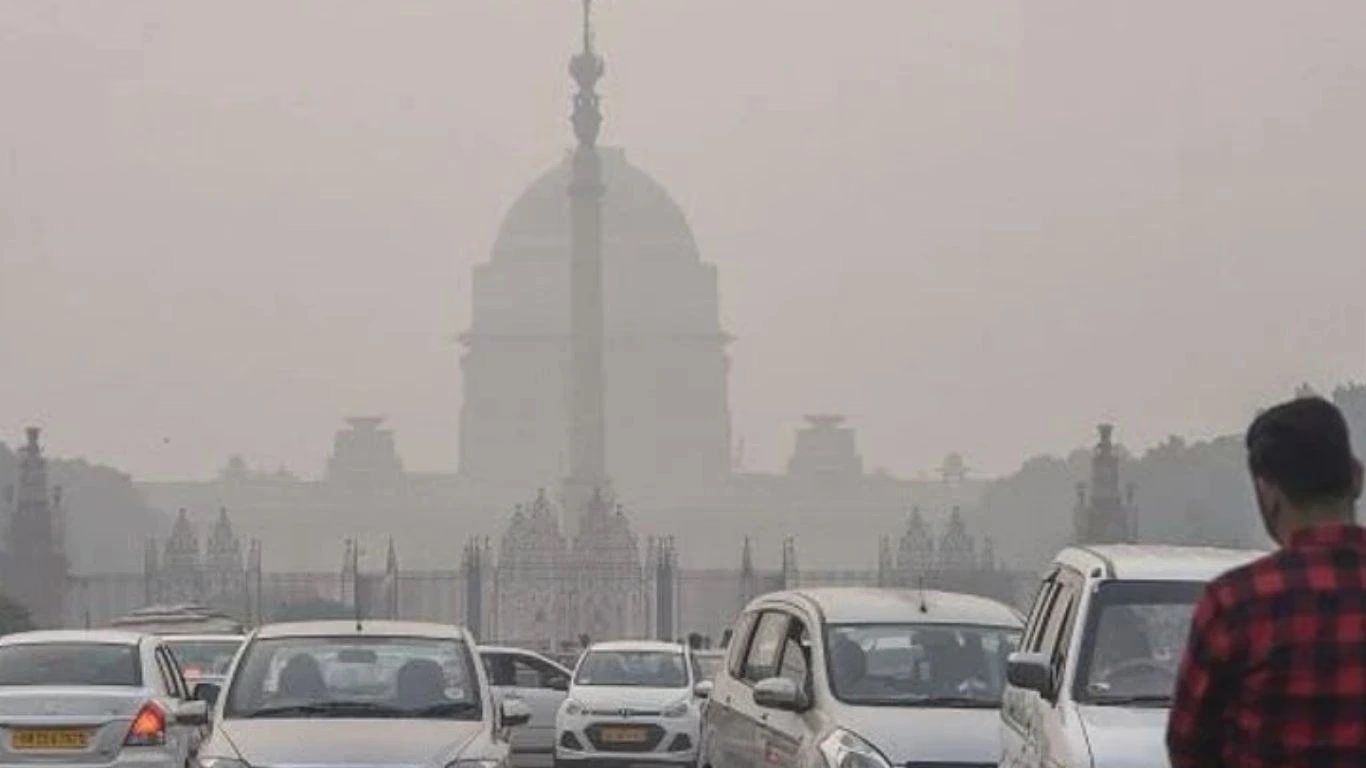
Delhi-National Capital Region (NCR) has been struggling with a sudden rise in air pollution levels, pushing the Air Quality Index (AQI) into the 'severe' zone. In response, the Commission for Air Quality Management (CAQM) has immediately activated Stage III of the Graded Response Action Plan (GRAP), a strict pollution-mitigation protocol regulated at rising harmful emissions and protecting public health.
As a result of this move, the use of older BS-3 petrol and BS-4 diesel vehicles, identified as major contributors to local air pollution, has been banned across Delhi and its adjoining NCR cities, including Gurugram, Faridabad, Ghaziabad, and Noida. This decisive action aims to reduce vehicular emissions, a key factor in the region’s deteriorating air quality. All these restrictions will be put into play until there are noticeable changes in pollution levels and AQI readings below 400.
What is GRAP Stage 3?
The Graded Response Action Plan (GRAP) has multiple stages triggered by escalating AQI levels. Stage 3 corresponds to severe pollution, defined by an AQI between 401 and 450. This stage enforces serious measures to immediately reduce pollution sources within Delhi-NCR. The current enforcement was prompted as AQI readings soared above 425, caused by stagnant weather conditions and pollutant accumulation near the surface.
Key Restrictions Under GRAP Stage III
In addition to banning BS-3 petrol and BS-4 diesel four-wheelers, GRAP 3 imposes several other critical restrictions:
- A complete ban on all nonessential construction and demolition activities.
- Suspension of mining operations and stone crushers within the NCR.
- Schools with students up to Class V are mandated to adopt hybrid (online and offline) teaching modes.
- Diesel goods vehicles not meeting BS-VI norms are barred from operating, except those transporting essential commodities.
- Heavy penalties up to Rs 20,000 for violations related to the use of banned vehicles.
Also Read: The All-New Yamaha EC-06 Electric Scooter Launches in India
Impact of the Vehicle Ban
BS-3 petrol vehicles, introduced before emission norms in 2010, and BS-4 diesel vehicles, which were standard until April 2020, emit significantly higher pollutant levels. By restricting these vehicles, authorities aim to reduce nitrogen oxides (NOx) and particulate matter emissions, both major contributors to Delhi-NCR's hazardous smog.
However, exemptions are provided solely to vehicles used by persons with disabilities and those engaged in emergency or essential services. Only electric vehicles and CNG and BS-6 diesel interstate buses are permitted to operate. Furthermore, diesel-run interstate buses with BS-4, along with AITP passenger vehicles and tempo vehicles, are also restricted.
Conclusion
The enforcement of GRAP Stage 3, followed by the vehicle bans, underscores the urgency of tackling Delhi-NCR’s air pollution crisis. It is a vital step towards clean air and healthier living conditions. The situation will continue to be monitored, with restrictions eased only when AQI levels consistently fall below the severe pollution threshold.


You May Like


Find your perfect car

Budget

Brand

Body Type

Fuel

Mileage

More
Latest Car Videos


Top Auto News of the Week: Tata Sierra EV, BMW X6, E85 Fuel & More - Weekly Wrap

Top Auto News of the Week | Hyundai i20 Leak, Honda ZR-V, Tata Sierra EV, Skoda EV & More!

Talking about new Honda City and upcoming ZR-V SUV with Honda India’s Kunal Bahl!
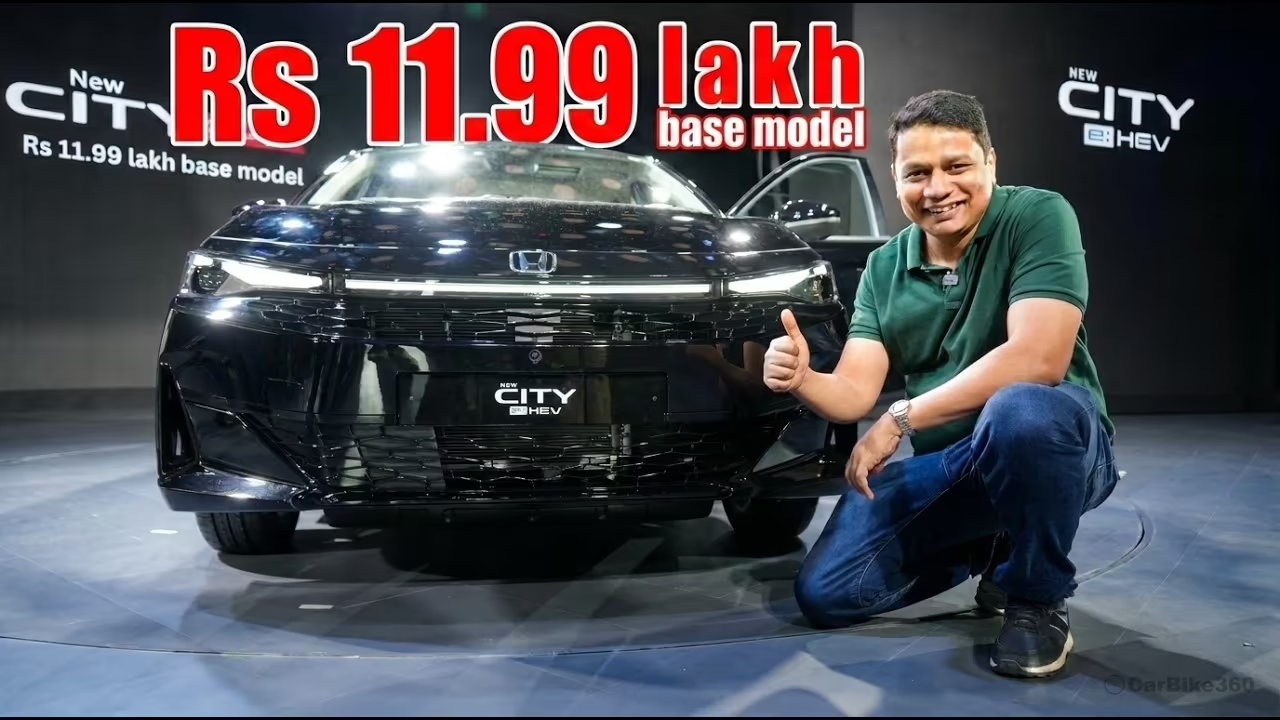
2026 Honda City Launched in India - Better than VW Virtus, Hyundai Verna & Skoda Slavia?
Other Car News
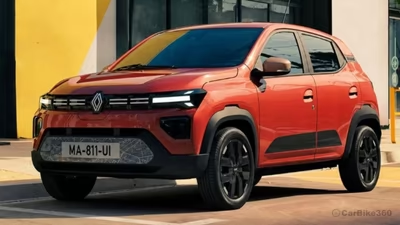
2026 Renault Kwid Facelift launching today: Here’s everything you need to know
Maruti Suzuki XL7 Facelift India launch expected by year end with new design and features
Yezdi Scrambler Launches on Amazon.in During Prime Day 2026

Hyundai Creta Electric launches with Battery as a Service at Rs 10.99 lakh
Listen to Car Audios