ELECTRIC
India approves E100 fuel use boost for flex-fuel two-wheelers
 Add CarBike360 on Google
The approval of E100 fuel in India marks a significant step toward cleaner mobility, enabling the growth of flex-fuel two-wheelers and reducing dependence on fossil fuels.

Jun 15, 2026 11:07 am IST
Published On
Jun 15, 2026 10:00 am IST
Last Updated On
Jun 15, 2026 11:07 am IST
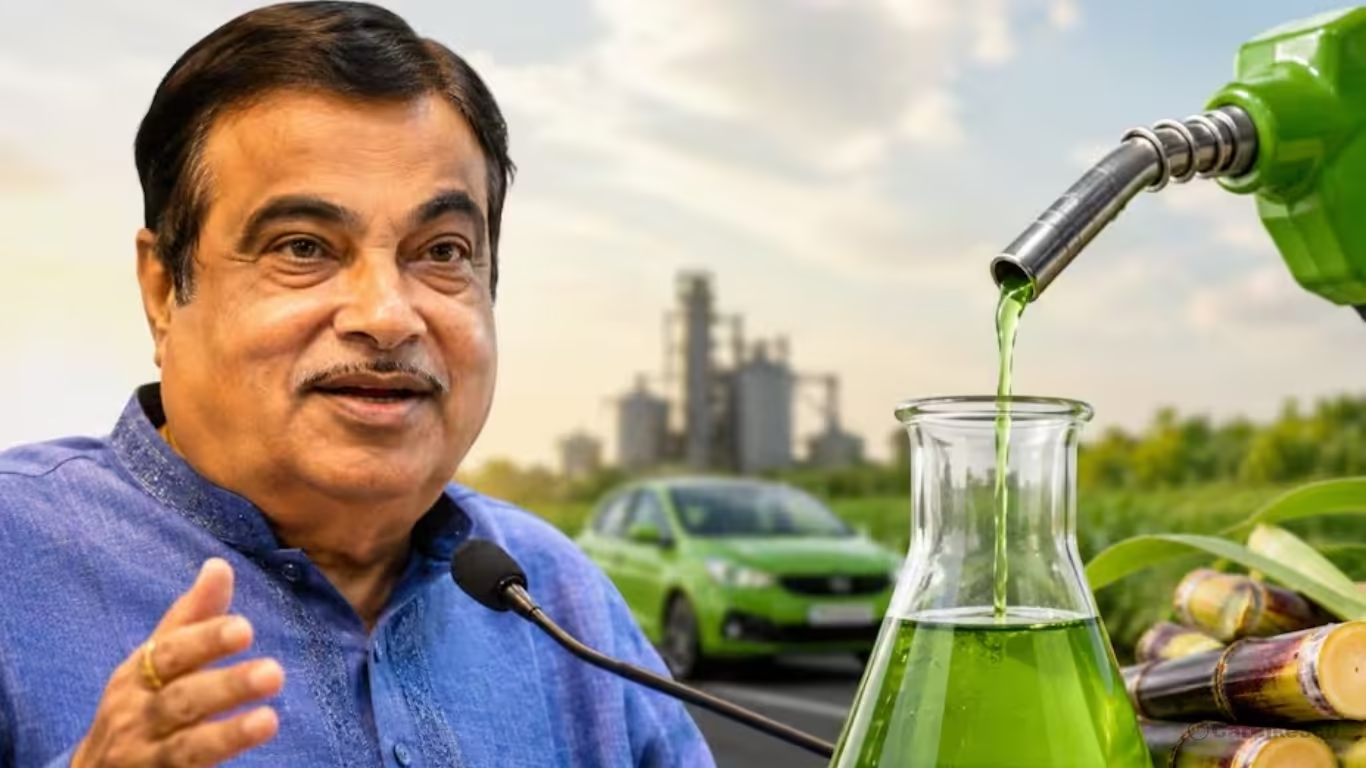
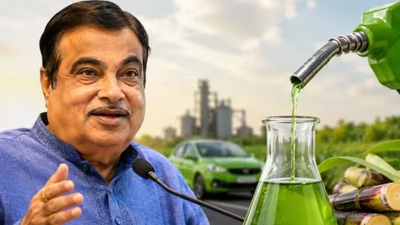
India has taken a major step towards alternative fuels as the government has approved regulations for E100 fuel use. Union Minister for Road Transport and Highways Nitin Gadkari announced the legal authorization of E100 fuel, allowing vehicles to run on 100 percent ethanol. This move is expected to accelerate the development of flex-fuel two-wheelers in the country.
Key Highlights
- India approves regulations for E100 fuel, enabling vehicles to run on 100 percent ethanol
- E100 fuel is renewable and could reduce oil imports and benefit Indian agriculture
- Motorcycles running on E100 may see 25 to 30 percent lower fuel efficiency
- Technical and infrastructure challenges remain for widespread E100 adoption in two-wheelers
E100 Fuel Approval and Its Impact
Ethanol-blended fuels like E20 are already available in India, but E100 consists almost entirely of ethanol. Ethanol is a renewable biofuel produced from sugarcane, corn, and other crops. The government's goal is to reduce reliance on imported crude oil and boost demand for agricultural produce. For the two-wheeler industry, this approval could lead to a new generation of flex-fuel motorcycles.
Some manufacturers have already showcased motorcycles that can run on higher ethanol blends, showing that the technology is advancing beyond the concept stage. The main advantage of E100 fuel is its renewable nature. Since ethanol is produced domestically, it can help lower India's oil import bill and improve energy security.
Ethanol also burns cleaner than petrol, resulting in lower carbon emissions and fewer tailpipe pollutants. Increased ethanol production could also benefit Indian farmers by creating a larger market for crops used in biofuel production.
Challenges for Two-Wheeler Adoption
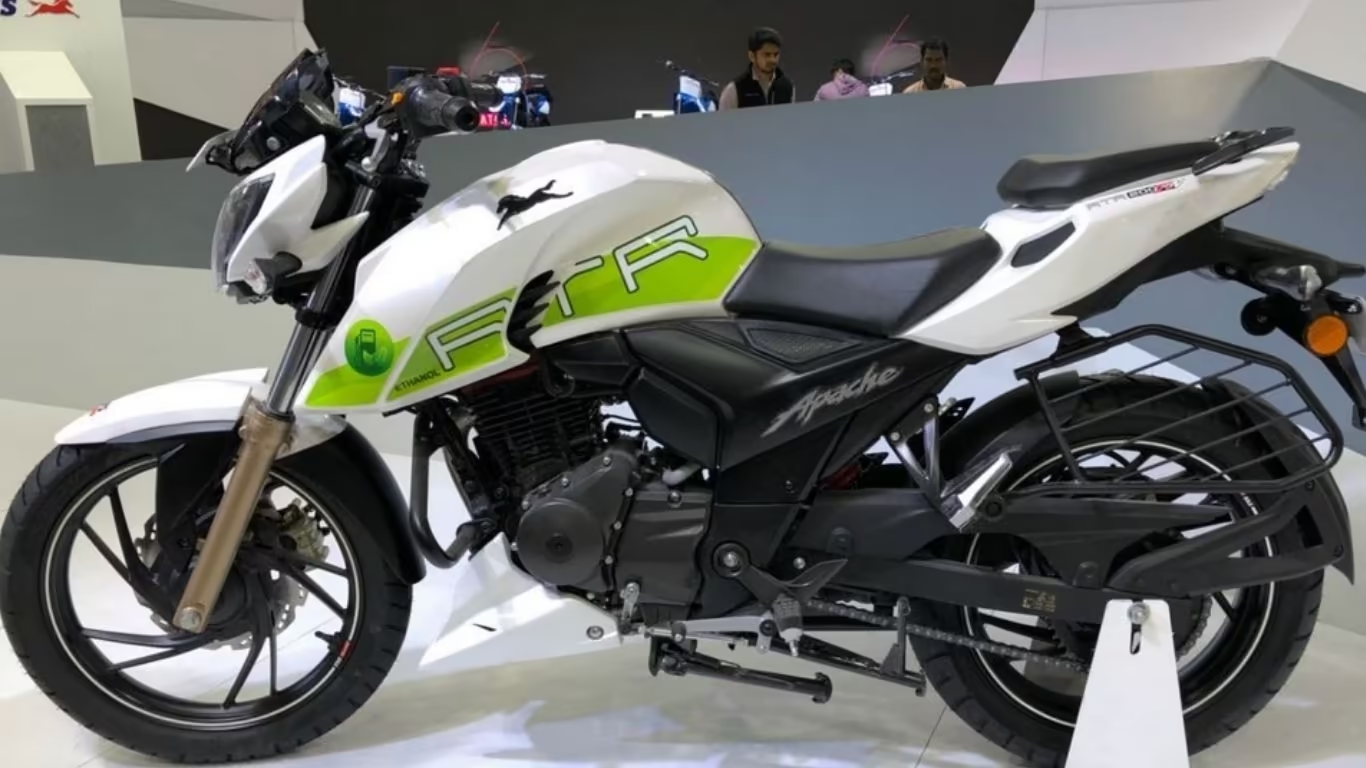
Despite these benefits, the transition to E100 fuel presents several challenges, especially for two-wheeler users. Ethanol has less energy density per litre than petrol. As a result, motorcycles running on E100 are likely to have lower fuel efficiency. Reports indicate a reduction of about 25 to 30 percent in fuel economy, meaning users will need to refuel more often. This could increase real-world running costs, even though ethanol production costs are lower.
There are also technical issues to consider. Ethanol is more corrosive than petrol and can damage fuel lines, seals, gaskets, and other parts if not designed for high ethanol content. E100-compatible motorcycles will require specialized materials, which could lead to higher manufacturing and maintenance costs over time.
Infrastructure is another hurdle. While E20 fuel is now widely available, E100 dispensing infrastructure is still limited. Fuel retailers will need to invest in dedicated storage and dispensing systems before flex-fuel motorcycles can become common on Indian roads.
Future Outlook
The approval of E100 regulations marks a significant milestone in India's shift towards alternative fuels. However, the success of E100 in the two-wheeler segment will depend on fuel availability, vehicle costs, maintenance needs, and real-world expenses. As manufacturers begin developing E100-compatible motorcycles, the balance between benefits and practical challenges will determine the pace of adoption among everyday riders.
Also Read: India removes excise duty on higher ethanol blends to accelerate biofuel adoption
CarBike 360 Says
India’s approval of E100 fuel signals a major leap toward sustainable mobility and reduced oil dependence. With automakers preparing for flex-fuel two-wheelers, the move is set to reshape the market while lowering emissions. As infrastructure and awareness grow, E100 could play a key role in India’s cleaner, more self-reliant automotive future.


You May Like


Find your perfect bike

Brand

Budget

Body Type

Fuel

Mileage

More
Latest Bike Videos


Other Bike News
Listen to Bike Audios