ELECTRIC
India expands ethanol fuel use with E85 and E100 regulations
 Add CarBike360 on Google
India introduces E85 and E100 fuel norms to boost ethanol adoption, cut emissions, and encourage flex-fuel vehicle growth.

By Priya Thakur
Jun 23, 2026 11:10 am IST
Published On
Jun 23, 2026 10:00 am IST
Last Updated On
Jun 23, 2026 11:10 am IST
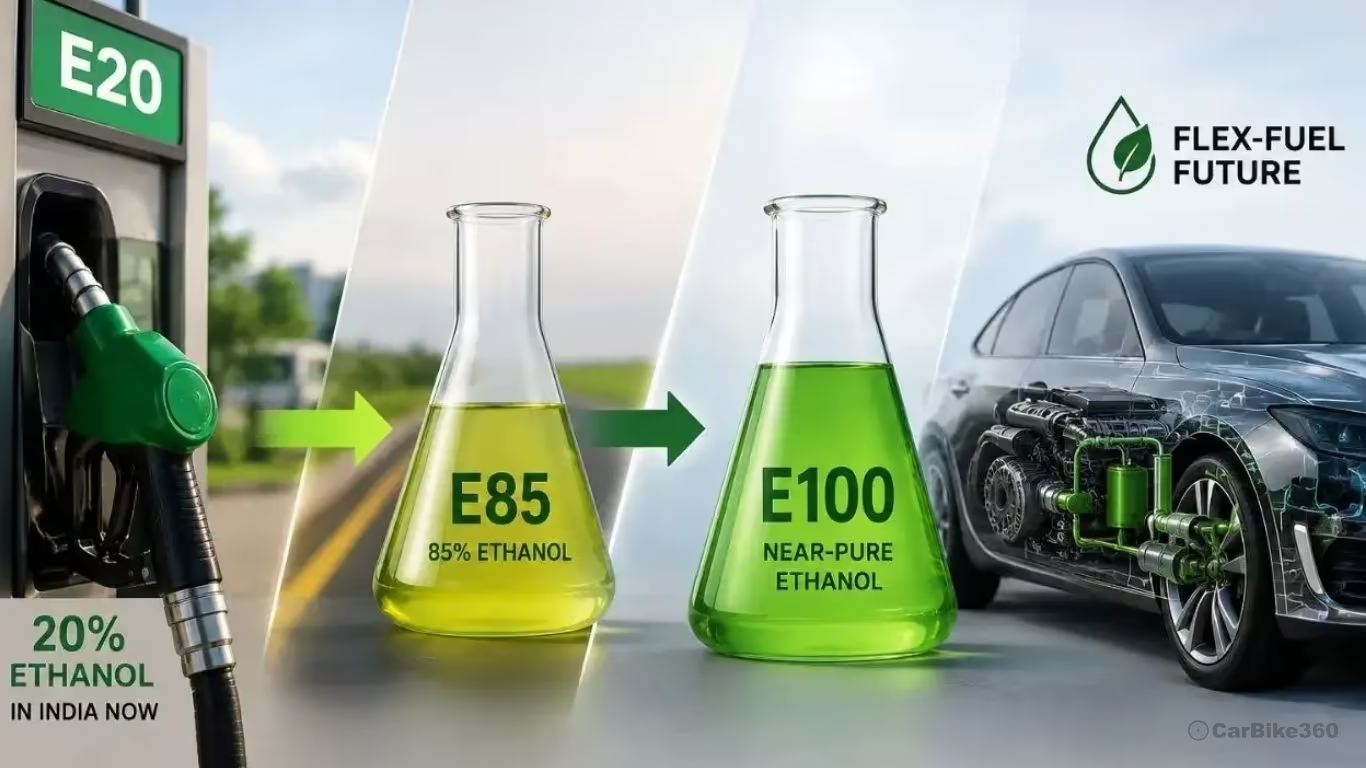
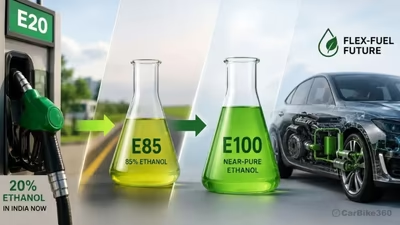
India has entered a new phase in its fuel strategy with the introduction of E85 and E100 ethanol fuels. Until recently, most vehicles in India used E20 petrol, which contains 20 percent ethanol and 80 percent petrol. Now, E85 fuel, with up to 85 percent ethanol, is available in limited locations. Mumbai has opened its first E85 pump, and the government aims to establish 500 E85 stations by the end of 2026.
Key Highlights
- India launches E85 fuel and approves E100 regulations for broader ethanol adoption.
- Mumbai opens its first E85 pump with 500 stations planned nationwide by 2026.
- E85 fuel is about 20 rupees cheaper per litre than E20 petrol.
- Higher ethanol blends reduce emissions but can lower vehicle mileage and increase maintenance needs.
The government has also approved regulations for E100 fuel, allowing its legal use in India. This move is expected to support the development of flex-fuel two-wheelers, which can run on higher ethanol blends. The shift towards ethanol-based fuels is designed to reduce India's reliance on imported crude oil, as ethanol is produced locally from crops such as sugarcane and corn. This supports Indian farmers by increasing demand for agricultural products.
Ethanol Fuel Benefits
One key benefit of higher ethanol blends is lower fuel prices. E85 fuel costs nearly 20 rupees less per litre than E20 petrol. Ethanol also helps reduce emissions, making transportation cleaner. The domestic production of ethanol improves energy security and supports the government's goal to diversify fuel sources.
By increasing the use of ethanol, India aims to cut oil imports and promote cleaner energy. The government’s strategy focuses on making E20 the mainstream fuel while gradually introducing higher ethanol blends like E85 and E100. These steps are part of a broader plan to enhance energy independence and environmental sustainability.
Challenges with Higher Ethanol Blends
Despite the advantages, there are notable challenges with higher ethanol blends. Ethanol contains less energy than petrol, which leads to lower mileage for vehicles. E20-compatible vehicles have already experienced a slight drop in fuel efficiency, and E85 could result in a more significant decrease.
Another concern is ethanol’s tendency to absorb moisture, which can corrode fuel system components over time. Parts such as fuel tanks, pipelines, injectors, and engine components may wear out faster when exposed to high-ethanol fuels. Flex-fuel vehicles, which are required for E85 and E100, need special engineering and are generally more expensive than standard petrol vehicles. For example, a recently launched flex-fuel two-wheeler is priced Rs. 6,000 higher than its E20 counterpart.
Future Outlook
India’s fuel landscape is becoming more diverse as E20 remains the primary fuel and higher ethanol blends are introduced. The government’s clear objectives are to reduce oil imports, strengthen energy security, and support cleaner, domestically produced energy. However, the widespread adoption of higher ethanol blends in the two-wheeler segment will depend on several factors. These include the availability of E85 and E100 fuels, the cost of flex-fuel vehicles, maintenance needs, and real-world operating expenses.
Manufacturers are beginning to develop two-wheelers compatible with E85 and E100 fuels. The success of this transition will depend on how well the benefits of ethanol balance with the practical challenges faced by everyday riders.
Also Read: BIS introduces standards for high ethanol-blended petrol amid rising energy concerns
CarBike 360 Says
India’s move to expand E85 and E100 fuel usage marks a significant step toward energy independence and cleaner mobility. By encouraging flex-fuel vehicles and strengthening ethanol infrastructure, the government is aligning environmental goals with economic benefits. As adoption grows, this initiative is expected to reshape the automotive landscape while reducing reliance on fossil fuels.


You May Like






Latest Lubricant Videos


Other Lubricant News


Listen to Lubricant Audios