ELECTRIC
India faces backlash over mandatory 20% ethanol blended petrol policy
 Add CarBike360 on Google
India’s push for E20 fuel aims to cut emissions and reduce oil imports, but rising concerns over vehicle compatibility, efficiency loss, and costs have triggered widespread backlash.

Jul 04, 2026 11:19 am IST
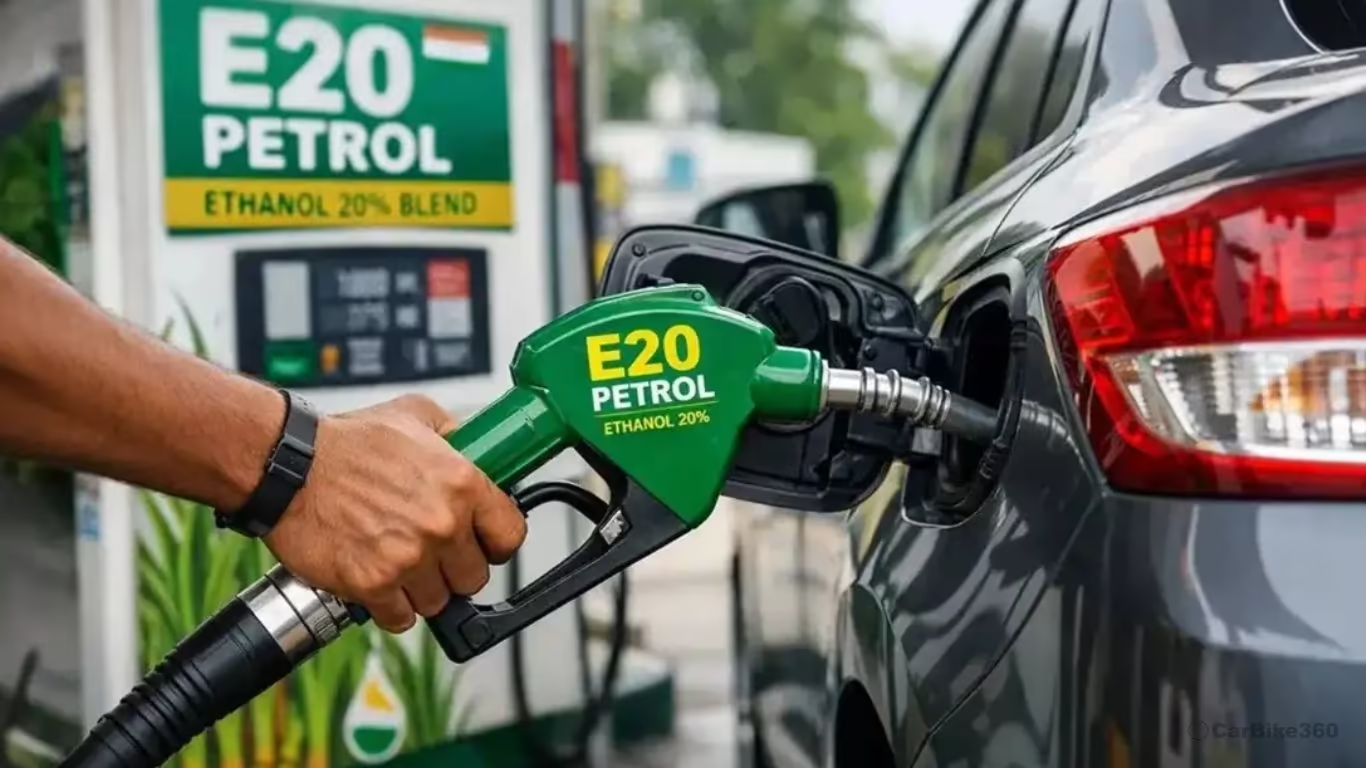
India's government is facing rising criticism over its mandatory 20% ethanol-blended petrol policy, known as E20. The backlash intensified after Attorney General R. Venkataramani described the policy as an "experiment" during a court hearing, which was widely shared online. The government has since denied that the policy itself is experimental, but video evidence of the remark has circulated on social media.
Key Highlights
- India enforces a mandatory 20 percent ethanol-blended petrol policy known as E20.
- Motorists report reduced fuel efficiency and increased vehicle wear with E20 use.
- Government denies policy is experimental despite attorney general's court remark.
- Opposition leaders and citizens plan protests against the E20 fuel mandate.
Public Reaction and Government Response
The E20 mandate, which took effect last year, has become a major point of contention for Prime Minister Narendra Modi's administration. Many motorists in India, the world's third-largest car market, have expressed dissatisfaction with the policy. Concerns include reduced fuel efficiency and vehicle performance. Some consumers are planning protests, with one demonstration in New Delhi reportedly drawing interest from thousands of participants.
Attorney General Venkataramani clarified to Reuters that his use of the word "experiment" referred to ethanol supply volumes, not the policy itself. Despite this explanation, public anger remains high. The government's press office dismissed the criticism as "wild claims" and urged citizens not to be influenced by social media outrage.
Petroleum Minister Hardeep Singh Puri attempted to reassure motorists by noting that ethanol is used in motor racing, which can increase acceleration. He acknowledged that mileage "may drop a little" but emphasized the benefits of ethanol-blended fuel.
Concerns from Motorists and Opposition
Many drivers have voiced frustration over the lack of choice at fuel stations, as E20 has become the standard option. Social media posts and videos highlight complaints about decreased fuel efficiency and increased wear on car parts. In one widely viewed video, a motorist named Manish Kashyap claimed his car required repairs after using E20 fuel for two months.
Opposition leaders have also criticized the policy rollout. Priyank Kharge, a state minister from the Congress party, argued that the government failed to consult citizens and that official data on the policy's impact is still pending. Tehseen Poonawalla, another Congress supporter, is organizing a protest in New Delhi to challenge the E20 mandate.
Government Justification for E20
The government maintains that E20 offers several benefits. Officials say the policy helps reduce carbon emissions, lowers crude oil imports, and supports farmers by increasing demand for crops used in ethanol production. These arguments, however, have not fully addressed public concerns about vehicle performance and choice.
Hundreds of motorists have posted complaints online, with many citing reduced mileage and higher maintenance costs. The ongoing debate highlights the challenges of implementing large-scale fuel policy changes in a diverse and growing automotive market like India.
Also Read: India evaluates E25 fuel impact on existing vehicles amid Ethanol blending push
CarBike 360 Says
India’s shift toward 20 percent ethanol-blended petrol reflects a strong commitment to sustainability and energy independence, but the growing backlash highlights gaps in readiness and awareness. Balancing environmental goals with consumer convenience, vehicle compatibility, and infrastructure development will be crucial to ensure the policy’s long-term success without burdening everyday motorists.


You May Like


Find your perfect car

Budget

Brand

Body Type

Fuel

Mileage

More
Latest Car Videos


Top Auto News of the Week: Tata Sierra EV, BMW X6, E85 Fuel & More - Weekly Wrap

Top Auto News of the Week | Hyundai i20 Leak, Honda ZR-V, Tata Sierra EV, Skoda EV & More!

Talking about new Honda City and upcoming ZR-V SUV with Honda India’s Kunal Bahl!
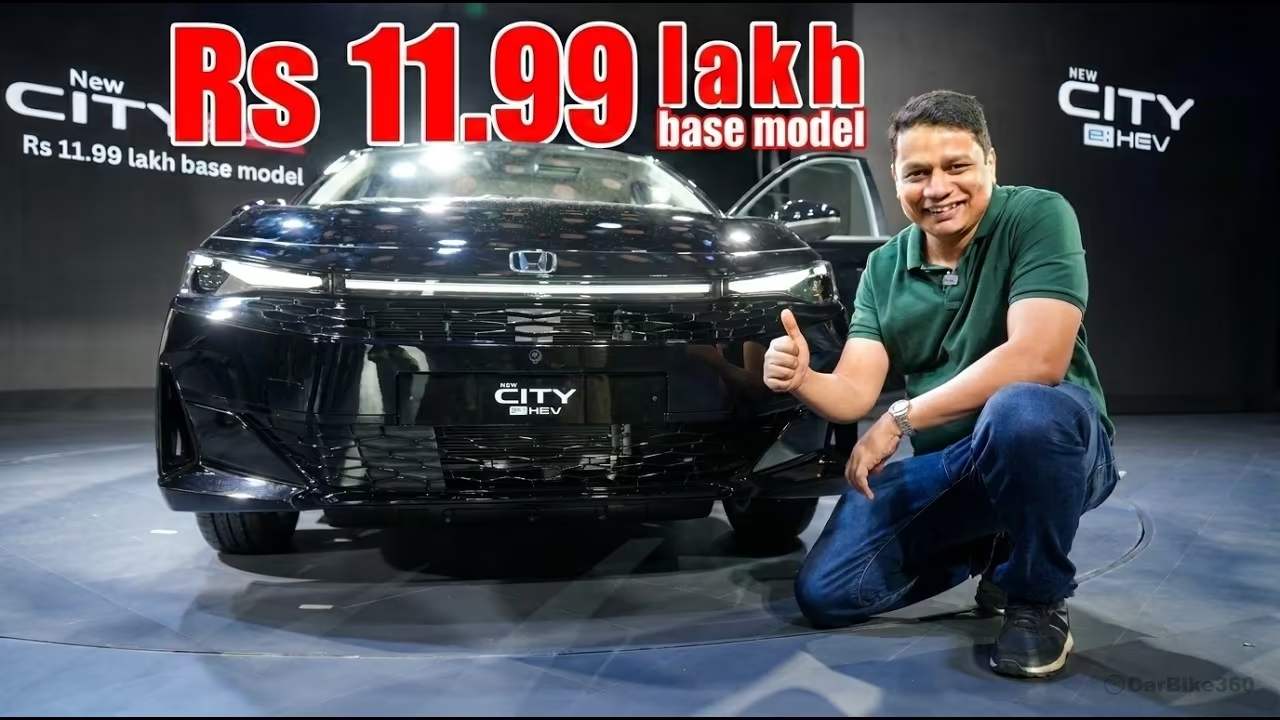
2026 Honda City Launched in India - Better than VW Virtus, Hyundai Verna & Skoda Slavia?
Other Car News
Kia India teases Syros EV and Sorento hybrid ahead of official launch
India blocks chinese linked battery apps over EV cybersecurity concerns
Ferrari 12Cilindri Manuale debuts with 6-speed manual gearbox and limited production
Electric 4Ws Sales Report June 2026: Tata Motors leads the market with 38% of the EV Market share
Listen to Car Audios