ELECTRIC
India Removes Windfall Tax on Crude Oil and Petroleum Exports: Key Details
 Add CarBike360 on Google
The Indian government removes the windfall tax on crude oil sales and petroleum exports. Learn about the policy shift, its reasons, and its impact on the oil market.

By Mohit Kumar
Dec 05, 2024 06:00 am IST
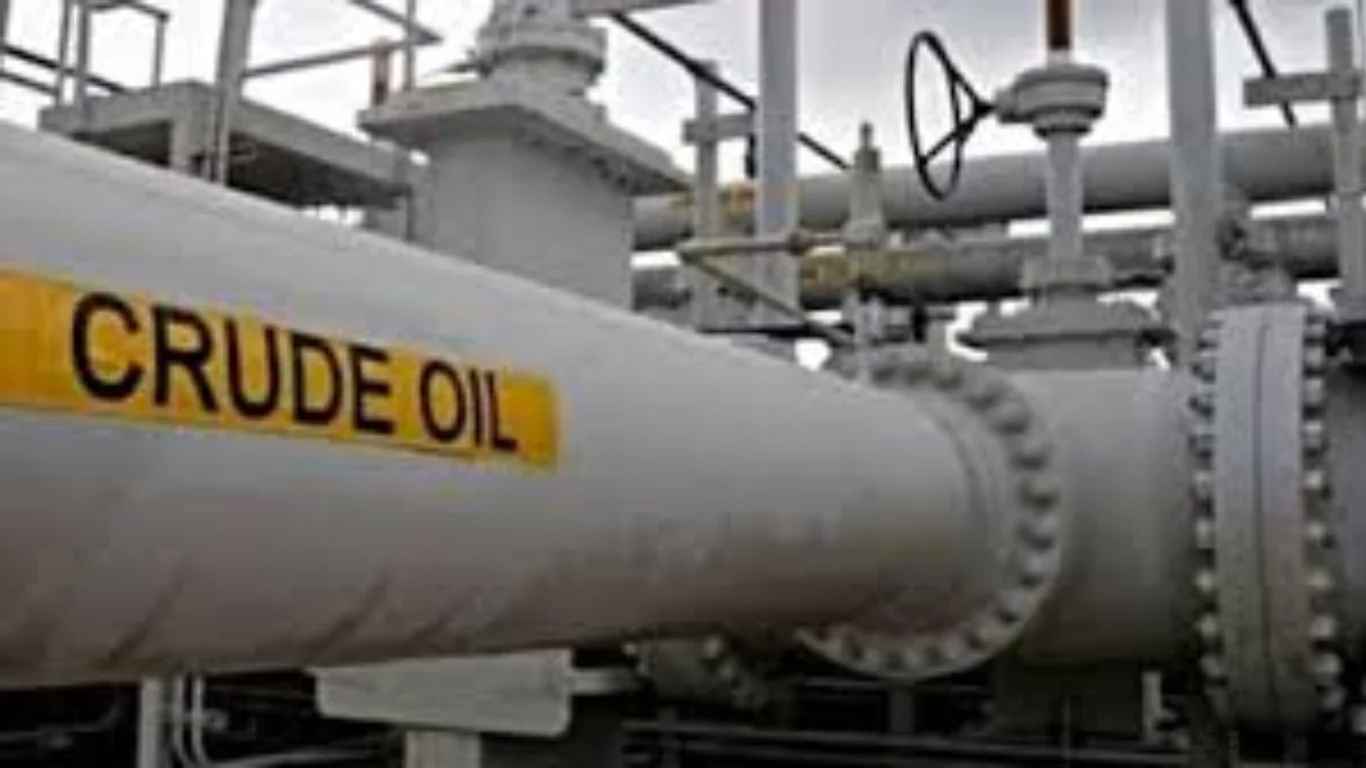
The windfall tax on domestic sales of crude oil and exports of petroleum products has been formally eliminated by the Indian government, signaling a dramatic change in its economic approach. The removal of the road and infrastructure levy on the export of petrol and diesel is another aspect of this action, which was declared on Monday. The government's response to changing market conditions and muted global oil prices is reflected in the decision.
Key Announcements
- The windfall tax on domestic crude oil sales and the export of aviation turbine fuel (ATF) has been scrapped.
- The road and infrastructure cess on petrol and diesel exports has also been abolished.
Historical Context
The windfall tax was implemented in 2022 to reduce oil firms' exorbitant profits amid high global oil prices brought on by geopolitical concerns. It was assessed every two weeks based on average pricing and imposed as a unique supplementary excise charge.
Reasons for Withdrawal
Crude oil prices have been subdued, averaging $70–$75 per barrel, primarily due to weak demand from major consumers like China and a global shift toward electrification. By September 2024, the windfall tax on domestic crude had already been reduced to nil, signaling its diminishing relevance.
Economic Implications

Impact on Oil Companies
According to Prashant Vasisht of ICRA, the removal of the windfall tax will have minimal impact on oil companies, as the levy had been largely inactive in recent months.
Muted Crack Spreads
Weak demand growth and a supply surplus have led to muted crack spreads, further reducing the need for the tax.
Future Outlook
The withdrawal aligns with forecasts indicating a deceleration in crude oil demand due to increasing electrification and China’s economic slowdown. The government’s decision highlights its flexibility in adapting tax policies to market conditions, ensuring minimal disruption to economic growth and corporate operations.
Alternative Perspective: A Step Toward Economic Flexibility
The elimination of the windfall tax by the Indian government is part of a larger plan to improve market efficiency and lessen financial strains on the oil and gas industry. This change in policy shows that the world's crude prices are stable and that the energy environment is evolving.
Impact on Exporters and Consumers
Removing levies on exports may enhance competitiveness for Indian petroleum exporters, potentially boosting trade volumes. The decision could stabilize fuel prices domestically, reflecting lower input costs for refiners.
Strategic Shift in Energy Policy
The removal of the tax also aligns with India’s focus on sustainable energy transitions, emphasizing electrification and renewable energy while reducing dependence on traditional hydrocarbons.
Also Read: India’s Electric Passenger Vehicle Market Sales Report


You May Like






Find your perfect car

Budget

Brand

Body Type

Fuel

Mileage

More
Latest Car Videos





Other Car News

Listen to Car Audios