

 ELECTRIC
India Leads Lubricant Demand Growth, Kline & Co. Study Reveals Sluggishness in Other Markets
 Add CarBike360 on Google
Find out how factors like digitalization, urbanization, and increasing car ownership are driving demand.

By Mohit Kumar
Jul 27, 2023 12:12 pm IST
Published On
Jul 27, 2023 11:41 am IST
Last Updated On
Jul 27, 2023 12:12 pm IST
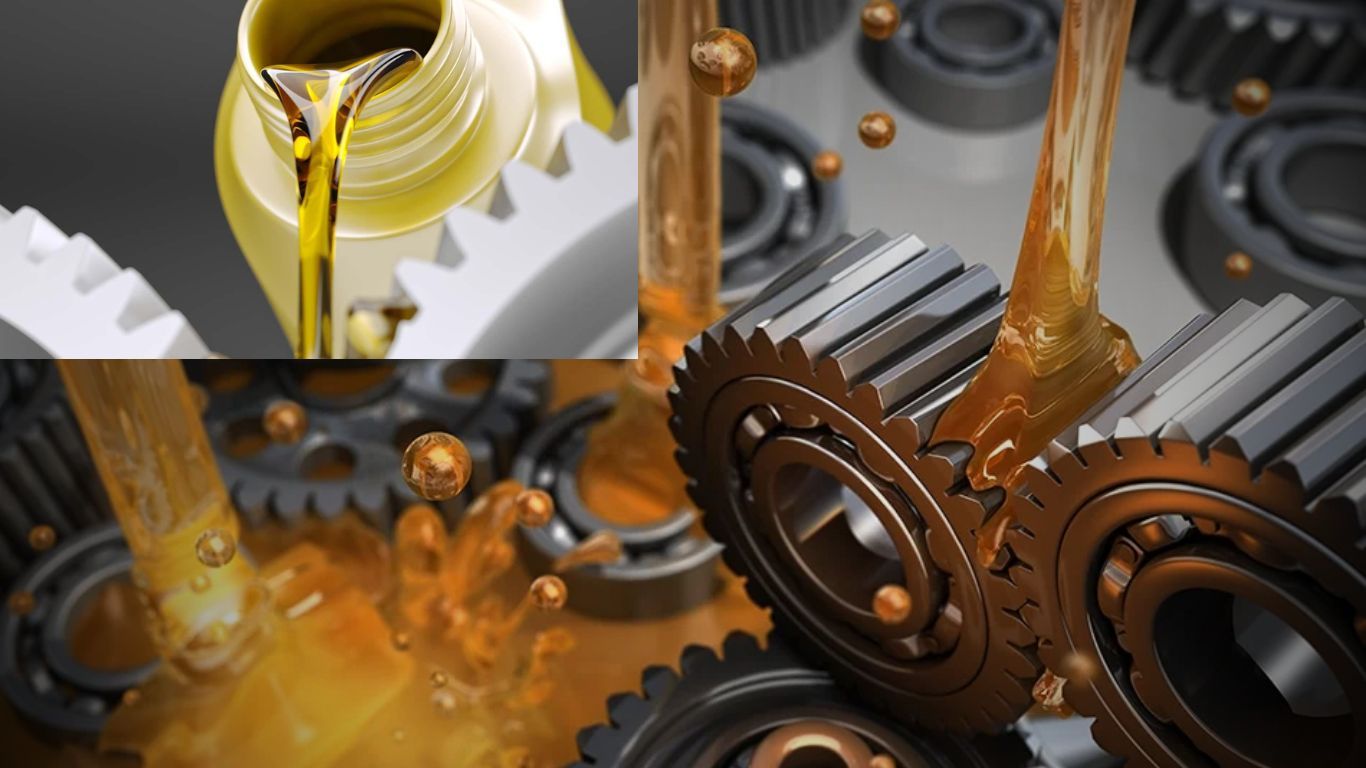
According to Kline & Co.'s 'Global Lubricants 2022: Market Analysis and Assessment' report, India's lubricant market is set to experience significant demand growth. Among the top five major lubricants-consuming countries, India stands out as the only one with a solid potential for growth, while other markets like the United States, China, Japan, and Russia are likely to witness a decline or slowdown in demand.
Consistent Growth Despite Electric Vehicles
Despite the rise of electric vehicles, India's lubricant consumption is expected to continue growing in the next decade. The emergence of electric vehicles will also create a demand for specially developed fluids known as EV fluids or e-fluids.
Strengthened Supply Chain
Milind Phadke, Vice President of Kline & Co., predicts that by the end of the decade, India's lubricant supply chain will be further bolstered with an increased domestic supply of base oils due to capacity additions by national oil companies.
Resilience Amid Challenges
Despite facing challenges posed by the COVID-19 pandemic and geopolitical issues such as the Russia-Ukraine war, India emerged as the fastest-growing major economy in the world during the financial year 2022-2023. The International Monetary Fund anticipates that India will maintain this growth momentum, with an annual growth rate of 6% over the next five years.
Growth Factors
Digital Economy and Industrialization
Factors driving the progression of India's lubricant market include the growth of the digital economy, industrialization, and urbanization. Increasing discretionary spending and investments in infrastructure development are also expected to play crucial roles.
Shift in Mobility Usage
With the majority of population growth occurring in the lower-income segment or middle class, mobility usage is undergoing a transformation with a focus on low-cost and flexible options. Two-wheelers are leading the personal mobility space due to their affordability, making motorcycle oils in high demand.
Car Ownership Aspirations
India has the potential to increase car ownership, as owning a car is seen as a status symbol. With car ownership expected to double between 2022 and 2040, consumer automotive lubricant demand is projected to grow at a CAGR of 3.5% between 2022 and 2027.
Focus on High-Value Viscosity Synthetic Products
The market value is expected to grow even higher at a CAGR of 6.0% during the same period, driven by increased consumption of high-value viscosity synthetic products. Original equipment manufacturers (OEMs) are recommending low viscosity grades, necessitating the use of fully synthetic lubricants.
B2B Segment Outlook
In the B2B segment (commercial automotive and industrial lubricants), growth is projected to be slightly lower at a CAGR of 2.7% between 2022 and 2027. However, the value in this segment is expected to grow faster at a CAGR of 6.9% than volume.
Transition in Commercial Automotive Lubricants
The commercial automotive lubricants market will undergo a transition with increased adoption of higher-quality lubricants due to the Vehicle Scrappage Policy. The policy will lead to the scrappage of older vehicles and support the addition of new vehicles in the vehicle parc. Lower viscosity grades are also being recommended in the heavy-duty motor oil market.
Industrial Lubricants Demand Growth
In the industrial segment, increasing mining projects, cement manufacturing plants, power plants, and steel plants will drive demand for industrial lubricants. Foreign and government investments in the domestic manufacturing sector through programs like 'Make in India' and 'Invest India' will further support growth in industrial lubricants demand.
Moreover, the global shift toward electric vehicles could potentially position India as an export hub for select lubricants.
Megatrends Shaping India's Industrial Lubricant Demand
Three key interconnected megatrends - digitalization, servitization, and sustainability - will shape the growth of India's industrial lubricant demand. Digitalization, which includes smart manufacturing and robotics, along with increased servitization (lubrication-as-a-service/equipment-as-a-service), can lead to efficiency gains and make the industrial sector more sustainable.
Conclusion
India's lubricant market is a bright spot amidst the global slowdown in demand. With a forecasted significant growth potential, particularly in the automotive and industrial sectors, India is poised to continue its upward trajectory.
The embrace of digitalization and sustainability, along with the country's strong aspiration for car ownership and increased industrialization, will play key roles in shaping the future of India's lubricants market.


You May Like





Latest Lubricant Videos


Other Lubricant News
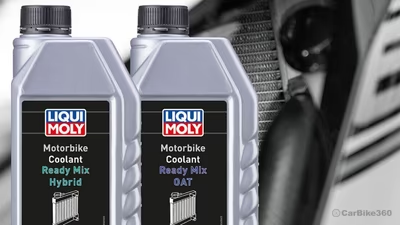
LIQUI MOLY introduces hybrid and OAT ready mix motorcycle coolants globally
Tata Motors and HPCL Pilot used lubricant recycling initiative in India

Petrol prices rise again in Delhi and Mumbai amid global supply disruptions

BIS introduces standards for high ethanol-blended petrol amid rising energy concerns
Listen to Lubricant Audios