ELECTRIC
Mercedes-Benz Balances Large Screens and Physical Controls in New C-Class EV
 Add CarBike360 on Google
Mercedes-Benz will continue using large digital screens in new models like the C-Class EV while reintroducing physical buttons for key functions, responding to customer feedback and balancing technology with usability.

Apr 29, 2026 08:43 am IST
Published On
Apr 29, 2026 08:00 am IST
Last Updated On
Apr 29, 2026 08:43 am IST

Mercedes-Benz will continue to use large digital screens in its vehicles while reintroducing physical buttons for key functions. Mathias Geisen, head of Sales and Customer Experience, confirmed this approach in an interview with Autocar UK. He stated that customer feedback from research clinics showed a clear preference for both large screens and hard controls for specific features.
Key Highlights
- Mercedes-Benz retains large screens and adds physical buttons in new C-Class EV
- GLC EV and C-Class EV feature a 39.1 inch Hyperscreen across the dashboard
- Physical roller controls replace haptic pads on steering wheels in latest models
- Future Mercedes models will balance digital displays with more hard keys for key functions
Customer Preferences Shape Interior Design
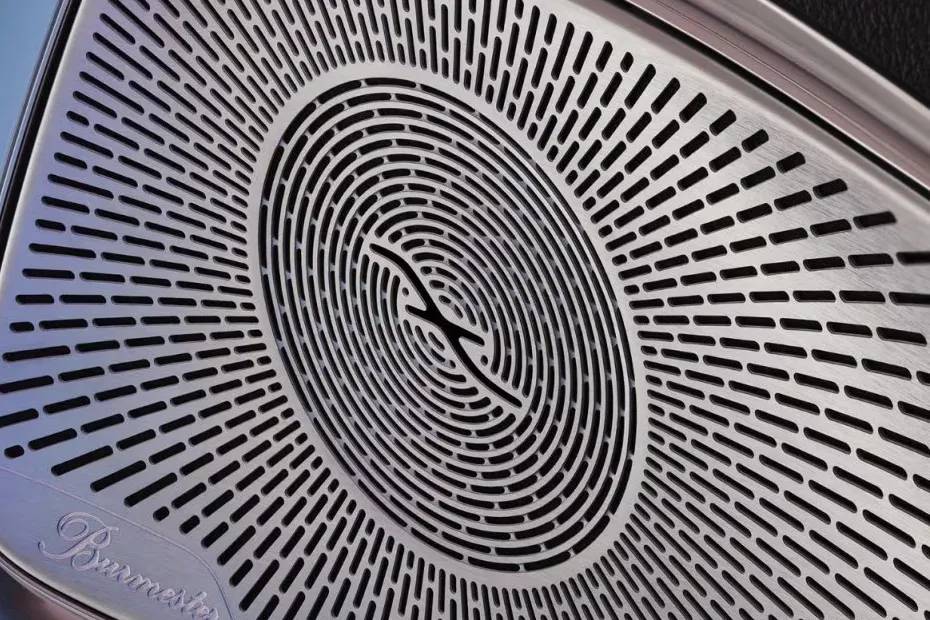
Geisen explained that Mercedes-Benz aims to blend premium materials with advanced digital experiences. The new C-Class EV features a seamless, high-resolution screen about one metre wide. This display allows owners to personalize the interior with wallpapers and images, offering customization on both hardware and software levels.
While some competitors like Audi are reducing screen sizes and bringing back more buttons due to customer resistance to touch-only controls, Mercedes-Benz continues to use expansive displays. The GLC EV and C-Class EV both include a 39.1-inch Hyperscreen. This system combines the digital driver's display, central touchscreen, and passenger touchscreen into one unit across the dashboard.
Physical Controls Remain Important
Both the GLC and C-Class EVs now feature physical, roller-type controls on the steering wheel instead of haptic touchpads. Geisen noted that feedback from customers led to this change. He said, "Customers told us two years ago, 'guys, nice idea, but it just does not work for us', so we changed that and made it more analogue."
Mercedes-Benz plans to maintain this balance in future models. Geisen emphasized the importance of screens for connectivity but acknowledged the need for direct access through hard keys. He stated that upcoming vehicles will include more physical buttons for functions that customers want to control quickly and easily.
Industry Trends and Future Direction
Other carmakers are adjusting their interior designs in response to customer feedback. Audi, for example, is reducing screen sizes and increasing the number of physical controls. Mercedes-Benz, however, remains committed to offering both advanced digital interfaces and tactile controls in its premium vehicles.
This strategy reflects the brand's focus on combining luxury materials, advanced technology, and user-friendly interfaces. The approach aims to enhance the driving experience while meeting the evolving preferences of customers.


You May Like




Find your perfect car

Budget

Brand

Body Type

Fuel

Mileage

More
Latest Car Videos


Top Auto News of the Week | Hyundai i20 Leak, Honda ZR-V, Tata Sierra EV, Skoda EV & More!

Talking about new Honda City and upcoming ZR-V SUV with Honda India’s Kunal Bahl!
2026 Honda City Launched in India - Better than VW Virtus, Hyundai Verna & Skoda Slavia?

Weekly Auto & EV Wrap-Up: Luxury Launches, AI Tech & Big Industry Updates!
Other Car News
Listen to Car Audios