

 ELECTRIC
Mumbai Pune missing link bypass reduces travel time and fuel consumption for trucks
 Add CarBike360 on Google
The new Mumbai-Pune Missing Link Bypass streamlines truck movement, cuts congestion, and delivers faster, more fuel-efficient freight transit between the two cities.

By Utsav Chaudhary
Jun 06, 2026 12:24 pm IST
Published On
Jun 06, 2026 07:00 am IST
Last Updated On
Jun 06, 2026 12:24 pm IST
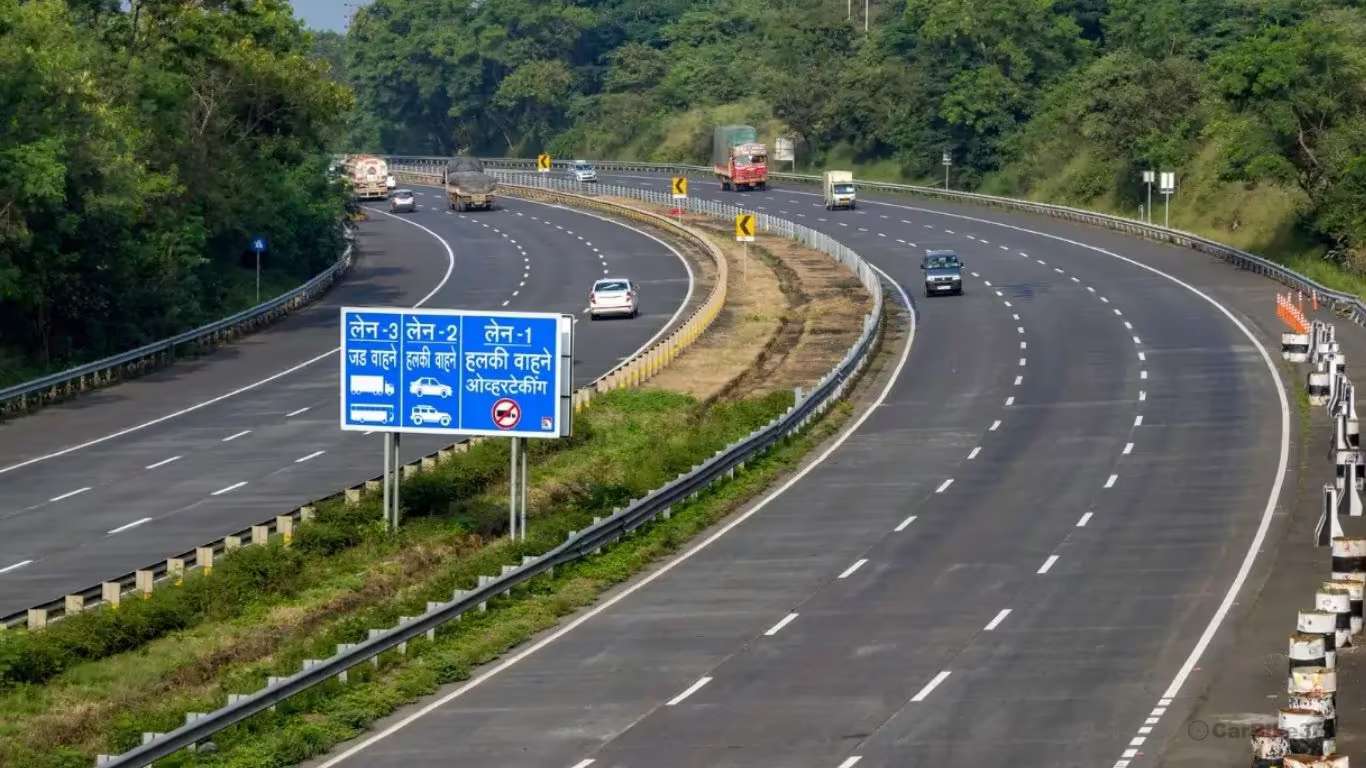
Trucks using the old Khandala Ghat are saving significant fuel and time as cars and buses shift to the new Mumbai-Pune Missing Link bypass. This change has reduced congestion for heavy vehicles, allowing them to maintain momentum and avoid frequent stops on the steep climb.
Key Highlights
- Mumbai-Pune Missing Link bypass reduces congestion for trucks on Khandala Ghat
- Commercial vehicles could save 2.7 crore litres of fuel and Rs 272 crore annually
- Estimated annual carbon dioxide reduction is 64905 tonnes
- Medium trucks saw 18 percent speed gain and 17 percent fuel savings after bypass opening
- Safety incidents and driver fatigue indicators have decreased since the bypass opened
According to Pune-based fleet analytics firm Intangles, commercial vehicles on the Mumbai-Pune corridor could save about 2.7 crore litres of fuel annually, valued at around Rs 272 crore. This shift could also prevent 64,905 tonnes of carbon dioxide emissions each year. The analysis, released on Friday, highlights the economic and environmental impact of the new bypass.
Impact of the Missing Link Bypass
The Missing Link, a 13.3 km, eight-lane road built by the Maharashtra State Road Development Corporation, opened on 1 May. It bypasses the steep Bhor Ghat near Khandala, reducing the Mumbai-Pune distance by about 6 km and cutting travel time by 25 to 30 minutes. For now, only cars and passenger buses can use the bypass. Trucks, trailers, and hazardous-cargo carriers must continue on the older 19.8 km ghat section. Authorities plan to review access for goods vehicles after the monsoon.
Intangles tracked 1,849 commercial vehicles over more than 2,200 trips, comparing data from five days before the bypass opened to two weeks after. Medium commercial trucks saw an 18 percent increase in speed, a 19 percent reduction in travel time, and a 17 percent drop in fuel use. Three-axle vehicles recorded the largest travel time reduction at 20 percent, while buses achieved the highest fuel savings at 24 percent per trip. Multi-axle trucks improved across all measures.
Operational and Environmental Benefits
The improvements for trucks are indirect, as heavy goods vehicles remain on the old ghat. However, with cars and buses diverted, the road is less congested. Indian trucks, which are less powerful under BS6 norms than those in foreign markets, often lose momentum when cars cut across their path. This forces them into first gear, increasing fuel consumption. With fewer interruptions, trucks can maintain speed and use less fuel.
Hariharan Ravishankar, chief AI scientist at Intangles, explained that vehicles most affected by steep gradients benefit the most when congestion eases. The study's findings align with physical expectations for heavy vehicles on such routes.
Fleet operators now have the opportunity to fit nearly one extra Pune-to-Mumbai trip into existing duty hours. Intangles estimates each additional trip is about 250 kilometers, which is significant in a market where trucks average 250 kilometers per day. In developed economies, trucks often travel 500 to 600 kilometers daily.
The benefits extend to the wider freight industry. Safety-related incidents, such as hard braking and harsh acceleration, have decreased. The practice of coasting downhill in neutral, which can be risky, has also declined. These trends suggest lower driver fatigue, though Intangles notes that more data is needed for firm conclusions on safety.
Other potential gains, such as reduced wear on tyres, gearboxes, and transmissions, require longer-term data. The after-treatment system in diesel trucks may also benefit from lighter engine loads and higher sustained speeds, improving diesel particulate filter regeneration and reducing fuel use for soot removal.
Some effects, like changes in route planning due to city entry restrictions, are not captured in the data. Drivers who save 20 to 30 minutes may adjust their schedules to avoid waiting at tolls or city limits.
Intangles collects fuel data directly from vehicle sensors, tracking flow at injection, combustion, and return points. This patented method, used in India and the United States, measures fuel use by vehicle gross weight. Speed and travel time data come from GPS and location tracking. The company manages about half a million vehicles, with 80 percent based in India.
Also Read: PB wheels launches free emergency car breakdown assistance in Delhi NCR
CarBike 360 Says
The Mumbai-Pune Missing Link Bypass marks a major leap in highway infrastructure, delivering tangible benefits for freight operators through reduced travel time and lower fuel consumption. By easing congestion and improving route efficiency, the project not only enhances logistics performance but also supports cost savings and sustainability, reinforcing its importance for India’s rapidly evolving transportation network.


You May Like


Find your perfect bike

Brand

Budget

Body Type

Fuel

Mileage

More
Latest Bike Videos





Other Bike News

TVS Motor accelerates premium retail expansion with new paddock store strategy

JNV Group appoints Sandeep Jad as CEO to lead automotive business transformation

Honda ADV160 maxi scooter India Launch timeline and key specifications revealed

TVS HLX Series crosses 5 million global sales milestone in 57 countries
Listen to Bike Audios

Vihan AI - Your Car assistant
Ask me anything about cars, prices, and comparisons.