

 ELECTRIC
Russian Government Enforces Six-Month Petrol Export Ban Starting March 1
 Add CarBike360 on Google
Russian government enforces six-month gasoline export ban from March 1, aiming to stabilize fuel prices amidst heightened demand and geopolitical tensions, impacting domestic economy and global energy dynamics.

By Gargi Khatri
Mar 01, 2024 01:19 pm IST
Published On
Mar 01, 2024 01:07 pm IST
Last Updated On
Mar 01, 2024 01:19 pm IST
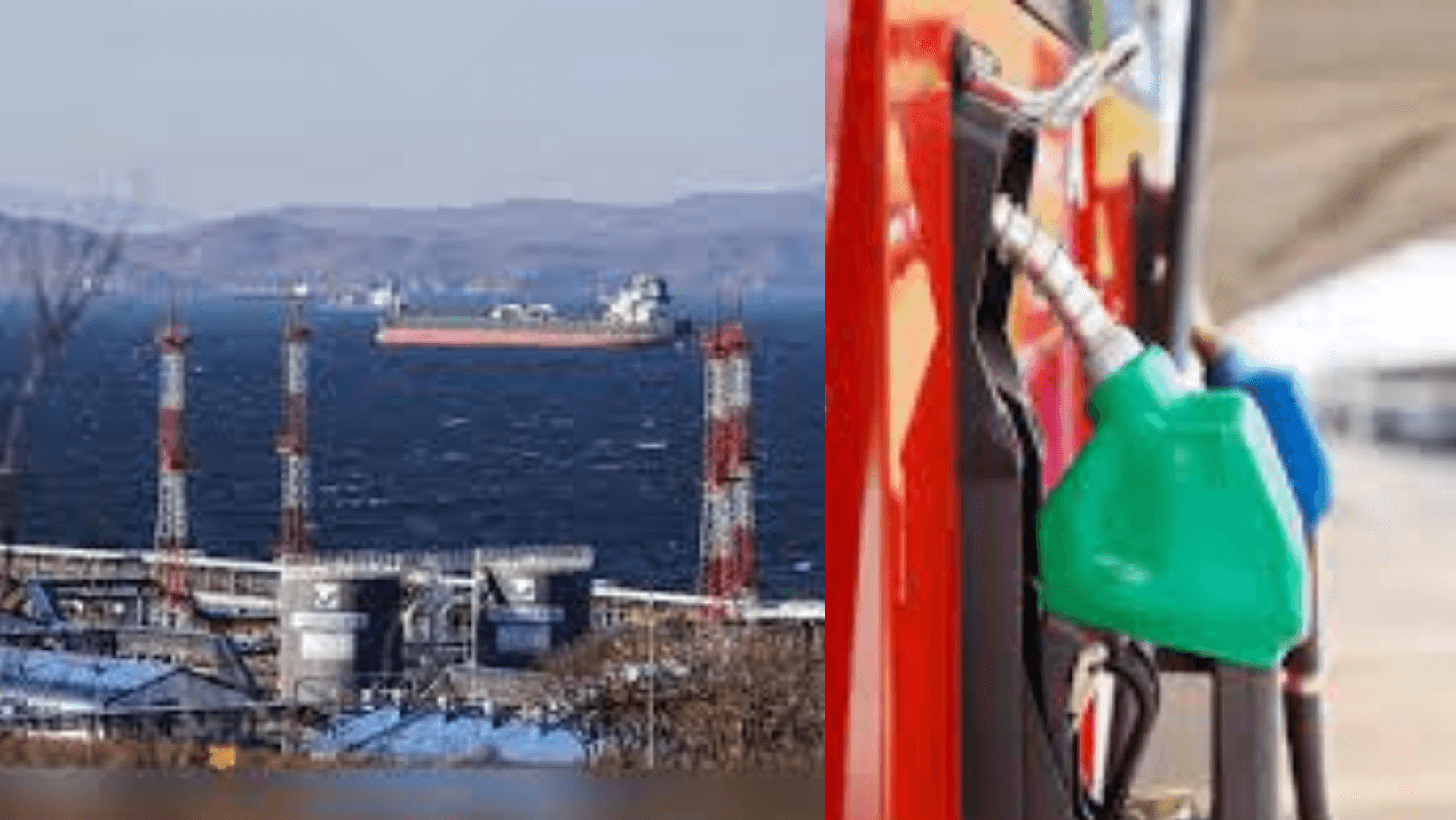
In a bid to stabilize domestic fuel prices and navigate through heightened demand, the Russian government has officially announced a six-month ban on gasoline exports effective from March 1.
Rationale Behind the Decision
This measure, confirmed by a spokeswoman for Deputy Prime Minister Alexander Novak, comes amidst a confluence of factors including seasonal agricultural activities, the holiday season, and scheduled refinery maintenance.
Government's Statement
"The decisions taken are aimed at maintaining a stable situation in the fuel market during a period of increased demand associated with spring field works, the holiday season, and scheduled repairs of refineries," mentioned the government in its official Telegram channel.
Domestic Implications
Russia, the world's second-largest oil exporter, has been grappling with challenges to its energy infrastructure, exemplified by recent Ukrainian drone attacks targeting some of its refineries. This move to curtail gasoline exports is viewed as a proactive step to mitigate potential disruptions and ensure stability, particularly in the face of ongoing geopolitical tensions with Ukraine.
Impact on Economy and Elections
Moreover, with domestic gasoline prices holding significant implications for motorists and farmers, particularly in the context of Russia being the world's largest wheat exporter, this decision assumes added significance ahead of the forthcoming presidential election scheduled for March 15-17.
Geopolitical Context
The conflict between Russia and Ukraine has escalated beyond conventional battlefields, with both sides resorting to targeting each other's energy infrastructure as a means of strategic disruption. This tactic underscores the entrenched nature of the nearly two-year-old conflict, with neither side showing signs of relenting.
Global Energy Dynamics
Exports of oil, oil products, and gas constitute the cornerstone of Russia's economic prowess, serving as a vital source of foreign currency revenue for its $1.9 trillion economy. This move to restrict gasoline exports underscores Russia's strategic imperative to safeguard its energy sector amidst ongoing geopolitical uncertainties.
Collaboration with OPEC+
Furthermore, Russia's collaboration with Saudi Arabia, the world's largest oil exporter, within the framework of the OPEC+ alliance assumes added significance. This partnership aims to uphold global oil prices, ensuring Russia's continued influence in global energy dynamics.
What is OPEC ?
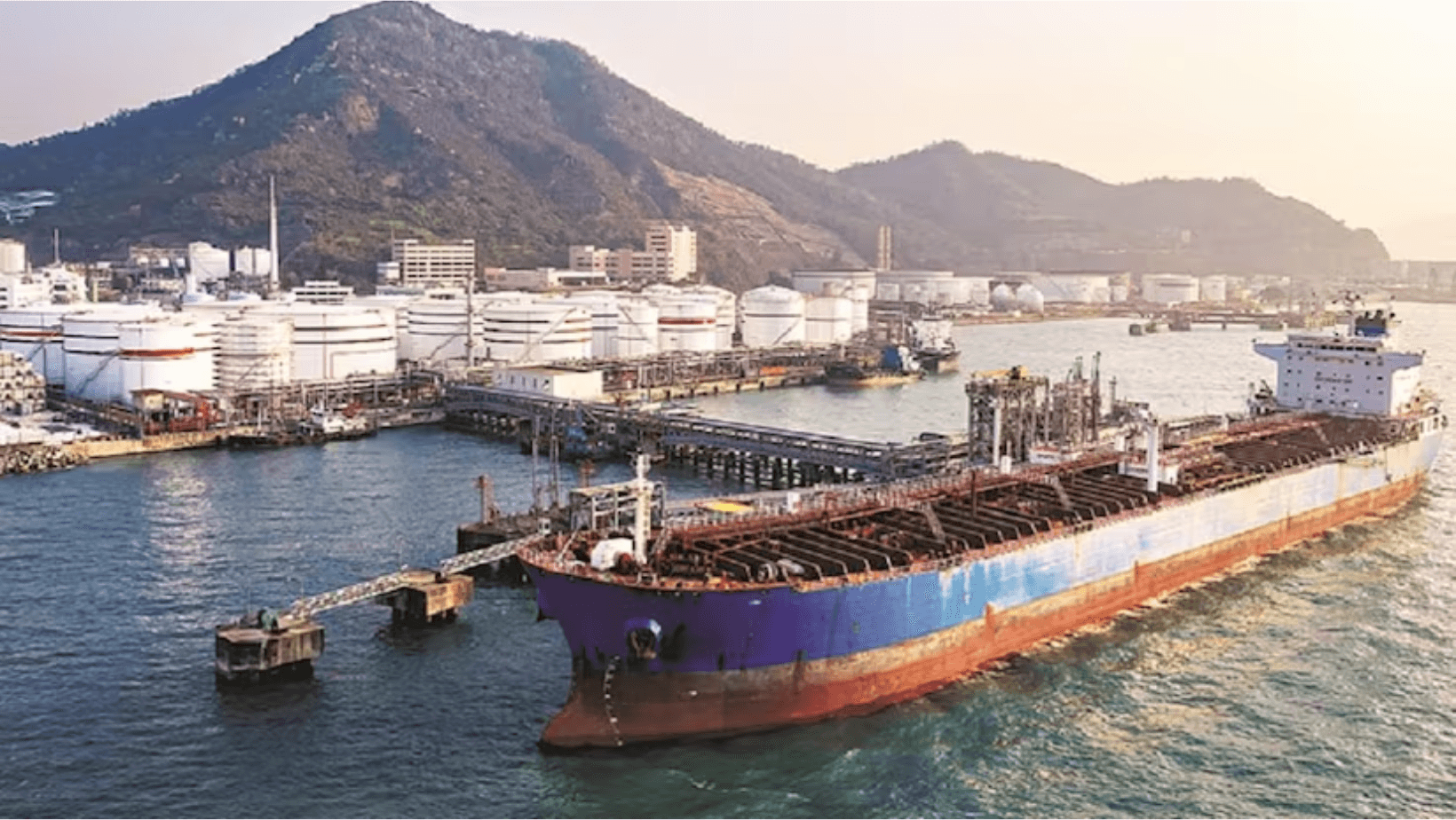
The Organization of the Petroleum Exporting Countries, commonly known as OPEC, plays a pivotal role in shaping global oil markets. Founded in 1960, OPEC aims to unify petroleum policies among its member countries to ensure stable prices, secure supplies for consuming nations, and provide returns for investors in the sector.
Functions of OPEC: OPEC undertakes several key functions to achieve its objectives:
- Oil Production Regulation: Member countries coordinate their oil production to stabilize retail markets and ensure profitability for manufacturers.
- Supply Assurance: OPEC's policies prioritize regular oil supplies to consumer nations, bolstering energy security globally.
- Market Review Meetings: Biannual meetings of energy and hydrocarbon ministries assess international market conditions, leading to strategic decisions aimed at market stability.
- Specialized Discussions: Besides regular meetings, OPEC convenes discussions among members and experts on various topics, including environmental concerns and economic strategies.
OPEC+: OPEC+ is a grouping of oil-producing nations. It is made up of OPEC members and 10 other members. Other members include South Sudan, Azerbaijan, Brunei, Kazakhstan, Bahrain, Malaysia, Mexico, Oman, Russia, and Sudan.
Commitment to Stabilize Prices
It's important to note that Russia is already voluntarily reducing its oil and fuel exports by 500,000 barrels per day in the first quarter as part of the broader OPEC+ efforts to stabilize prices. This concerted effort signifies Russia's commitment to supporting global oil markets amidst evolving geopolitical dynamics.
Impact on India
- By tracking ship movements to estimate imports, London-based commodity data analytics provider Vortexa estimates that as of December, Russia continued to be the world's top supplier of crude oil for the fifteenth consecutive month. However, because discounts have been less common, its percentage of India's oil imports has dropped recently.
- Russian crude's proportion in India's imports decreased to 25% in January from 31% in December and 33% in October. Compared to the historical high of 42% in the middle of 2023, this is substantially lower.
- Russia's exports to India decreased by 9% to 1.2 million barrels per day (bpd) in December from 1.55 million bpd in October and 1.62 million bpd in September.
CarBike360 Says
In conclusion, the Russian government's decision to impose a six-month ban on gasoline exports underscores its proactive approach to maintain stability in the fuel market amidst heightened demand and geopolitical uncertainties. This move not only reflects the intricacies of Russia's energy policy but also its broader geopolitical ambitions on the global stage.


You May Like


Find your perfect car

Budget

Brand

Body Type

Fuel

Mileage

More
Latest Car Videos





Other Car News

LTM to Acquire Randstad’s Tech and Consulting Services in Europe and Australia

Mercedes-Benz S-Class facelift 2026 set for India launch on June 15

Audi RS 5 Hybrid Sedan Confirmed for India with 639hp and Advanced Features

Honda digital innovation India and T-Hub launch startup mobility programme to drive future innovation
Listen to Car Audios


Vihan AI - Your Car assistant
Ask me anything about cars, prices, and comparisons.