

 ELECTRIC
SIAM Reviews Revised CAFE Norms Amid Industry-Government Deliberations on Emissions Targets
 Add CarBike360 on Google
The Society of Indian Automobile Manufacturers (SIAM) is reviewing the revised Corporate Average Fuel Efficiency (CAFE) norms while continuing talks with government bodies to achieve a balanced roadmap.

By Utsav Chaudhary
Apr 14, 2026 10:44 am IST
Published On
Apr 14, 2026 10:02 am IST
Last Updated On
Apr 14, 2026 10:44 am IST
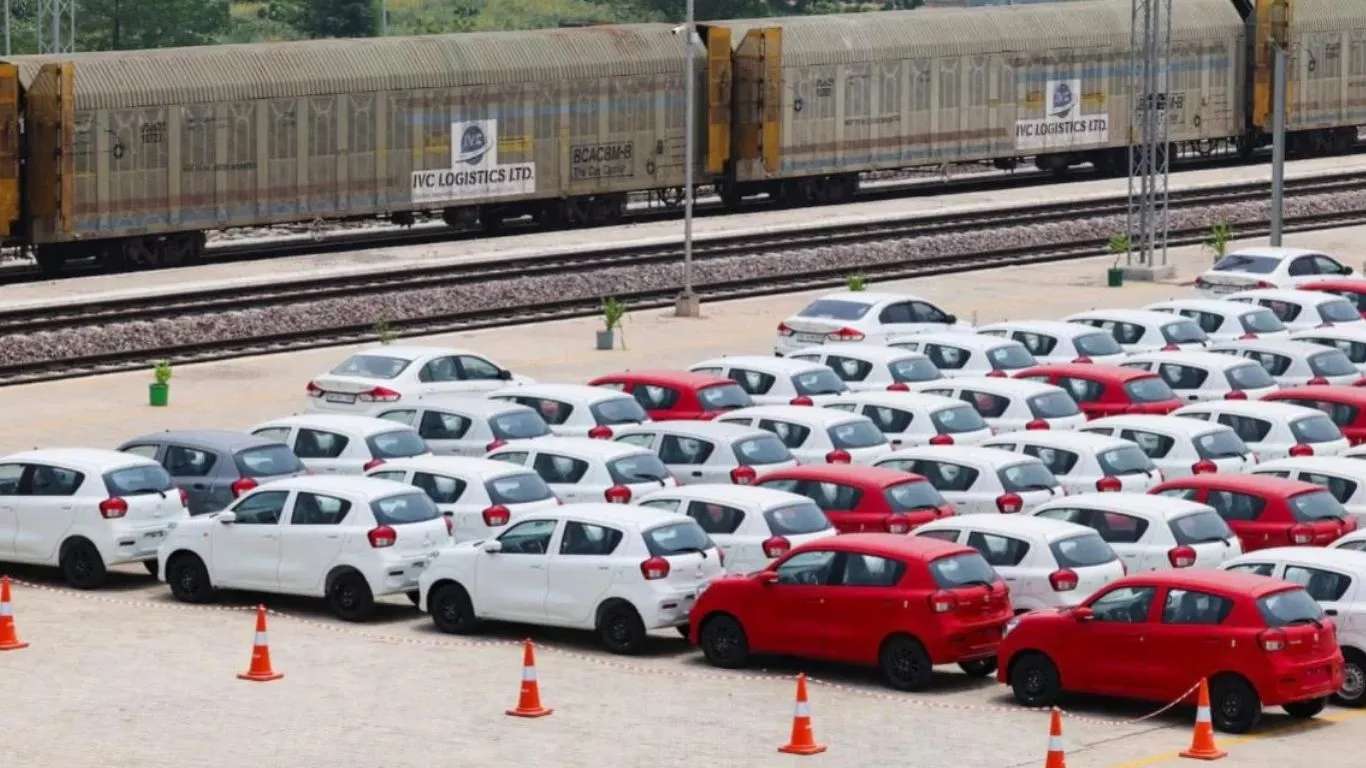
India's automobile industry is reviewing a revised draft of the Corporate Average Fuel Efficiency (CAFE) norms. The Society of Indian Automobile Manufacturers (SIAM) has stated it will present its position after internal consultations. Ongoing discussions between the industry and the government continue as both sides work towards the next phase of fuel efficiency regulations.
Key Highlights
- SIAM is reviewing a revised draft of CAFE fuel efficiency norms
- Industry feedback will follow internal consultations in the coming days
- Automakers face stricter emission norms and electrification strategies
- SIAM calls for gradual regulatory changes aligned with market readiness
- Final CAFE norms will shape India's automotive sector transition
Industry Response to Revised CAFE Draft
Shailesh Chandra, President of SIAM, confirmed that the industry body is examining the new draft. He said SIAM will hold a meeting within the next one or two days to finalize its feedback. Chandra declined to comment on the draft's contents or the industry's stance before the consultation process concludes. SIAM's formal response is expected soon.
The revised draft represents another step in India's evolving fuel efficiency standards. Policymakers and automakers are working together to tighten regulations in line with national emissions and energy targets. The draft is part of ongoing consultations aimed at shaping the next phase of CAFE norms.
Context and Industry Challenges
Automakers in India face several transitions, including stricter emission norms, electrification strategies, and cost pressures. SIAM has emphasized the need for regulatory changes to be implemented gradually. The organization believes that new rules should match market readiness, infrastructure development, and consumer affordability.
In the context of electric mobility, Chandra stated that the industry supports creating an enabling ecosystem. He said incentives and infrastructure support are preferred over mandates to encourage electric vehicle adoption. Clarity on timelines and regulatory pathways remains important for automakers as they adjust product portfolios, technology investments, and compliance strategies.
Ongoing Consultations and Next Steps
Industry stakeholders are expected to deliberate internally before presenting a unified view to the government. The industry will engage closely with policymakers as discussions on the revised draft continue. Final norms are likely to influence the future direction of India's automotive sector.
SIAM's current comments relate only to the revised draft under review. The industry has not yet disclosed its official position or any specific provisions being considered. The outcome of these consultations will play a key role in shaping the next phase of India's automotive transition.
Also Read: India confirms 2027 deadline for stricter CAFE-III fuel efficiency standards
CarBike 360 Says
As the dialogue between SIAM and government authorities continues, the outcome of the revised CAFE norms will significantly shape India’s automotive future. Striking a balance between sustainability and industry feasibility remains crucial. A collaborative approach could pave the way for cleaner mobility, encouraging innovation while ensuring manufacturers meet practical emission and efficiency objectives.


You May Like


Find your perfect bike

Brand

Budget

Body Type

Fuel

Mileage

More
Latest Bike Videos





Other Bike News

Listen to Bike Audios


Vihan AI - Your Car assistant
Ask me anything about cars, prices, and comparisons.