ELECTRIC
Union Budget 2026-27: Key Impacts on India's Auto Sector and Consumers
 Add CarBike360 on Google
Union Budget 2026-27 boosts India's auto sector with EV battery duty exemptions, cheaper CNG via biogas relief, MSME funding, and better logistics.

Feb 02, 2026 06:49 am IST
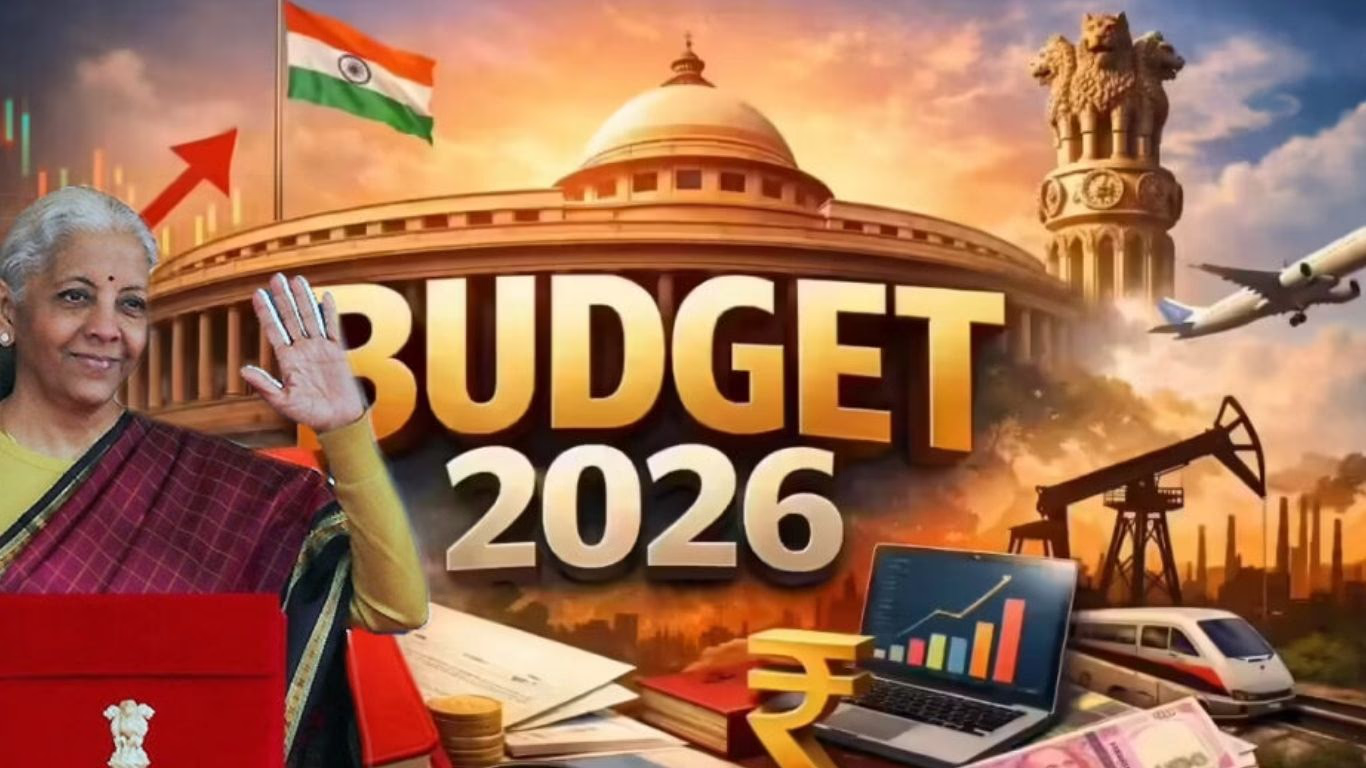
Key Highlights
- Duty exemptions on EV battery & critical mineral equipment to cut costs and make EVs cheaper.
- Full excise relief on biogas-blended CNG for slightly lower fuel prices.
- ₹10,000 cr MSME fund, semiconductor boost & new freight corridors for stronger supply chains.
India's Union Budget 2026-27, presented by Finance Minister Nirmala Sitharaman on February 1, 2026, emphasizes long-term growth through manufacturing, infrastructure, and sustainability.
While it skips major direct incentives for car buyers or manufacturers building on last year's GST cuts that lowered taxes on most passenger vehicles it offers indirect advantages for the automobile industry. These include cost reductions for electric vehicles (EVs), support for small businesses, and improved logistics, which could make cars more affordable and boost sector efficiency. With capital expenditure rising 9% to ₹12.2 lakh crore, the budget aims to drive economic activity, creating demand for vehicles and parts. Industry leaders, from BMW to Hyundai, have welcomed the focus on EV ecosystems, semiconductors, and MSMEs, noting it enhances India's global competitiveness in mobility.
For consumers, this means potential savings on fuel and vehicle prices over time, especially for eco-friendly options like EVs and CNG models. The Production Linked Incentive (PLI) scheme for autos has been doubled to ₹5,940 crore, encouraging local production and job creation. Overall, the budget signals stability and innovation, helping the auto sector navigate challenges like raw material costs and global trade shifts.
Read More: Tata Motors Registered Total Sales of 71,066 Units in January 2026
EV and Clean Fuel Benefits for Buyers and Makers
A standout feature is the push for electric mobility, with customs duty exemptions extended on lithium-ion cells and capital goods for battery production until March 2028. This policy continuity reduces manufacturing costs, making EVs cheaper to produce and buy. By promoting local battery factories, it cuts import reliance, stabilizes supplies, and could lead to better warranties and service for owners.
Additionally, exemptions on equipment for processing critical minerals like lithium and cobalt will build resilient supply chains, shielding the industry from global price swings. For consumers, this translates to more affordable electric cars, scooters, and buses in the coming years.
On the fuel side, full excise duty relief on biogas-blended CNG removes taxes on the green component, potentially dropping retail prices by ₹2-3 per kg. With CNG's current excise at 14%, this small but meaningful cut could ease running costs for CNG vehicle users, promoting cleaner alternatives amid rising petrol and diesel prices.
Read More: Key Highlights: Union Budget 2026 for Auto & EV Sector
Empowering MSMEs, Semiconductors, and Logistics

The budget strengthens auto supply chains through a ₹10,000 crore SME Growth Fund, offering long-term capital for component makers to upgrade tech and expand. Enhanced liquidity via the Trade Receivables Discounting System (TReDS), which has already handled over ₹7 lakh crore, helps small firms manage payments from big automakers.
Semiconductor Mission 2.0 expands to include equipment, materials, and IP development, with the Electronics Components Scheme's allocation hiked to ₹40,000 crore. This bolsters chip supplies for modern vehicles, reducing shortages and supporting advanced features.
Infrastructure gets a boost with new dedicated freight corridors (like Dankuni-Surat) and 20 national waterways, aiming to cut logistics costs and shift freight to sustainable modes. Rare earth corridors in Odisha, Kerala, Andhra Pradesh, and Tamil Nadu will secure minerals for EV batteries, countering disruptions from global suppliers like China.
In summary, while not flashy, these measures foster a robust auto ecosystem, benefiting consumers with lower costs and greener options. The industry anticipates steady growth, with ICRA noting stable demand ahead.


You May Like



Find your perfect car

Budget

Brand

Body Type

Fuel

Mileage

More
Latest Car Videos


Top Auto News of the Week: Tata Sierra EV, BMW X6, E85 Fuel & More - Weekly Wrap

Top Auto News of the Week | Hyundai i20 Leak, Honda ZR-V, Tata Sierra EV, Skoda EV & More!

Talking about new Honda City and upcoming ZR-V SUV with Honda India’s Kunal Bahl!
2026 Honda City Launched in India - Better than VW Virtus, Hyundai Verna & Skoda Slavia?
Other Car News
Listen to Car Audios