ELECTRIC
Maruti, Tata Motors, Hyundai India: Is the Rise in Small Car Demand After GST Cuts Sustainable?
 Add CarBike360 on Google
GST cuts spark a small-car boom in India in 2025: Maruti, Tata, Hyundai sales surge, but is it sustainable in the long term?

Feb 03, 2026 05:26 am IST

In the bustling streets of India, where affordability meets aspiration, the automotive sector has witnessed a dramatic shift. The recent GST cuts implemented in September 2025 have slashed taxes on small cars from 28% to 18%, sparking a surge in demand for entry-level vehicles. Brands such as Maruti Suzuki, Tata Motors, and Hyundai Motor India have reported impressive sales increases, particularly in hatchbacks and compact sedans. But is this revival a long-term trend or just a temporary blip?
Key Highlights:
GST cut (28% → 18%) → small car prices down 10–13% → 20% sales jump in Q4 2025.
Maruti, Tata & Hyundai saw big festive gains, but SUVs still lead the market.
CEAT MD: “Too early to say” small car boom may not last; SUV trend continues.
Understanding the GST Cuts: A Game-Changer for Small Cars
The Goods and Services Tax (GST) reforms, often referred to as GST 2.0, were introduced by the Indian government in September 2025 to stimulate consumer spending amid concerns about an economic slowdown. Specifically, for small cars under 4 meters in length with engines below 1200cc for petrol and 1500cc for diesel, the tax rate dropped from 28% to 18%. This overhaul translated to significant price reductions. For instance, a typical small car priced at ₹5 lakh ex-showroom saw its on-road cost drop by 10-13%, making monthly EMIs more manageable, often by ₹3,000-₹5,000.
Read More: Car Maintenance Tips
The Surge in Small Car Demand: Numbers Tell the Story

Post-GST cuts, India’s small car market exploded. Hatchback sales rebounded with a 20% sequential increase in the final quarter of 2025, driven by models like the Maruti Alto, Tata Tiago, and Hyundai Grand i10 Nios. Overall passenger vehicle (PV) wholesales hit 4.49 million units in 2025, a 5% jump from 2024, per SIAM data.
The festive season amplified this momentum. Navratri 2025 saw record-breaking sales: Tata Motors moved 10,000 units on day one alone, while Maruti Suzuki and Hyundai reported 30,000 and 11,000 units, respectively. By December, car sales jumped amid wedding demand and Republic Day promotions, with small cars leading the charge. A 30% surge in small-car sales reshaped the auto landscape, with affordability drawing in rural and urban middle-class buyers.
But here’s the engaging twist: Imagine saving enough on your car purchase to fund a family vacation. That’s the allure drawing crowds, but will it last beyond the initial excitement?
Read More: Union Budget 2026 for Auto & EV Sector
Spotlight on Key Players: How Maruti, Tata, and Hyundai Are Riding the Wave
Maruti Suzuki: The Small Car Kingpin’s Revival
Maruti Suzuki, India’s largest carmaker, has been the biggest beneficiary. Small cars’ share in its total sales climbed to over 25% during the festive period, up from 16.6% pre-cuts. Models like the Alto and Swift saw a 50% sales jump in December 2025.
Tata Motors: Punching Above with Compact Offerings
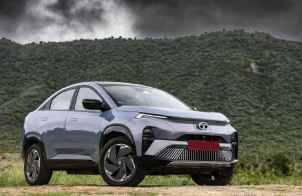
Tata Motors, known for its value-driven lineup, reported a strong uptick. The Tiago and Altroz hatchbacks contributed to a 20% sales rise in Q4 2025. Price cuts of up to ₹1.2 lakh post-GST helped, with the company selling 10,000 PVs on Navratri’s first day. Tata’s focus on safety and affordability resonates with price-sensitive buyers, but analysts note that without ongoing discounts, demand could taper.
Hyundai Motor India: Balancing Small Cars with SUVs
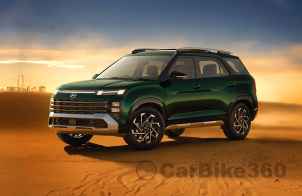
Hyundai saw a 24.4% Q4 growth in hatchbacks like the i20, thanks to GST-led affordability. The company slashed prices by up to ₹1.24 lakh, leading to 11,000 units sold on Navratri day one. However, COO Tarun Garg pointed out that SUVs still dominate gains from GST revisions, with small car sales under pressure long-term. Hyundai’s strategy? Diversify while capitalizing on the current small car buzz.
These companies’ stories show how GST cuts have democratized car ownership, but the road ahead depends on consumer trends.
Factors Determining Sustainability: Pros, Cons, and Predictions

Pros: What Could Make the Rise Last?
Affordability remains king. With EMIs down and rural incomes improving, small cars appeal to first-time buyers. Festive and wedding seasons, plus better supply chains, could sustain momentum into 2026. Experts like those from Nomura predict continued growth if discounts persist.
Cons: Challenges on the Horizon
SUV preferences aren’t fading; consumers crave space, features, and status. Price-sensitive buyers might retreat if automakers reverse discounts post-festive period. EV adoption could rebound, as GST cuts on ICE cars temporarily slowed electric sales. Urban congestion and rising fuel costs add hurdles.
Analysts warn the boom may not extend beyond January 2026, with small car growth minimal at 3% despite cuts. Broader economic factors, like inflation, will play a pivotal role.
Read More: Upcoming Car Launches in February 2026
Expert Opinions and Market Outlook
Industry voices echo Banerjee’s prudence. Nomura notes SUV share increased post-cuts, led by compact models. Kotak Securities suggests Maruti could strengthen its position if demand holds, but investors should monitor trends. Overall, the auto sector is in “fastlane” mode, with 10% YoY PV growth, but sustainability hinges on consumer sentiment.
What Car Bike 360 says
The GST cuts have undeniably revived small car demand for Maruti, Tata Motors, and Hyundai, making vehicles more accessible and boosting sales. Yet, as CEAT’s Arnab Banerjee wisely notes, it’s premature to declare victory in the SUV trend and economic variables loom large. For buyers, this is a golden window; for the industry, it’s a test of adaptability. Will small cars reclaim their throne, or will SUVs continue to rule? Only time and perhaps the next quarter’s data will tell. Stay tuned to India’s auto evolution; your next drive might just depend on it.


You May Like


Find your perfect car

Budget

Brand

Body Type

Fuel

Mileage

More
Latest Car Videos





Other Car Articles


Listen to Car Audios