ELECTRIC CARS
Maruti Suzuki Cars
Maruti Suzuki currently offers 19 car models in India, catering to diverse customer needs. The lineup includes 2 Sedans, 4 MUVs, 6 Hatchbacks, along with 4 electric cars for buyers looking to switch to cleaner mobility.
About Maruti Suzuki India — Market Share, History & Sales Network
Maruti Suzuki has held the crown as India's largest automobile manufacturer for several decades running, and the numbers speak for themselves. Roughly one in every four passenger cars sold in the country every month carries a Maruti Suzuki badge — a dominance that no other automaker has come close to challenging. The brand currently retails 21 models across the Indian market, each built around the core values that have made Maruti a household name: accessible pricing, dependable engineering, and outstanding fuel efficiency.
Maruti Suzuki Sales & Market Share (FY23–FY25)
Maruti Suzuki consistently grew from ~2.0 million to 2.23 million units in FY25, reflecting steady demand expansion.
Financial Year | Total Sales (Units) | Market Share |
FY2023 | 2.0 million | ~ 41.3% |
FY2024 | 2.13 million | ~ 42.7% |
FY2025 | 2.23 million | ~ 40.9% |
Unmatched Sales Network and After-Sales Support
A significant pillar of Maruti Suzuki's enduring popularity is the sheer scale of its sales and service infrastructure. The company operates 4,564 customer touchpoints spanning 2,304 cities across India — making it the most widely accessible car brand in the country. This extensive network also ensures that spare parts are readily available and affordably priced, reducing both the cost and inconvenience of ownership over the long run.
Maruti Suzuki retails its vehicles through two distinct dealership formats. Maruti Arena serves as the primary channel for its mass-market, value-oriented models, while Maruti Nexa caters to buyers seeking a more premium showroom experience and upscale product offerings. This dual-channel strategy allows the brand to address a wide spectrum of buyers without diluting either identity.
Maruti Suzuki India Limited began its journey in 1981 with the aim of providing affordable mobility to Indian consumers. A landmark partnership with Suzuki Motor Corporation in 1982 introduced modern technology and efficient production systems to the country’s automotive sector. The launch of the legendary Maruti 800 in 1983 transformed the Indian car market, making personal transportation accessible to millions.
Over the years, Maruti Suzuki India has grown into the nation’s leading passenger vehicle manufacturer, offering a diverse lineup of fuel-efficient hatchbacks, sedans, and SUVs.
Maruti Suzuki Engine Options: Petrol, CNG, Hybrid & Electric
Maruti Suzuki offers four distinct powertrain choices across its 2026 lineup in India — petrol, factory-fitted S-CNG, strong hybrid, and fully electric — giving buyers a fuel option for virtually every budget and driving pattern.
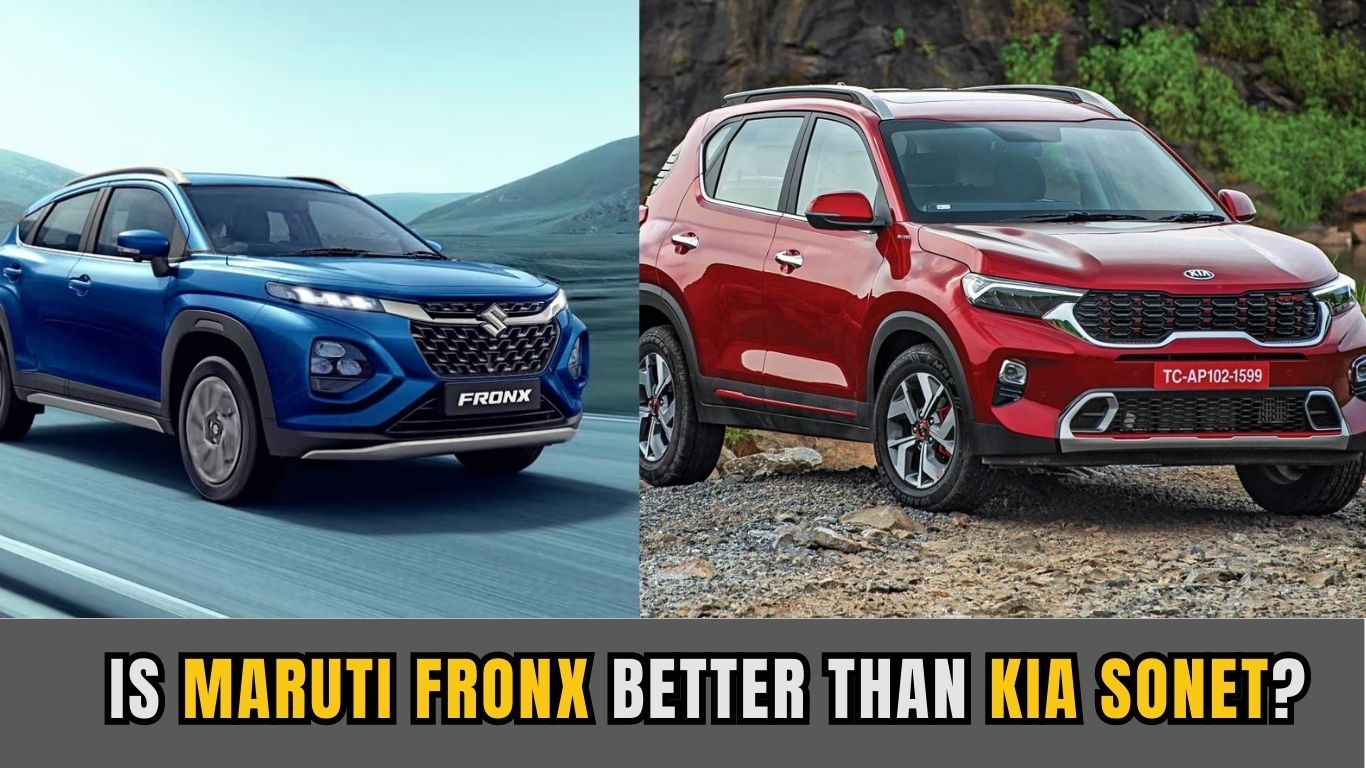
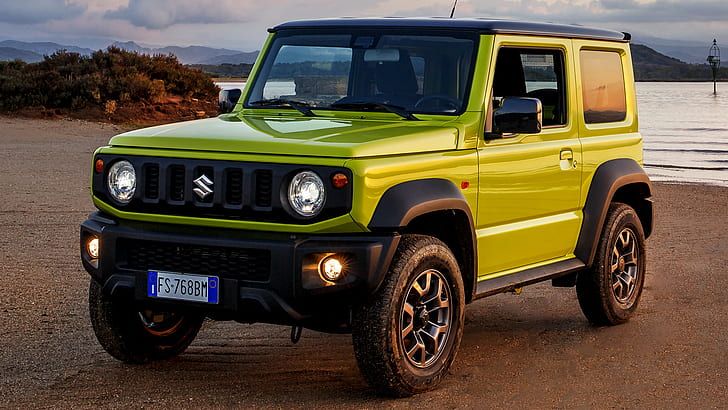
Petrol engines form the backbone of the range and are available in four displacement options. The 1.0-litre DualJet unit powers entry-level models such as the Alto K10, S-Presso, Celerio, and WagonR. A 1.2-litre Z-series engine — available in both 3-cylinder and 4-cylinder layouts — drives the Swift, Dzire, and Fronx, delivering up to 24.80 kmpl. For larger models like the Brezza, Ertiga, Grand Vitara, Victoris, and Jimny, Maruti offers a 1.5-litre K15C mild-hybrid petrol engine that produces 103 bhp and 139 Nm. Performance-oriented buyers can opt for a 1.0-litre BoosterJet turbo-petrol in the Fronx, the only turbocharged engine in Maruti's current range. Every petrol engine in the lineup is fully RDE (Real Driving Emissions) compliant and meets BS6 Phase II emission norms. Maruti no longer offers diesel engines in any of its models.
S-CNG (factory-fitted CNG) is available across 14 models — the widest CNG range of any manufacturer in India. These are not aftermarket conversions; each S-CNG car is engineered at the factory with dual interdependent ECUs, stainless-steel pipes, an integrated wiring harness, and re-tuned suspension calibrated for the additional cylinder weight. Mileage figures are segment-leading: the Celerio CNG delivers 35.60 km/kg, the WagonR CNG returns 34.05 km/kg, and the Dzire CNG achieves 33.73 km/kg. The Victoris introduced a category-first underbody CNG tank, which preserves full boot space — a solution now likely to be extended to other models. Running costs on CNG work out to roughly ₹1.0–1.5 per km, compared to ₹3.5–5.0 per km on petrol, making it the most economical fuel choice for high-mileage city commuters.
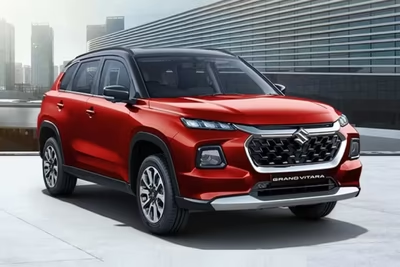
Strong hybrid technology is currently offered on two models — the Grand Vitara and the Victoris — through a Toyota-derived 1.5-litre Atkinson-cycle petrol engine paired with an electric motor and e-CVT automatic transmission. This self-charging system does not require plug-in charging; the battery regenerates through braking and deceleration. The Victoris strong hybrid delivers a class-leading 28.65 kmpl (ARAI certified), while the Grand Vitara strong hybrid returns 27.97 kmpl. Both models can run in pure EV mode for short distances at low speeds, operating in near-silent electric drive during city traffic. Maruti is also developing an in-house affordable hybrid system based on a 1.2-litre 3-cylinder engine, expected to debut on the Fronx facelift in late 2026 and eventually trickle down to mass-market models like the Baleno and Brezza.
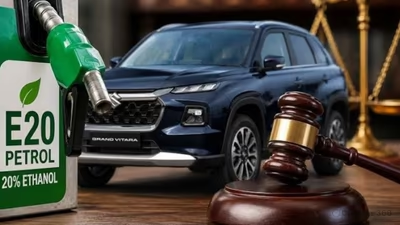
Electric powertrain entered Maruti's range with the launch of the e Vitara in February 2026, the brand's first battery electric vehicle. Built on a dedicated HEARTECT-e EV platform, the e Vitara is offered with two battery options — 49 kWh and 61 kWh — with the larger pack delivering a claimed range of up to 543 km on a single charge. A second EV, codenamed YMC, is in development as a 7-seater electric MPV on the same skateboard architecture. Maruti is also working on flex-fuel compatibility for select future models, aligning with the Indian government's ethanol-blending roadmap.
One of the practical advantages of Maruti Suzuki's engine strategy is extensive powertrain sharing across models. The same 1.5-litre K15C engine, for example, powers the Brezza, Ertiga, XL6, Grand Vitara, Victoris, and Jimny, which means spare parts are widely interchangeable, servicing is standardised across Maruti's 3,500+ service centres, and long-term maintenance costs stay lower than competitors who use unique engines per model.
Maruti Suzuki Car Features: Safety, Technology and Comfort
Maruti Suzuki has transformed its lineup from budget-focused basics to one of the most feature-rich portfolios in the Indian market. As of 2026, all Maruti Suzuki Arena and Nexa models come standard with 6 airbags, a mandate the company adopted ahead of the regulatory deadline in May 2025.
Multiple models now carry independently verified crash safety certifications — the Dzire holds a 5-star Global NCAP and Bharat NCAP rating, the Victoris scored 5 stars in both Bharat NCAP and Global NCAP tests, and the e Vitara achieved 5 stars in Bharat NCAP and 4 stars in Euro NCAP.
Level 2 ADAS (Advanced Driver Assistance System), once limited to cars costing ₹20 lakh and above, is now available on the Victoris starting at ₹10.50 lakh and on the e Vitara from ₹10.99 lakh — making these among the most affordable ADAS-equipped cars in India. ADAS features include adaptive cruise control, lane departure warning, automatic emergency braking, and high beam assist, with over 15 functions across both models.
Cabin technology across the current Maruti range includes 9-inch and 10.25-inch touchscreen infotainment systems with wireless Android Auto and Apple CarPlay, fully digital instrument clusters, Head-Up Displays, connected car technology with over-the-air updates, and 360-degree HD surround view cameras. Comfort-focused additions like panoramic sunroofs, ventilated front seats, 64-colour ambient lighting, wireless phone charging, and Dolby Atmos spatial sound through Infinity speakers are available on models like the Victoris, Grand Vitara, and e Vitara. Even the compact Dzire now offers a segment-first electric sunroof, 360-degree camera, and a 9-inch infotainment display.
This feature upgrade has positioned Maruti Suzuki cars alongside — and in many cases ahead of — more expensive competitors from Hyundai, Tata, and Kia in terms of standard equipment, while maintaining the brand's core advantage of lower ownership costs and India's widest service network with over 4,564 touchpoints.
Best Maruti Suzuki Cars
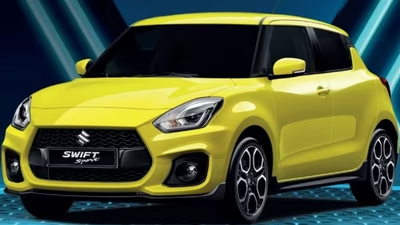
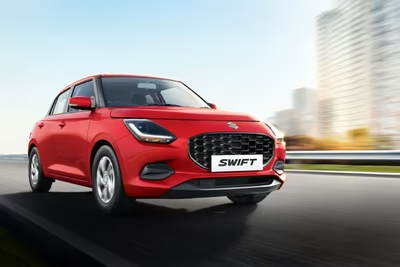
- Maruti Swift — Best Hatchback (₹5.79L, 24.8 kmpl)
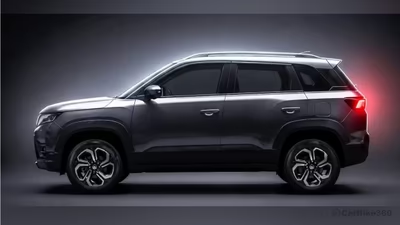
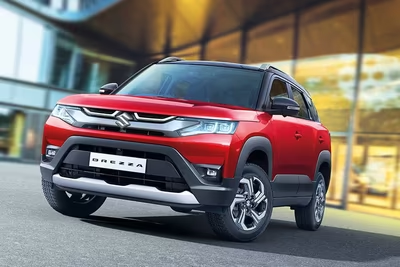
- Maruti Brezza — Best Compact SUV (₹8.26L, 19.8 kmpl)
- Maruti Dzire — Best Sedan (₹6.25L, 5-star safety)
- Maruti WagonR — Best Budget Car (₹4.99L, CNG available)
- Maruti Grand Vitara — Best Mid-Size SUV (₹10.77L, strong hybrid)
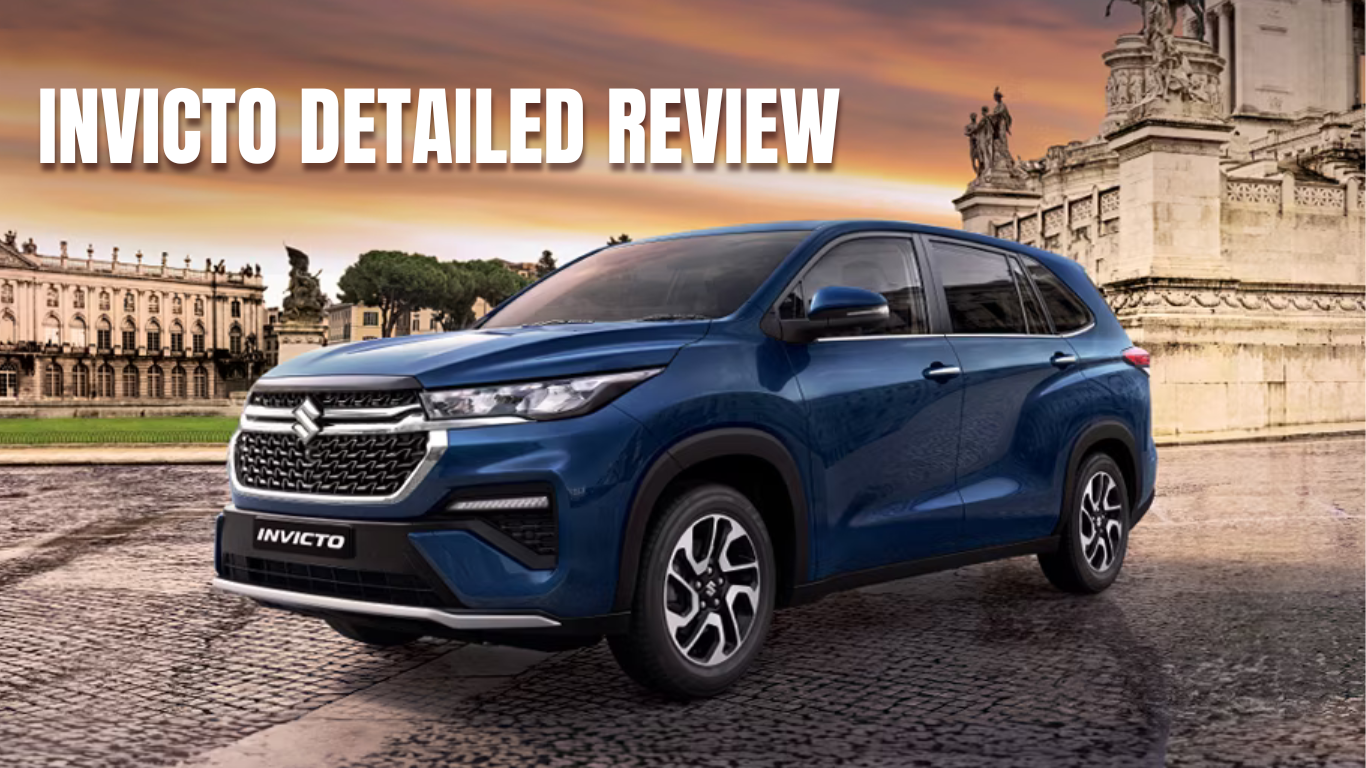
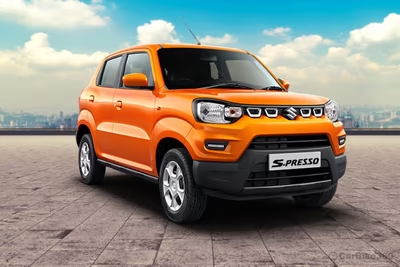
Maruti Suzuki’s pricing starts at ₹3.50 Lakh for its most affordable model, the Maruti Suzuki S-Presso. On the premium end, prices go up to ₹24.97 Lakh for the Maruti Suzuki Invicto, Maruti Suzuki’s flagship offering. In between, popular models like the Maruti Suzuki Dzire start from ₹6.26 Lakh.
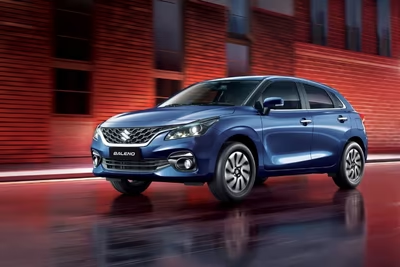
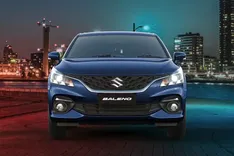
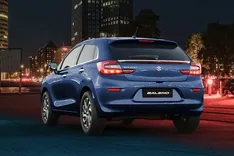
On the horizon, Maruti Suzuki is set to introduce 12 cars — Maruti Suzuki Brezza 2026, Maruti Suzuki Baleno SUV, Maruti Suzuki Fronx Hybrid — further strengthening its presence in the Indian market.
Maruti Suzuki Cars Price List (July 2026) in India
Ex-showroom price of Maruti Suzuki cars in New Delhi ranges between ₹3.50 Lakh and ₹24.97 Lakh.
| MODEL | PRICE (Ex-showroom) | AVAILABLE FROM |
|---|---|---|
| Maruti Suzuki Dzire | ₹6.26 Lakh | 11-Nov-2024 |
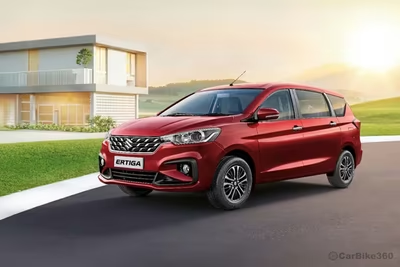
| Maruti Suzuki Ertiga | ₹8.85 Lakh | 15-Apr-2022 |
| Maruti Suzuki Wagon R | ₹4.99 Lakh | 25-Feb-2022 |

Maruti Suzuki Car Models
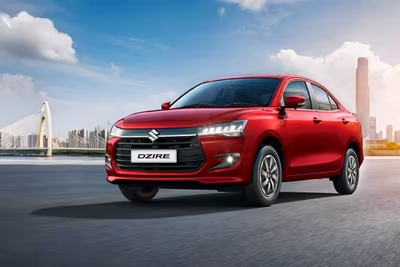


- ✓ 5-star Global NCAP & Bharat NCAP rated
- ✓ Segment-first electric sunroof on a sedan
- ✓ 360-degree camera on higher variants
- ✓ 1.2L Z-Series engine; up to 25.71 kmpl
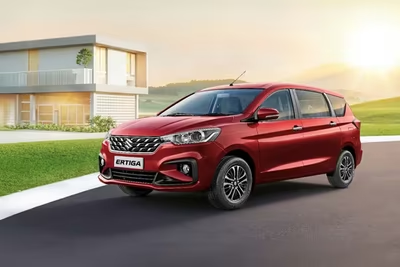
- ✓ Smart Hybrid petrol engine
- ✓ Flexible three-row seating
- ✓ Factory-fitted CNG option available
- ✓ Connected infotainment system

- ✓ Tallboy design offers excellent headroom and easy entry
- ✓ Dual petrol engine options support flexible performance
- ✓ Factory CNG variant available
- ✓ High ground clearance
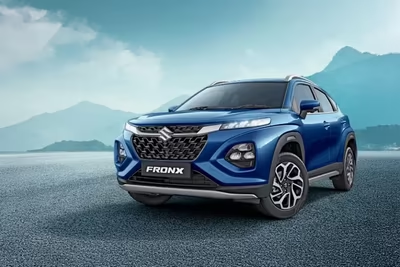
- ✓ Six airbags offered
- ✓ 9-inch infotainment with wireless smartphone connectivity
- ✓ Coupe-style SUV design creates a distinctive road presence
- ✓ Turbo BoosterJet petrol engine
Upcoming Maruti Suzuki Cars
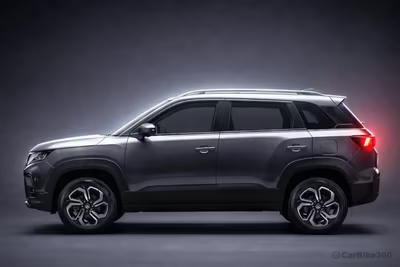
 Jul 24, 2026 Expected launch
 Notify Me on Launch
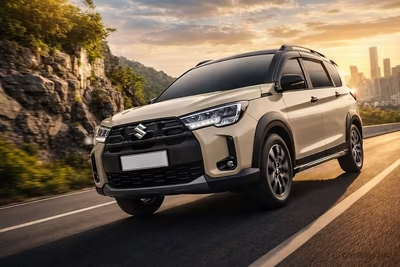 Oct 12, 2026 Expected launchNotify Me on Launch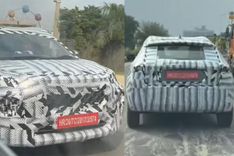

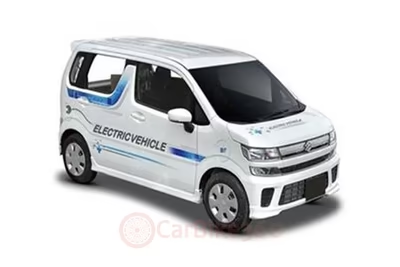
 Jul 14, 2027 Expected launchNotify Me on Launch


Maruti Suzuki cars comparisons
Compare Yourself 



Maruti Suzuki Car Expert Reviews
View All Reviews 

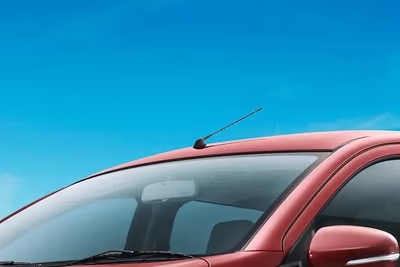
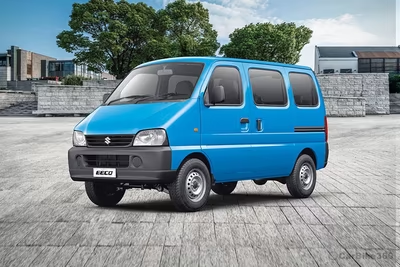
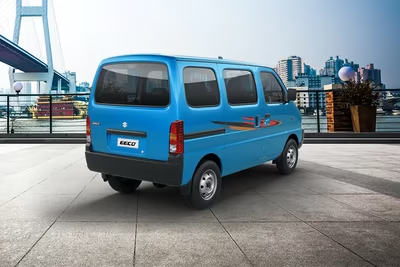
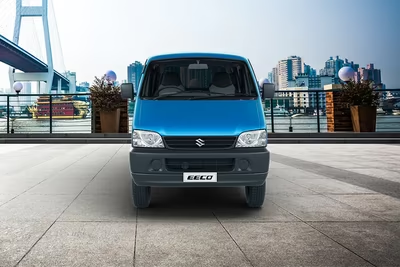
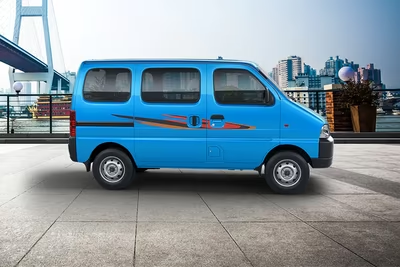
Maruti Suzuki Cars Images

Maruti Suzuki cars in News
View All News