ELECTRIC
Maruti Suzuki to appeal Raipur court order on Grand Vitara E20 compatibility
 Add CarBike360 on Google
Maruti Suzuki will appeal a Raipur court decision regarding the Grand Vitara’s E20 fuel compatibility, highlighting ongoing debates around ethanol adoption, vehicle readiness, and compliance standards in India’s evolving automotive landscape.

By Priya Thakur
Jul 18, 2026 05:22 am IST
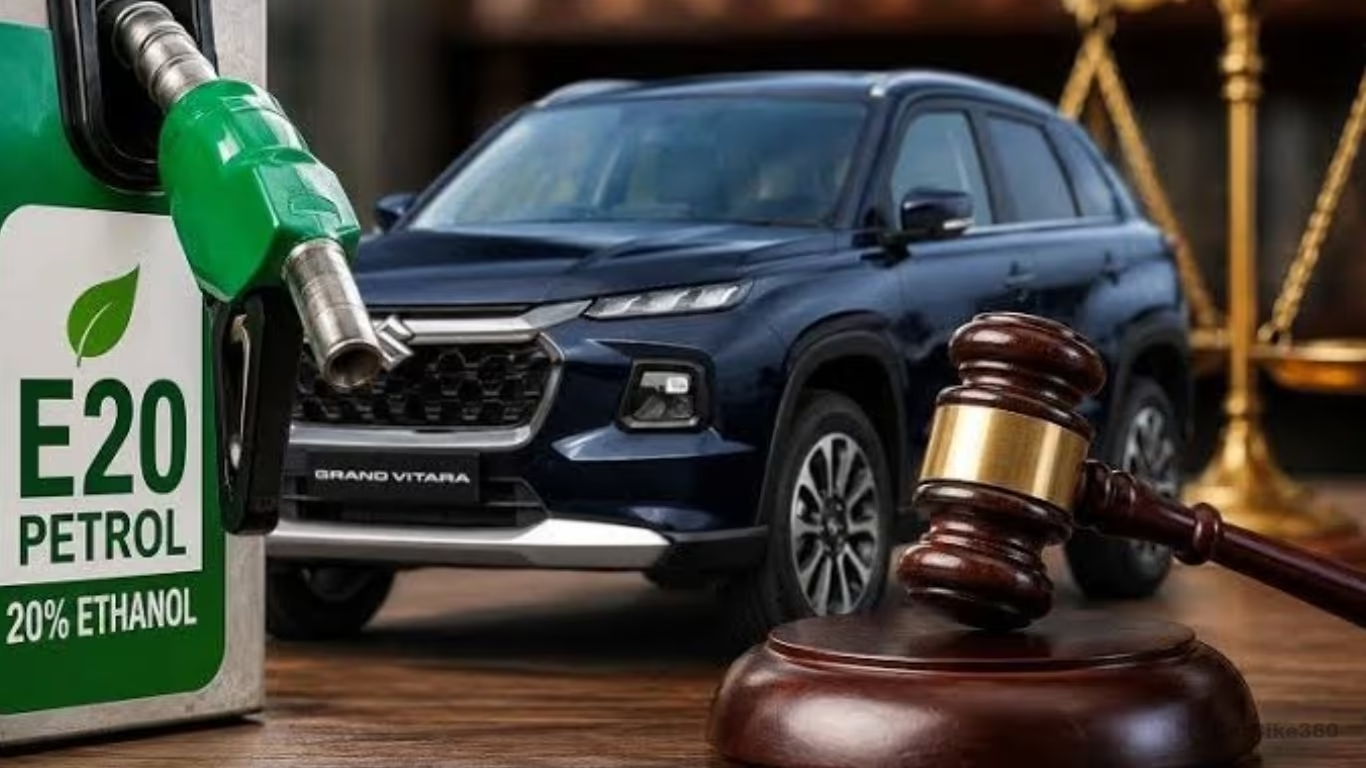
Maruti Suzuki India has announced it will appeal a recent Raipur consumer court ruling. The court directed the company to replace a customer’s Grand Vitara with a new E20-compatible vehicle. Maruti Suzuki maintains that the Grand Vitara in question is already E20 compatible and designed to run on E20 petrol.
Key Highlights
- Maruti Suzuki will appeal the Raipur court order on Grand Vitara E20 compatibility.
- The company claims the Grand Vitara is already E20 compatible and cites the owner's manual.
- Fuel contamination found in the customer's car was not addressed in the original ruling.
- Court ordered vehicle replacement or compensation if not replaced.
Company Response to Court Ruling
In its official statement, Maruti Suzuki stated that the Grand Vitara model involved in the dispute meets E20 fuel standards. The company emphasised that this compatibility is clearly mentioned in the vehicle’s owner’s manual. Maruti Suzuki also highlighted that a fuel sample from the customer’s car showed signs of contamination. The company considers this contamination a key factor in the case.
However, Maruti Suzuki noted that the consumer commission’s order did not reflect the issue of fuel contamination. The company believes this omission affected the outcome of the case. Maruti Suzuki has decided to challenge the decision in a higher court, seeking a review of the facts and evidence.
Details of the Legal Dispute
The Raipur District Consumer Disputes Redressal Commission ruled in favour of the customer. The commission instructed Maruti Suzuki to provide a replacement vehicle that is E20 compatible. If the company does not replace the vehicle, it may need to compensate the customer instead.
Maruti Suzuki has asserted that the problem was not related to E20 fuel compatibility. The company said the Maruti Suzuki Grand Vitara is built to operate on E20 petrol, and any issues were likely due to contaminated fuel. Maruti Suzuki reiterated its commitment to quality, safety, and customer satisfaction in its statement.
Implications for Industry and Consumers
This case has attracted attention as E20 fuel becomes more common across India. The outcome could set a precedent for both car buyers and manufacturers regarding fuel compatibility claims. Maruti Suzuki’s decision to appeal means the legal process will continue, and the final resolution remains pending.
The case highlights the importance of clear communication about fuel compatibility and the need for accurate assessment of vehicle issues. Both consumers and automakers will be watching the developments closely as the matter proceeds through higher courts.
Also Read: Maruti Brezza Facelift launch on July 24 with new engine and feature upgrades
CarBike 360 Says
Maruti Suzuki’s decision to appeal the Raipur court order underscores the broader challenges automakers face as India transitions toward higher ethanol blends. The outcome of this case could influence regulatory clarity, consumer confidence, and future product strategies. As the industry adapts, aligning policy, technology, and transparency will remain crucial for sustainable and compliant mobility solutions.


You May Like


Find your perfect car

Budget

Brand

Body Type

Fuel

Mileage

More
Latest Car Videos




Other Car News
Listen to Car Audios