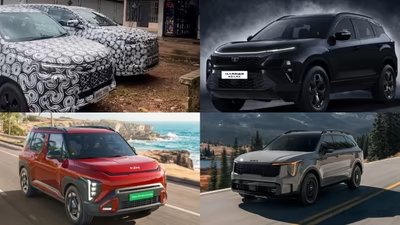
ELECTRIC CARS
Tata Cars
Tata currently offers 19 car models in India, catering to diverse customer needs. The lineup includes 11 SUVs, 3 Hatchbacks, 4 Sedans, along with 8 electric cars for buyers looking to switch to cleaner mobility.
Tata Motors Passenger Vehicles: India's Most Exciting Automotive Comeback Story
If the Indian automobile industry were to produce a defining comeback narrative of the last decade, it would almost certainly belong to Tata Motors' passenger vehicle business. Once struggling to stay relevant in a market increasingly dominated by Hyundai and Maruti Suzuki, Tata Motors has engineered one of the most remarkable turnarounds in Indian corporate history — transforming itself from a brand associated with utilitarian, bare-basic vehicles into one of the most aspirational, technology-forward, and emotionally resonant car brands in the country today.
Tata Motors is India's third largest passenger vehicle manufacturer and the undisputed leader in the electric vehicle segment — a position it has held since the dawn of mainstream EV adoption in India. The brand currently retails 13 models across hatchbacks, SUVs, MPVs, and electric vehicles, covering a price range from the entry-level Tata Punch to the premium all-electric Tata Avinya concept heading towards production. Built on the philosophy of 'New Forever', Tata's current product range reflects a brand that has found its identity, its design voice, and its technological ambition — and is executing on all three with growing confidence.
A Network Expanding as Fast as Its Ambitions
Tata Motors has made significant strides in expanding its sales and service infrastructure over the past several years, recognising that product excellence alone cannot sustain growth without a support network that buyers can rely on. The brand currently operates through over 1,500 sales touchpoints and more than 1,600 service centres spread across hundreds of cities and towns in India, with a particular push to strengthen its presence in Tier 2 and Tier 3 markets where first-time SUV buyers are increasingly emerging.
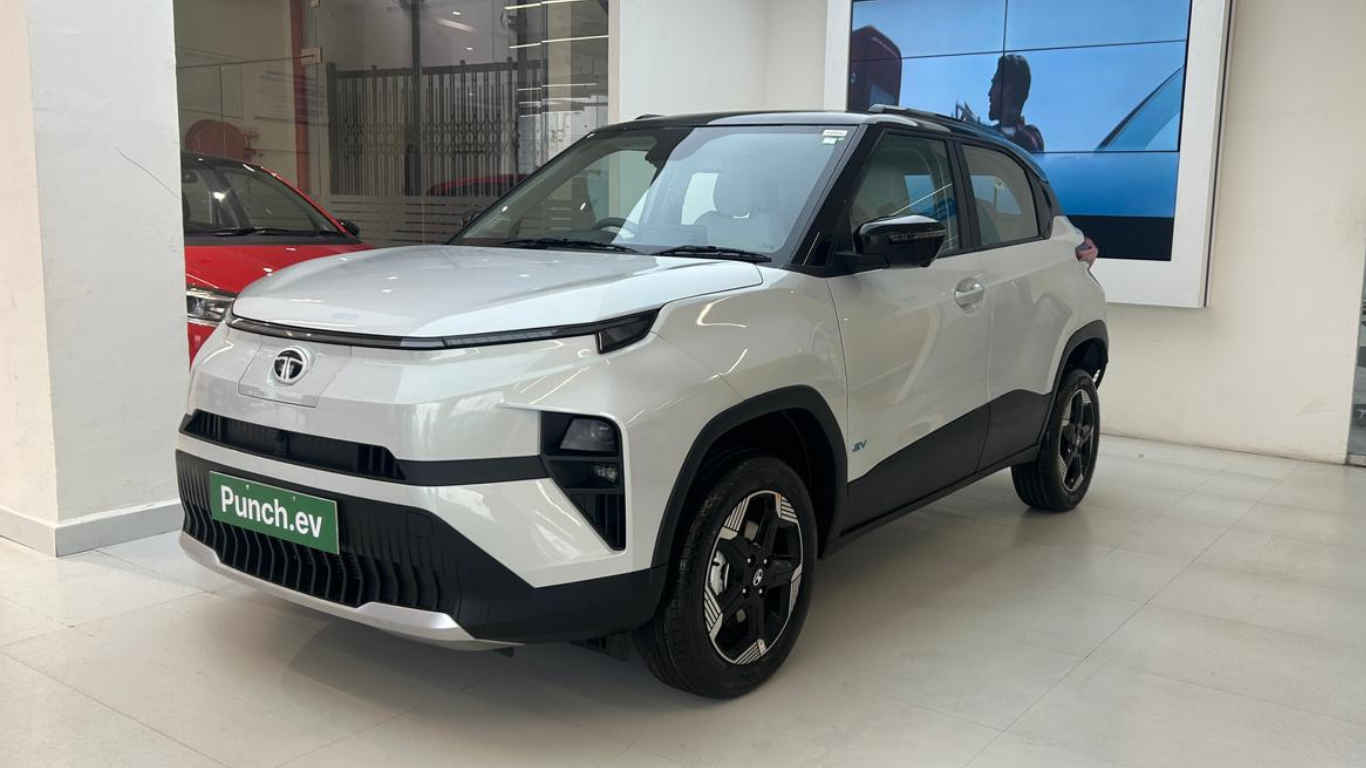
In addition to its conventional dealership network, Tata Motors has established a dedicated EV retail and service ecosystem — branded under Tata.ev — to address the unique needs of electric vehicle owners. These specialised outlets are equipped with trained EV technicians, charging infrastructure, and digital-first ownership tools, reflecting the brand's understanding that selling an EV is only the beginning of a very different kind of customer relationship.
Powertrains: Petrol, Diesel, CNG, and India's Largest EV Portfolio
Tata Motors offers one of the broadest and most diverse powertrain portfolios in the Indian passenger vehicle market. The brand covers petrol, diesel, CNG, and electric fuel types — ensuring it has a relevant option for virtually every buyer profile and use case in the country.
Its petrol range includes both naturally aspirated and turbocharged options, with the 1.2-litre turbocharged Revotron and the 1.5-litre turbocharged Kryotec petrol units delivering strong performance across its compact and mid-size SUV lineup. The 1.5-litre diesel engine — shared across several models — remains one of the most torque-rich and fuel-efficient units in its displacement class and continues to attract long-distance and highway-oriented buyers.
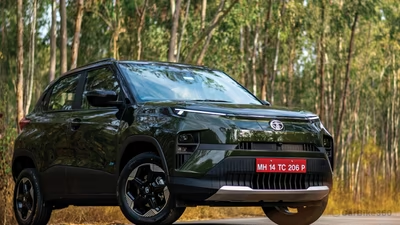
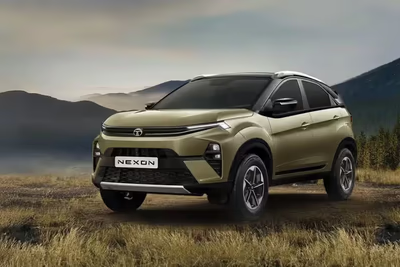
Tata has also expanded its CNG portfolio considerably, recognising the strong demand among urban high-mileage users who need the running cost benefits that compressed natural gas delivers. Models like the Tata Punch CNG and Tata Nexon CNG have brought CNG to the SUV body style — a segment where CNG was previously absent — opening up an entirely new buyer audience.
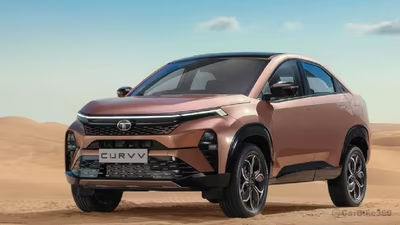
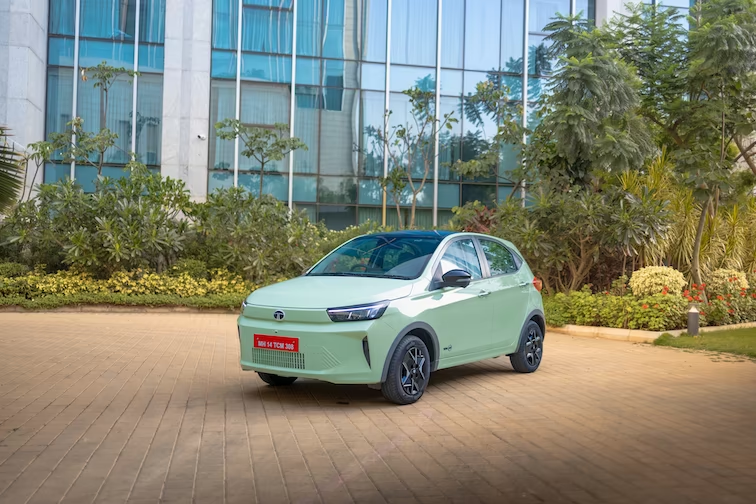
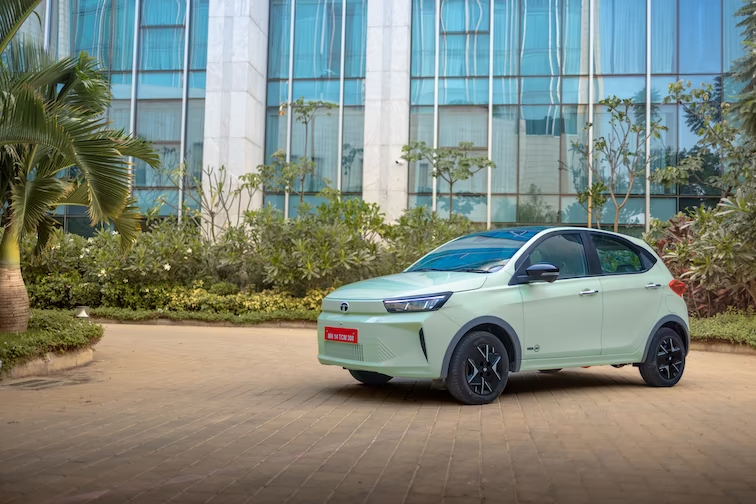
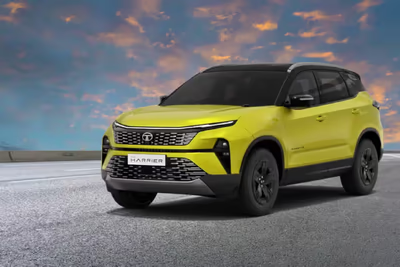
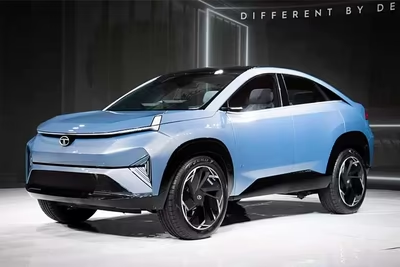
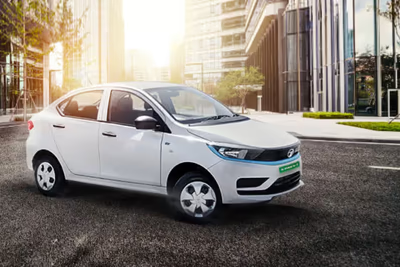
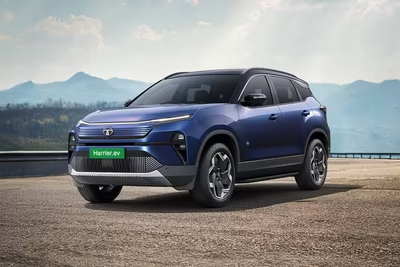
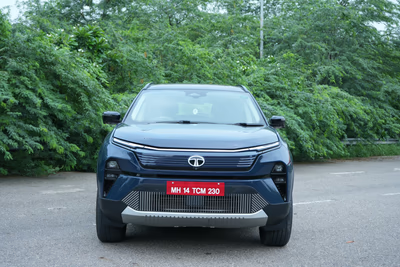
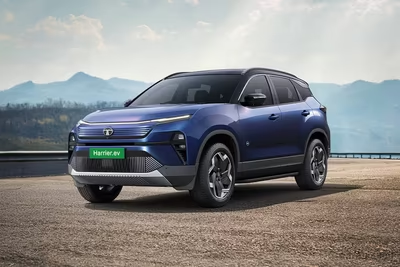
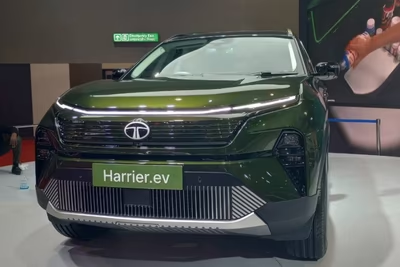
However, it is in the electric vehicle space where Tata Motors truly stands apart from every other passenger vehicle manufacturer in India. The brand pioneered mainstream EV adoption in the country with the Tata Nexon EV, which single-handedly demonstrated that an affordable, practical, and locally relevant electric SUV could find genuine mass-market acceptance in India. Today, Tata's EV lineup spans multiple models — including the Punch EV, Nexon EV, Curvv EV, and the flagship Harrier EV — covering a price range from approximately ₹10 lakh to over ₹25 lakh. No other automaker in India comes close to matching this depth and breadth of electric vehicle offerings in the mainstream market.
Design and Features: From Forgettable to Formidable
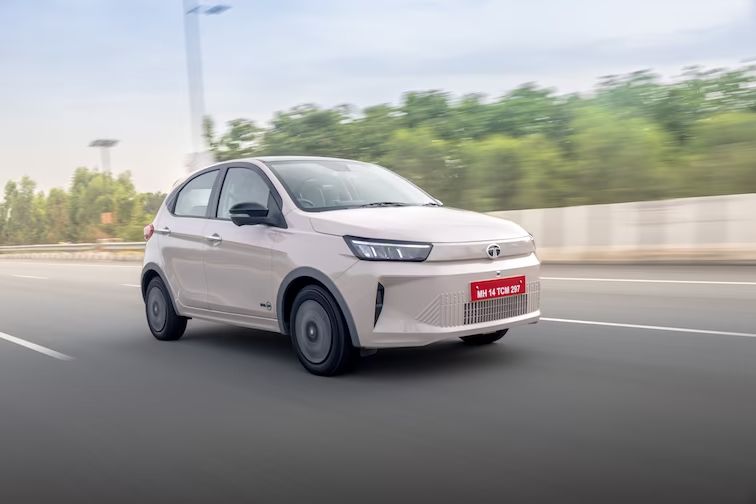
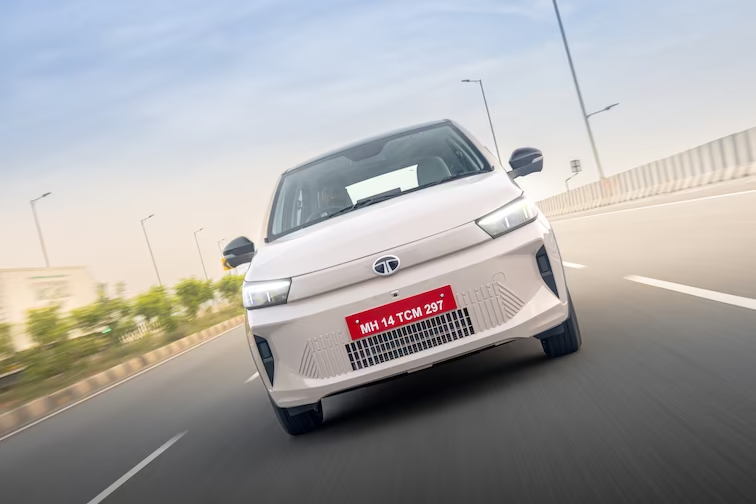
The transformation in Tata Motors' design language over the past decade has been nothing short of extraordinary. The brand's current 'IMPACT 2.0' design philosophy — characterised by bold, chiselled body lines, tri-arrow motifs, flush door handles on select models, and panoramic glass roofs — has given Tata's lineup a visual identity that is immediately recognisable and genuinely premium in its appearance. This design evolution has been a central catalyst in changing buyer perception and attracting a younger, more aspirational demographic to the brand.
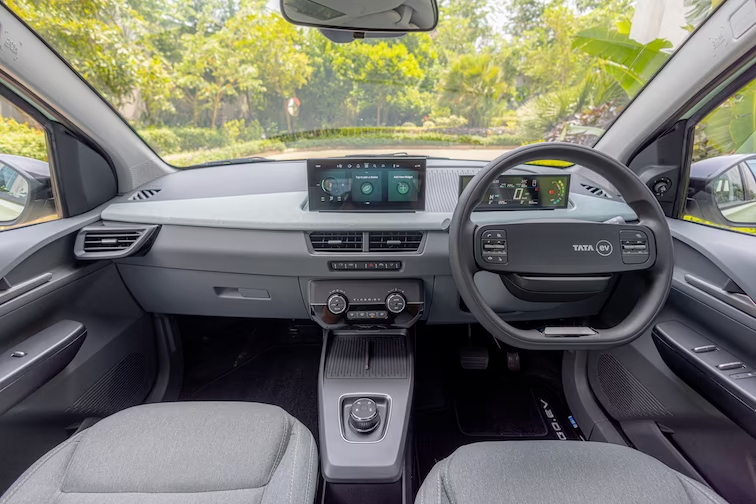
Feature parity with segment leaders is no longer an aspiration for Tata — it is a reality. Across its current lineup, the brand offers a comprehensive suite of modern equipment including large floating touchscreen infotainment systems, fully digital instrument clusters, ADAS (Advanced Driver Assistance Systems) with automatic emergency braking, lane departure warning and adaptive cruise control, panoramic sunroofs, ventilated front seats, wireless charging, and the brand's proprietary connected car platform — iRA (intelligent Real-time Assist). The iRA platform enables remote vehicle commands, real-time diagnostics, over-the-air updates, and AI-powered voice assistance — features that place Tata firmly in the conversation with far more expensive rivals.
Manufacturing, Architecture and Engineering
Tata Motors manufactures its passenger vehicles across facilities in Pune and Sanand, with the Sanand plant — acquired from Ford India in 2023 — significantly expanding the brand's overall production capacity and providing dedicated capacity for its rapidly growing EV lineup. The Pune facility at Ranjangaon remains the primary hub for its internal combustion engine models.
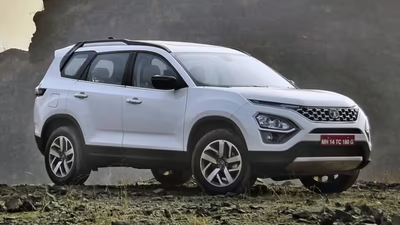
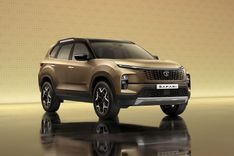
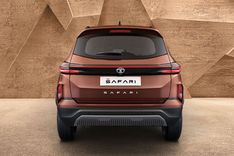
Underpinning Tata's current and future product portfolio are two key vehicle architectures. The ALFA (Agile Light Flexible Advanced) platform underpins its compact models including the Punch and Altroz, while the more advanced OMEGA (Optimal Modular Efficient Global Advanced) arc — derived in part from Jaguar Land Rover's D8 platform — supports its larger and more premium SUVs including the Safari and Harrier. The upcoming Avinya platform, designed ground-up for electric vehicles, will power Tata's next generation of purpose-built EVs.
As a member of the Tata Group — one of India's most respected and diversified conglomerates — Tata Motors benefits from significant financial support, brand equity, and cross-group synergies, including with Jaguar Land Rover (JLR), the British luxury automaker that Tata acquired in 2008 and which continues to be a significant contributor to the group's overall revenue and engineering capability.
Tata Motors and the Electric Vehicle Revolution in India
Tata Motors' contribution to India's EV story cannot be overstated. When the government began pushing for electric mobility under the FAME (Faster Adoption and Manufacturing of Electric Vehicles) scheme, it was Tata Motors that stepped up with products, infrastructure, and conviction when most rivals were still watching from the sidelines. The brand's early mover advantage has translated into deep market leadership — holding a market share of approximately 40% in India's electric passenger vehicle segment as of 2025, even as competition from Mahindra, MG Motor, Hyundai, and BYD intensifies.
The brand has also been actively building out India's EV charging ecosystem through its subsidiary Tata Power, which operates one of the country's largest public charging networks. This vertical integration — from the vehicle to the energy source — gives Tata a uniquely holistic position in the EV ecosystem that no other Indian automaker currently replicates.
Looking ahead, Tata Motors has announced significant investment plans for new EV models, battery cell manufacturing in India through Agratas Energy Storage Solutions — its dedicated battery subsidiary — and the expansion of its Tata.ev retail network. The goal is clear: to cement its leadership in India's electric vehicle market through the current decade and beyond.
The Road Ahead
Tata Motors' passenger vehicle story is no longer one of recovery — it is one of momentum. The brand has successfully repositioned itself from a value-for-money fallback option to a genuinely desirable first choice for a wide cross-section of Indian car buyers. Its combination of bold design, broad powertrain options, segment-leading EV credentials, and improving build quality has created a product portfolio that is arguably the most well-rounded it has ever been.
The challenges ahead are real — sustaining EV market leadership as global giants bring their full electric arsenals to India, managing quality consistency at higher production volumes, and continuing to close the gap with Hyundai and Maruti in overall sales volumes. But if the last decade is any guide, underestimating Tata Motors' passenger vehicle business is a mistake the Indian automotive industry is unlikely to make again.
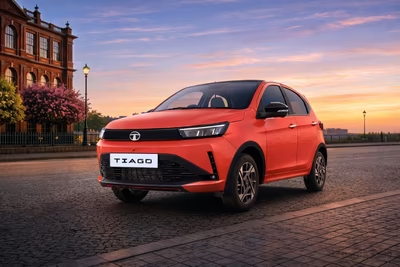
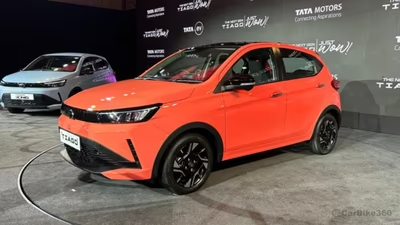
Tata’s pricing starts at ₹4.70 Lakh for its most affordable model, the Tata Tiago. On the premium end, prices go up to ₹21.69 Lakh for the Tata Harrier EV, Tata’s flagship offering. In between, popular models like the Tata Punch start from ₹5.70 Lakh.
On the horizon, Tata is set to introduce 10 cars — Tata Safari EV, Tata Altroz EV, Tata Avinya — further strengthening its presence in the Indian market.
Tata Cars Price List (July 2026) in India
Ex-showroom price of Tata cars in New Delhi ranges between ₹4.70 Lakh and ₹21.69 Lakh.
| MODEL | PRICE (Ex-showroom) | AVAILABLE FROM |
|---|---|---|
| Tata Punch | ₹5.70 Lakh | 13-Jan-2026 |
| Tata Nexon | ₹7.40 Lakh | 14-Sep-2023 |
| Tata Sierra | ₹11.49 Lakh | 25-Nov-2025 |

Tata Car Models


- ✓ Six airbags and ESC enhance occupant safety.
- ✓ 10.25-inch touchscreen supports wireless smartphone connectivity.
- ✓ 360° camera with blind-view monitor improves parking visibility.
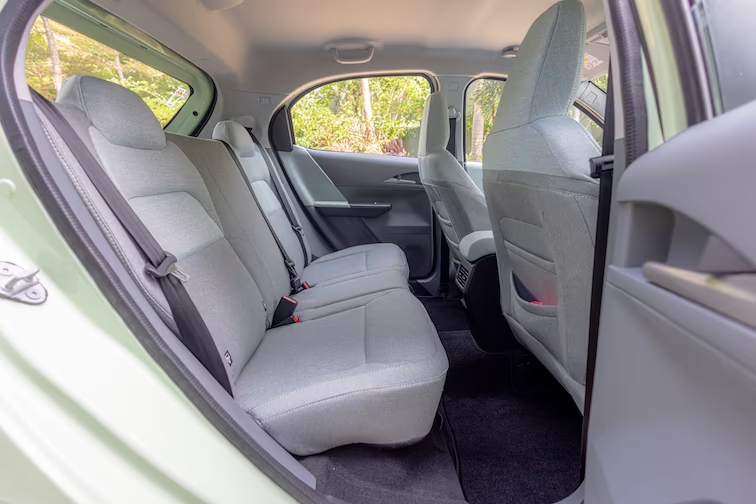
- ✓ Wireless charger, rear AC vents and Type-C ports.
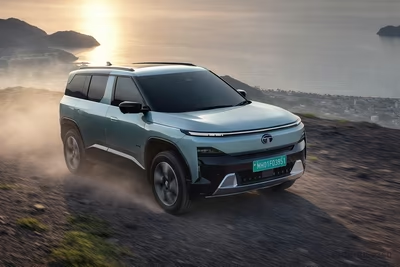
- ✓ Triple-screen cabin with panoramic sunroof enhances comfort
- ✓ Long-range battery with advanced ADAS for safer drives
- ✓ AWD powertrain delivers smooth and confident performance
- ✓ Iconic design with a bold, futuristic road presence
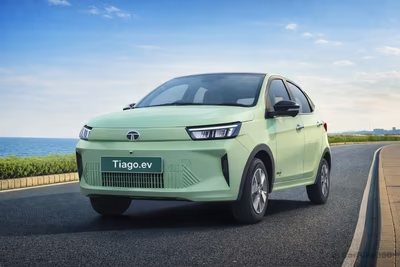
- ✓ 10.25-inch touchscreen supports wireless smartphone connectivity.
- ✓ Dual battery options deliver up to 315 km range.
- ✓ 360° camera and blind-view monitor.
- ✓ Rear AC vents, wireless charger and rotary drive selector.

- ✓ Electronic Stability Programme (ESP)
- ✓ Built on ALFA architecture — true SUV stance
- ✓ Voice–Assisted Electric Sunroof
- ✓ 5-star Global NCAP — safest in its class
Upcoming Tata Cars
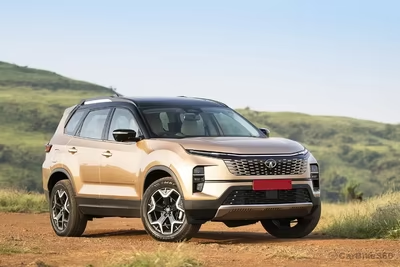

 Notify Me on Launch




Tata cars comparisons
Compare Yourself 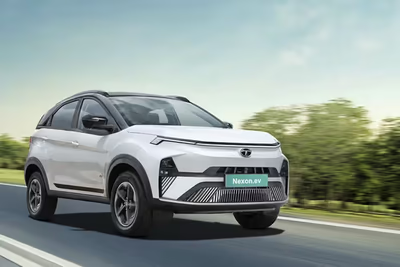



Tata Car Expert Reviews
View All Reviews 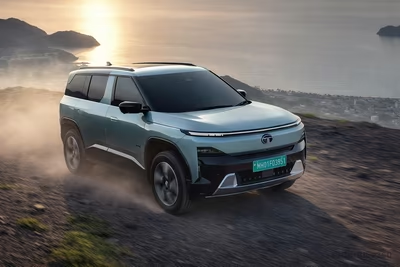


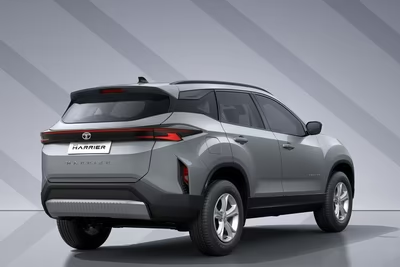
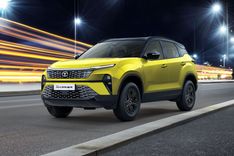
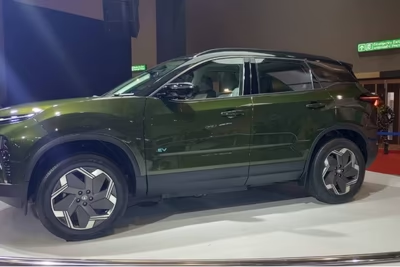
Tata Cars Images


Tata cars in News
View All News