

 ELECTRIC
China unveils 2026 automotive standards plan focused on AI, chips, and battery innovation
 Add CarBike360 on Google
China has released its 2026 automotive standards roadmap, focusing on artificial intelligence, chip development, and next-generation battery technologies to strengthen its leadership in the global electric and smart vehicle market.

May 28, 2026 06:33 am IST
Published On
May 28, 2026 06:00 am IST
Last Updated On
May 28, 2026 06:33 am IST
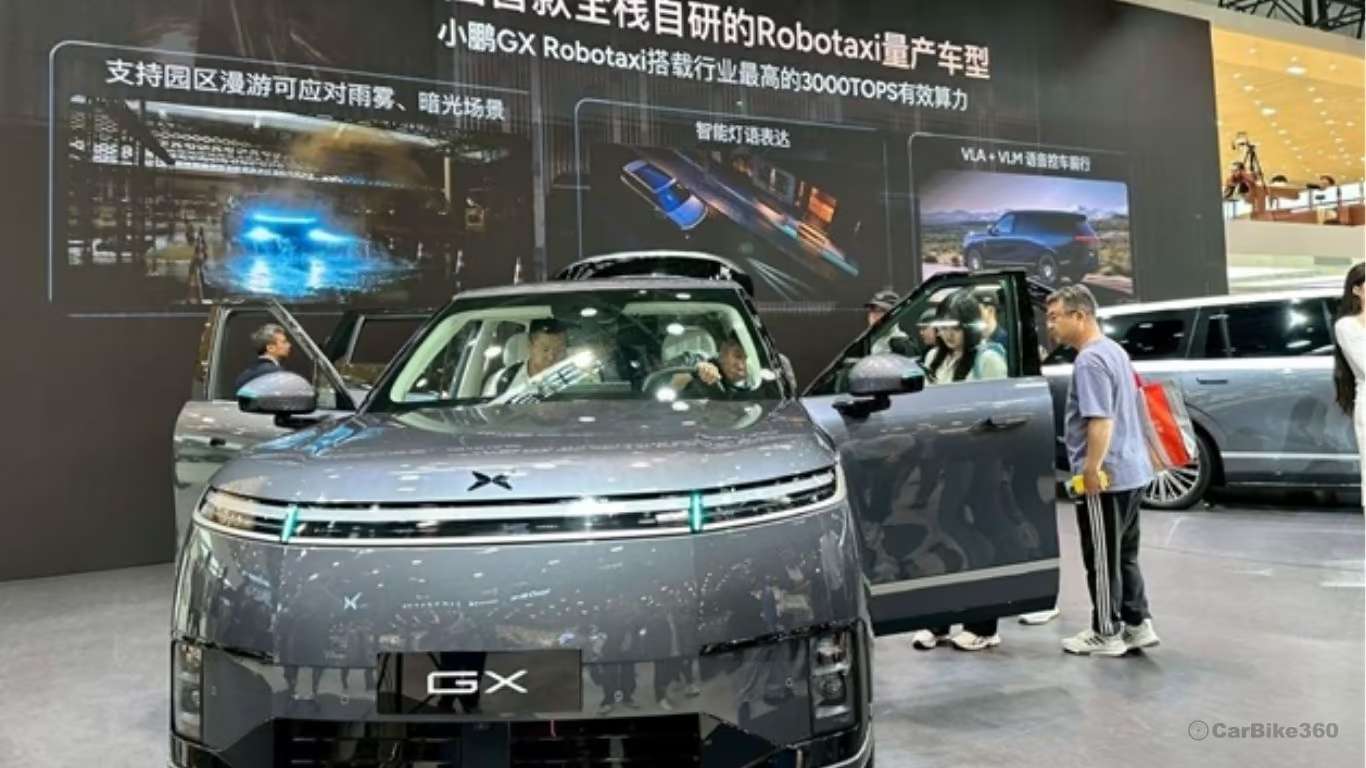
China's Ministry of Industry and Information Technology has released its 2026 work plan for automotive standardization. The plan focuses on technical requirements for electric vehicles, AI-driven systems, and automotive semiconductor chips. This move aims to strengthen the country's leadership in the global automotive sector.
Key Highlights
- China's 2026 work plan sets technical standards for electric vehicles AI systems and automotive chips
- The plan includes guidelines for battery safety charging systems and solid-state battery technology
- China aims to deepen participation in United Nations automotive regulations and promote new international standards
- China accounts for 60 percent of global electric vehicle sales and leads in automotive exports
Key Areas in the 2026 Work Plan
The plan outlines the completion of a standards blueprint for the automobile industry during the 15th five-year plan, which runs through 2030. It sets priorities for testing and security requirements for AI models in automated driving systems. The plan also includes guidelines for large automotive models and end-to-end AI systems. These guidelines are important as carmakers deploy advanced driver assistance and autonomous driving technologies.
The ministry has committed to accelerating the development of standards for automotive semiconductor chips. The plan addresses battery safety, charging systems, and solid-state battery technology. Solid-state batteries are seen as a potential successor to current lithium-ion technology. The plan aims to ensure that China's automotive sector remains competitive as the industry evolves.
International Engagement and Industry Impact
The work plan details China's approach to international automotive rule-making. The ministry will deepen participation in United Nations automotive regulations. These regulations cover autonomous driving, electric vehicle safety, and battery durability. China also plans to promote new international standards and work towards establishing an international automotive science and technology organization.
The ministry has stated its commitment to supporting Chinese automakers in meeting regulatory requirements in overseas markets. China is currently the world’s largest producer and exporter of electric vehicles, accounting for 60% of global EV sales. The country has increased its engagement with multilateral automotive standards bodies in recent years. The new plan expands this effort to include AI and semiconductor standards.
Implications for Global and Regional Markets
The development of these standards is relevant to other countries, including India. India is building its own standards to promote electric vehicles and connected vehicle technologies. If Beijing’s proposed frameworks gain adoption through the United Nations system, they could influence the regulatory environment for Indian automakers and component suppliers in global markets.
China’s focus on international rule-making and advanced technologies highlights its intent to shape the future of the automotive industry. The plan’s emphasis on AI, chips, and battery technology reflects the sector’s shift toward electrification and automation. These standards could set benchmarks for other countries and regions as they develop their own automotive policies.
Also Read: Epsilon launches hard carbon anode to boost sodium-ion battery sustainability
CarBike 360 Says
China’s 2026 automotive standards plan signals a decisive move toward technological leadership in mobility. By prioritizing AI integration, semiconductor independence, and advanced battery systems, the country is setting the foundation for a smarter and more self-reliant auto industry. These developments are expected to influence global automotive trends, pushing innovation, competitiveness, and faster EV adoption worldwide.


You May Like


Latest Battery Videos





Other Battery News

IIT Roorkee partners with SkyySkill Academy to launch EV certification programes for engineers

Uno Minda to Invest ₹550 Crore in New Maharashtra EV Powertrain Facility

India extends deadline for rare earth magnet manufacturing scheme bids to June 2026

Emerson expands NI Nigel AI capabilities across test software portfolio
Listen to Battery Audios


Vihan AI - Your Car assistant
Ask me anything about cars, prices, and comparisons.