ELECTRIC
India blocks chinese linked battery apps over EV cybersecurity concerns
 Add CarBike360 on Google
The Indian government has taken action against Chinese-linked EV battery apps due to cybersecurity threats, highlighting growing concerns around data protection, connected vehicles, and digital infrastructure in the rapidly expanding EV sector.

Jul 04, 2026 08:54 am IST
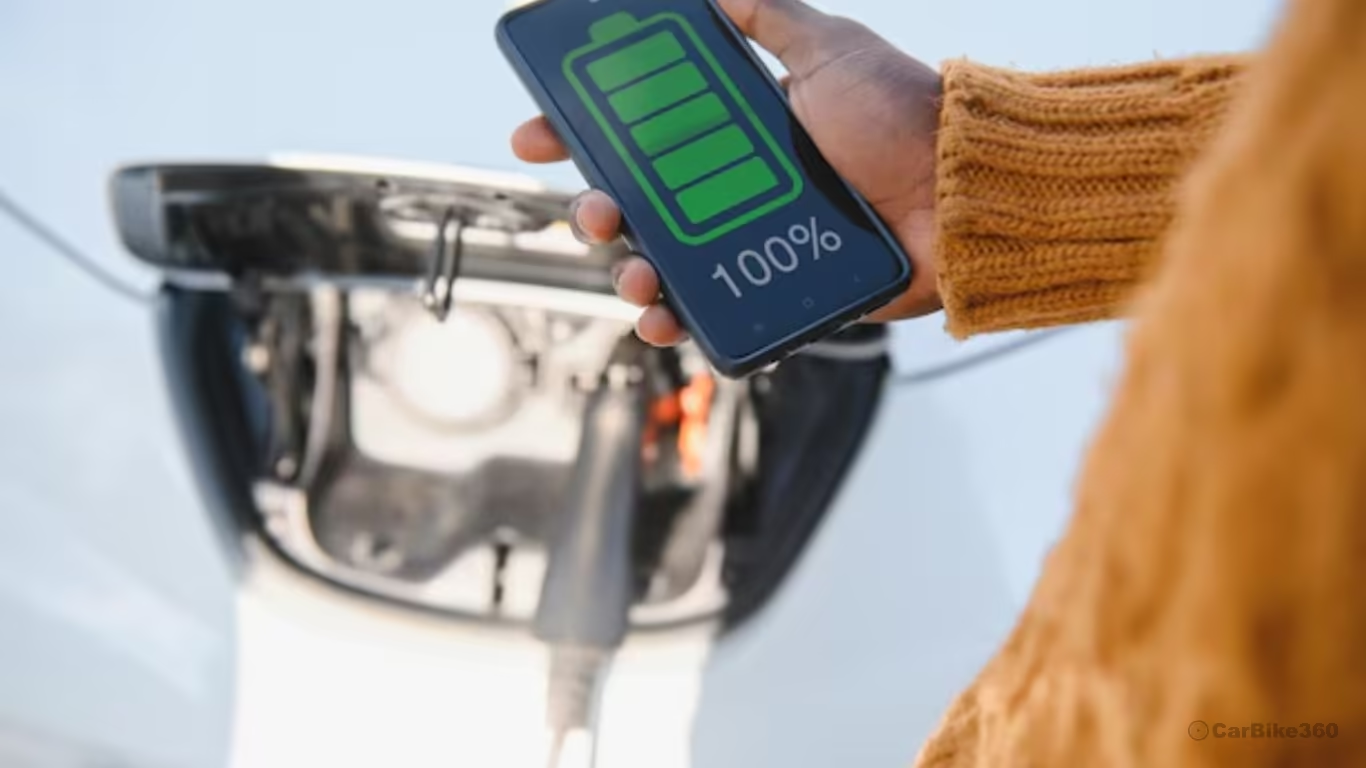
Indian authorities have blocked several battery management system (BMS) applications linked to Chinese developers. This move follows concerns that these apps were allegedly misused to remotely interfere with certain electric vehicles (EVs) in India. The Ministry of Electronics and Information Technology (MeitY) directed app stores to remove these applications after reports of unauthorized remote disruptions affecting electric rickshaws and low-speed electric two-wheelers.
Key Highlights
- India blocks battery management apps linked to Chinese developers over cybersecurity concerns.
- Three of four identified apps are developed by companies based in China.
- Government action follows reports of remote interference with electric rickshaws and two-wheelers.
- New regulations propose mandatory cybersecurity systems for connected vehicles.
- Industry expected to strengthen software security and authentication measures.
Chinese Developers and App Origins
Public records show that three of the four identified battery management apps are developed by Chinese companies. BAT-BMS is produced by Shenzhen Grenergy Technology Co. Ltd. Lossigy comes from Shenzhen LOSSIGY Lithium Energy Technology Co. Ltd. SMART BMS is also associated with a Chinese developer. The fourth app, Epoch Li-ion, is published by US-based EDG Sales International LLC. These findings have intensified scrutiny of the software ecosystem that supports India's low-cost EV segment.
Autocar Professional first reported the misuse of these apps, noting that they could be used to disrupt vehicles while operating on public roads. The publication initially withheld the app names to prevent further misuse. The government’s action has highlighted the risks associated with imported battery management hardware and software in India’s affordable EV market.
Cybersecurity Risks and Industry Response
Battery management apps are typically supplied with Bluetooth-enabled BMS units. These allow users to monitor battery health, charging status, and other parameters. However, experts warn that inadequate authentication or reliance on default credentials can make these systems vulnerable to unauthorized access. The recent incidents have raised concerns about the cybersecurity of not only the vehicles but also their components, battery suppliers, and related mobile applications.
India’s dependence on imported BMS hardware and software has become a focal point. As vehicles become more software-driven, cybersecurity risks can arise from multiple sources, including third-party apps and hardware suppliers. The government is now examining whether further safeguards are needed to prevent similar incidents in the future.
Regulatory Developments and Future Outlook
The government’s action comes shortly after India proposed new cybersecurity and software update management rules for connected vehicles. Draft amendments to the Central Motor Vehicles Rules would require manufacturers to implement Cyber Security Management Systems (CSMS) and Software Update Management Systems (SUMS). These measures aim to make cybersecurity a core part of vehicle safety and regulatory compliance.
The focus on cybersecurity is growing as connected and software-defined vehicles become more common in India. The industry is expected to prioritize secure software architecture, stronger authentication, and ongoing cybersecurity management. These steps are intended to protect vehicles from unauthorized digital access and ensure safer operation for users.
Also Read: India begins nationwide Isobutanol diesel blending trials for transport fleets
CarBike 360 Says
India’s move to block Chinese-linked battery apps underscores the growing importance of cybersecurity in the EV ecosystem. As vehicles become more connected, safeguarding user data and critical infrastructure is now a national priority. This decision signals stricter digital oversight ahead, pushing automakers and tech providers to adopt transparent, secure, and locally compliant solutions in India’s fast-evolving electric mobility landscape.


You May Like





Find your perfect car

Budget

Brand

Body Type

Fuel

Mileage

More
Latest Car Videos




Other Car News
Listen to Car Audios